How Intensive Swimming Courses Help Kids Break Through Plateaus
Why Do Children Experience Skill Plateaus
During Regular Weekly Lessons?
Intensive swimming courses overcome skill plateaus through rapid, daily repetition that strengthens muscle memory, fixes technical errors, and boosts swimmer focus. By practicing consecutive days rather than weekly intervals, swimmers build momentum quickly, rebuild lost confidence, and achieve noticeable performance breakthroughs that reignite their ongoing aquatic development and progress.
When a
child's swimming progress stalls despite regular lessons, intensive swimming courses offer a focused way to break through that plateau.
Col Jones Swim Tempe's original article explains how concentrated, daily swim training helps children reinforce technique, rebuild motivation, and make meaningful progress in a short period of time.
Key Takeaways
- A swimming plateau is common and does not mean a child has stopped improving — it usually means their current training format needs a change.
- Intensive swimming courses use daily sessions over a short period to accelerate skill development more efficiently than weekly lessons alone.
- Frequent repetition during intensive programs helps reinforce muscle memory, making correct technique feel more natural and automatic.
- Children who experience quick progress during intensive courses often regain confidence and motivation that stalled progress had reduced.
- Intensive formats work well as a standalone boost or as a complement to ongoing regular swim lessons.
What Is a Swimming Plateau and Why Does It Happen?
A swimming plateau is when a child continues attending lessons but stops making noticeable improvements. It is a common experience at every skill level and usually happens when the body has adapted to the current training routine. The original Col Jones Swim Tempe article describes this as the point where familiar practice stops producing new gains — and where a change in approach can make a significant difference.
Plateaus are not a sign that a child cannot improve. They are a signal that the current lesson structure may need to shift — either in frequency, focus, or intensity.
How Intensive Swimming Courses Help Break Through Stagnation
1. Focused Lessons Target the Right Skills
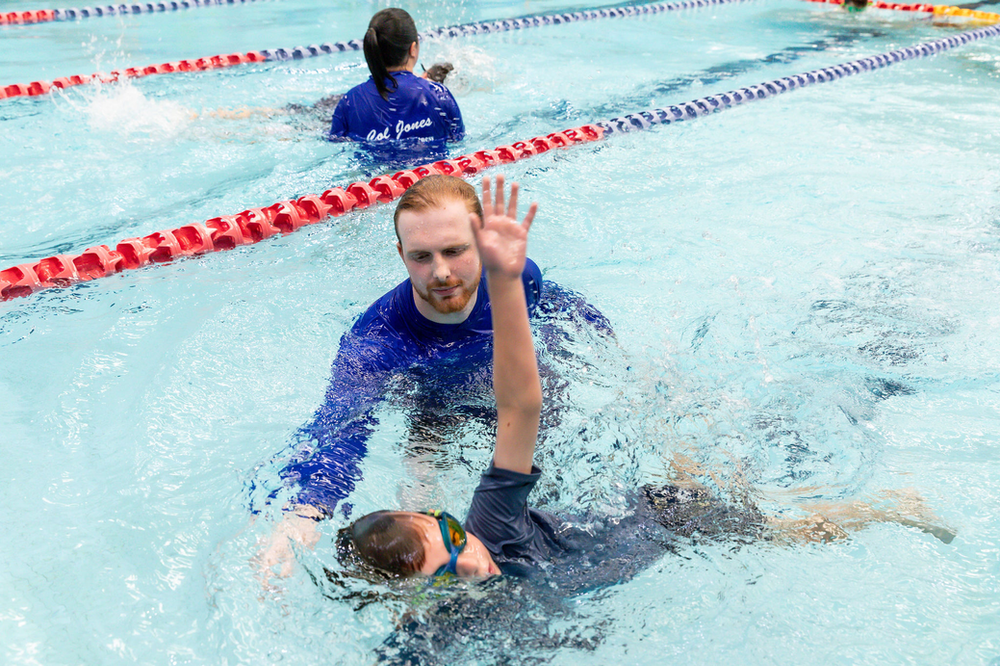
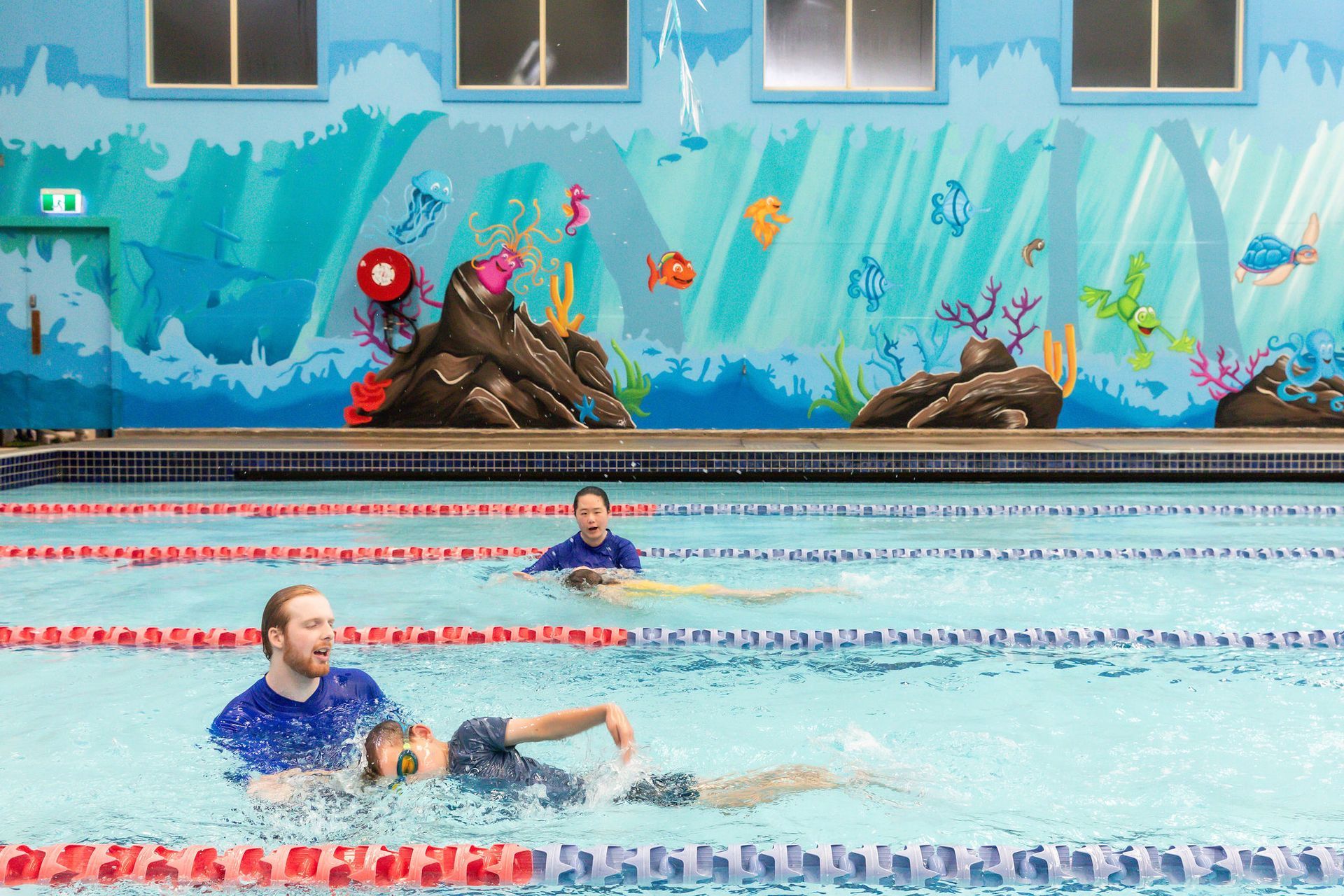
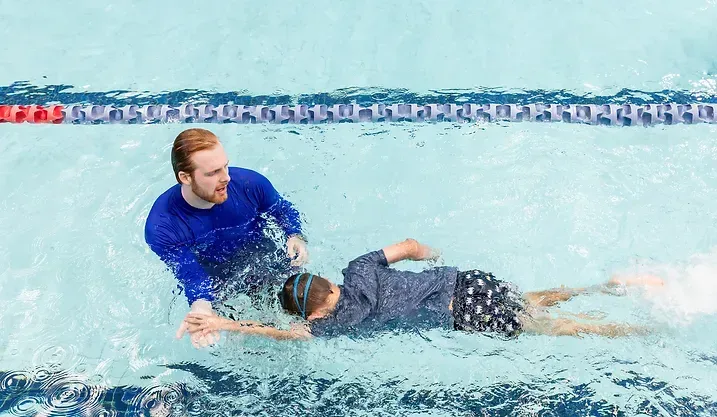
Rather than covering a broad range of techniques across months of weekly sessions, intensive swimming courses allow instructors to identify specific areas holding a child back and address them directly. When a child practices the same correction multiple times per day across several consecutive days, the adjustment has a much better chance of sticking.
The Col Jones Swim Tempe article emphasises that focused lesson plans, combined with guidance from experienced instructors, help swimmers identify their weaknesses and make faster, more targeted improvements.
2. Daily Repetition Builds Muscle Memory
Muscle memory develops through repetition over a short, consistent period. Weekly lessons allow too much time to pass between sessions, which means children can lose the feel of a correction before it becomes automatic. Intensive programs close that gap.
When children practise the same stroke mechanics, breathing patterns, or kick timing every day, the movement begins to feel natural rather than something they have to think about. That is one of the most important reasons intensive formats produce visible results quickly.
Training Format & Muscle Memory
| Training Format | Repetition Frequency | Muscle Memory Benefit |
|---|---|---|
| Weekly lessons | Once per week | Slower reinforcement |
| Intensive program | Daily sessions | Faster technique retention |
| Combined approach | Ongoing + intensive | Strongest long-term outcome |
Rapid Progress Restores Confidence
One underappreciated effect of a plateau is what it does to a child's motivation. When children put in consistent effort without visible results, enthusiasm often drops. Intensive swimming courses can reverse that quickly.
Because improvements happen faster in a concentrated format, children often leave an intensive week noticeably more capable than when they started. That sense of achievement rebuilds confidence and gives children a reason to engage more fully with their regular lessons when they return.
Intensive Courses Complement Regular Lessons
Intensive programs are not a replacement for ongoing swim lessons. They work best as a periodic boost — particularly during school holidays — that helps children consolidate progress, address weak points, and return to their regular lessons with renewed skills and drive.
Col Jones Swim Tempe structures its intensive courses to fit alongside its existing programs, so skills developed during intensive weeks carry directly into the child's ongoing lesson pathway.
Programs Are Adapted to Each Swimmer's Level
Not every child in an intensive course has the same goals. A beginner swimmer building foundational water safety skills needs a completely different focus than an intermediate swimmer refining stroke technique. Effective intensive programs are tailored to the individual, not delivered as a one-size approach.
Col Jones Swim Tempe's intensive formats are designed to accommodate different skill levels, allowing each child to work on the areas most relevant to their current stage of development.
When Is the Right Time to Enrol in an Intensive Course?
Intensive swimming courses tend to be most effective when:
- A child has been attending regular lessons for some time without clear recent improvement
- Skill gaps in one specific area — such as breathing, floating, or stroke coordination — are holding back overall progress
- A child's motivation or confidence in the water has dropped
- School holidays create a natural window for more frequent sessions
- A child is preparing to move up to the next level and needs a targeted push
The original Col Jones Swim Tempe article positions intensive courses as a practical solution for families who want to help their child move forward without waiting for gradual weekly progress to eventually produce results.
Instructor Expertise
Written by the Col Jones Swim Team, drawing on decades of experience helping children at every skill level move through plateaus, build confidence in the water, and develop the technique and consistency needed for long-term swimming progress.
Final Thoughts
A swimming plateau is not the end of progress — it is a signal that the current approach needs to shift. Intensive swimming courses offer a structured, focused way to break through stagnation by combining daily repetition, targeted instruction, and the kind of concentrated practice that builds muscle memory quickly.
Col Jones Swim Tempe's intensive programs are designed to give children exactly that kind of reset: faster results, renewed confidence, and a clearer path forward in their swimming development.
Ready to Help Your Child Break Through a Swimming Plateau?
Explore intensive swimming lessons designed to improve confidence, strengthen technique, and support long-term swimming progress at Col Jones Swim Tempe.
Book a swimming assessment or discover our intensive swim programs today.
Frequently Asked Questions
What makes an intensive swimming course different from regular lessons?
Regular lessons typically run once per week, which gives children time to forget corrections between sessions. Intensive courses run daily over a concentrated period, which means children practise more often, reinforce technique faster, and build momentum that is harder to achieve with weekly training alone.
How quickly can a child see improvement from an intensive program?
Many children show noticeable improvement within a single week of daily sessions. That is because the combination of frequent repetition and consistent instructor feedback allows corrections to take hold much faster than in a standard weekly lesson format.
Are intensive courses suitable for beginner swimmers?
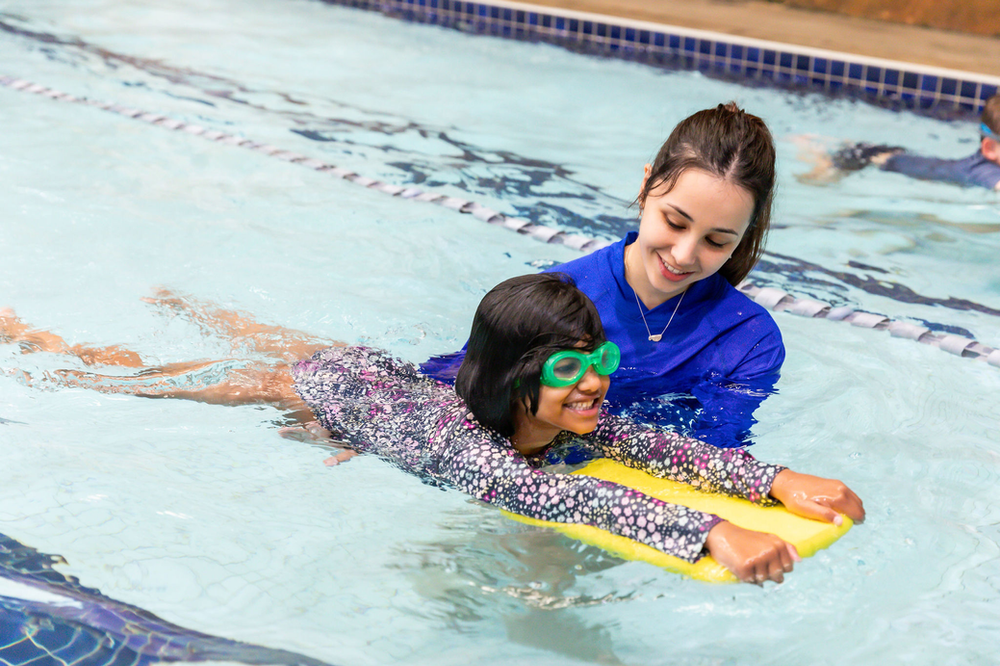
Yes. Beginner swimmers can benefit from intensive programs that focus on foundational skills like water comfort, floating, and basic movement. The key is that the course content is matched to the child's current level rather than pushing them ahead of where they are ready to go.
Can intensive courses run alongside regular lessons?
Yes, and that combination often produces the strongest outcomes. An intensive course addresses specific gaps and reinforces muscle memory, while ongoing regular lessons provide the consistent structure needed for long-term development.
When do Col Jones Swim Tempe intensive programs run?
Col Jones Swim Tempe offers school holiday intensive programs, which make use of the natural break in the school schedule to create daily lesson windows without disrupting a child's regular routine.