Eco-Friendly Swimming and Sustainable Pool Practices
Why Are Water Conservation Strategies Essential for Eco-Friendly Pool Operations?
Eco-conscious swimming minimizes environmental impact by pairing sustainable pool technologies—such as solar heating, advanced filtration, and water reclamation—with daily eco-friendly practices. These initiatives lower energy consumption, reduce chemical usage, and conserve water, allowing swim facilities to deliver safe, high-quality swim programs while preserving surrounding ecosystems and promoting long-term community sustainability.
Eco-friendly swimming focuses on reducing environmental impact through sustainable pool operations, water conservation, energy-efficient systems, and responsible facility management. Modern swim schools are increasingly adopting greener practices to balance high-quality swimming environments with environmental responsibility.
At Col Jones Swim Tempe, sustainability initiatives include water conservation strategies, energy-efficient heating systems, recycling programs, and environmentally conscious facility operations designed to support both swimmers and the wider community.
Key Takeaways
- Eco-conscious swimming helps reduce water and energy waste.
- Sustainable pool practices support long-term environmental responsibility.
- Energy-efficient systems can lower emissions while maintaining pool comfort.
- Water conservation strategies help reduce unnecessary resource use.
- Environmental awareness can become part of the overall swimming experience.
Why Sustainability Matters in Swimming Facilities
Swimming facilities naturally consume significant amounts of water and energy, especially when operating heated pools and large filtration systems. As environmental awareness continues to grow, many swim schools are looking for ways to reduce their environmental footprint without compromising swimmer comfort or safety.
The original Col Jones Swim Tempe articles explain that sustainability has become an important part of the school’s operational approach. Rather than treating environmental responsibility as a separate initiative, the facility integrates sustainable practices into everyday operations.
This approach reflects a broader shift within the swimming industry toward balancing high-quality facilities with more responsible resource management.
Eco-conscious swimming is not only about reducing waste. It also involves creating long-term operational systems that improve efficiency while encouraging greater environmental awareness within the community.
How Water Conservation Supports Sustainable Swimming
Water conservation is one of the most important aspects of environmentally responsible pool management. In Australia especially, responsible water usage remains an ongoing priority because of climate conditions and long-term water sustainability concerns.
At Col Jones Swim Tempe, several water conservation measures are used to help reduce unnecessary water consumption. According to the school’s sustainability content, these initiatives include recycling backwash water for toilet facilities, maintaining pools carefully to prevent leaks, and covering pools to minimise evaporation.
These systems help reduce water loss while maintaining clean and comfortable swimming conditions for students.
Pool covers are particularly valuable because they help:
- reduce evaporation
- maintain water temperature
- decrease reheating requirements
This combination supports both water conservation and energy efficiency at the same time.
The school also emphasises the importance of ongoing maintenance, since even small leaks or inefficient systems can contribute to unnecessary long-term water waste.
Energy-Efficient Systems Help Reduce Environmental Impact
Heating swimming pools requires substantial energy, particularly in facilities operating heated indoor pools year-round. Because of this, energy efficiency has become an important focus for many modern swim facilities.
The original Col Jones Swim Tempe articles explain that the facility uses energy-efficient heat pumps designed to reduce emissions while maintaining comfortable swimming temperatures.
Unlike traditional heating systems, energy-efficient heat pumps transfer heat from surrounding air into pool water using less overall energy. This process helps reduce electricity consumption while still supporting a comfortable learning environment for swimmers.
At Col Jones Swim Tempe, pool covers also contribute to energy efficiency by reducing heat loss throughout the day. According to the school’s content, pools are covered for large portions of the day to help retain warmth and reduce reheating demands.
These combined strategies help create:
- lower energy usage
- reduced emissions
- improved operational efficiency
- more sustainable pool management
Recycling and Waste Reduction Play an Important Role
Sustainable facility management extends beyond water and energy use. Waste reduction and recycling are also important parts of environmentally responsible operations.
The Col Jones Swim Tempe sustainability articles describe recycling initiatives that include recycling paper hand towels and improving waste management practices throughout the facility.
While these actions may appear small individually, consistent recycling practices can contribute to:
- reduced landfill waste
- lower resource consumption
- improved environmental awareness
- cleaner community spaces
Sustainability often becomes more effective when multiple smaller operational improvements work together as part of a broader environmental strategy.
Environmental Awareness Can Be Part of Swimming Education
One of the more valuable aspects of eco-conscious swimming is the opportunity to encourage environmental awareness within the swimming community itself.
The original Col Jones Swim Tempe content explains that the school aims to promote sustainability awareness among students and families alongside swimming education.
When children regularly see:
- recycling systems
- water-saving practices
- sustainable facility operations
they often become more familiar with environmentally responsible habits in everyday life.
This type of exposure can help reinforce the idea that environmental responsibility is something practical and achievable rather than abstract or disconnected from daily routines.
How Col Jones Swim Tempe Supports Eco-Conscious Swimming
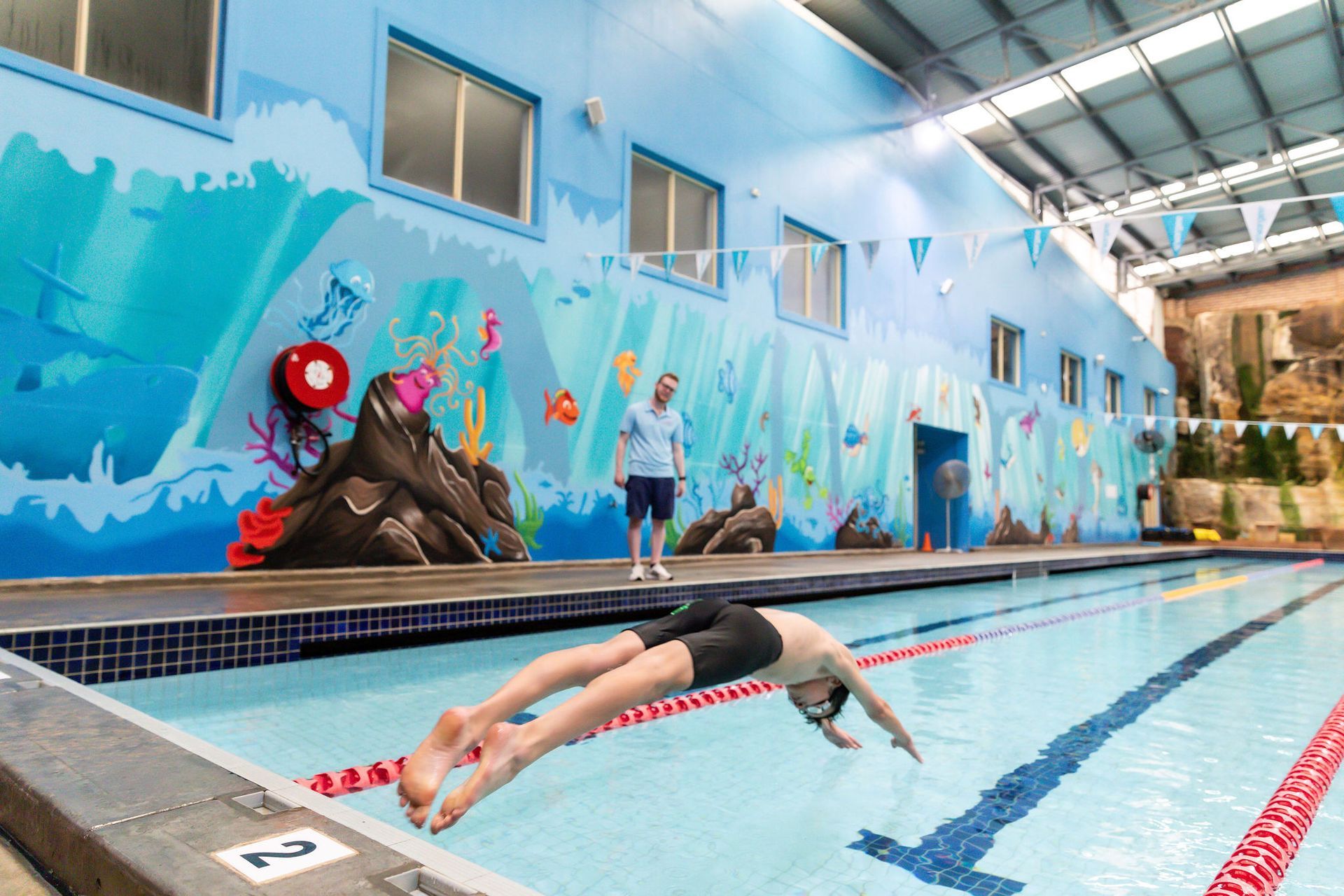
Col Jones Swim Tempe has served the Inner West Sydney community for more than 50 years while continuing to invest in environmentally conscious operational practices. The school operates multiple heated pools and incorporates sustainability measures designed to balance swimmer comfort with responsible resource management.
Its sustainability initiatives include:
- energy-efficient heat pumps
- pool covers for heat retention
- water recycling systems
- leak prevention maintenance
- recycling and waste reduction practices
The school’s long-term approach demonstrates how swimming facilities can integrate sustainability into everyday operations while continuing to provide high-quality swimming instruction and water safety education.
Sustainable Swimming Practices at Col Jones Swim Tempe
| Sustainability Area | Eco-Conscious Practice |
|---|---|
| Water conservation | Recycling and evaporation reduction |
| Energy efficiency | Heat pumps and pool covers |
| Waste reduction | Recycling initiatives |
| Pool maintenance | Leak prevention and efficiency checks |
| Community awareness | Environmental education support |
| Facility operations | Sustainable resource management |
Instructor Expertise
Written by the Col Jones Swim Team with experience supporting sustainable swimming operations, environmentally conscious facility management, and long-term community-focused swimming education.
Final Thoughts
Eco-conscious swimming helps balance quality swimming experiences with responsible environmental practices through water conservation, energy efficiency, recycling initiatives, and sustainable facility management. As environmental awareness continues to grow, sustainable swimming operations are becoming increasingly important within the aquatic industry.
At Col Jones Swim Tempe, eco-conscious initiatives are integrated into everyday operations to support both swimmer comfort and environmental responsibility while promoting a greener future for the wider community.
Looking for a Swim School That Supports Sustainability?
Discover how Col Jones Swim Tempe combines high-quality swimming instruction with eco-conscious facility practices designed to support water conservation, energy efficiency, and a greener swimming environment.
Explore our swim programs or book a swimming assessment today.
Frequently Asked Questions
What is eco-conscious swimming?
Eco-conscious swimming refers to environmentally responsible swimming practices that focus on reducing water waste, energy use, and environmental impact through sustainable facility operations.
How do swimming pools conserve water?
Swimming facilities can conserve water through leak prevention, pool covers, water recycling systems, and efficient maintenance practices.
Why are energy-efficient pool systems important?
Energy-efficient systems help reduce electricity consumption and emissions while maintaining comfortable swimming conditions for swimmers.
Can swim schools promote environmental awareness?
Yes. Swim schools can encourage sustainable habits by integrating recycling, conservation practices, and environmental education into facility operations and community engagement.