Floatation Aids for Young Swimmers: Safety & Confidence
How Do Floatation Aids Help Reduce
Anxiety in Beginner Swimmers?
Floatation aids assist young swimmers by providing body buoyancy, reducing anxiety, and allowing beginners to focus on core mechanics like kicking, balance, and breath control. When used properly as temporary teaching tools, these devices build early water confidence while helping children safely transition toward independent swimming and proper stroke technique.
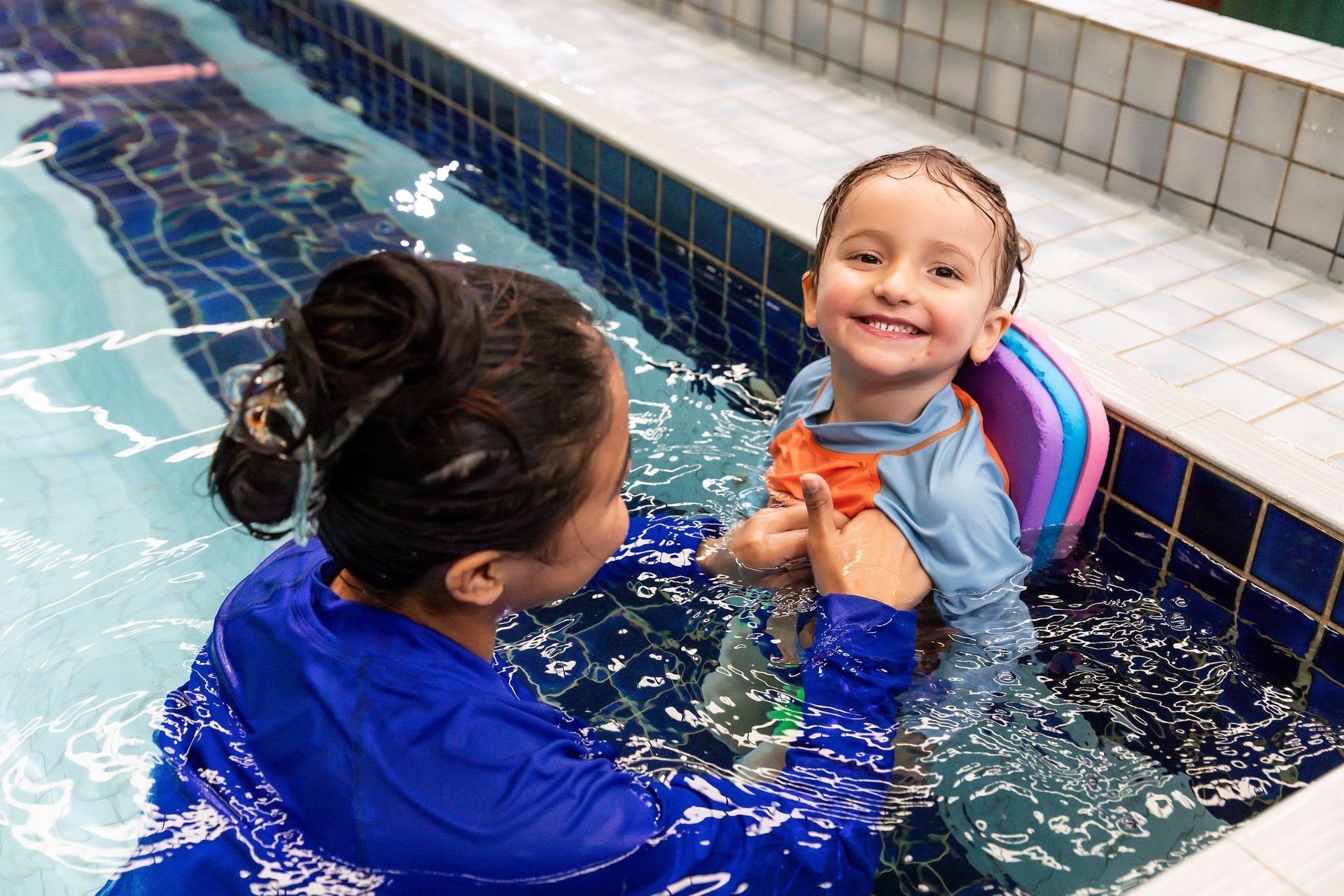
Floatation aids for young swimmers help children build water confidence, improve comfort in the pool, and support early swimming skill development in a safer learning environment. Beginner swimmers often feel more secure when using floatation devices because the added support allows them to focus on floating, kicking, breathing, and body positioning without becoming overwhelmed.
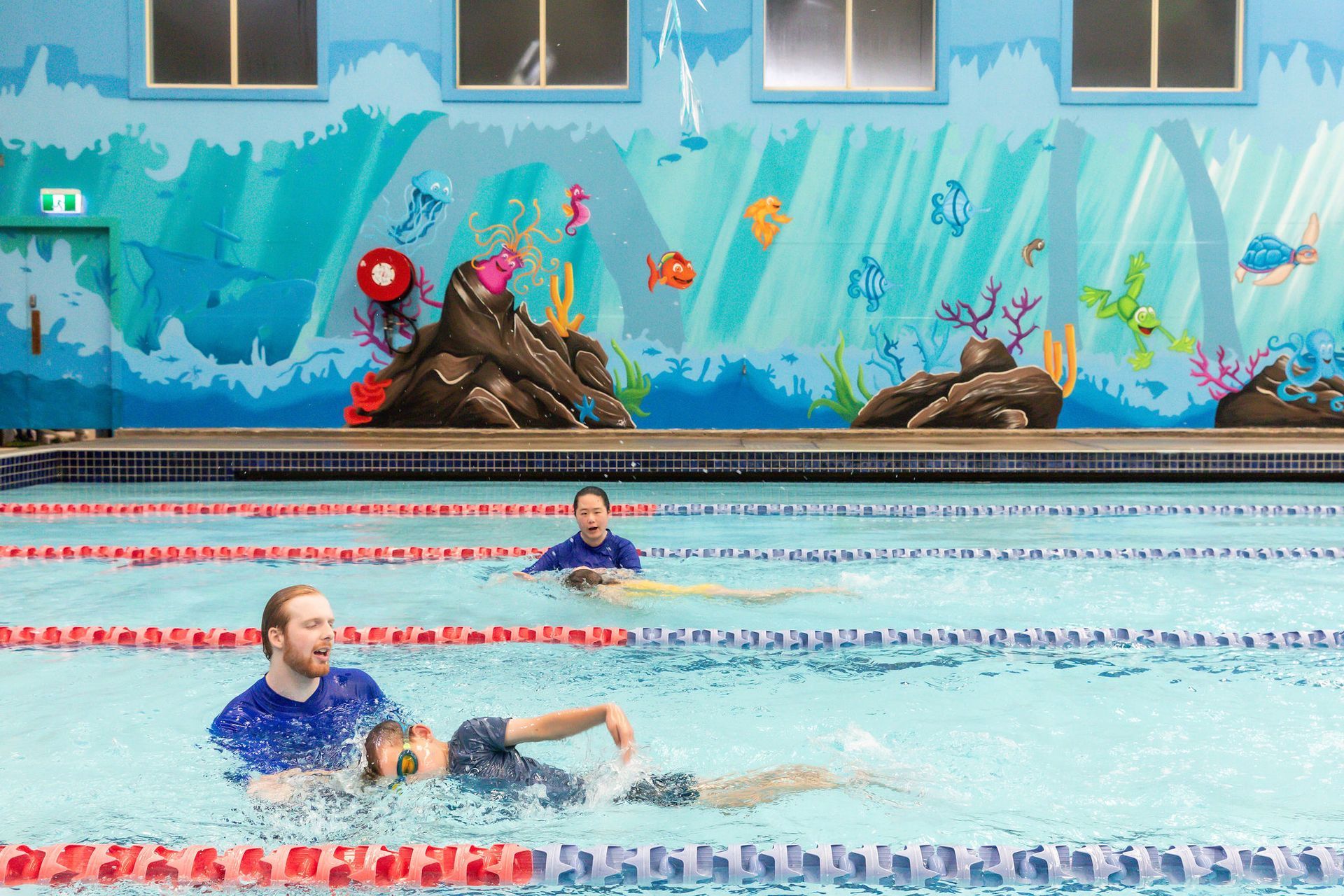
At Col Jones Swim Tempe, floatation aids are used as supportive teaching tools that help swimmers gradually develop confidence and independence while learning essential swimming and water safety skills.
Key Takeaways
- Floatation aids help beginner swimmers feel safer and more comfortable in the water.
- Swimming aids support confidence, balance, and early skill development.
- Structured lessons help swimmers gradually reduce reliance on floatation support.
- Supportive instruction helps children transition toward independent swimming.
- Floatation aids work best when combined with proper swimming guidance and progression.
Why Floatation Aids Help Beginner Swimmers
For many children, the water can feel unfamiliar during the early stages of learning to swim. Floatation aids help reduce that initial uncertainty by giving swimmers additional support while they practise foundational skills.
This added stability often allows children to:
- relax more comfortably
- focus on movement
- practise floating safely
- build confidence gradually
Many beginner swimmers become more willing to participate in lessons once they feel physically supported in the water. That sense of comfort can make learning feel more enjoyable and less intimidating.
How Floatation Aids Support Swimming Skill Development
Floatation aids are most effective when they are used as part of a structured learning process rather than as permanent support devices.
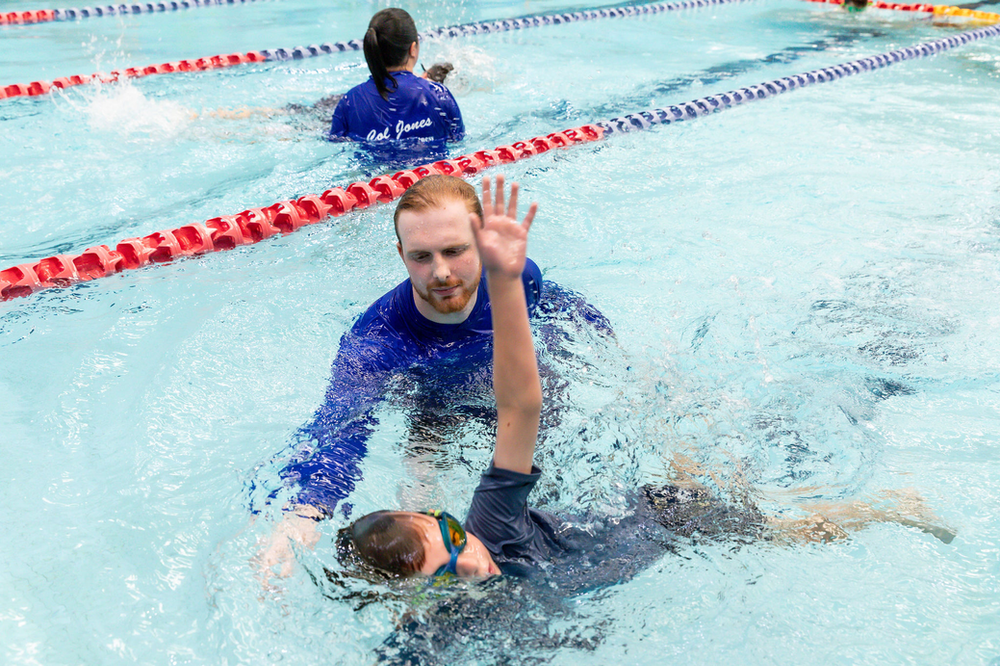
At Col Jones Swim Tempe, instructors use floatation aids strategically to help swimmers isolate and practise individual
skills such as:
- kicking technique
- floating
- breathing control
- body positioning
- balance in the water
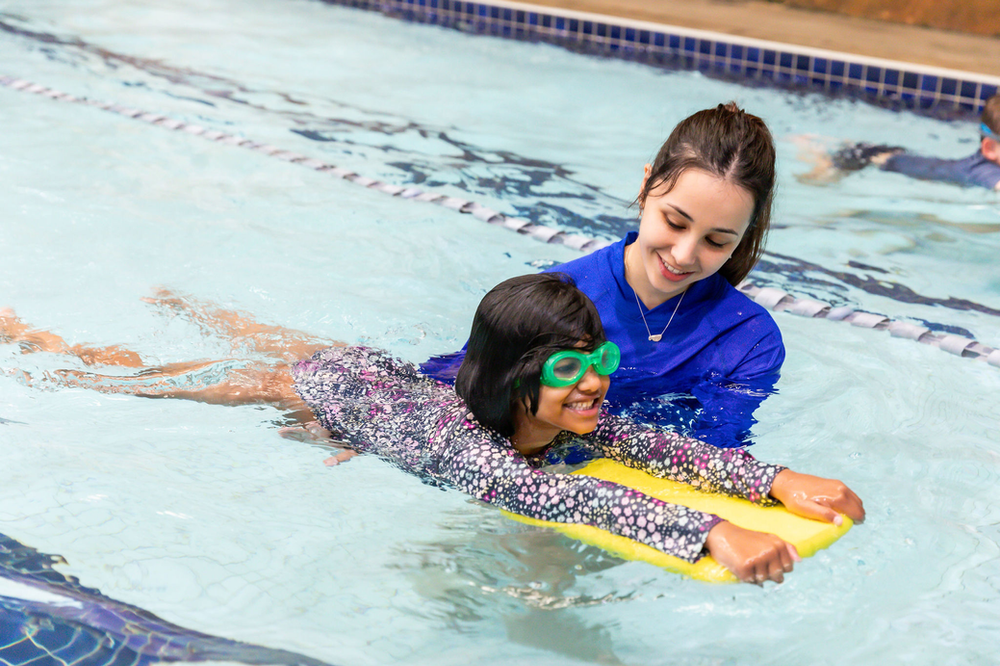
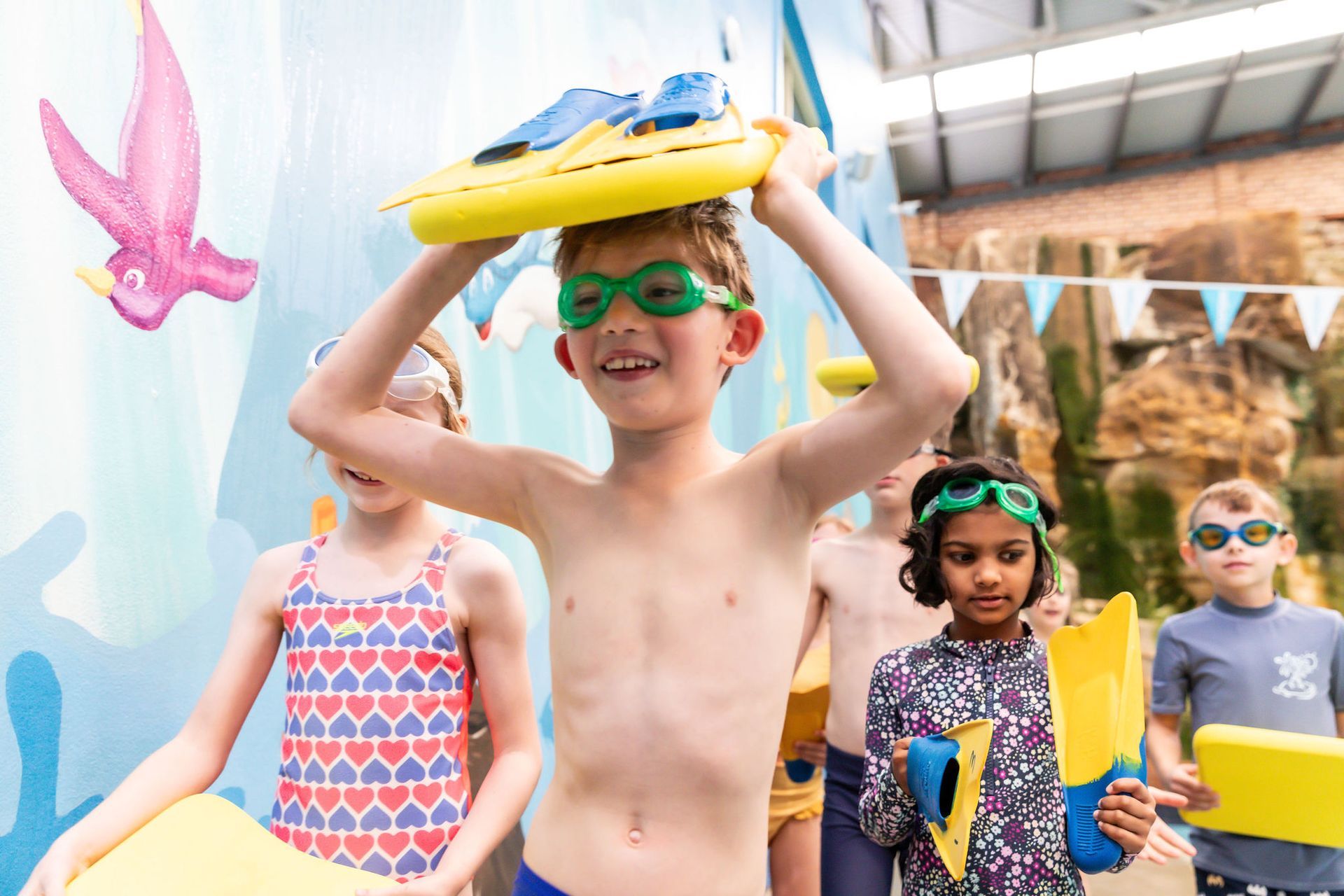
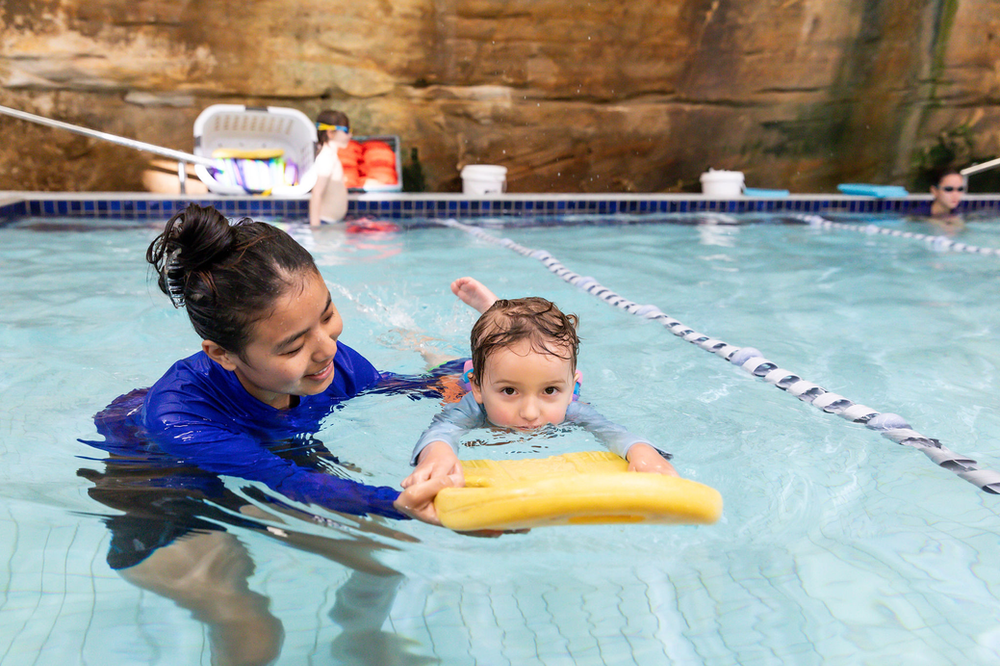
For example, kickboards help swimmers focus on lower-body movement without worrying about arm coordination, while swim belts can support body positioning during early stroke practice.
This targeted skill development helps swimmers build stronger technique and confidence progressively.
Building Water Confidence Through Gradual Support
Confidence is one of the most important parts of learning to swim. Children who feel calm and supported in the water are often more willing to practise new skills and participate actively during lessons.
Floatation aids can help swimmers:
- reduce fear
- improve comfort
- stay balanced more easily
- focus on movement patterns
- experience small successes consistently
As swimmers become more comfortable, instructors gradually reduce support levels to encourage greater independence in the water. This gradual progression helps swimmers build trust in their own abilities over time.
Common Types of Floatation Aids
| Floatation Aid | Purpose |
|---|---|
| Kickboards | Help swimmers practice kicking technique |
| Swim belts | Support body positioning and balance |
| Pool noodles | Assist floating and water familiarization |
| Arm floaties | Provide temporary upper-body support |
| Back bubbles | Encourage body alignment during practice |
Why Gradual Independence Matters
While floatation aids are useful learning tools, swimmers also need opportunities to practise moving independently in the water.
At Col Jones Swim Tempe, lessons are structured to help swimmers:
- reduce dependence on support devices gradually
- build independent floating ability
- improve balance naturally
- strengthen coordination
- develop genuine swimming confidence
This progression-focused approach helps children develop long-term swimming ability rather than becoming overly reliant on flotation support.
The Role of Supportive Swimming Instructors
Supportive instructors are essential when introducing floatation aids to beginner swimmers.
Experienced swim instructors help by:
- selecting appropriate support tools
- adapting lessons to confidence levels
- encouraging gradual progression
- reinforcing proper technique
- creating a calm learning environment
Positive reinforcement and guided instruction help swimmers feel encouraged while building confidence and skill consistency.
How Col Jones Swim Tempe Uses Floatation Aids
At Col Jones Swim Tempe, floatation aids are integrated into structured swimming lessons designed to support:
- water confidence
- foundational technique
- gradual progression
- water safety awareness
- independent swimming development
The swim school’s teaching approach focuses on helping swimmers become comfortable in the water while progressively strengthening their skills and confidence.
Instructor Expertise
Written by the Col Jones Swim Team with experience helping beginner swimmers build water confidence, improve swimming technique, and transition gradually toward independent swimming through structured swim lessons.
Final Thoughts
Floatation aids for young swimmers can play an important role in helping children feel safer, more confident, and more comfortable during the early stages of learning to swim. When used properly within structured swimming lessons, floatation aids support confidence, skill development, and gradual progression toward independent swimming.
At Col Jones Swim Tempe, swimmers are guided through supportive, progression-focused lessons that help them build water confidence and long-term swimming ability in a safe and encouraging environment.
Ready to Help Your Child Build Water Confidence?
Explore swimming lessons designed to help young swimmers build confidence, improve technique, and develop essential water safety skills at Col Jones Swim Tempe.
Book a swimming assessment or discover our learn-to-swim programs today.
Frequently Asked Questions About Floatation Aids for Young Swimmers
Are floatation aids good for beginner swimmers?
Yes. Floatation aids can help beginner swimmers feel safer and more comfortable while learning foundational swimming skills.
Do floatation aids help children build confidence?
Yes. Additional support often helps children relax and focus on practising movement, floating, and breathing skills more comfortably.
Can swimmers become too reliant on floatation aids?
If used incorrectly, overreliance can happen. Structured lessons help swimmers gradually reduce dependence on floatation support while developing independent swimming skills.
What floatation aid is best for beginner swimmers?
Different aids suit different needs. Kickboards, swim belts, noodles, and back bubbles are commonly used depending on the swimmer’s age and skill level.