Lifelong Benefits of Learning to Swim for Children
Why Is Swimming One of the Best Exercises
for Motor Skill Development?
Learning to swim provides lifelong benefits, including drowning prevention, low-impact cardiovascular fitness, joint health, and improved motor skills. Beyond physical health, swimming fosters mental resilience, emotional confidence, and stress relief—equipping individuals with essential survival techniques and a versatile aquatic skill set that supports an active, healthy lifestyle across all age groups.
The
lifelong benefits of learning to swim include improved water safety, physical fitness, confidence, resilience, and healthy lifelong habits. Swimming helps children develop essential life skills that extend far beyond the pool, supporting physical, emotional, and social development from childhood through adulthood.
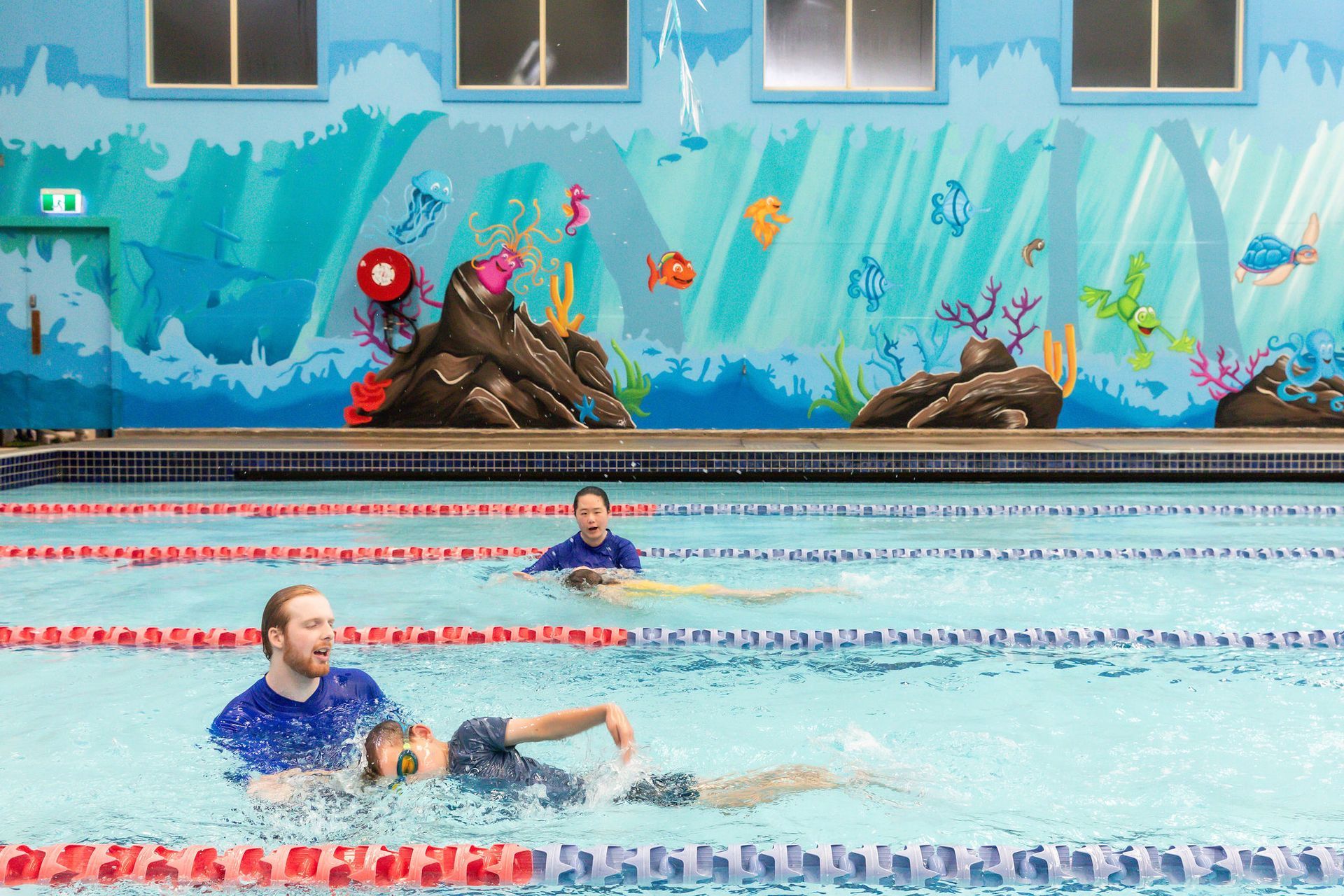
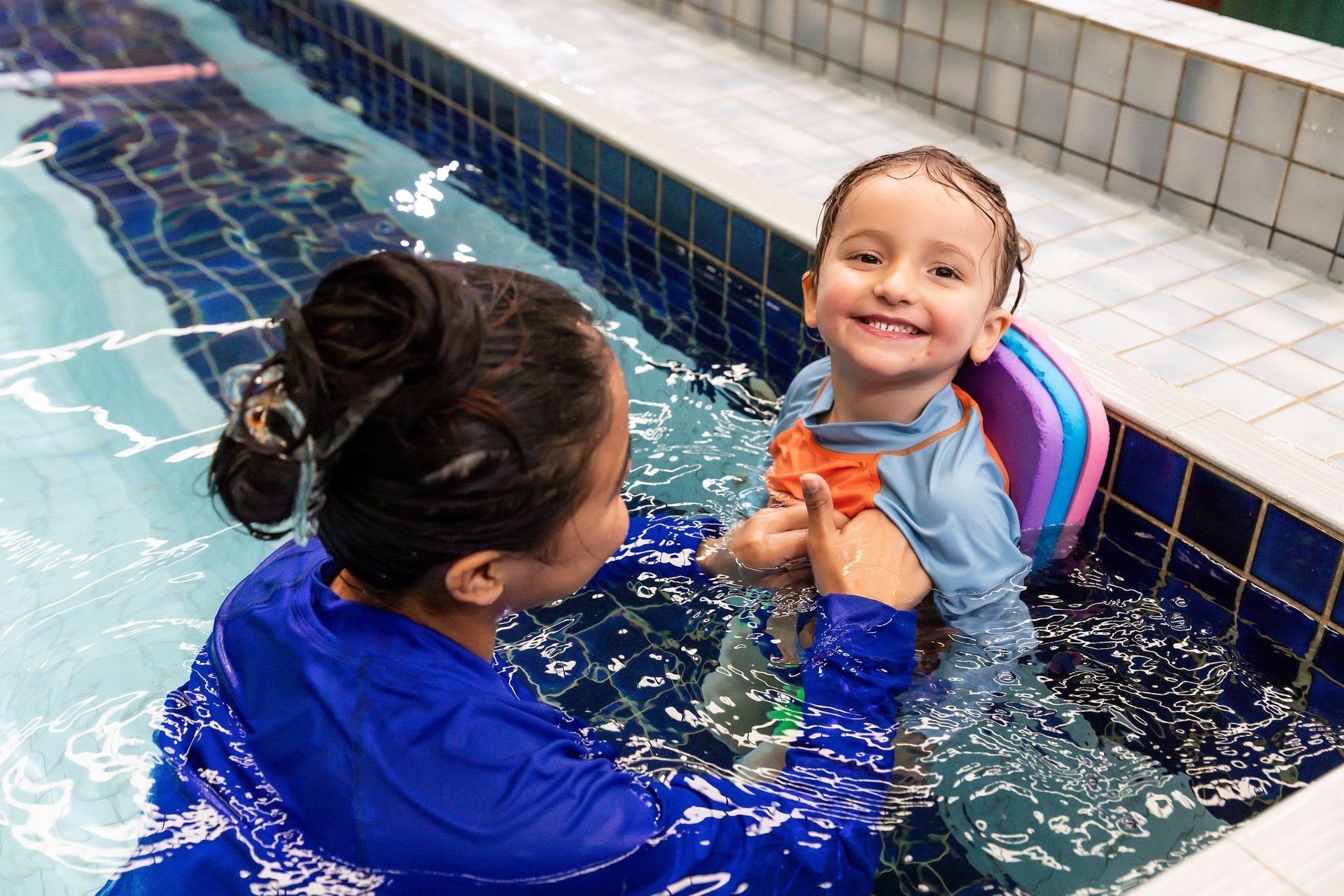
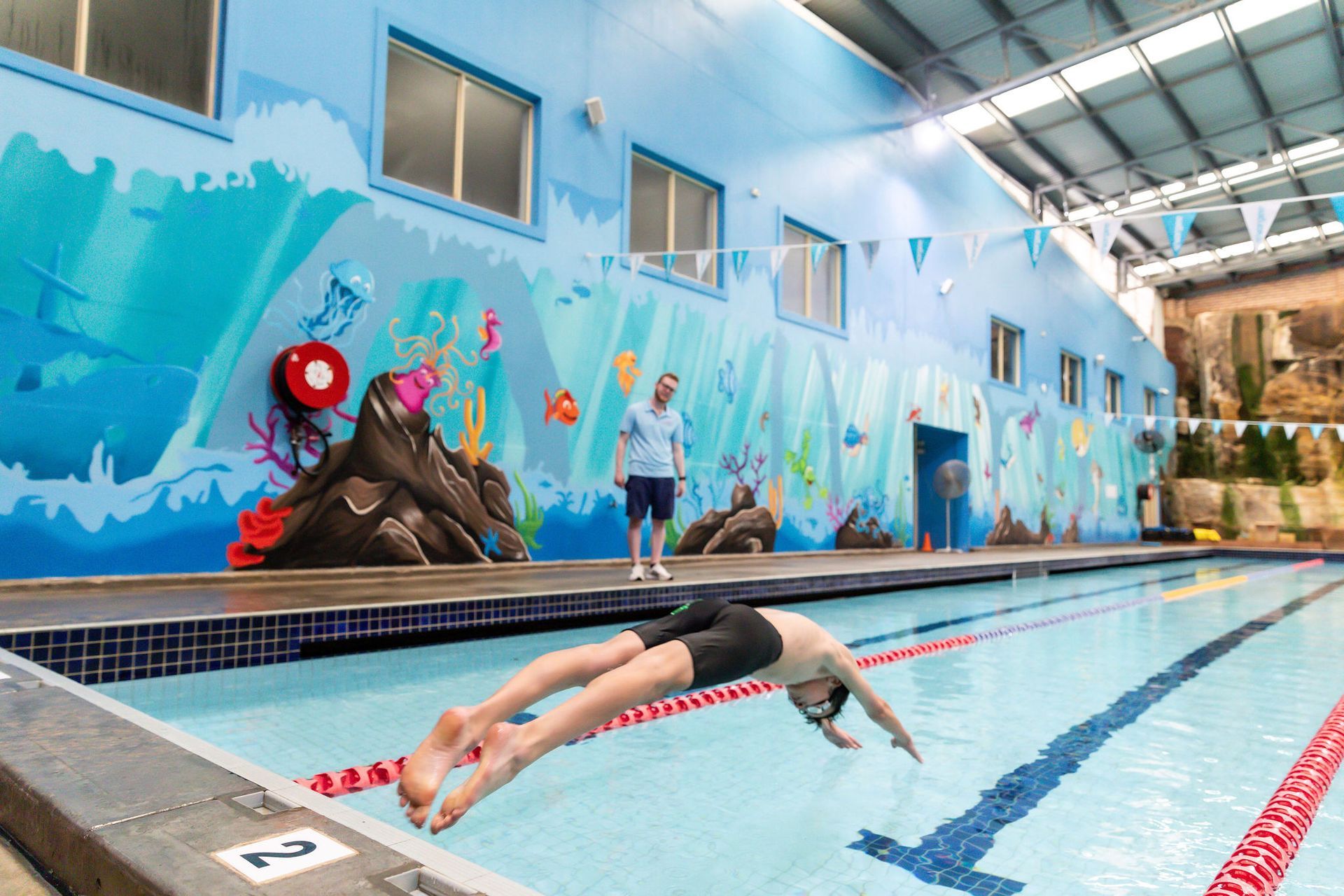
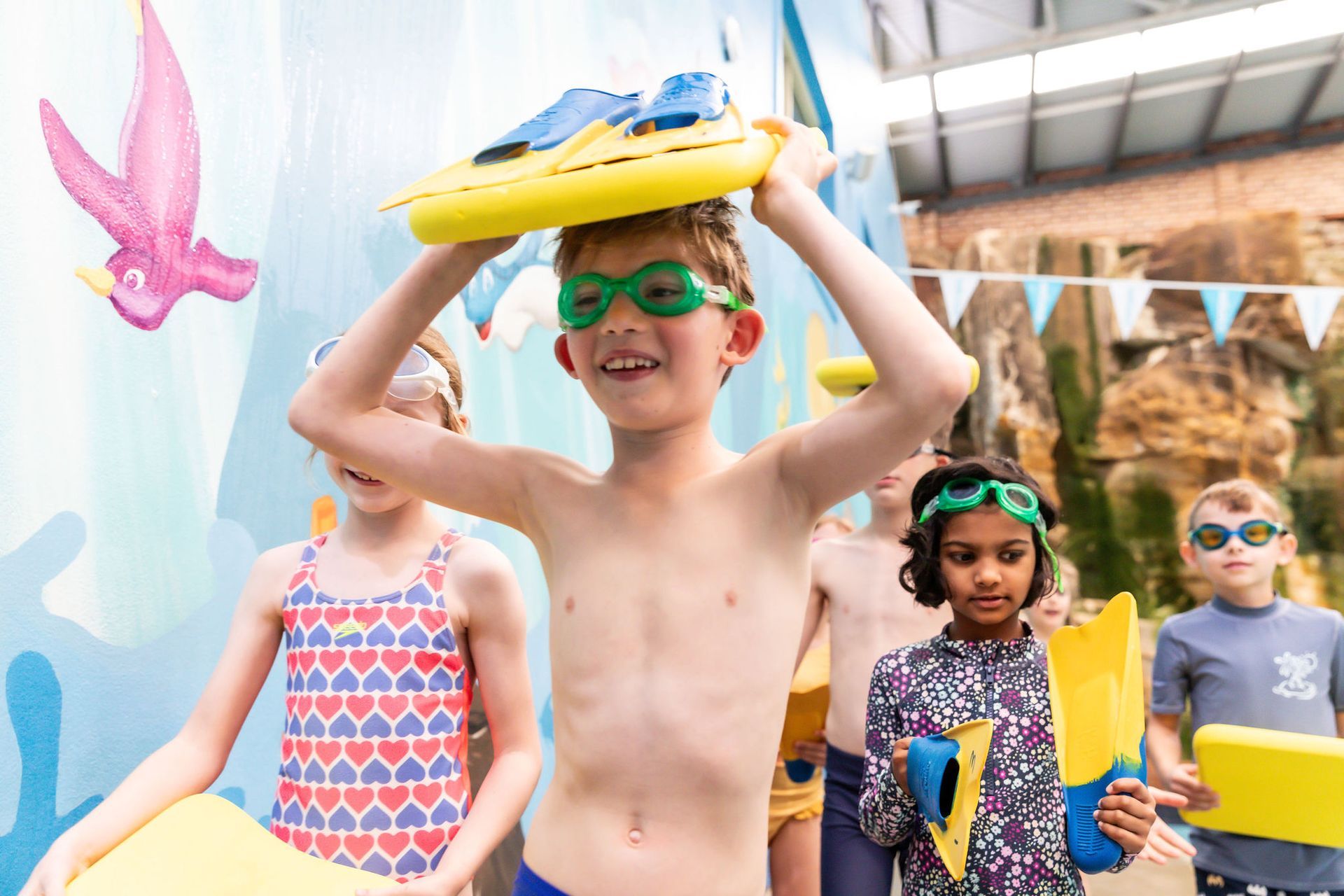
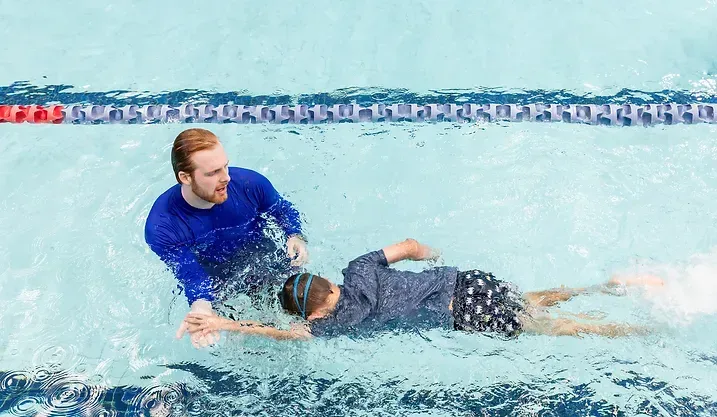
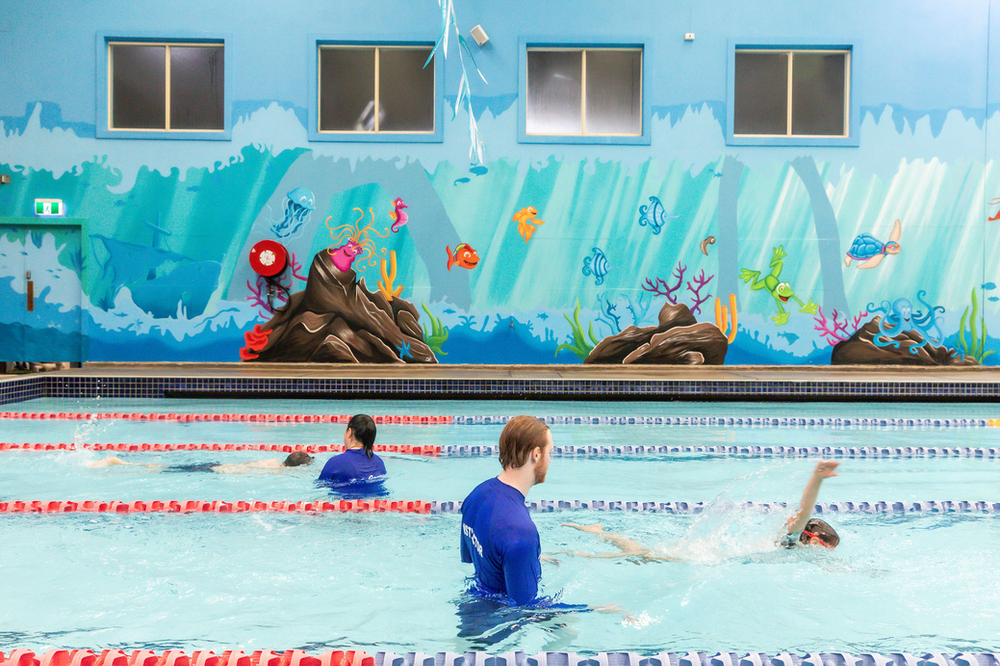
At Col Jones Swim Tempe, structured swimming lessons focus on building water competency, confidence, and long-term swimming ability in a supportive learning environment designed for swimmers of all ages and skill levels.
Key Takeaways
- Learning to swim supports lifelong water safety and confidence.
- Swimming helps children build strength, endurance, and coordination.
- Regular swim lessons promote healthy exercise habits from an early age.
- Swimming supports emotional resilience, focus, and self-confidence.
- Structured swimming lessons help children develop lifelong skills in and out of the water.
Why Swimming Is a Lifelong Skill
Swimming is more than a recreational activity. It is an important life skill that supports safety, health, confidence, and physical development throughout life. In Australia especially, water competency is essential because many families regularly spend time around pools, beaches, rivers, and other aquatic environments.
Children who learn to swim early often develop:
- stronger water awareness
- improved confidence
- better physical coordination
- safer swimming habits
- a positive relationship with exercise
Unlike some sports that become difficult later in life, swimming is a low-impact activity that many people continue enjoying well into adulthood.
Water Safety and Water Competency
One of the most important lifelong benefits of learning to swim is water safety.
Swimming lessons help children develop essential water competency skills such as:
- floating
- treading water
- controlled breathing
- safe pool movement
- safe entry and exit techniques
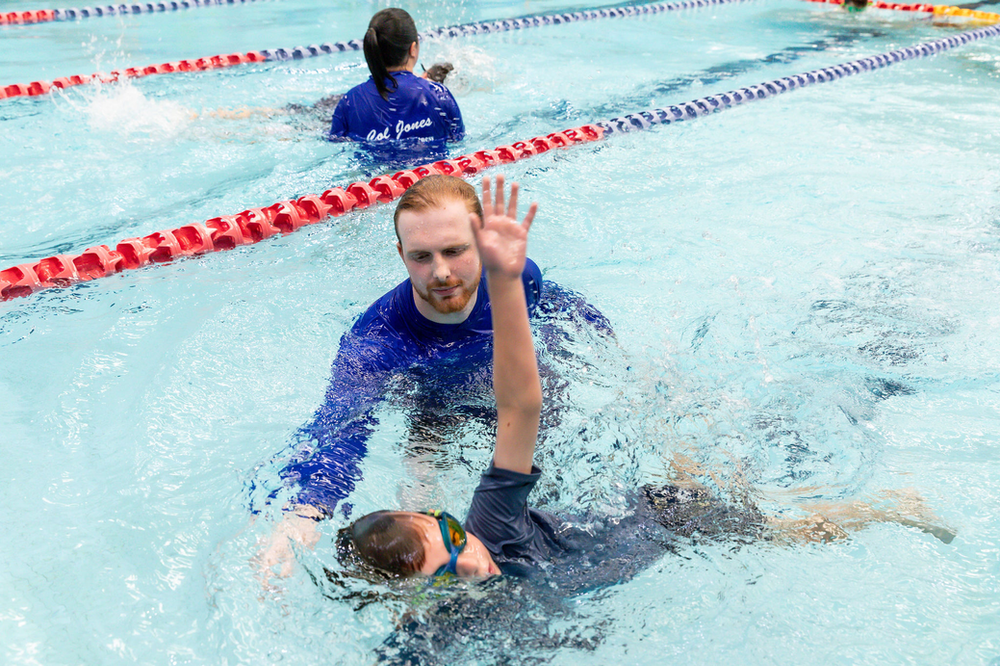
At Col Jones Swim Tempe, instructors focus on helping swimmers build practical safety awareness alongside swimming technique. Lessons are designed to support confidence and preparedness in different aquatic situations.
Many beginner swimmers become more comfortable and responsive in the water after consistently practising foundational safety skills in a familiar learning environment.
Swimming Supports Lifelong Physical Fitness
Swimming is a full-body activity that supports long-term physical health and fitness.
Regular swimming can help children improve:
- cardiovascular endurance
- muscle strength
- flexibility
- coordination
- overall fitness
Because water provides natural resistance while reducing impact on joints, swimming is often considered one of the most sustainable lifelong forms of exercise.
Children who develop positive experiences with swimming early often build healthier long-term attitudes toward physical activity and exercise.
How Swimming Builds Confidence and Resilience
Swimming lessons also support emotional growth and resilience.
Learning new swimming skills requires:
- patience
- repetition
- focus
- problem-solving
- perseverance
As swimmers overcome challenges gradually, they often develop stronger confidence and self-belief. Many children experience a sense of achievement when mastering skills such as floating independently, breathing control, or swimming short distances confidently.
These experiences can help children become more resilient both in and out of the water.
Social and Emotional Benefits of Swimming
Swimming lessons can also help children develop important social skills.
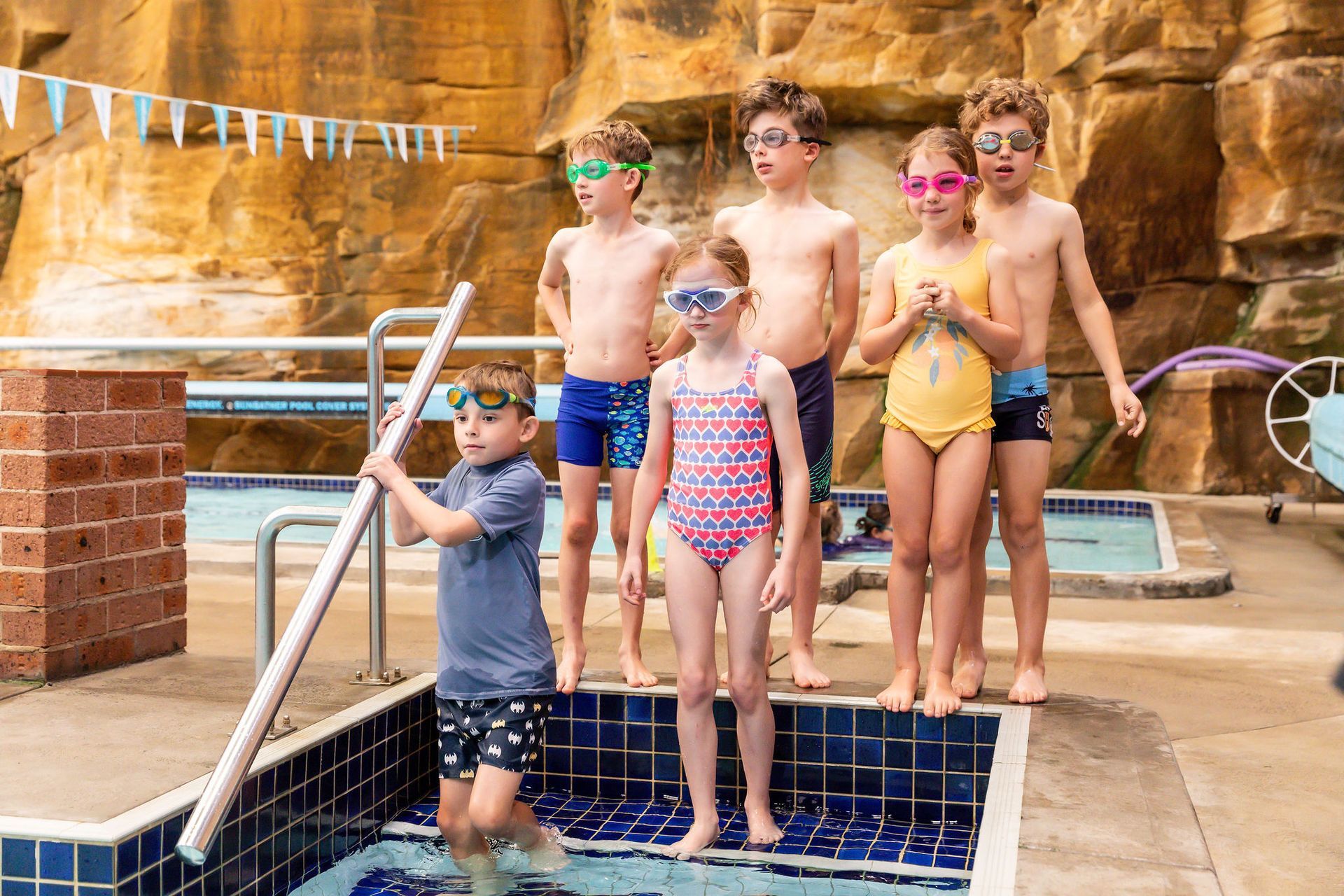
Group lessons encourage swimmers to:
- listen to instructions
- interact with peers
- practise teamwork
- build communication skills
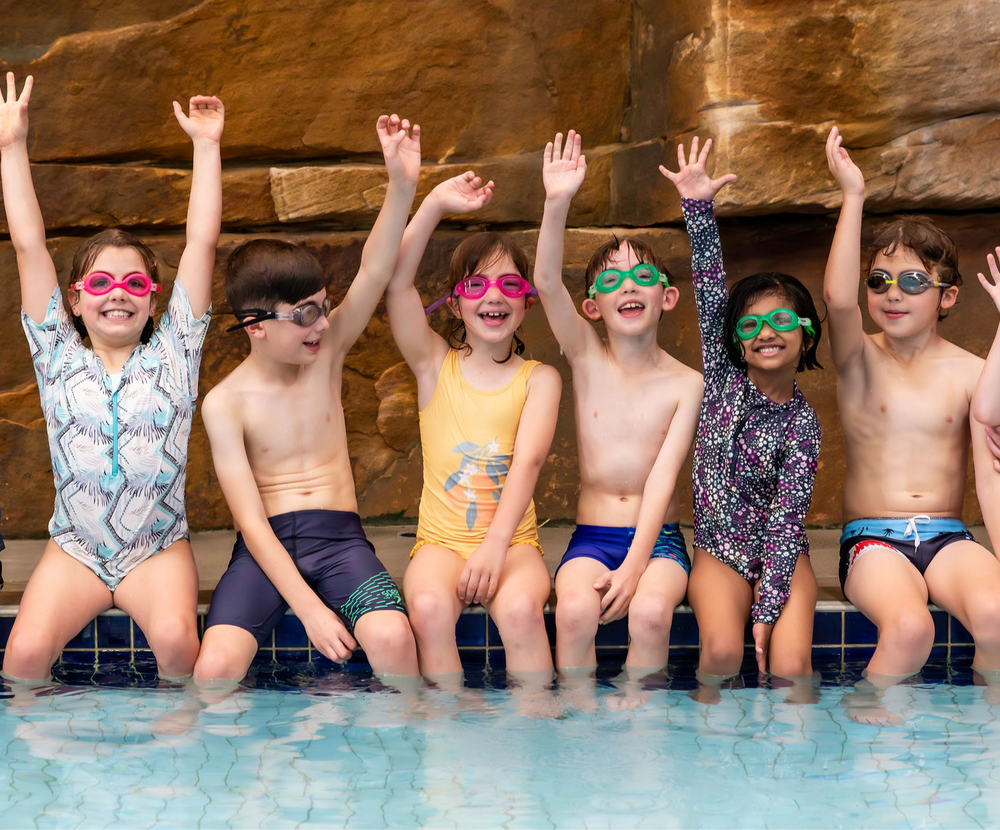
- develop confidence in group environments
Supportive lesson environments help children feel encouraged while learning alongside other swimmers at similar skill levels.
Many children also develop a lifelong enjoyment of aquatic activities through positive early swimming experiences.
Physical and Emotional Benefits of Swimming
| Swimming Benefit | Long-Term Impact |
|---|---|
| Water competency | Improves water safety awareness |
| Physical fitness | Supports lifelong health and exercise |
| Confidence building | Encourages self-belief and resilience |
| Coordination development | Improves body control and movement |
| Social interaction | Strengthens communication skills |
| Swimming endurance | Builds long-term activity habits |
Why Structured Swimming Lessons Matter
Structured swimming lessons help children progress more consistently because skills are taught gradually and systematically.
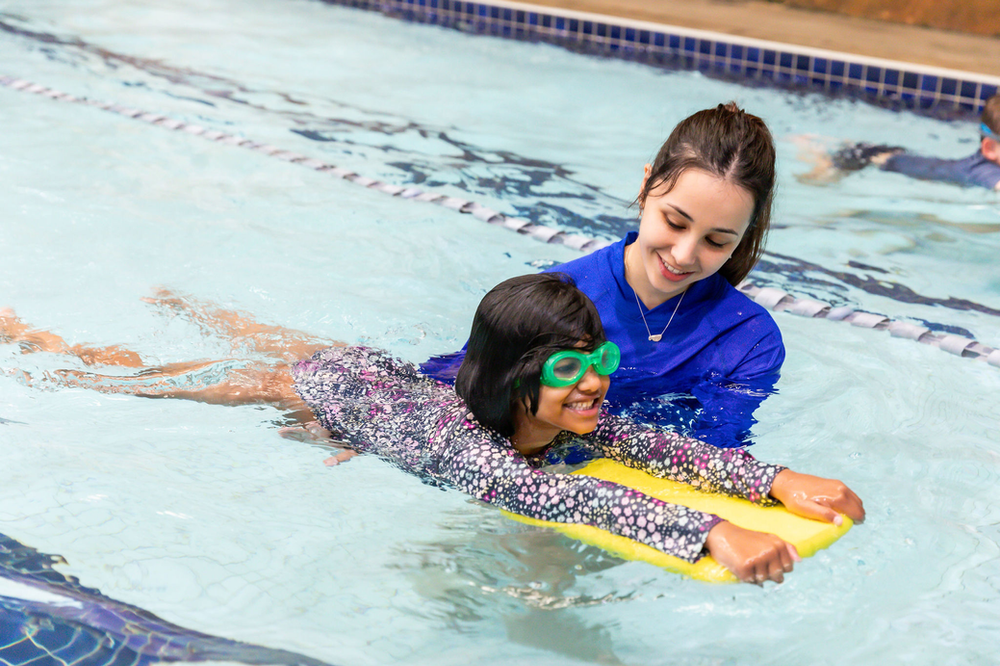
At Col Jones Swim Tempe, swimmers progress through structured levels focused on:
- water confidence
- technique development
- breathing control
- safety awareness
- stroke progression
The school’s progressive teaching model helps swimmers strengthen foundational skills before advancing into more complex techniques.
This step-by-step progression often helps children feel more successful and motivated during lessons.
Building a Healthy Relationship With Exercise
One of the lesser-discussed lifelong benefits of learning to swim is developing a healthy attitude toward movement and exercise.
Swimming can help children:
- enjoy physical activity
- build active habits
- reduce sedentary behaviour
- develop routine and consistency
- associate exercise with enjoyment
Positive experiences in swimming lessons often encourage children to remain physically active as they grow older.
How Col Jones Swim Tempe Supports Lifelong Swimming Development
Col Jones Swim Tempe has served the Inner West Sydney community for more than 50 years through structured learn-to-
swim programs designed for swimmers of different ages and abilities.
Programs focus on:
- water confidence
- progressive skill development
- swimming technique
- water safety
- long-term swimming growth
The swim school’s structured teaching model and experienced instructors help swimmers build confidence and lifelong swimming ability in a supportive environment.
Instructor Expertise
Written by the Col Jones Swim Team with experience helping swimmers build water confidence, improve swimming ability, and develop lifelong water safety and fitness skills through structured swimming programs.
Final Thoughts
The lifelong benefits of learning to swim extend far beyond the pool. Swimming supports water safety, physical fitness, confidence, emotional resilience, and healthy lifelong habits that can positively impact children as they grow.
At Col Jones Swim Tempe, structured swimming lessons are designed to help swimmers develop essential skills progressively while building confidence, safety awareness, and a lifelong connection with swimming and physical activity.
Ready to Help Your Child Build Lifelong Swimming Skills?
Explore structured swimming lessons designed to support water safety, confidence, fitness, and long-term swimming development at Col Jones Swim Tempe.
Book a swimming assessment or discover our learn-to-swim programs today.
Frequently Asked Questions About the Lifelong Benefits of Learning to Swim
Why is swimming considered a lifelong skill?
Swimming supports water safety, fitness, confidence, and physical health throughout life. It is also a low-impact activity that people can continue into adulthood.
How does swimming help children long term?
Swimming helps children build water safety skills, confidence, coordination, resilience, and healthy exercise habits that may benefit them throughout life.
Does swimming improve physical fitness?
Yes. Swimming is a full-body activity that supports endurance, flexibility, muscle strength, and cardiovascular fitness.
Why are structured swimming lessons important?
Structured lessons help swimmers develop skills progressively and safely while building confidence and strong swimming foundations over time.