Understanding Our Swim Levels: From Beginner to Squad
Key Takeaways
- Structured 4-Stage Pathway: Navigating structured swim levels takes young bathers seamlessly through Beginner, Improver, Advanced, and Squad Training stages.
- Purpose-Built Multi-Pool System: Progressive stages utilize three distinct indoor heated pools, matching water depth and distance to each child's developing confidence.
- Foundational Safety First: Beginner stages focus strictly on unassisted floating balance, bubble control, and deep-water emergency safety reflexes.
- Complete Stroke Refinement: Advanced and Squad levels introduce all four competitive strokes—freestyle, backstroke, breaststroke, and butterfly—alongside flip turns and race pacing.
- Community Heritage: Operating in Inner West Sydney, facilities like Col Jones Swim Tempe blend 50+ years of teaching expertise with modern parent progress tracking.
Introduction
Understanding our structured swim levels helps families guide their children through a proven four-stage progression pathway: Beginner, Improver, Advanced, and Squad Training. Utilizing three specialized, heated pools, the program guides children from foundational water safety and unassisted floating to technical stroke refinement, competitive race strategies, and squad endurance in a supportive environment at Col Jones Swim Tempe.
A clear curriculum progression eliminates confusion for parents and young swimmers alike. Rather than rushing children into deep water before they are ready, structured stages ensure foundational buoyancy and safety habits are mastered first.
When children train in environments matched directly to their physical skills, learning feels natural and rewarding. Purpose-built facilities and certified instructors provide the perfect setting for students to build lifelong water confidence at their own pace.
What Skills Are Taught in the Beginner Swim Level?
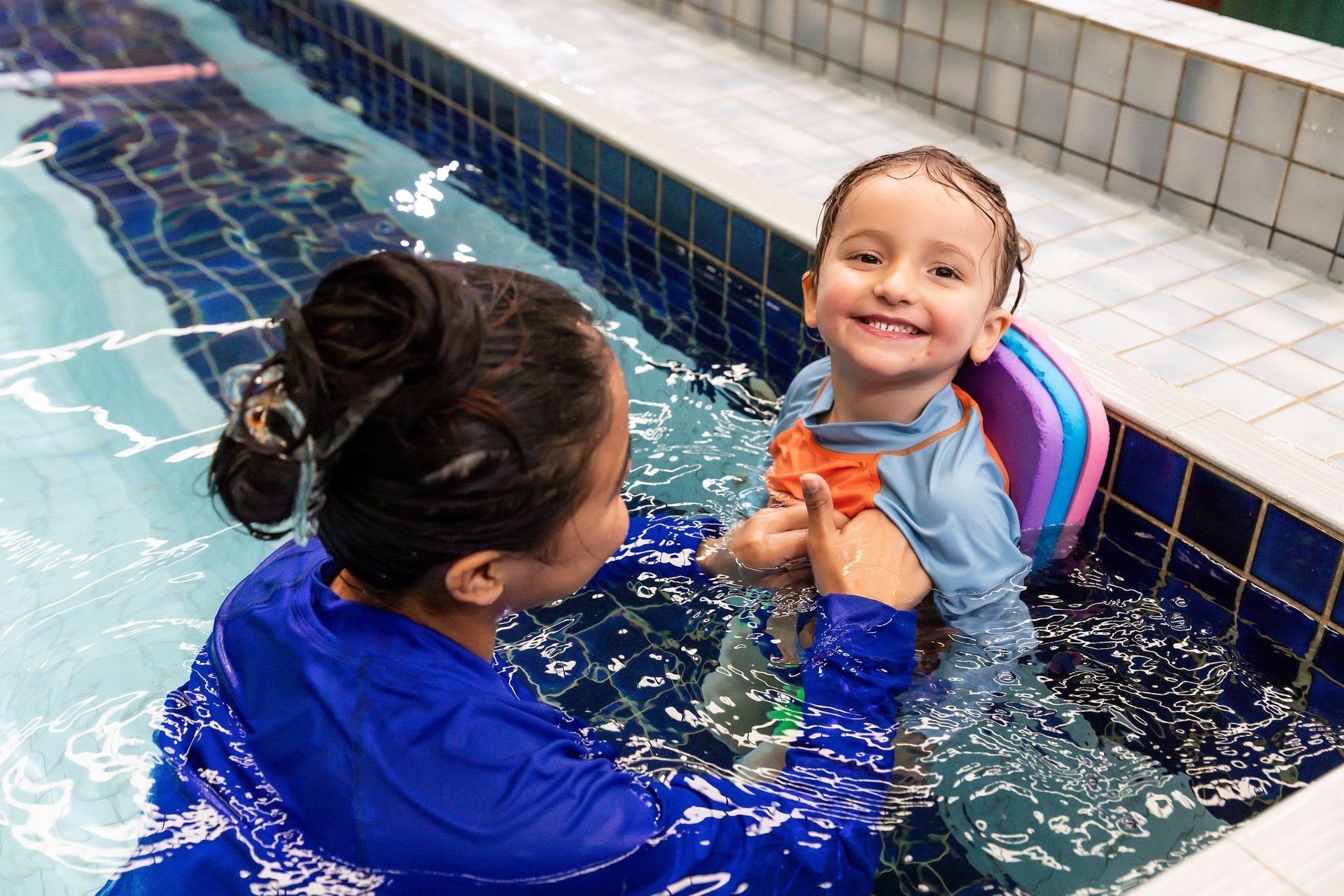
The Beginner level focuses on building water confidence, essential safety habits, and basic floating mechanics in a calm setting. For young children entering the pool for the first time, establishing physical security in the water is the absolute highest priority.
Core competencies developed at the Beginner level include:
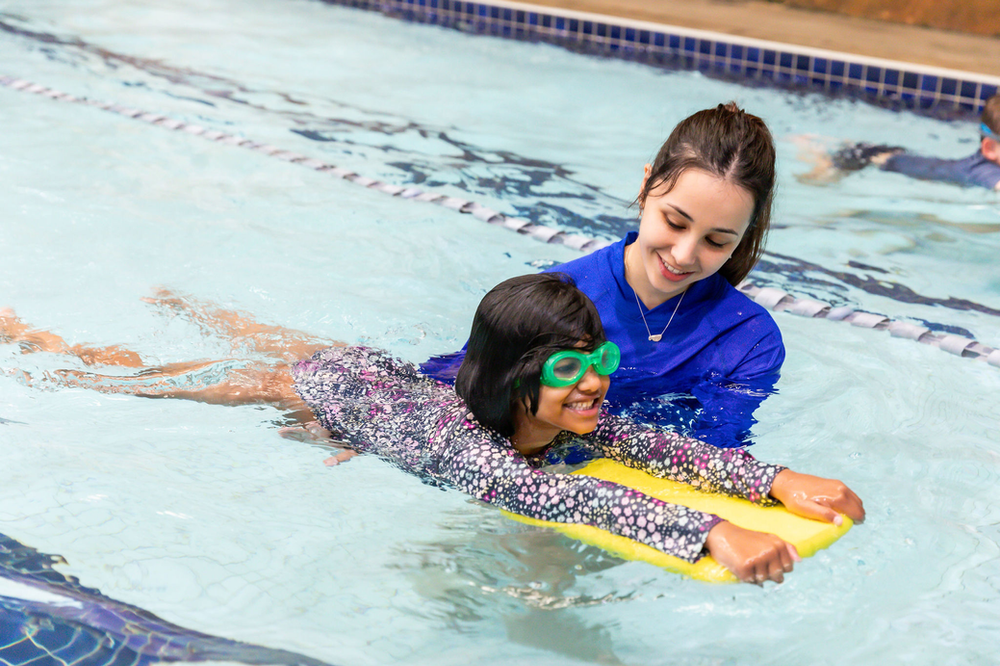
- Small Beginner Pool Setting: Lessons are conducted in warm, shallow water so young learners can touch the bottom easily and feel completely secure.
- Unassisted Independent Floating: Teaches buoyant back and front floats, establishing the core horizontal balance needed for all future stroke work.
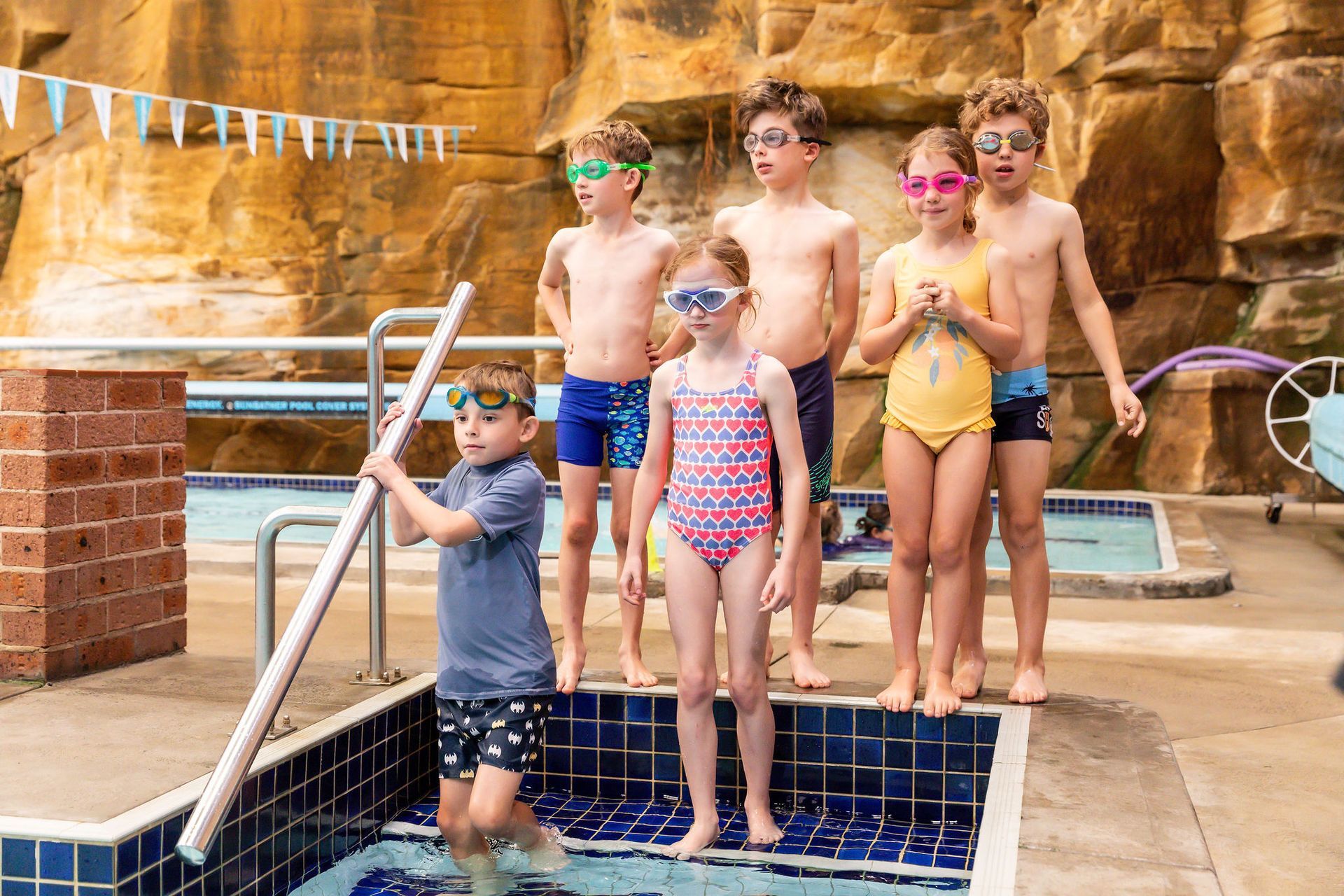
- Water Safety Fundamentals: Introduces vital pool rule awareness, safe edge entry and exit techniques, and gentle, guided submersions.
- Rhythmic Breath Control: Uses playful bubble-blowing drills to teach children how to manage their airways without swallowing water or panicking.
Training in extra-warm, shallow water removes thermal discomfort and physical tension. Because children can touch the pool floor whenever they wish, they relax their shoulders and trust their body's natural buoyancy.
Mastering back floating is a critical life-saving milestone. Instructors ensure every beginner can roll onto their back to keep their airways clear before advancing to deeper water environments.
How Does the Improver Level Transition Swimmers to Deeper Water?
The Improver stage introduces structured stroke mechanics and breathing rhythms within an intermediate-depth pool. Once a student demonstrates reliable floating balance, they are ready to develop unassisted propulsion across longer distances.
Key skills mastered during the Improver level:
- Teaching Improver Pool Environment: Designed with extra swimming space and intermediate depth to allow unrestricted kicking, arm rotation, and reaching drills.
- Rhythmic Side Breathing: Helps children coordinate side-breathing mechanics with arm strokes without interrupting their forward propulsion momentum.
- Introductory Stroke Mechanics: Focuses on the physical coordination required for flutter kicking alignment, freestyle arm recovery, and continuous backstroke.
- Deep-Water Acclimation: Gradually introduces intermediate depths, building mental confidence in water that covers the swimmer's chest.
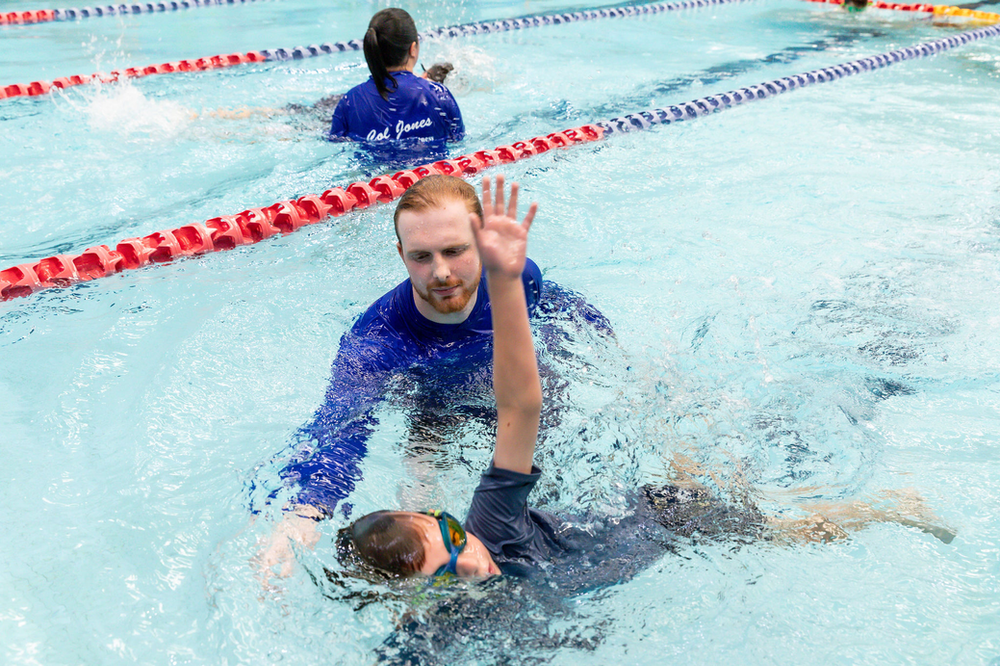
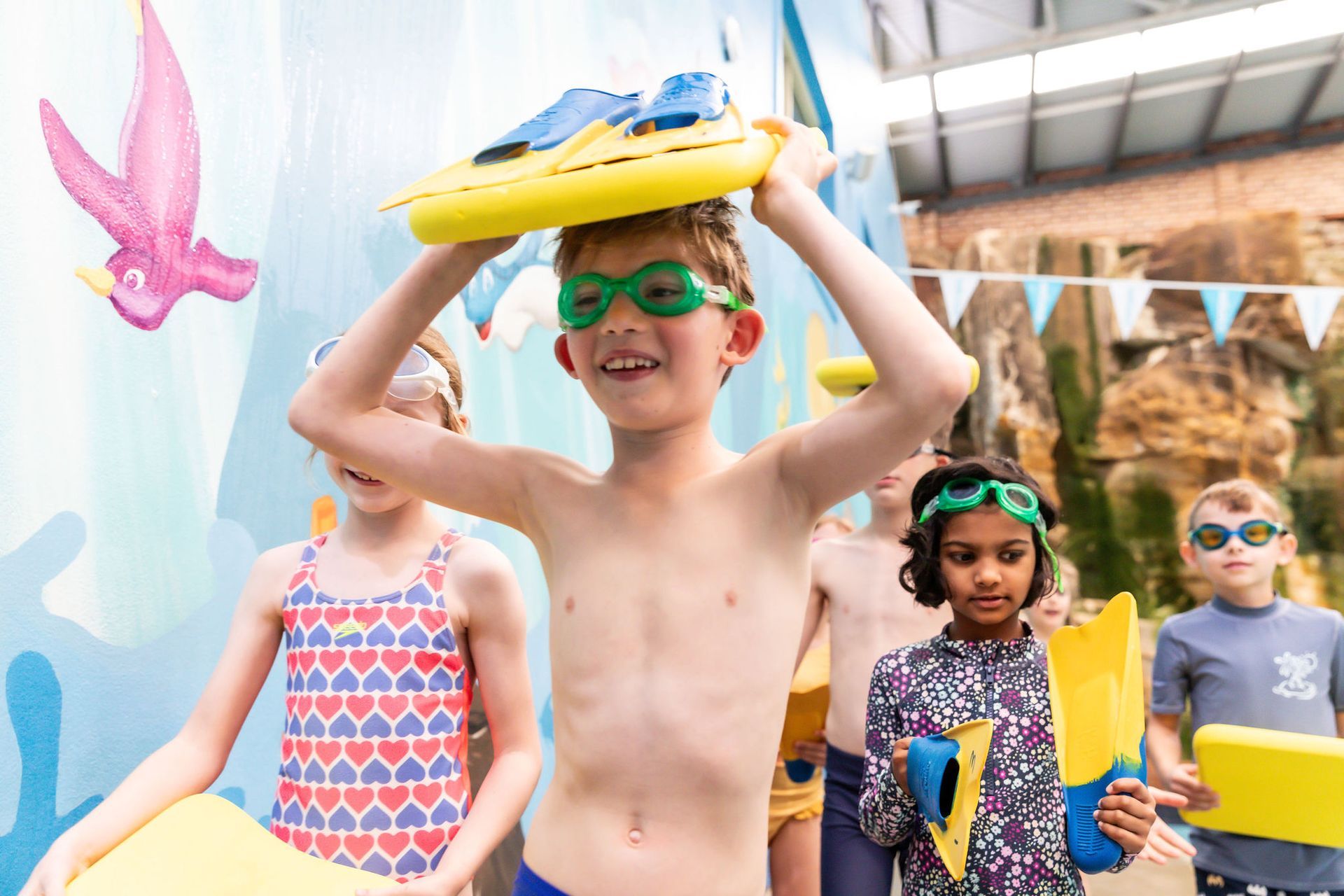
Transitioning into an improver pool challenges students to maintain horizontal body posture while moving. Instructors utilize kickboards and pull buoys to isolate kicking rhythm from arm rotation.
Learning side breathing is often the biggest hurdle for developing swimmers. Dedicated improver lanes allow students to practice head rotation timing without the distraction of heavy lap traffic.
What Does the Advanced Level Focus On in the 25-Metre Lap Pool?
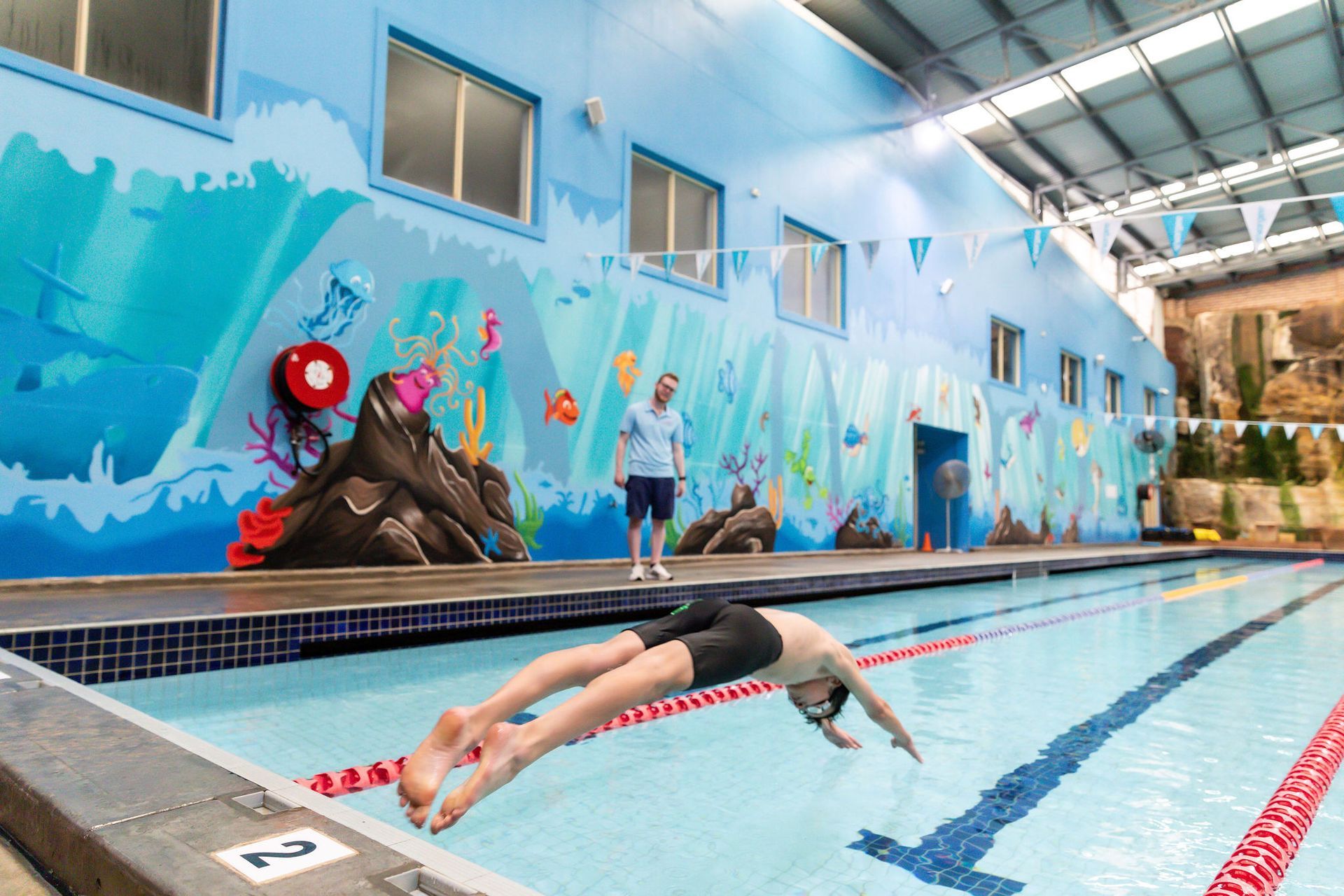
The Advanced level challenges swimmers with technical drills, all four competitive strokes, and stamina building. Moving into a full-length, deep-water pool marks a significant milestone in a young swimmer's athletic journey.
Advanced level curriculum priorities include:
- Complete Stroke Portfolio Mastery: Refines freestyle and backstroke efficiency while introducing formal breaststroke kick timing and butterfly dolphin mechanics.
- Precision Technical Drills: Uses length-based drills in the 25-metre pool to improve body posture, reduce drag, and maximize stroke distance per breath.
- Stamina and Endurance Conditioning: Prepares young athletes to swim continuous multi-lap sets without experiencing mechanical form breakdown or fatigue.
- Deep-Water Safety Competency: Solidifies advanced survival skills, including long-duration treading water, deep-water surface dives, and energy-conserving survival backstrokes.
Swimmers in the Advanced stage learn how to maintain streamlined body positions across 25-metre lengths. Instructors focus heavily on stroke efficiency, teaching students how to move through the water with minimal drag.
Mastering breaststroke and butterfly expands athletic versatility. Developing timing and rhythm across all four competitive strokes builds overall cardiovascular endurance and muscular strength.
How Does Squad Training Prepare Swimmers for Competitive Racing?
Squad training shifts focus toward race conditions, speed, pacing, and team collaboration. Designed for swimmers who have mastered all four strokes, squad sessions transform technique into athletic performance.
Key elements of the Squad Training curriculum:
- Competitive Race Mechanics: Teaches explosive dive starts off blocks, streamlined tumble turns, underwater dolphin kicking, and precise race finishes.
- Simulated Race Conditions: Builds mental focus, sportsmanship, and aerobic endurance through timed interval sets, pace-clock training, and relay races.
- Physical Conditioning and Pacing: Teaches athletes how to manage their energy reserves across different race distances, from 50-metre sprints to 400-metre endurance events.
- Community and Team Values: Fosters peer encouragement, squad discipline, and shared goals, creating a strong sense of athletic community on the pool deck.
Squad sessions introduce swimmers to the structure of formal athletic workouts. Learning to read pace clocks and perform group interval sets builds time management and self-discipline.
Furthermore, team dynamics encourage swimmers to push past physical boundaries. Training alongside peers fosters healthy competition while building lifelong friendships grounded in shared athletic dedication.
How Col Jones Swim Tempe Supports Progression
At Col Jones Swim Tempe, every student follows a structured pathway supported by world-class infrastructure. Serving Inner West Sydney since 1973, the facility provides an exceptional aquatic education tailored to every developmental milestone.
Progressive facility features:
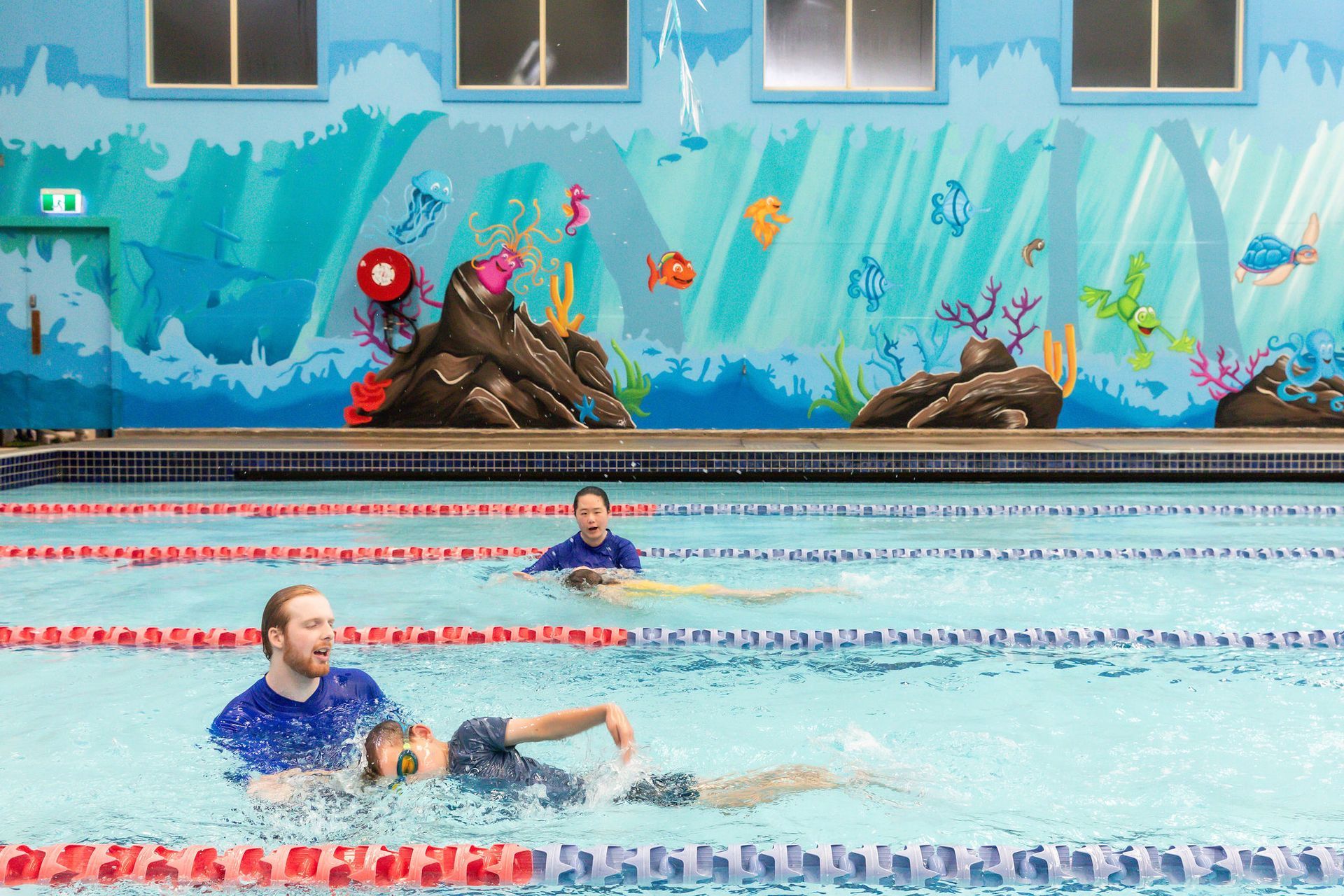
- Three Dedicated Indoor Pools: Purpose-built shallow beginner, intermediate improver, and 25-metre lap pools ensure children always swim at appropriate depths.
- AUSTSWIM-Accredited Coaches: Experienced instructors provide compassionate guidance, clear visual demonstrations, and immediate stroke corrections.
- Digital Parent Portal Tracking: Real-time skill updates via iClassPro allow parents to track level benchmark completions from their smartphones 24/7.
- Sustainable Eco-Infrastructure: Inverter heat pumps, thermal pool blankets, and paperless management keep facility operations green and comfortable.
By combining clear skill benchmarks with warm indoor pools, the center ensures that advancing through levels is transparent, encouraging, and rewarding for every family.
From an infant's first water splash to an athlete's final squad sprint, students develop life-saving safety habits, physical coordination, and unshakeable confidence.
Conclusion
Summary
Understanding our structured swim levels provides a clear, rewarding pathway from early water familiarization to athletic squad performance. Beginner levels utilize extra-warm, shallow pools to establish unassisted floating and water safety fundamentals without fear. As confidence grows, Improver and Advanced stages transition students into deeper water to master side breathing, horizontal coordination, and all four competitive strokes.
Squad Training completes the journey by refining dive starts, tumble turns, and interval pacing in a full 25-metre lap pool. Backed by over 50 years of community heritage, digital progress tracking, and purpose-built facilities, established icons like Col Jones Swim Tempe guide every child toward lifelong aquatic confidence and success.
Book a Strategy or Discovery Call
Discover the ideal swim level placement for your child and watch their water confidence soar. If you are ready to tour our multi-pool indoor facility, book a 10-minute swimming assessment, or enroll your family in upcoming term classes, contact our team today to speak with our friendly enrollment specialists.
Frequently Asked Questions
How do I know which swim level is right for my child?
We offer a quick 10-minute swimming assessment where our certified coaches evaluate your child's current water confidence, depth comfort, and stroke mechanics to place them in the perfect level.
How often do students advance to the next swim level?
Children progress at their own individual pace. Instructors continuously assess skill benchmarks, and parents can track real-time benchmark updates anytime through our online Parent Portal.
What happens when my child transitions to the deep 25-metre pool?
Transitioning to the 25-metre pool occurs only after a student demonstrates strong unassisted propulsion and deep-water comfort in the Improver pool, ensuring a safe, confident transition.
How warm are the pools across the different swim levels?
All three indoor pools at Col Jones Swim Tempe are fully enclosed and climate-controlled year-round, with beginner pools heated up to 32°C to keep young learners cozy and relaxed.
Can my child participate in Squad Training without competing in carnivals?
Absolutely! Squad Training is fantastic for building cardiovascular endurance, stroke precision, and overall physical fitness, whether a swimmer competes or swims for fun.