How We Save Energy and Water at Our Pool in Col Jones Swim Tempe
Key Takeaways
- Lower Emissions: Energy-efficient air-source heat pumps replace gas heaters to heat three pools with minimal carbon output.
- Heat Retention: Thermal pool covers are deployed for up to 80% of the day to stop surface evaporation and trap water heat.
- Smart Water Recycling: Treated pool and facility greywater is reused in toilet flushing systems to minimize municipal water draw.
- Community Involvement: Swimmers and families help protect the local environment through quick showers, waste sorting, and digital portals.
Introduction
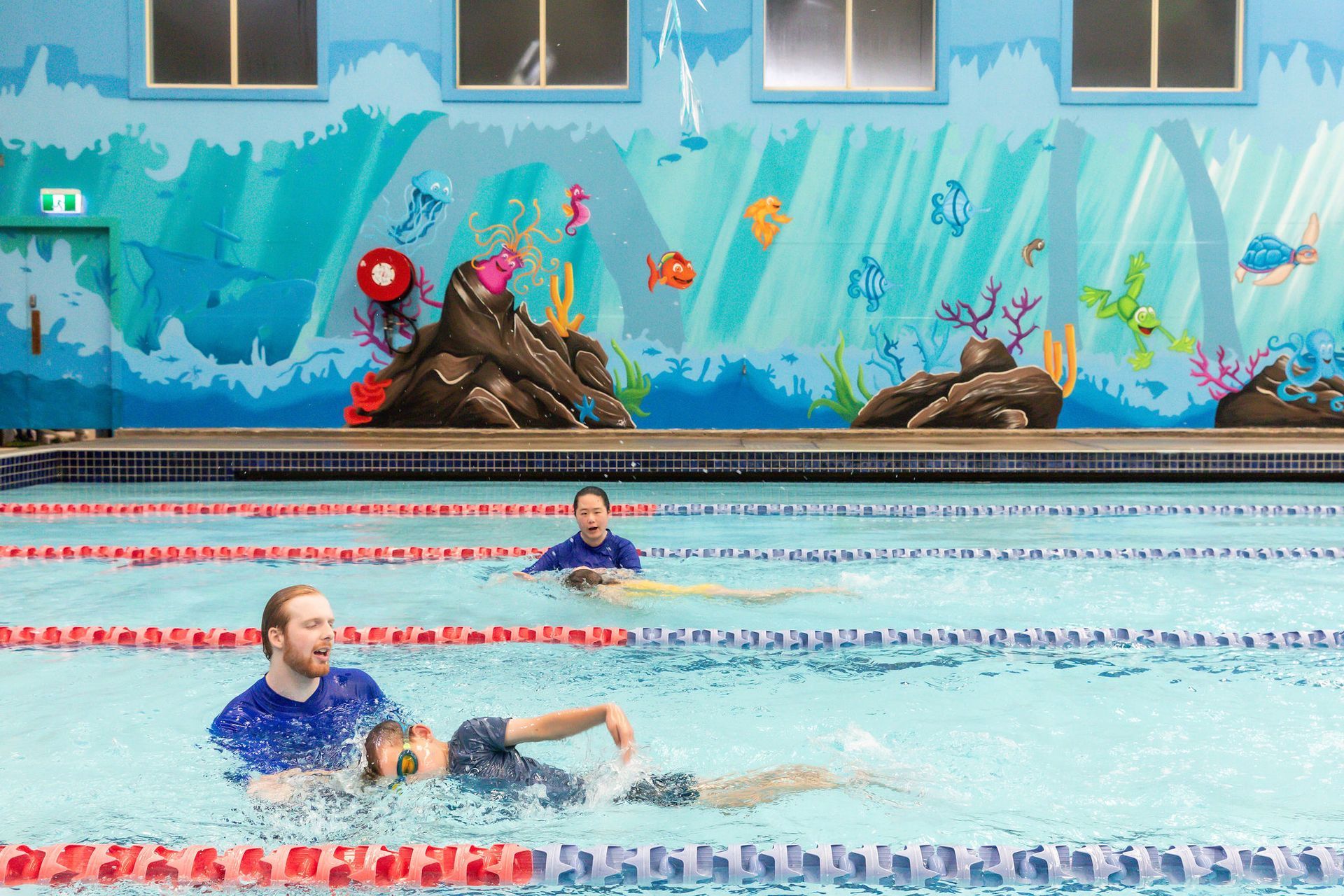
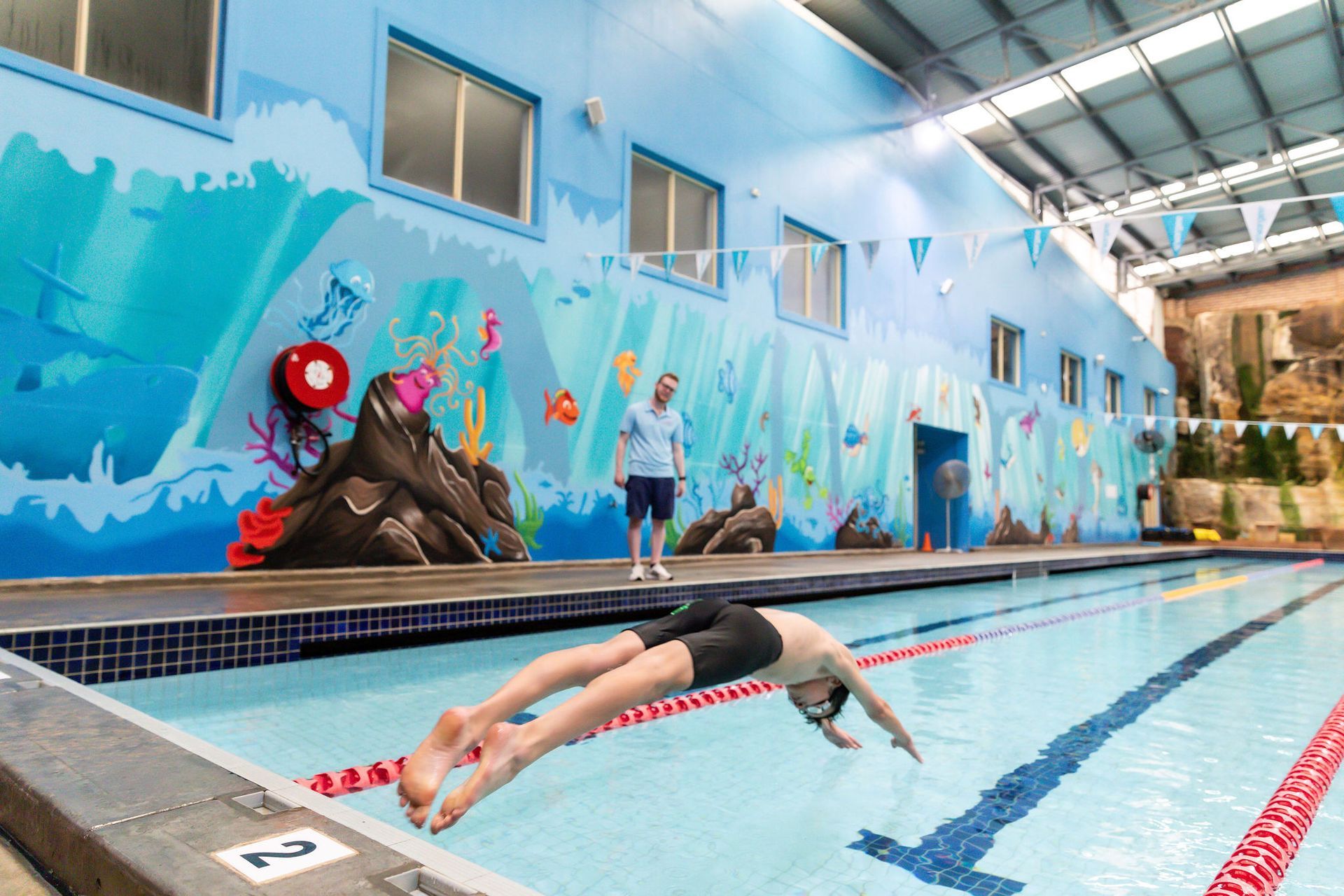
Col Jones Swim Tempe minimizes its carbon footprint and conserves municipal water through energy-efficient heat pumps, automated pool filtration, greywater recycling, and thermal heat retention practices. Serving Inner West Sydney since 1973, the facility integrates sustainable technology across its Small Beginner Pool, Teaching Improver Pool, and 25-metre Lap Pool to deliver year-round aquatic programs efficiently. Our eco-friendly swim school Tempe facility proves that high-quality swimming instruction and environmental responsibility go hand in hand.
Operating a modern indoor aquatic facility requires substantial energy to heat water and maintain hygienic air quality. Without careful management, running multiple pools can result in heavy electricity usage and significant water consumption. Recognizing this environmental impact, our center has made long-term investments in green technologies that drastically reduce resource consumption.
At Col Jones Swim Tempe, sustainability is integrated into daily operations behind the scenes. From automated energy controls to low-flow plumbing fixtures, every system is calibrated to protect natural resources. Families enrolled in our programs enjoy pristine, warm swimming conditions while supporting a community facility that actively cares for the planet.
Reducing Heating and Electrical Energy Consumption
Heating three pools year-round requires optimized electrical systems and thermal insulation strategies. Water constantly loses heat to the surrounding air through surface evaporation, convection, and radiation. Mitigating this heat loss requires modern heating infrastructure paired with smart operational protocols.
First, air-source heat pumps replace fossil-fuel heaters. Traditional gas heating systems emit significant greenhouse gases while consuming massive amounts of non-renewable fuel. By switching to high-efficiency heat pumps, our facility transfers warmth directly from the surrounding air into the pool water, drastically lowering carbon emissions while maintaining precise pool temperatures.
Second, thermal pool covers are deployed for up to 80% of the day during non-use hours. When classes are not running or during overnight facility closures, heavy-duty insulated blankets cover the Small Beginner Pool, Teaching Improver Pool, and 25-Metre Lap Pool. These covers prevent surface heat loss and stop water evaporation, reducing the energy required to reheat the pools each morning.
Finally, LED lighting and automation streamline electrical draw facility-wide. Low-draw LED light fixtures brighten pool decks, amenities, and administrative areas using a fraction of the power of halogen bulbs. Automated timers and sensors control filtration pumps and lighting, ensuring electricity is never wasted during off-peak hours.
Smart Water Management Built Into the Facility
Water conservation programs ensure freshwater intake remains minimal across change rooms, amenities, and pool systems. Maintaining crystal-clear water across three distinct swimming pools usually requires regular top-ups to replace water lost to splashing and backwashing, making smart water management essential.
Water recycling is a key operational strategy. Rather than discarding backwash and facility water directly into municipal storm drains, our systems treat and redirect greywater back into the building. This recycled water is safely reused to power facility toilet flushing systems, reducing the need for fresh municipal water draw day after day.
Flow control measures are installed across all changing facilities. High-use areas like showers and hand-washing basins feature low-flow taps, aeration devices, and push-button shower timers. These fixtures eliminate water wastage during peak change room hours without sacrificing water pressure or hygienic comfort for families after their swim lessons.
Waste diversion practices complement our liquid conservation efforts. The facility utilizes specialized paper towel collection bins and dedicated recycling channels. Diverting organic paper fibers away from local landfills lowers indirect municipal emissions while keeping our amenities clean, green, and sustainable.
How Swimmers and Families Support Sustainability
Patrons participate directly in facility-wide environmental conservation through simple daily actions. While complex equipment does heavy lifting behind the scenes, small habits practiced by our community add up to massive environmental savings over time.
Mindful showering makes a huge difference in water conservation. Swimmers are encouraged to keep pre-and post-swim showers brief in our low-flow stalls. Using quick rinse-offs rather than long hot showers conserves thousands of liters of heated water every single month.
Proper waste sorting keeps our recycling channels running smoothly. Dedicated recycling hubs are located throughout the facility for paper hand towels, plastic bottles, and swim gear packaging. When families place items into correct waste streams, materials can be processed efficiently rather than sent to local landfills.
Digital communication reduces overall paper reliance across the community. Parents manage schedules, lesson bookings, fee payments, and progress tracking through our online Parent Portal. By eliminating printed paper forms and physical notices, our community saves trees and lowers paper waste every term.
Conclusion
Summary
Sustainability and top-tier aquatic instruction go hand-in-hand at Col Jones Swim Tempe. Through air-source heat pumps, thermal pool covers, greywater recycling, and community conservation habits, our swim school delivers warm, pristine, year-round swimming experiences while protecting the local environment.
Book a Strategy or Discovery Call
Ready to join an eco-friendly swim school that prioritizes both life-saving water skills and environmental sustainability? Contact our swimming team today to learn more about our programs and discover how our green facility serves your family.
Frequently Asked Questions
How do thermal pool blankets help save energy?
Thermal blankets act as an insulating barrier that stops surface evaporation and retains heat in the water, reducing the electrical power needed to keep pools warm overnight.
Are eco-friendly heat pumps as effective as gas pool heaters?
Yes, modern air-source heat pumps are highly effective at maintaining steady, comfortable water temperatures year-round while operating with significantly lower carbon emissions than gas heaters.
Is recycled water used in the actual swimming pools?
No, recycled greywater is used strictly for non-potable sanitation systems like toilet flushing, while pool water undergoes separate continuous filtration to remain clean and safe.
How can my child practice sustainability at the swim school?
Children can help by taking short showers before and after class, placing paper towels in dedicated recycling bins, and keeping pool decks clean.
Why does Col Jones Swim Tempe use digital communication portals?
Using an online Parent Portal eliminates paper forms, reduces printing waste, and provides families with fast, eco-friendly access to schedules and progress reports.