Keep Kids Safe: Top Water Safety Tips for Parents
Key Takeaways
- Constant Active Supervision: Essential water safety tips emphasize assigning a dedicated adult "Water Watcher" who stays free from digital distractions while children are in or near water.
- Essential Self-Rescue Skills: Enrolling kids in structured swim lessons equips them with foundational self-rescue mechanics, such as independent back-floating, treading water, and breath control.
- Proper Life Jacket Fit: Choose Coast Guard-approved personal flotation devices (PFDs) calibrated precisely to your child's weight rather than relying on air-filled arm floaties or oversized gear.
- Proactive Emergency Plans: Keep CPR certifications up to date, store reaching poles and ring buoys poolside, and teach children the golden rule: "reach or throw, don't go."
- Year-Round Preparation: Purpose-built centers like Col Jones Swim Tempe combine warm, climate-controlled indoor pools with expert coaching to instill water safety habits early.
Introduction
Teaching kids essential water safety tips early combines constant supervision, foundational swimming skills, and proper safety equipment to prevent accidents. Mastering core mechanics, such as floating, treading water, and basic self-rescue strokes, builds panic-reducing confidence in open water or backyard pools at Col Jones Swim Tempe.
Drowning remains one of the leading causes of accidental injury for young children, making aquatic safety a top priority for every family. While swimming pools and beaches offer incredible health benefits and fun, water environments present inherent risks if safety protocols are ignored.
By taking a proactive approach, parents can drastically minimize aquatic hazards. Pairing vigilant adult supervision with structured, age-appropriate swim instruction creates a layer of defense that empowers children to explore water safely and confidently.
What Are the Fundamental Rules of Water Safety?
Establishing clear boundaries and consistent adult oversight prevents common aquatic hazards before they start. Environmental setup and clear family expectations lay the foundation for a safe swimming experience.
Core water safety rules every family should enforce:
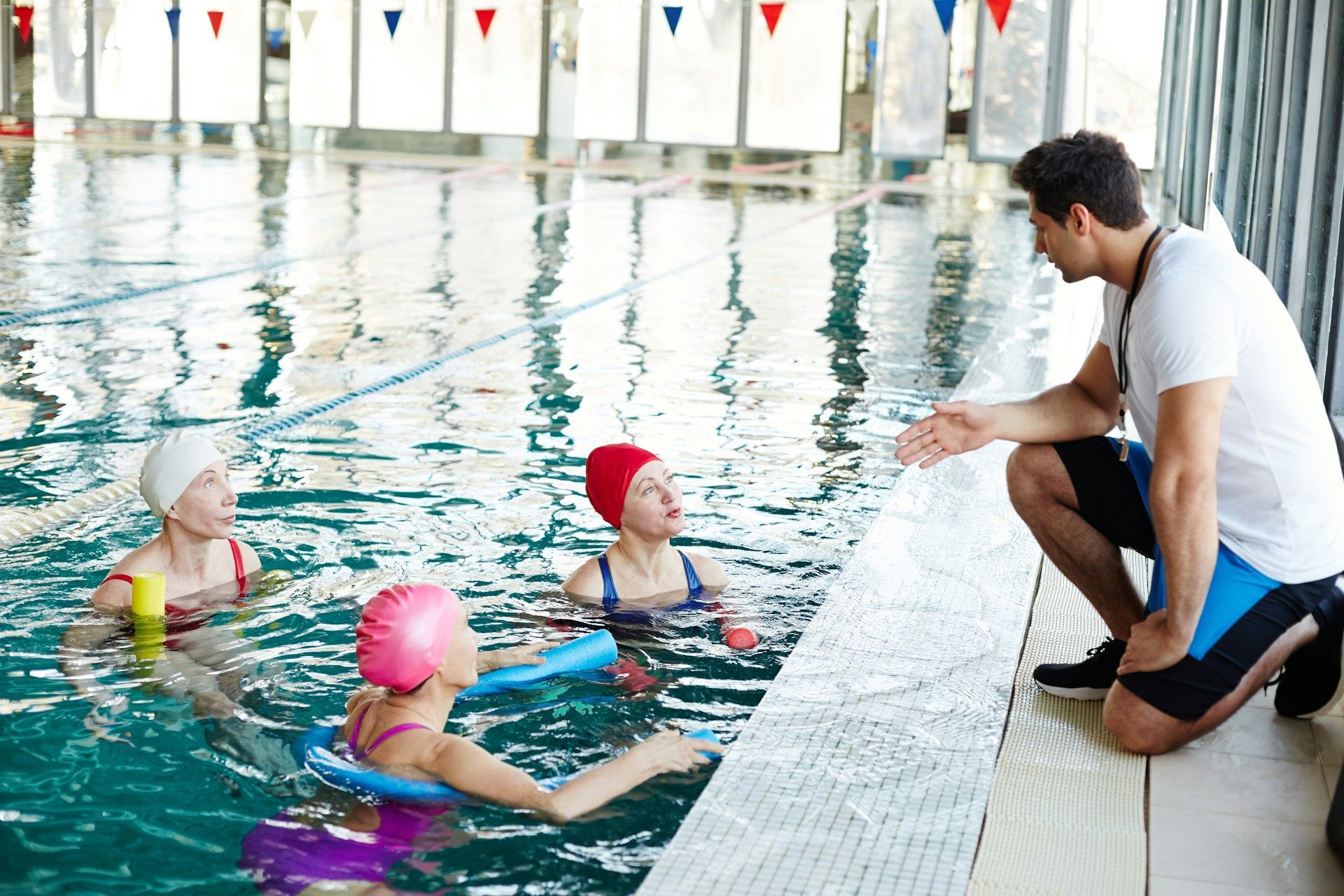
- Active, Uninterrupted Supervision: Designate a dedicated adult "Water Watcher" who maintains touch supervision for non-swimmers and constant visual observation without phone or book distractions.
- Buddy System Enforcements: Teach children that they must never swim alone; every swimmer must have a buddy, regardless of their age or perceived skill level.
- Strict Pool Deck Rules: Enforce walking-only rules on slippery decks, demand feet-first entries, and strictly obey "no diving" warnings in shallow water zones.
- Designated Safe Zones: Establish clear physical boundaries in open water or public pools that directly match your child's measured swimming proficiency.
Distraction is the single greatest hazard during family pool visits. Silent drownings can occur in as little as 20 to 60 seconds, which is why a designated Water Watcher must give 100% of their attention to the pool.
Setting clear pool rules early helps children respect aquatic environments. When safety boundaries become non-negotiable family habits, kids naturally make smarter, safer choices around water.
Which Core Swimming Skills Help Prevent Drowning?
Formal swim lessons provide foundational self-rescue techniques that reduce panic during unexpected submersions. When a child accidentally falls into deep water, muscle memory and composure can save their life.
Lifesaving aquatic skills taught in structured swim programs:
- Independent Back Floating: Teaches bathers to roll onto their back, clear their airway, conserve physical energy, and breathe calmly while awaiting rescue.
- Treading Water and Vertical Buoyancy: Enables swimmers to maintain an upright posture and keep their head elevated above the surface without expending excessive energy.
- Basic Self-Rescue Strokes: Teaches efficient horizontal propulsion and arm rotations so swimmers can return to a pool ledge, steps, or shoreline.
- Rhythmic Breath Control: Uses bubble-blowing and lip-submersion drills to prevent water inhalation and panic when a splash occurs.
Image Suggestion: An infographic detailing the "Layers of Water Protection," highlighting Active Supervision, Formal Swim Lessons, Fitted PFDs, and CPR Emergency Readiness.
Panicking in deep water leads to rapid physical fatigue and accidental water inhalation. Developing a reliable back float allows a child to rest and catch their breath calmly.
Formal lessons also teach children how to orient themselves underwater. Knowing how to open their eyes and surface toward the light ensures kids can locate safety edges quickly.
How Do You Select and Fit Proper Safety Equipment?
Using Coast Guard-approved personal flotation devices (PFDs) ensures reliable support in open water, lakes, or boating environments. However, safety gear only works if it fits correctly and matches the activity.
Guidelines for selecting and fitting life jackets:
- Coast Guard Approval Checks: Look for official certification labels on the interior lining to ensure the vest meets rigorous safety standards.
- Weight-Calibrated Sizing: Always select PFDs based on your child's current weight class rather than buying oversized gear meant for them to "grow into."
- Snug Fit Verification: Fasten all straps and zippers, then lift the jacket gently by the shoulders; it should not slide up past the child's chin or ears.
- Avoid Inflatable Arm Floaties: Avoid relying on air-filled arm bands or foam noodles as safety devices, as they can deflate, slip off, or promote bad vertical posture.
Inflatable floaties can give families a false sense of security. Because they slip off easily and hold children in an upright, vertical position, they can actually hinder real swimming mechanics.
For young children or weak swimmers near open water, a proper life jacket with a head-support collar and crotch strap ensures the child flips face-up automatically if they fall into the water.
How Should Families Prepare for Water Emergencies?
Proactive emergency planning ensures adults and children react swiftly and calmly during critical situations. Knowing exactly what to do when an emergency arises cuts down response times significantly.
Essential steps for family emergency readiness:
- Parent CPR and First Aid Certification: Adults should maintain updated pediatric CPR and First Aid certifications, focusing on drowning resuscitation protocols.
- "Reach or Throw, Don't Go" Practice: Teach children never to jump in after a struggling friend; instead, train them to extend a reaching pole, throw a buoyant ring, and call for adult help immediately.
- Accessible Poolside Safety Equipment: Keep reaching poles, ring buoys, first aid kits, and a charged mobile phone directly poolside or on watercraft at all times.
- Family Emergency Role-Play: Conduct regular family drills so children recognize lifeguard whistle signals and know where to gather during an emergency.
When a child sees a friend struggling in the water, their natural instinct is to jump in and help, which often results in two victims. Teaching kids to "reach or throw, don't go" prevents double drowning accidents.
Keeping safety gear poolside ensures that adults can act instantly without leaving the scene. Seconds count during a water emergency, and having CPR training gives parents the power to save lives.
How Col Jones Swim Tempe Builds Lifelong Safety
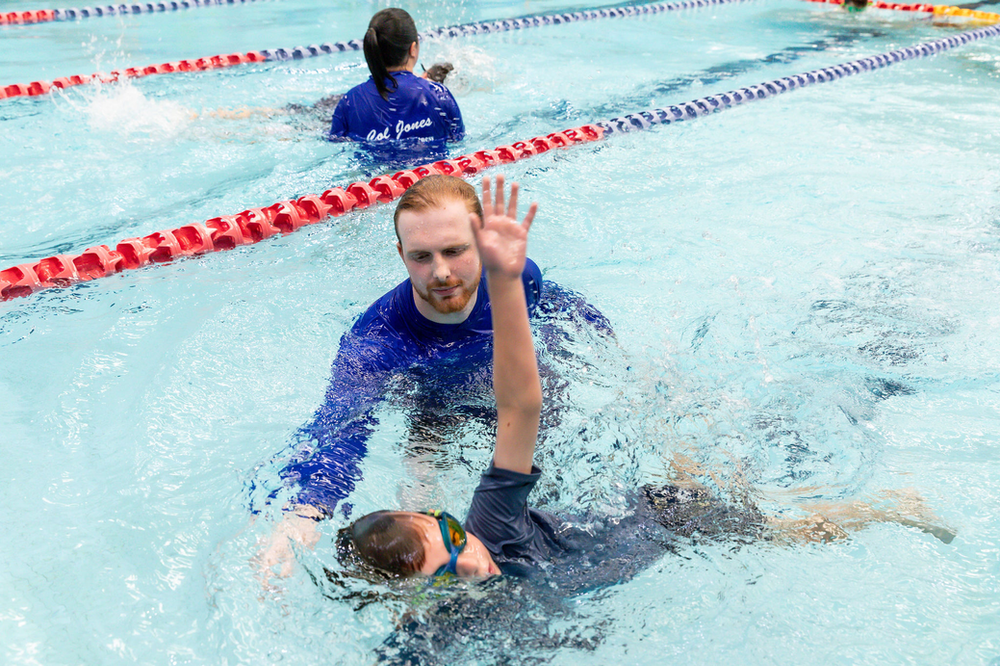
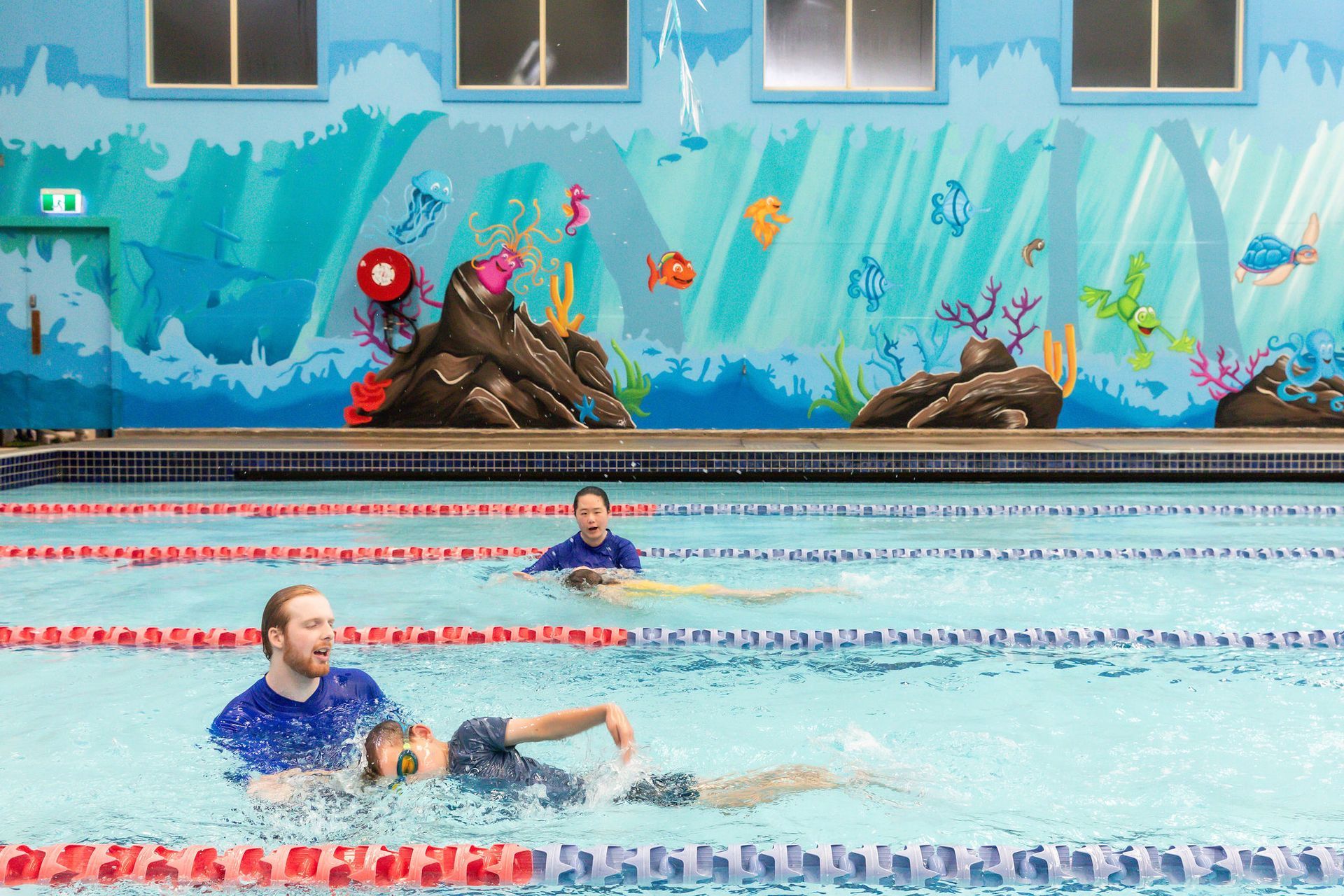
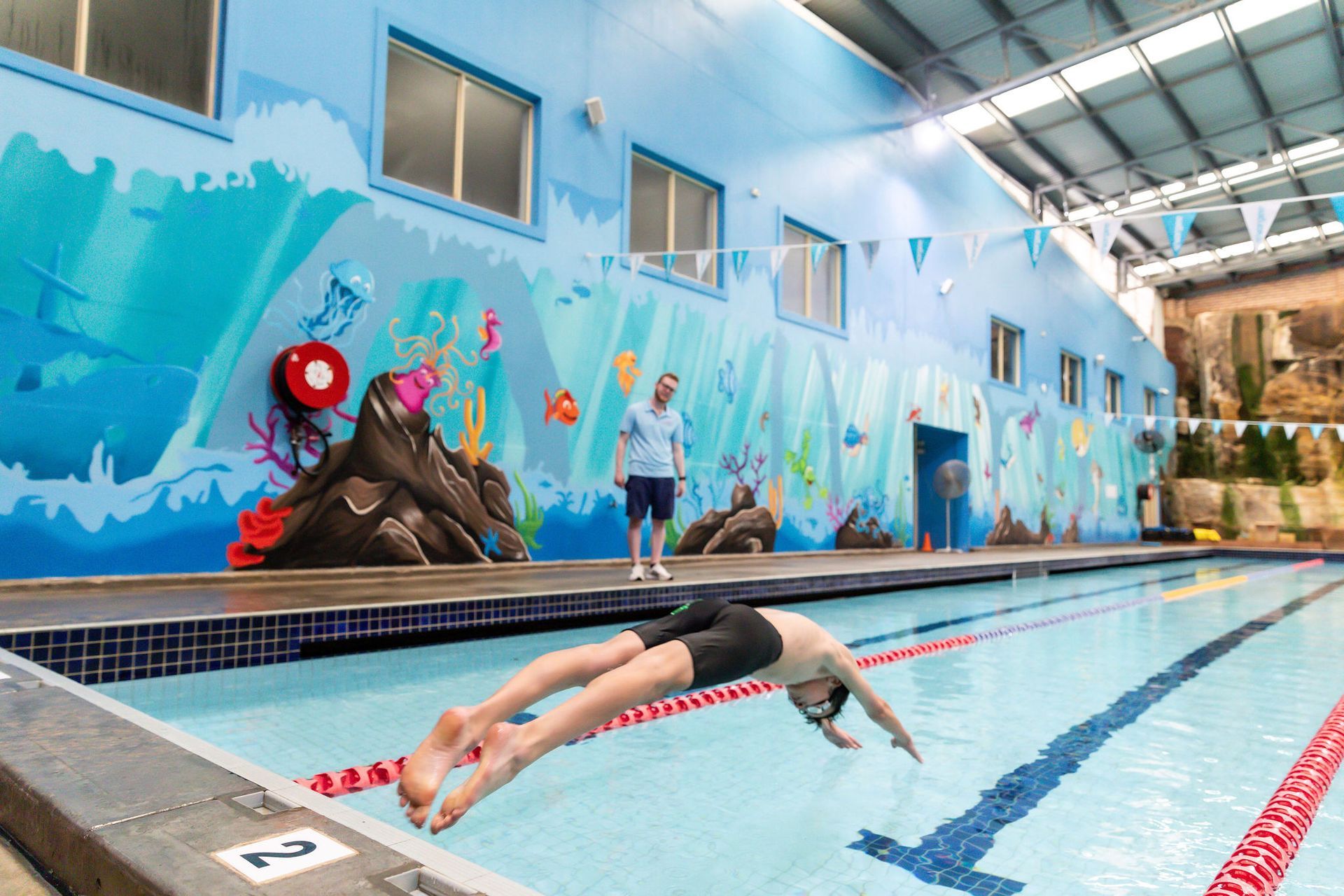
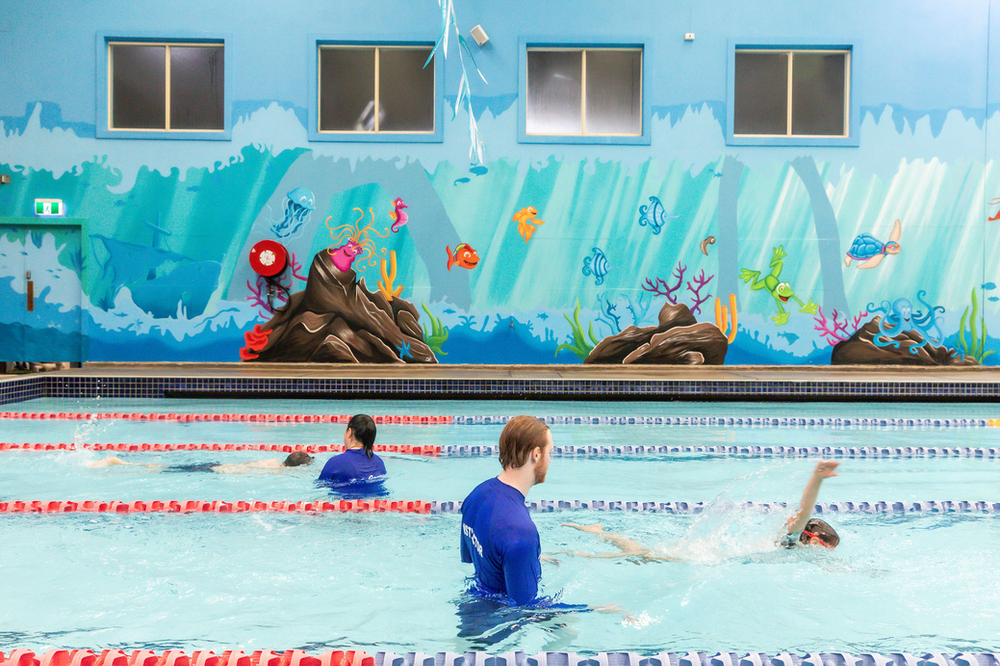
At Col Jones Swim Tempe, water safety is woven into every level of our curriculum. Serving Inner West Sydney families since 1973, our center combines purpose-built indoor facilities with expert coaching to turn nervous bathers into confident, safety-conscious swimmers.
Safety-first facility highlights at Col Jones Swim Tempe:
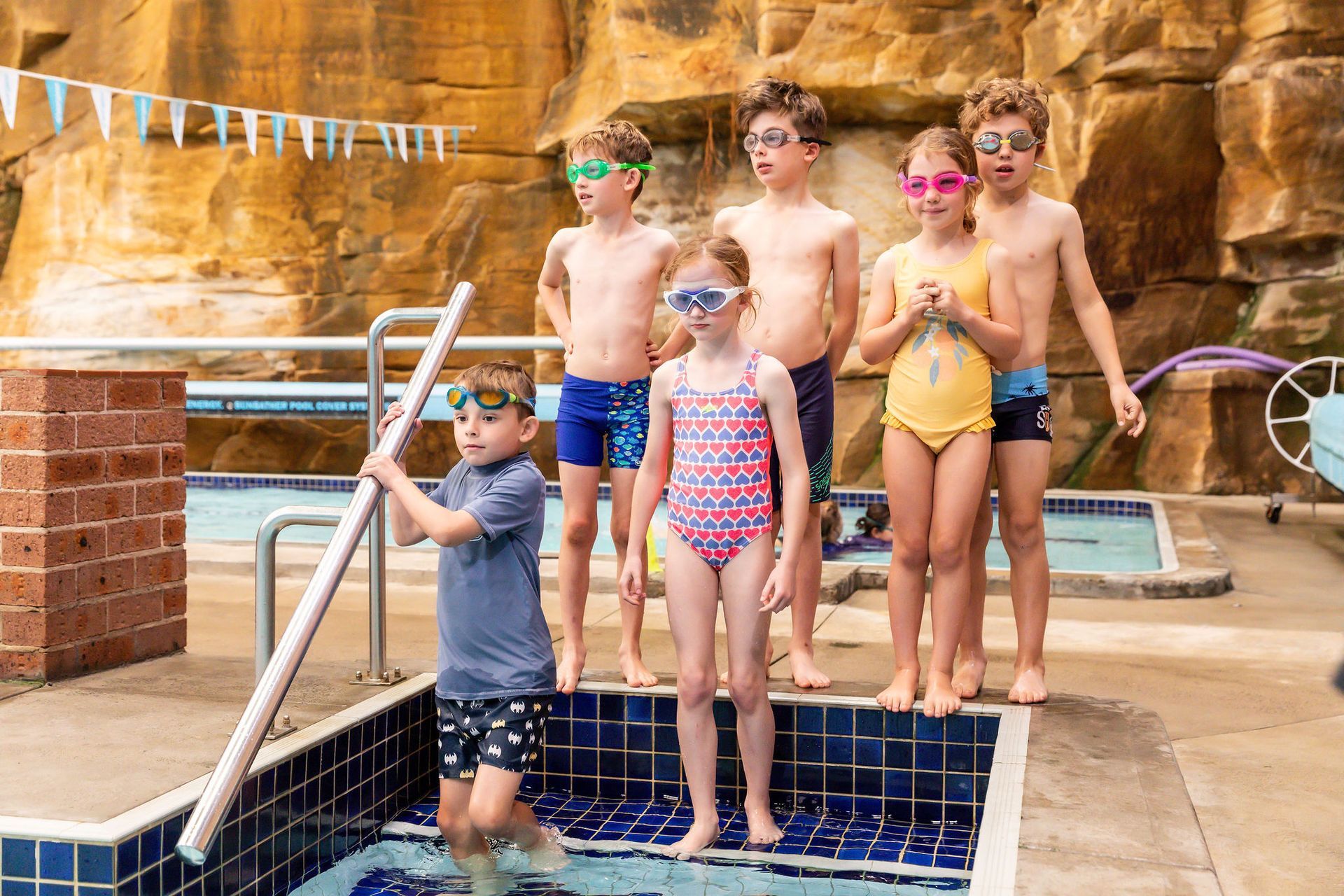
- Three Dedicated Heated Indoor Pools: Warm, shallow beginner pools allow young children to practice self-rescue floats without thermal discomfort or deep-water fear.
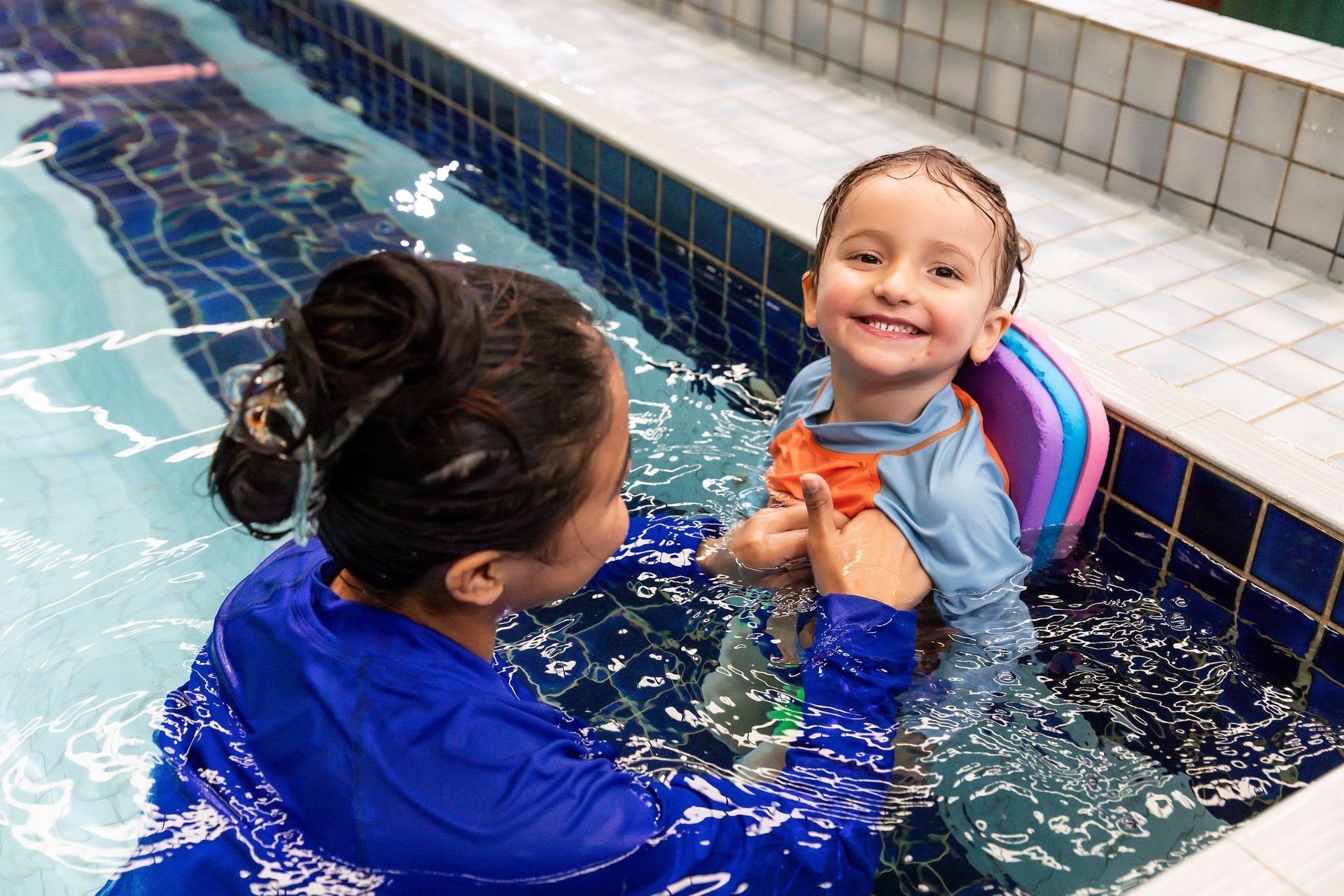
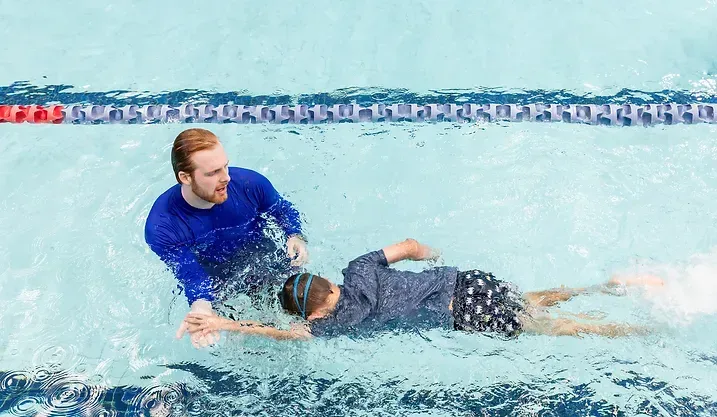
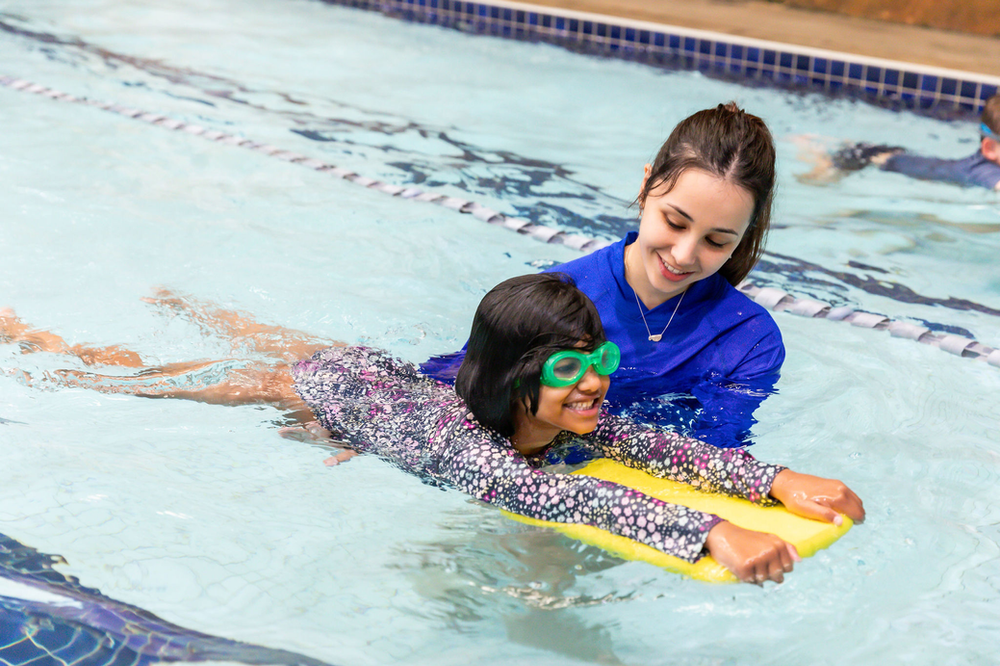
- AUSTSWIM-Certified Coaches: Experienced instructors provide gentle guidance, teaching breath control, floating balance, and self-rescue skills using proven techniques.
- Structured Level Progressions: From beginner water acclimation to advanced squad training, skills are taught systematically to build true aquatic independence.
- Digital Parent Progress Tracking: Our online Parent Portal keeps families updated on their child's skill benchmarks and water safety milestones in real time.
By combining warm indoor pools with compassionate coaching, our school ensures learning water safety is a fun, rewarding experience for every child.
Equipping your family with real-world aquatic safety habits gives you peace of mind whenever you are near the water, whether at the beach, a backyard pool, or on holiday.
Conclusion
Summary
Implementing essential water safety tips protects your children and gives your family confidence around pools, lakes, and oceans. Active, uninterrupted adult supervision by a designated Water Watcher is your first line of defense against accidents. Enrolling children in structured swim lessons instills life-saving self-rescue mechanics, such as independent back floating, treading water, and breath management, that prevent panic during unexpected submersions. Pairing these skills with properly fitted, Coast Guard-approved life jackets and a poolside emergency plan ensures total safety. Established leaders like Col Jones Swim Tempe provide warm, supportive indoor facilities where young swimmers master vital safety skills for life.
Book a Strategy or Discovery Call
Give your child the gift of lifelong water safety, confidence, and expert swim instruction. If you are ready to tour our multi-pool indoor facility, book a 10-minute swimming assessment, or secure a class spot for upcoming terms, contact our team today to speak with our friendly enrollment specialists.
Frequently Asked Questions
What is the most effective way to prevent drowning in children?
A multi-layered approach is most effective: maintain constant, active adult supervision, install physical pool barriers, and enroll your child in formal swim lessons to learn self-rescue skills.
At what age should children start learning water safety skills?
Children can start building basic water familiarization and breath control as early as 6 months old in parent-and-child classes, progressing to independent safety skills as they grow.
Are floaties or arm bands safe for non-swimmers?
No. Inflatable floaties are toys, not safety devices. They can slip off or deflate and teach children bad vertical posture. Use a fitted, Coast Guard-approved life jacket instead.
How warm are the pools at Col Jones Swim Tempe?
All three indoor pools at Col Jones Swim Tempe are fully enclosed and heated year-round to optimal temperatures (up to 32°C for beginners), preventing cold-water shock and shivering.
What should my child do if they fall into deep water unexpectedly?
Teach your child to remain calm, roll onto their back to float, keep their face clear of the water to breathe, and kick toward the nearest pool edge or steps.