How to Support Your Child's Swimming Progress Between Lessons
Key Takeaways
- Consistent Family Practice: Accelerates your child's swimming progress by locking in muscle memory between weekly classes through casual pool visits.
- Playful Learning Drills: Gamifying breath control and kicking mechanics reduces anxiety and makes stroke development enjoyable.
- Positive Reinforcement & Visuals: Using storybooks, video clips, and milestone celebrations builds aquatic confidence and enthusiasm.
- Instructor Collaboration: Regular check-ins align home practice with formal curriculum goals, avoiding conflicting techniques.
- Comprehensive Safety Habits: Pairs physical progression with strict water safety habits, ensuring lifelong security in diverse water environments.
Introduction
Enrolling your child in structured aquatic instruction is one of the most vital investments you can make in their physical development and safety. However, true long-term swimming progress requires consistent family practice, playful water activities, and positive reinforcement beyond scheduled class times. While formal lessons provide technical foundation and stroke mechanics, casual family exposure bridges the gap by building comfort, endurance, and confidence naturally.
Establishing a relaxed weekly swim routine, integrating fun visual tools, and reinforcing basic safety rules transforms learning into a shared family experience. When children experience the water outside a structured environment, they process technical concepts without fear or performance pressure. This low-pressure environment allows young bathers to explore their physical limits, practice breath control, and refine their balance at their own comfortable pace.
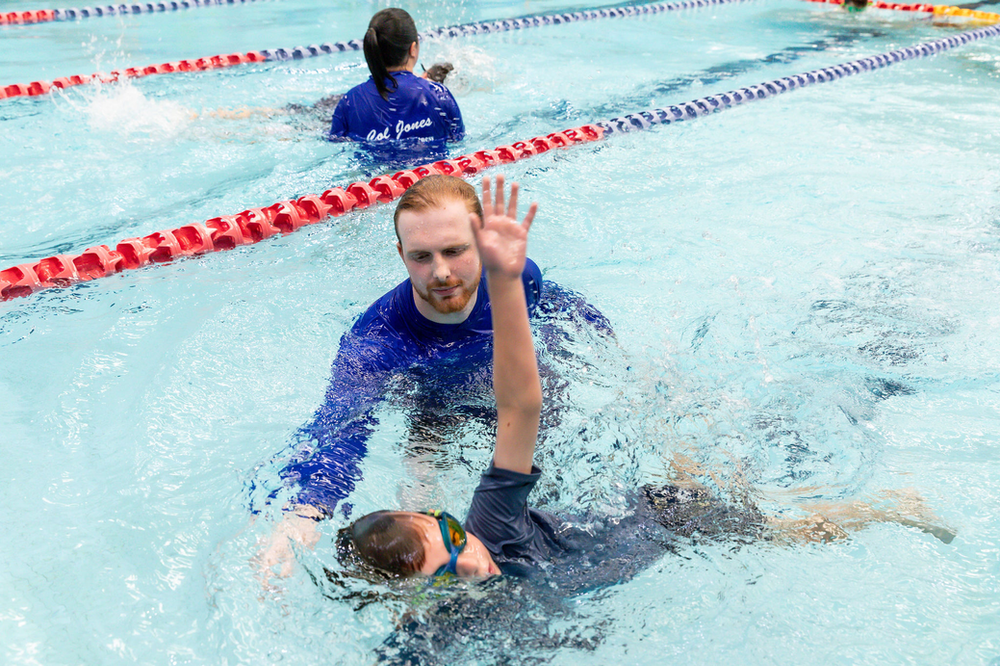
Maintaining open, proactive communication with your swim instructor ensures home play directly supports formal learning targets. By aligning family pool outings with weekly lesson goals, parents help young swimmers retain stroke mechanics, overcome temporary plateaus, and build long-term skill. Facilities like Col Jones Swim Tempe work in close partnership with parents to ensure every child thrives both inside and outside class.
Why Is Regular Family Swim Practice Important?
Building continuous
swimming progress requires consistent exposure to water beyond formal weekly instruction. Integrating casual swim days into your family's routine turns technical practice into a fun, low-pressure experience that reinforces muscle memory and aquatic comfort.
Key ways to build an effective family swim routine:
- Schedule Dedicated Family Swim Days: Pick consistent weekly times for family pool visits to reinforce core lesson skills through regular repetition.
- Set Achievable Goals: Encourage small targets, such as swimming across the shallow end or practicing back floats, to build self-confidence.
- Explore Local Aquatic Venues: Visit different facilities, such as heated pools around Tempe, Earlwood, or Marrickville, to keep practice engaging and adaptable.
Children who regularly swim with family develop strong spatial awareness and balance in the water. These casual sessions allow children to test their buoyancy and kicking power in a supportive setting, which directly boosts their performance during formal swimming lessons.
How Can Fun Water Games Accelerate Swimming Skills?
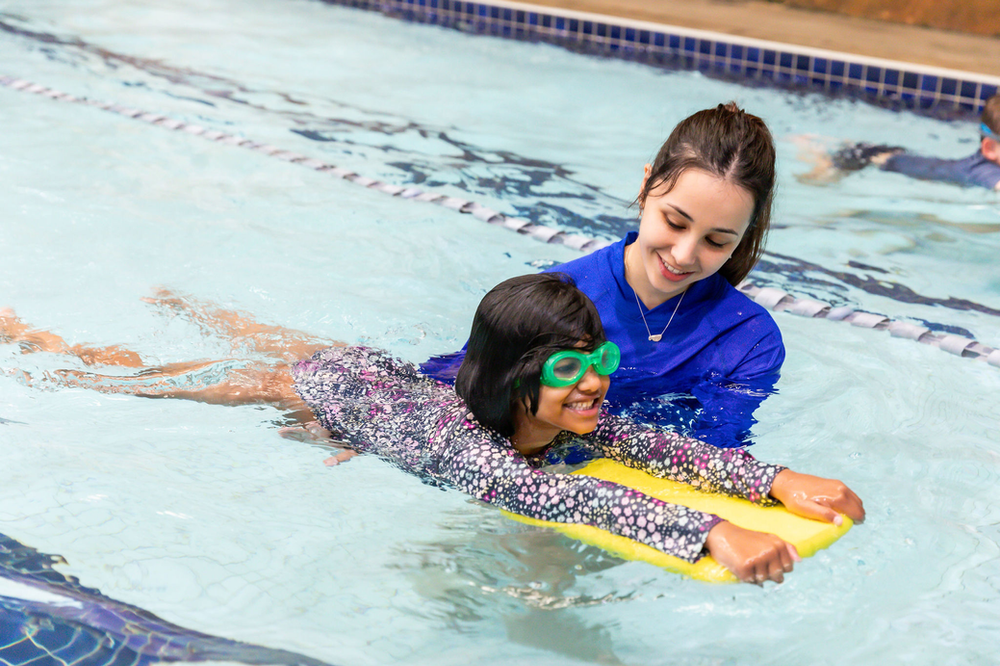
Children learn best through play. Incorporating structured water games during casual pool visits helps kids refine stroke mechanics, breath control, and kicking power without feeling pressured to perform.
Actionable playful water activities include:
- Organize Interactive Pool Games: Set up relay races, underwater ring fetches, or toss-and-catch games using waterproof toys to build stamina and breath control.
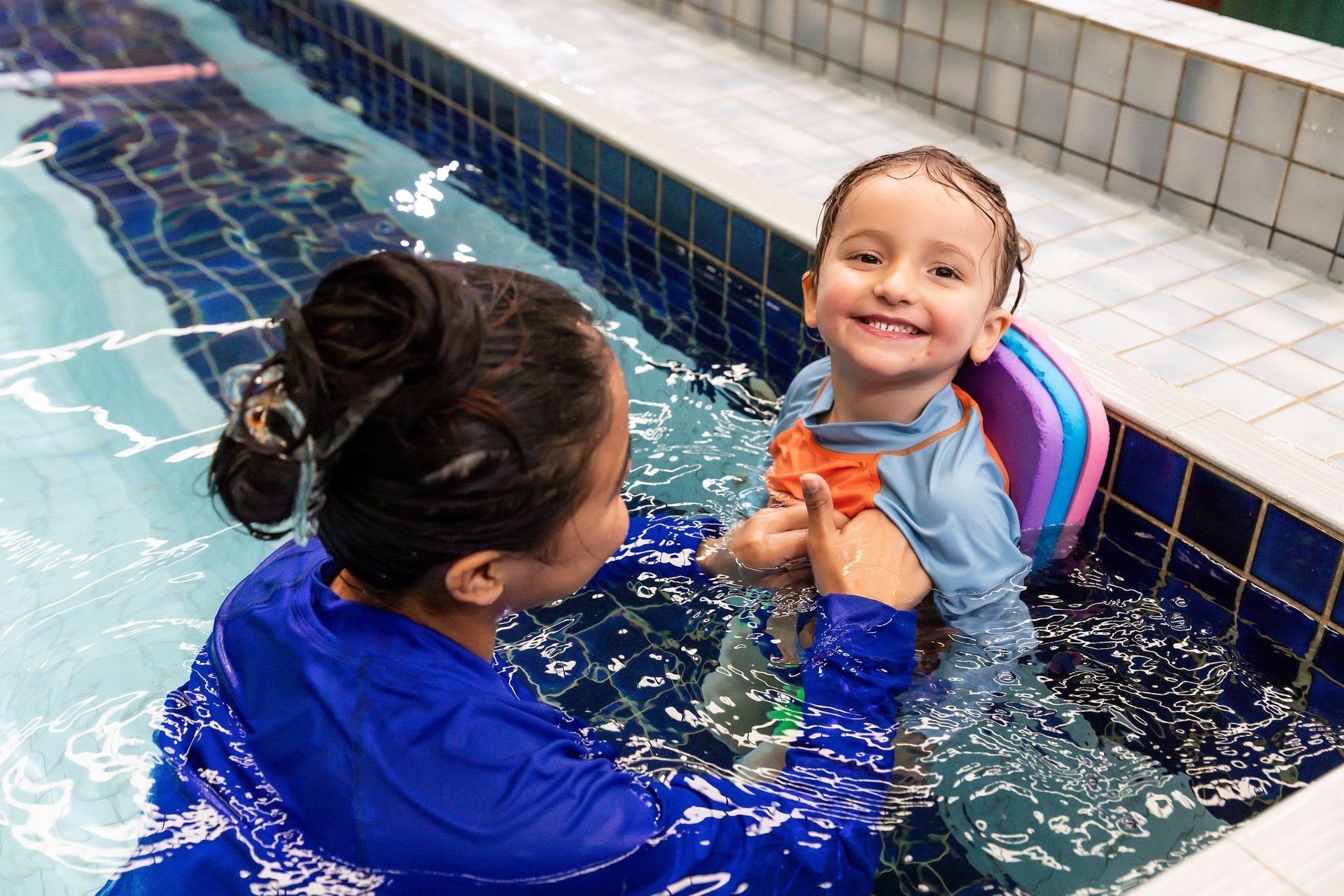
- Supervised Home Water Play: Use shallow kiddie pools or bath time at home for controlled splashing, breath-holding practice, and face-submersion acclimation.
- Emphasize Positive Association: Focus on laughter and enjoyment rather than flawless technical execution so your child connects water time with safety and fun.
By turning skill practice into a game, children develop natural breath management and body alignment. Retrieving submerged rings, for instance, encourages comfortable underwater eye-opening and controlled exhalation, accelerating overall swimming progress.
How Do Visual Tools and Positive Reinforcement Help?
Visual aids help young children picture correct techniques while positive reinforcement keeps them motivated as they master new aquatic skills. Pairing physical practice with visual learning deepens stroke understanding.
Effective visual and psychological strategies:
- Watch Technique Videos Together: Show short swimming clips or animated tutorials to help kids visualize proper flutter kicking, arm rotation, and side breathing.
- Read Water Adventure Stories: Share children's books featuring swimming themes to inspire courage, enthusiasm, and a positive attitude toward the pool.
- Celebrate Small Milestones: Offer immediate praise for small efforts like putting their face in the water, trying a back float, or executing a smooth kick.
Recognizing effort rather than perfection builds resilience. When parents celebrate small achievements, children feel empowered to take on new challenges during their formal swimming lessons.
Why Should You Communicate Regularly with Instructors?
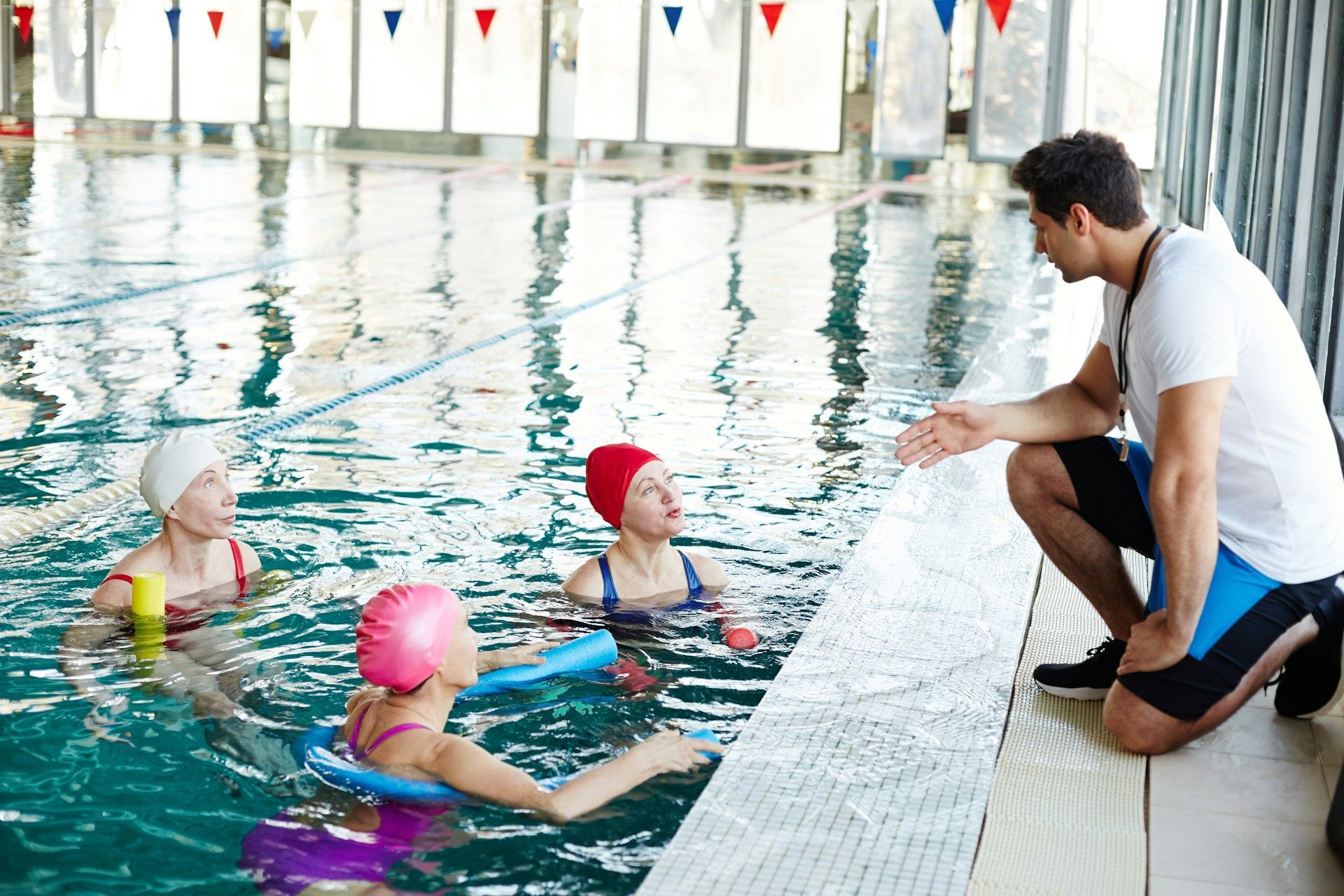
Collaborating with your swim teacher ensures that home practice reinforces weekly lesson objectives rather than introducing conflicting habits. Instructors provide valuable insights into your child's developmental needs.
Key instructor collaboration steps:
- Conduct Brief Progress Check-Ins: Regularly ask the instructor about your child's current focus areas and target skills for improvement.
- Share Home Observations: Discuss any hesitations, fears, or physical difficulties your child experiences during casual family swim sessions.
- Coordinate Targeted Home Drills: Ask for specific, simple drills you can practice safely together during weekend pool visits.
Routine Swimming
Weekly family pool visits
Reinforces muscle memory and aquatic comfort
Gamified Practice
Underwater toy retrieval
Improves breath control and kick power
Instructor Alignment
Bi-weekly progress check-ins
Ensures correct technique during home play
Visual Reinforcement
Swimming storybooks & clips
Boosts enthusiasm and stroke visualization
How Do You Reinforce Essential Water Safety Rules?
Confidence in the water must always be paired with strong safety habits. Making water safety rules second nature protects your child across public pools, beaches, and home environments.
Essential safety practices for families:
- Practice Regular Safety Drills: Reiterate rules like using the buddy system, obeying pool signage, and never entering the water without adult permission.
- Maintain Continuous Supervision: Keep active eye contact and touch supervision during all water play, whether at public facilities or home pools.
- Secure Home Environments: Ensure pool fencing, self-latching gates, and clear safety boundaries are strictly maintained around residential pools.
Integrating safety discussions into daily routines ensures children understand that water fun goes hand in hand with vigilance. This foundational awareness protects young bathers as their swimming progress expands into open-water environments.
How Do You Take the Swimming Experience Beyond the Pool?
Expanding aquatic activities beyond local pools broadens your child's water literacy and builds adaptability across diverse aquatic environments. Experiencing different water conditions fosters well-rounded physical confidence.
Ways to broaden aquatic experiences:
- Visit Local Beaches and Water Parks: Introduce your child to gentle ocean waves or splash pads around Sydney to build environmental adaptability.
- Join Community Water Events: Participate in local family water safety workshops and aquatic exploration days to reinforce safety knowledge.
- Enroll in Structured Year-Round Programs: Structured environments, like the comprehensive programs at Col Jones Swim Tempe, provide the supportive guidance children need to grow into lifelong, confident swimmers.
Exposing children to varied aquatic environments helps them apply their skills flexibly. Whether navigating small ocean swells or playing under water park sprayers, confident swimmers adapt quickly while keeping safety top of mind.
How Does Col Jones Swim Tempe Support Family Practice?
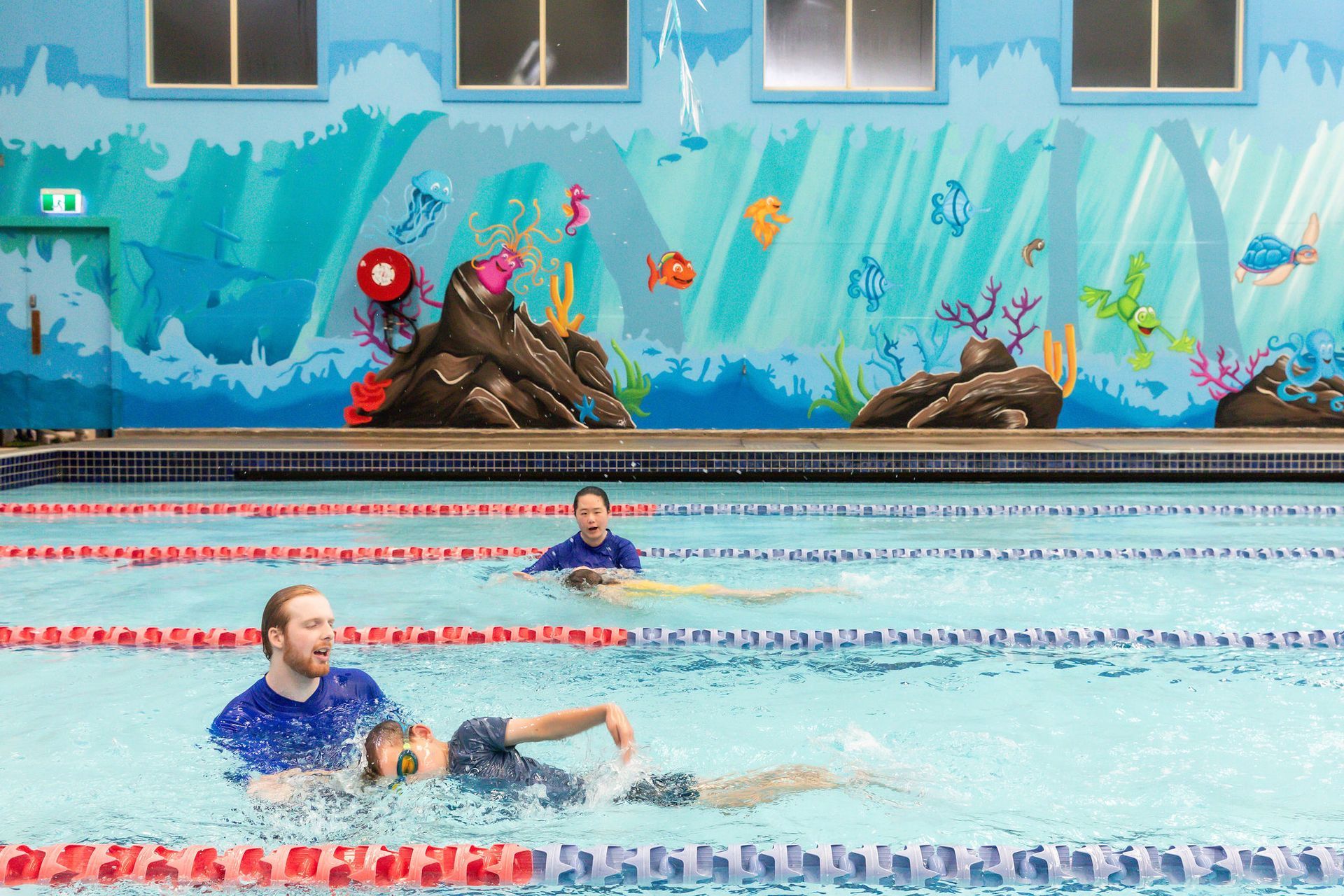
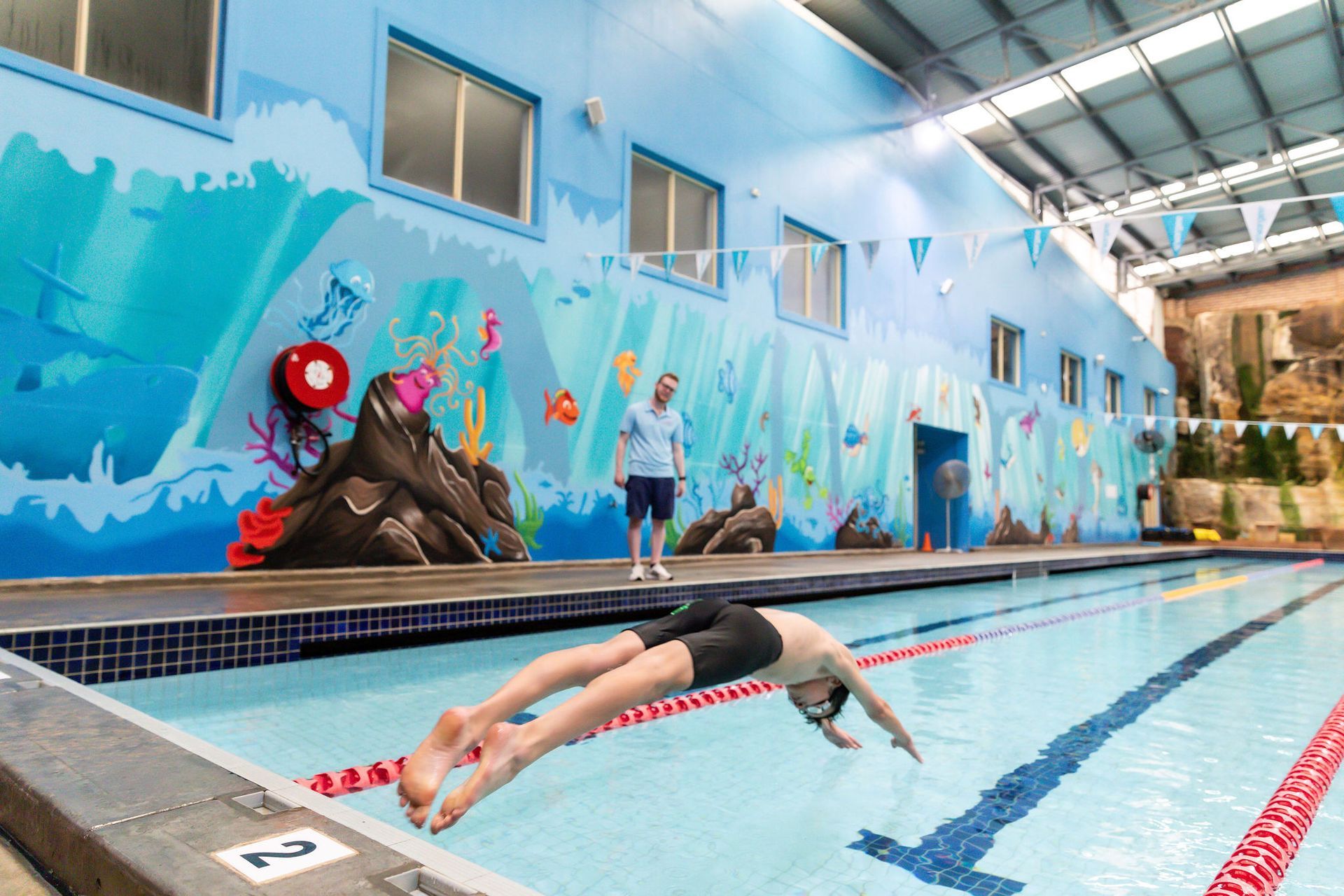
Col Jones Swim Tempe pairs professional instruction with parent-friendly tools to ensure continuous swimming progress. Operating three specialized heated pools, a Small Beginner Pool, a Teaching Improver Pool, and a 25-metre Lap Pool, the facility provides the ideal environment for year-round development.
Through a 24/7 online Parent Portal, parents monitor skill assessments, view milestone badges, and receive direct feedback from instructors. This transparency allows families to target specific stroke mechanics during weekend pool visits. Supported by over 50 years of community experience, Col Jones Swim Tempe helps families build a safe, rewarding, and lifelong aquatic journey.
Conclusion
Summary
Supporting your child's swimming progress between lessons requires a balanced approach combining family pool visits, playful water games, visual reinforcement, and proactive instructor alignment. Casual family swim sessions lock in muscle memory and boost confidence without performance pressure. By gamifying breath control and stroke drills, parents make practice enjoyable while instilling lifelong safety habits. Regular communication with certified teachers ensures home play directly supports formal curriculum goals. Dedicated facilities like Col Jones Swim Tempe empower families with the guidance, state-of-the-art heated pools, and digital tracking tools needed to nurture skilled, confident swimmers.
Book a Strategy or Discovery Call
Give your child the gift of lifelong water confidence and safety. If you are ready to enroll your child in a structured, supportive swim program or want to discuss personalized progress tracking,
contact our team today to schedule an assessment, explore class times, or speak with our experienced instructors.
Frequently Asked Questions
How often should we practice swimming outside of formal lessons?
Practicing once or twice a week during casual family pool visits is ideal. This frequency reinforces muscle memory and aquatic comfort without overwhelming young learners or causing physical fatigue.
What should I do if my child resists practicing swim drills at home?
Focus on fun rather than technical perfection. Shift to gamified activities like retrieving sinkers, splashing, or playing catch. Reducing pressure helps rebuild confidence and positive associations with the water.
How do I make sure I am not teaching my child incorrect stroke techniques?
Check in regularly with your child's swim instructor to ask for simple, approved home drills. Following the instructor's advice ensures your home practice aligns with formal lesson objectives.
Are shallow kiddie pools or bathtubs useful for swim practice?
Yes. Shallow pools and bathtubs are great for practicing face submersion, blowing bubbles, and back floating in a safe, comfortable setting.
How can I track my child's swimming milestones effectively?
Utilize digital tools like the 24/7 Parent Portal at Col Jones Swim Tempe to review instructor feedback, skill badges, and milestone reports in real time.