Questions to Ask Before Enrolling in Any Swim School
Key Takeaways
- Verify Instructor Credentials: Choose a facility where teachers hold recognized national swim accreditations, active CPR, and ongoing professional development training.
- Prioritize Low Ratios: Ensure beginner classes maintain small student-to-teacher ratios (4:1 to 6:1) for maximum visual supervision, safety, and direct feedback.
- Inspect Water Safety Protocols: Confirm the facility implements rigorous water chemistry testing, emergency response drills, and continuous deck supervision.
- Evaluate Curriculum Progression: Look for structured learning levels that seamlessly transition students from water acclimation to squad endurance training.
- Observe Live Classes: Tour the facility to observe instructor engagement, pool cleanliness, and overall environment before making an enrollment commitment.
Introduction
Selecting the right swim school requires evaluating instructor qualifications, safety protocols, and class sizes before enrolling your child. Prioritizing low student-to-teacher ratios, clear curriculum progression, and up-to-date CPR certifications ensures your child receives individualized attention in a safe environment. Assessing parent reviews and observing a live class will further confirm whether a facility aligns with your family's expectations.
Enrolling your child in swimming lessons is a critical step toward ensuring lifelong water safety and physical health. However, not all aquatic centers operate under the same standards of instruction, facility maintenance, or safety management. Asking target questions during your initial research empowers you to identify a program that fosters confidence while maintaining strict safety standards.
Understanding what makes an exceptional learning environment helps parents navigate options with confidence. From pool water filtration systems to instructor accreditation, every operational detail impacts your child's learning journey. Premier facilities like Col Jones Swim Tempe combine clear educational benchmarks with decade-spanning community experience to deliver elite aquatic instruction.
What Qualifications Should You Look for in Swim Instructors?
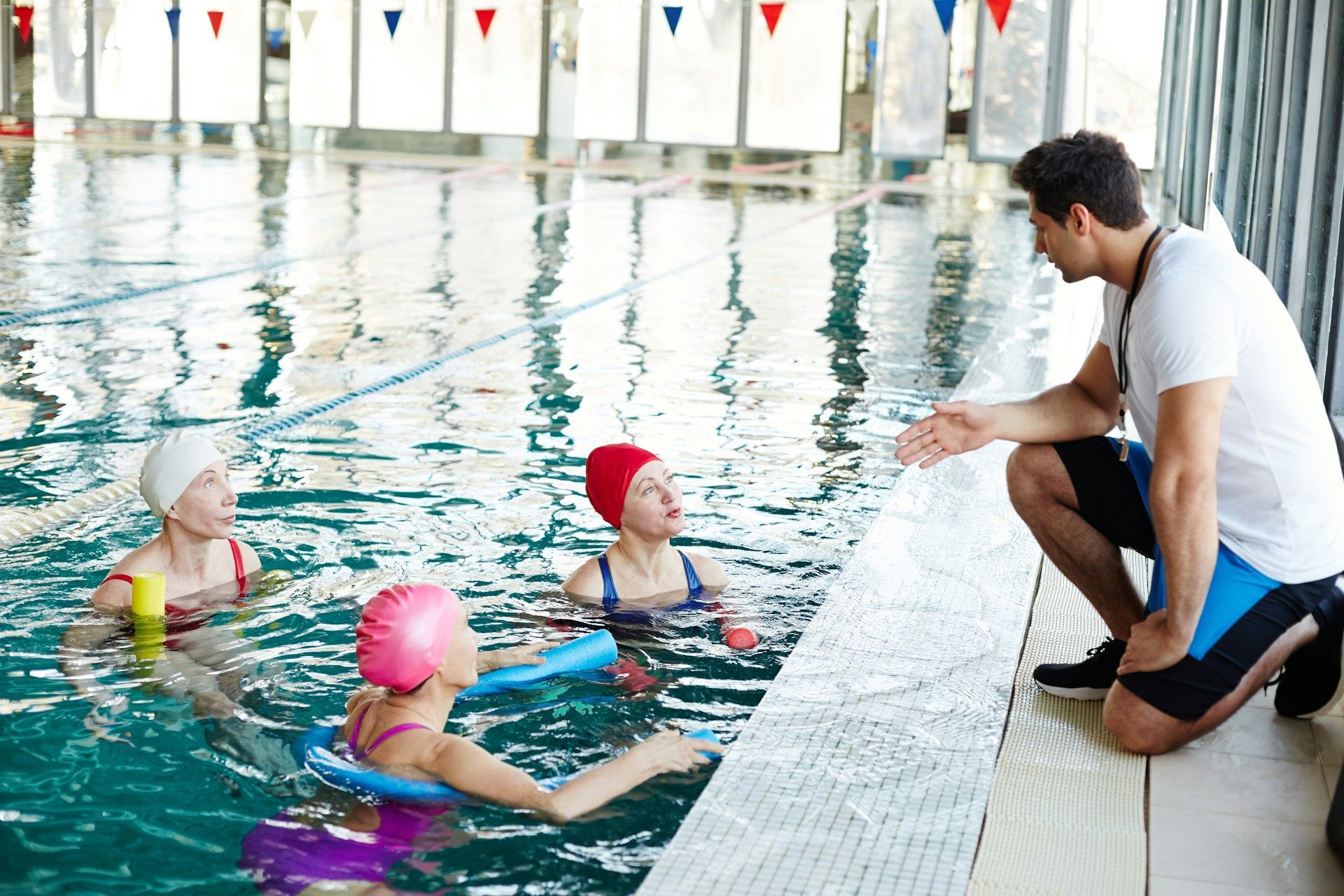
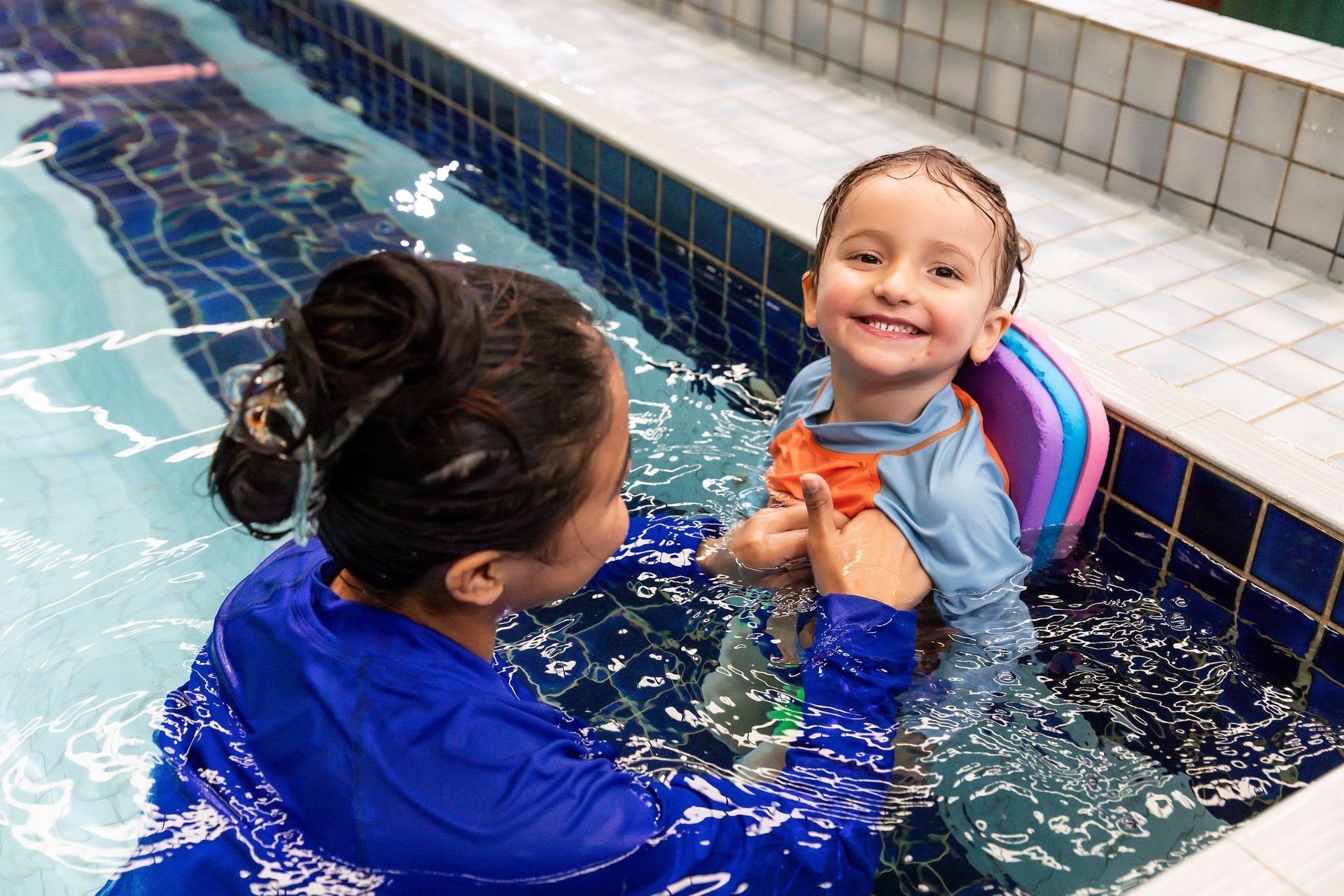
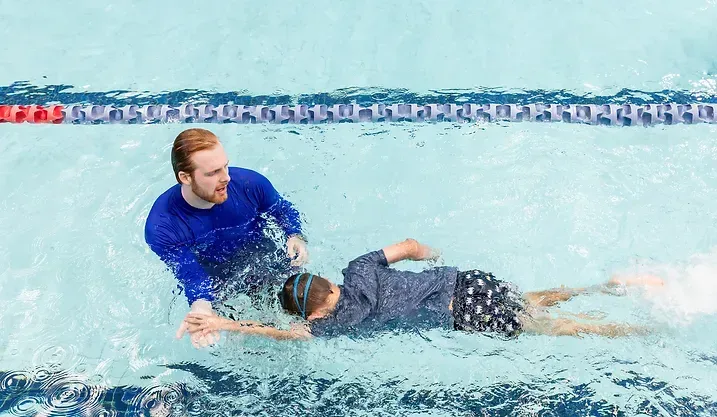
Instructor quality directly impacts your child's water safety and skill development. Qualified swim instructors hold updated certifications from recognized aquatic training organizations and possess practical experience teaching young children across diverse skill levels.
Key qualification criteria to verify before enrolling:
- Active Professional Certifications: Ensure teaching credentials, First Aid, and CPR certifications are current and recognized by national aquatic governing bodies.
- Pedagogical Experience: Experienced teachers adapt instructional methods to suit nervous beginners needing extra comfort or advanced swimmers refining technique.
- Behavioral Management: Seasoned instructors know how to keep children calm, engaged, and motivated while maintaining clear discipline during group lessons.
A qualified teacher does more than demonstrate strokes; they understand child psychology, motor skill development, and aquatic safety mechanics. When instructors possess strong pedagogical training, children feel secure enough to push past fear, resulting in faster progress and better technique retention.
Beyond initial certifications, ask management if their teaching staff participates in ongoing professional development. Leading facilities invest in continuous internal audits and technique workshops to ensure their instructors utilize up-to-date aquatic teaching methodologies.
Why Does the Student-to-Teacher Ratio Matter?
Class size directly affects the amount of direct supervision and personalized feedback your child receives during every lesson. Lower student-to-teacher ratios ensure greater safety on the pool deck and faster skill acquisition for developing swimmers.
Critical ratio considerations for parents:
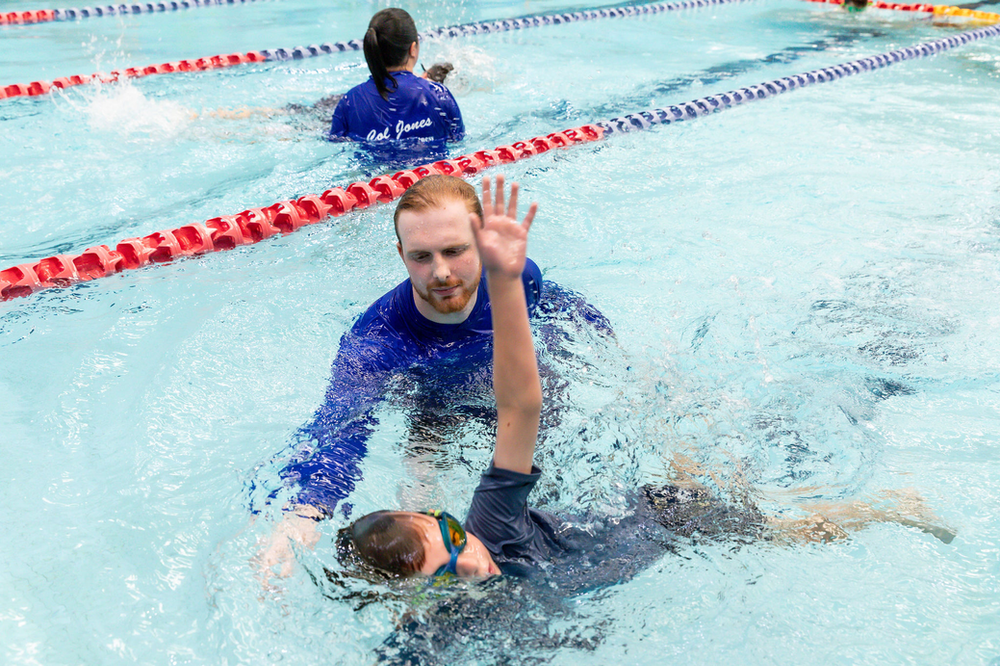
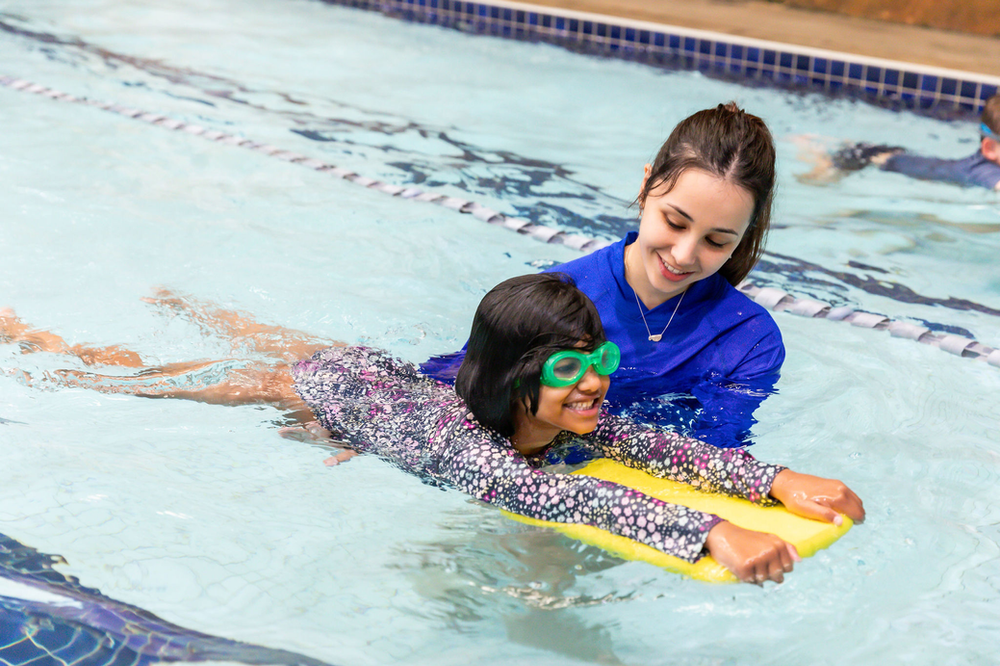
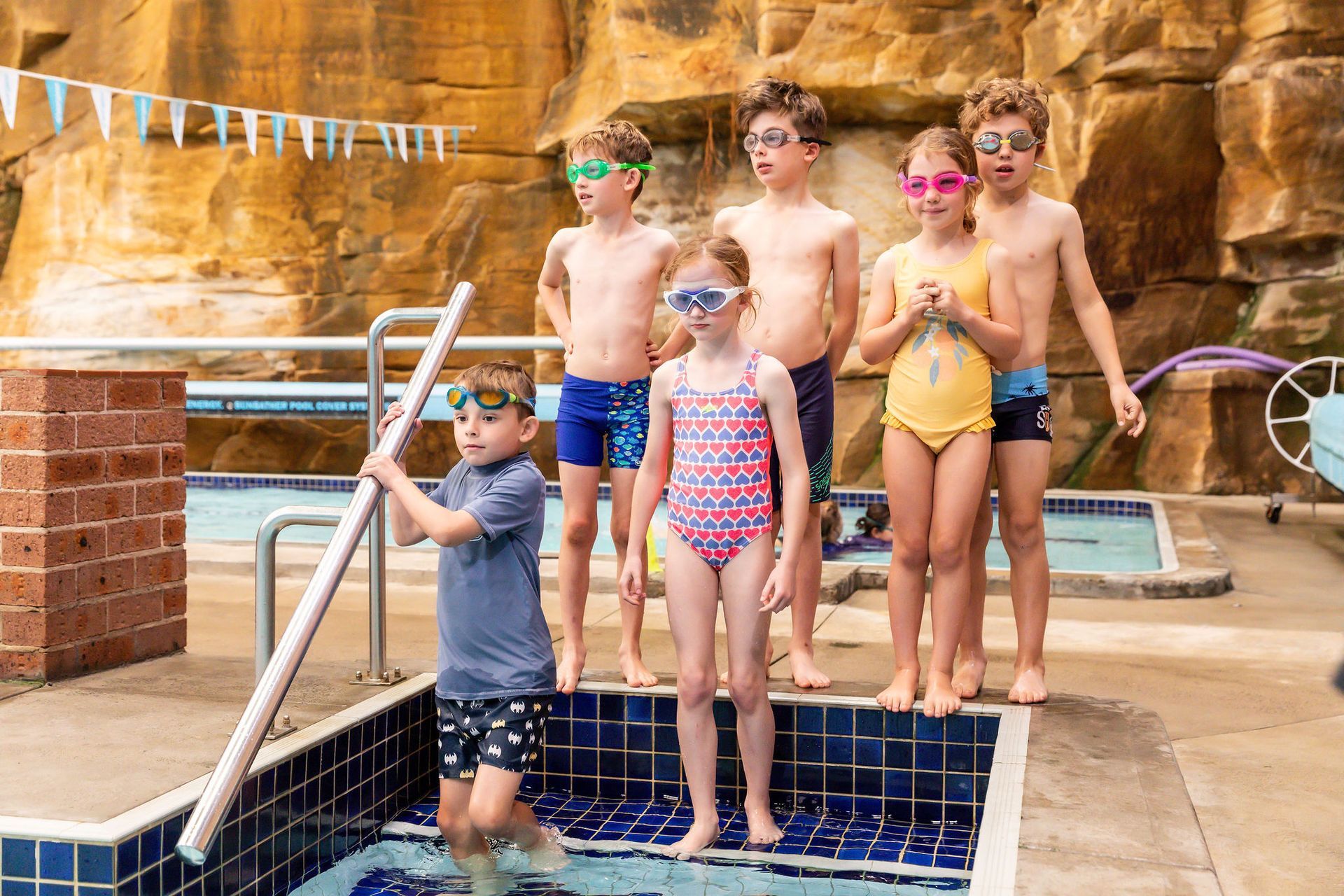
- Optimal Beginner Ratios: For foundational beginner classes, aim for a tight ratio of 4:1 to 6:1 students per instructor to guarantee constant hands-on guidance.
- Direct Supervision: Smaller classes allow instructors to maintain continuous visual contact with every swimmer, eliminating dangerous supervision gaps.
- Individualized Instruction: Teachers can tailor real-time feedback and mechanical corrections to each child's specific technique instead of relying on generalized group pacing.
When a swim school overloads its lanes with too many students per teacher, children spend excessive time sitting on the ledge waiting for their turn. This downtime leads to evaporative chilling, loss of attention, and slower physical progression across the term.
Tight student ratios maximize active swimming time during every session. With fewer children per lane, instructors spot form errors immediately, correct breathing mechanics on the spot, and keep young learners actively engaged throughout the entire class duration.
What Safety Measures Must a Swim School Have?
Water safety protocols must extend far beyond basic deck supervision. A reputable swim facility must maintain comprehensive emergency response procedures, well-trained lifeguard staff, and continuous water quality monitoring.
Essential Safety Checklist:
- Certified Emergency Responders: Are all on-duty instructors and deck supervisors fully certified in emergency resuscitation and pediatric First Aid?
- Routine Emergency Rehearsals: How frequently does the facility conduct staff safety drills, evacuation simulations, and accidental fouling protocols?
- Water Quality Protocols: How often is pool water tested for chemical balance, sanitization levels, and continuous filtration efficiency throughout the day?
- Facility Sanitation Standards: Are change rooms, pool decks, and teaching equipment sanitized regularly to prevent bacterial cross-contamination?
A facility's commitment to safety is instantly visible in its daily maintenance and staff vigilance. High-standard facilities maintain clear deck rules, active lifeguard towers, and state-of-the-art water filtration systems that keep warm pool water crystal clear.
Parents should never hesitate to inquire about emergency action plans. Professional facilities openly share their safety protocols, emergency exit routes, and water testing schedules, demonstrating complete transparency and commitment to student well-being.
How Should a Swim Curriculum Be Structured?
A strong swim curriculum provides clear, measurable progression from initial water acclimation through to stroke development and endurance squad training. Structured educational pathways prevent learning plateaus and keep children motivated as they achieve milestones.
- Evaluation Category
- Benchmark Requirement
- Parent Action Item
Class Size
Max 4–6 beginners per instructor
Request to view class rosters or observe a live session
Instructor Quality
Accredited certifications + CPR/First Aid
Ask management about staff training standards
Safety Drills
Regular emergency rehearsal protocols
Ask about facility emergency response procedures
Water Quality
Continuous filtration & regular chemical checks
Observe water clarity and facility cleanliness during a tour
Core progression stages to look for in a curriculum:
- Water Acclimation: Breath control, submersions, buoyancy, floating basics, and independent pool entries and exits.
- Stroke Development: Introducing freestyle, backstroke, breaststroke, and rhythmic side breathing with proper body alignment.
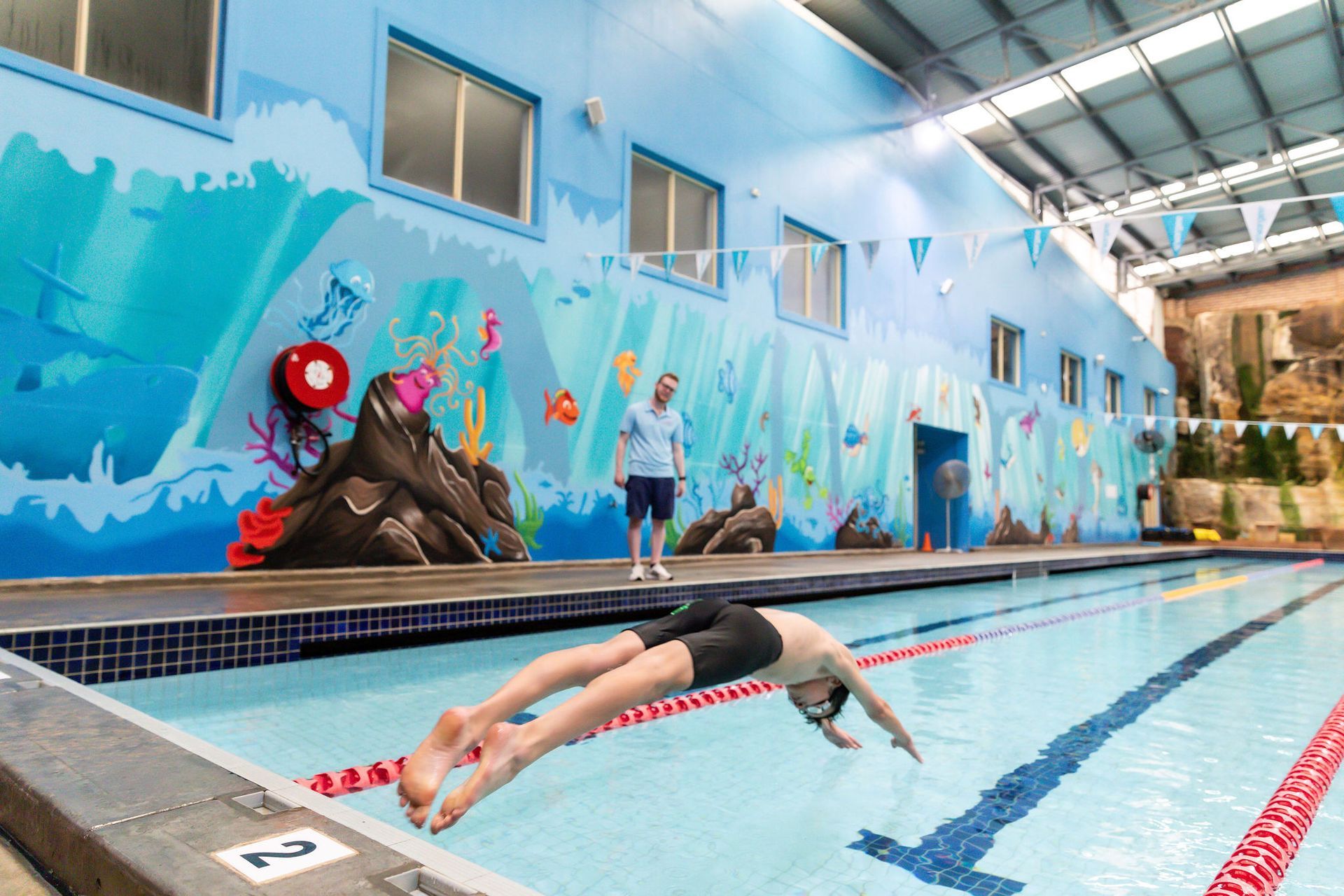
- Advanced Technique & Squads: Refining stroke efficiency, flip turns, diving starts, and building cardiovascular swimming stamina.
- Regular Progress Assessments: Programs should offer formal evaluations and parent feedback reports to track development transparently.
Structured curricula break complex motor movements into small, achievable steps. When children master foundational floating and balance before attempting full stroke mechanics, they build proper technique without developing compensating bad habits.
Transparent assessment systems keep parents informed of their child's growth. Highlighting clear benchmarks lets families celebrate earned level upgrades, fostering a long-term sense of pride and dedication toward aquatic fitness.
What Do Parent Reviews and Class Observations Reveal?
Direct feedback from current families offers invaluable insight into a facility's culture, cleanliness, instructor reliability, and administrative organization. Investigating a facility's community reputation helps confirm if their promises match daily operations.
Key observation steps before making your decision:
- Observe a Live Lesson: Request to view an active session to see how instructors manage class discipline, encourage hesitant swimmers, and structure lesson timing.
- Gather Parent Feedback: Read online reviews or speak to parents waiting on the pool deck regarding instructor consistency, makeup lesson policies, and scheduling flexibility.
- Evaluate Institutional Legacy: Established institutions like Col Jones Swim Tempe bring decades of community experience, structured progressions, and supportive learning environments tailored to local families.
Observing a live class reveals details that marketing brochures cannot capture. Watch how instructors handl
e a crying child, whether teachers stay active in the water alongside students, and how efficiently classes transition between time slots.
A positive, encouraging atmosphere on the pool deck indicates a healthy learning culture. When instructors display patience, energy, and genuine enthusiasm, children respond with increased effort, confidence, and enjoyment during every lesson.
How Does Col Jones Swim Tempe Meet Parent Standards?
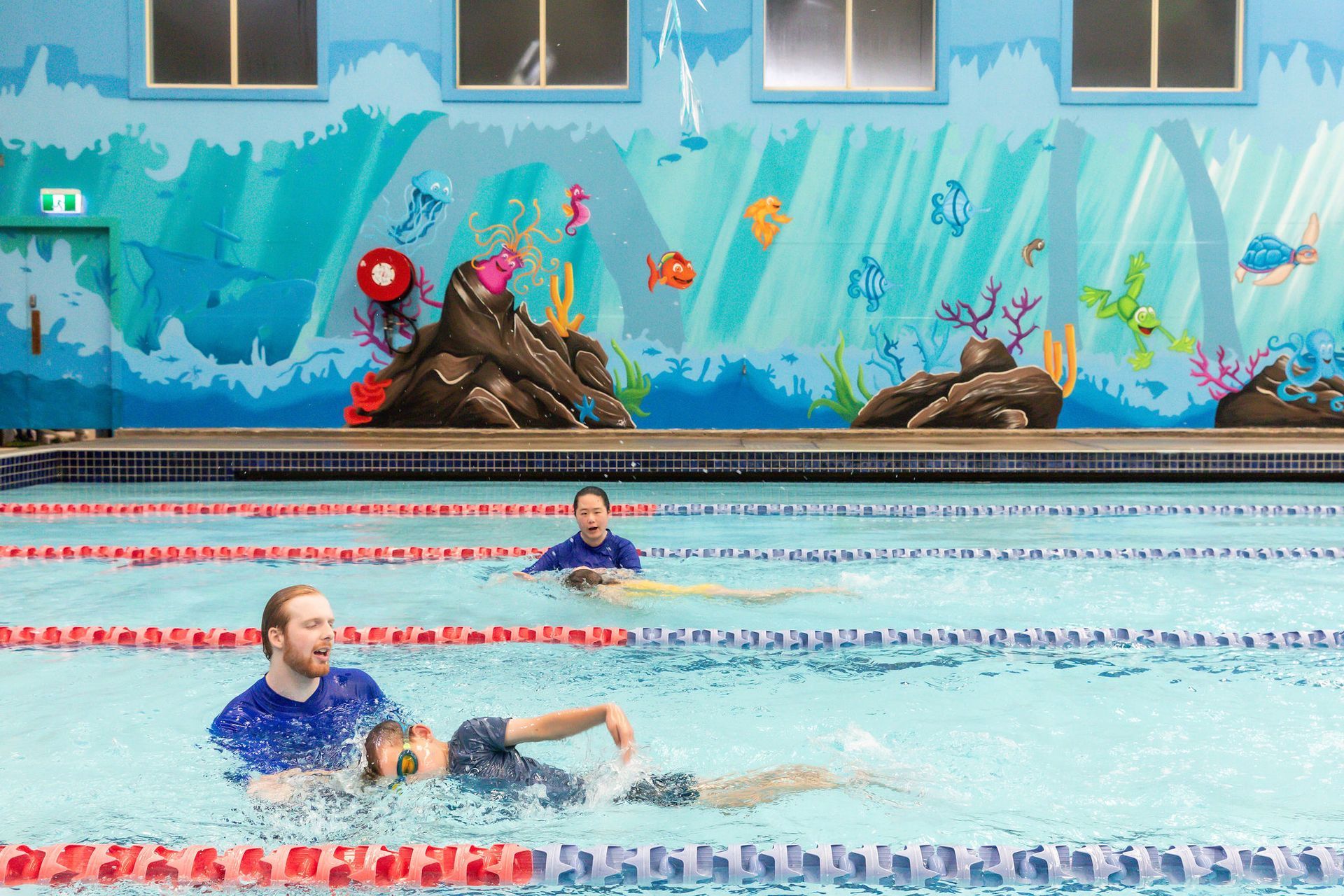
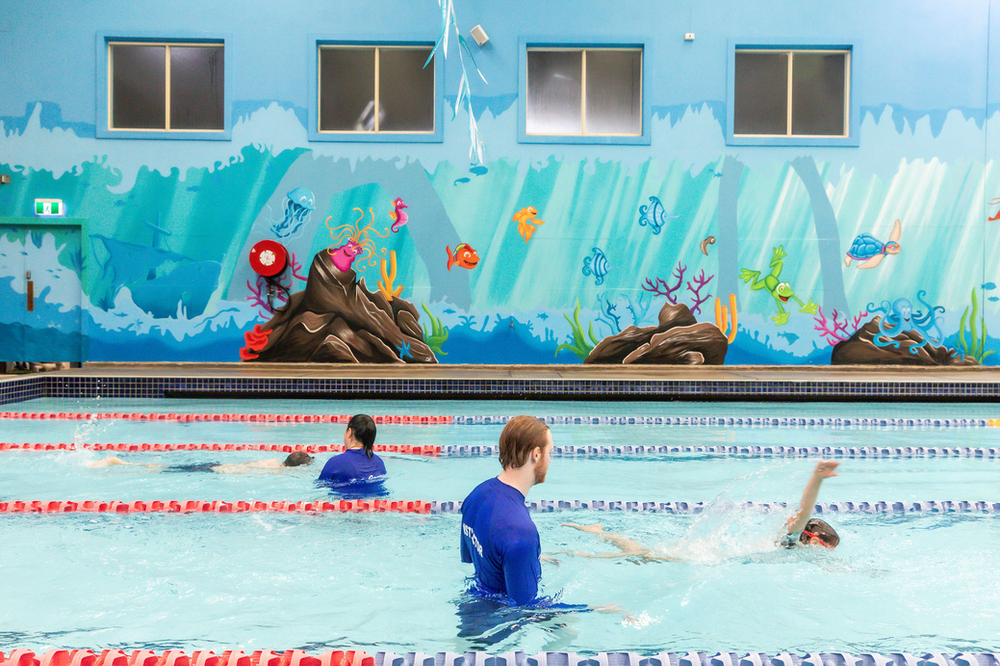
Operating continuously since October 1973, Col Jones Swim Tempe sets the benchmark for aquatic education across Inner West Sydney. The facility features three specialized heated pools, including a Small Beginner Pool, a Teaching Improver Pool, and a 25-metre Lap Pool, ensuring swimmers train in optimal water temperatures suited to their skill level.
With tight student-to-teacher ratios, highly accredited instructors, and a clear developmental curriculum, the school prioritizes safety, technique, and fun. Parents stay informed through real-time progress tracking, while eco-friendly heating and filtration systems guarantee a clean, warm, and welcoming environment year-round.
Conclusion
Summary
Choosing the right swim school involves verifying instructor accreditations, inspecting water safety protocols, insisting on low student-to-teacher ratios, and confirming a structured curriculum. Observing live classes and reading parent reviews offer authentic insights into facility management and teaching culture. Facilities like Col Jones Swim Tempe combine over 50 years of educational experience, state-of-the-art heated pools, and transparent skill tracking to give children a safe, confidence-building pathway toward lifelong swimming mastery.
Book a Strategy or Discovery Call
Give your child the foundation for a lifetime of water safety, confidence, and fitness. If you are ready to explore class options, tour our heated pool facilities, or arrange a skill assessment, contact our team today to speak with our friendly aquatic enrollment specialists.
Frequently Asked Questions:
What is the best age for a child to start swimming lessons?
Children can start water acclimation classes as early as six months old. Formal instruction focusing on independent floating, stroke mechanics, and survival skills typically begins between ages two and three.
How do I know if a swim school maintains good water quality?
Look for crystal-clear water without strong chemical odors. A quality facility tests pool chemistry multiple times daily, uses automated filtration, and keeps deck surfaces, gutters, and change rooms clean.
What should I do if my child is afraid of entering the pool?
Choose a facility with warm, heated pools and patient, experienced instructors. Small class sizes and gradual water acclimation allow nervous children to build comfort at their own pace without feeling rushed.
Why are heated pools important for beginner swim lessons?
Warm water prevents shivering and evaporative chilling, allowing young children to relax their muscles, stay focused on instruction, and enjoy longer, more productive practice sessions.
How can I track my child's progress throughout the term?
Select a facility that offers regular skill evaluations and digital parent portals. Online progress tracking allows parents to review completed benchmarks, view earned badges, and discuss next steps with teachers.