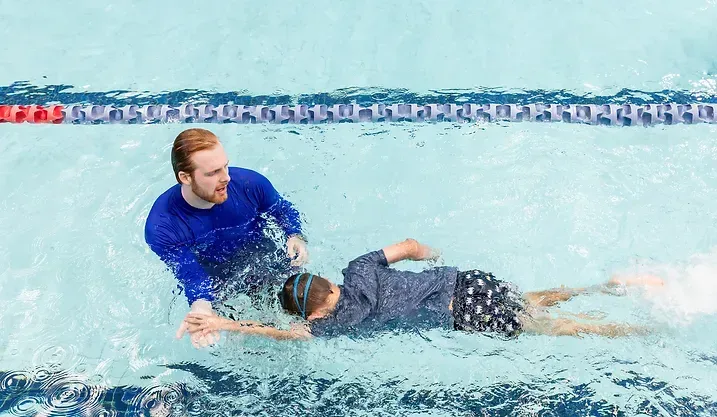
Winter Swim Tips: How to Keep Kids Healthy After Lessons
Key Takeaways
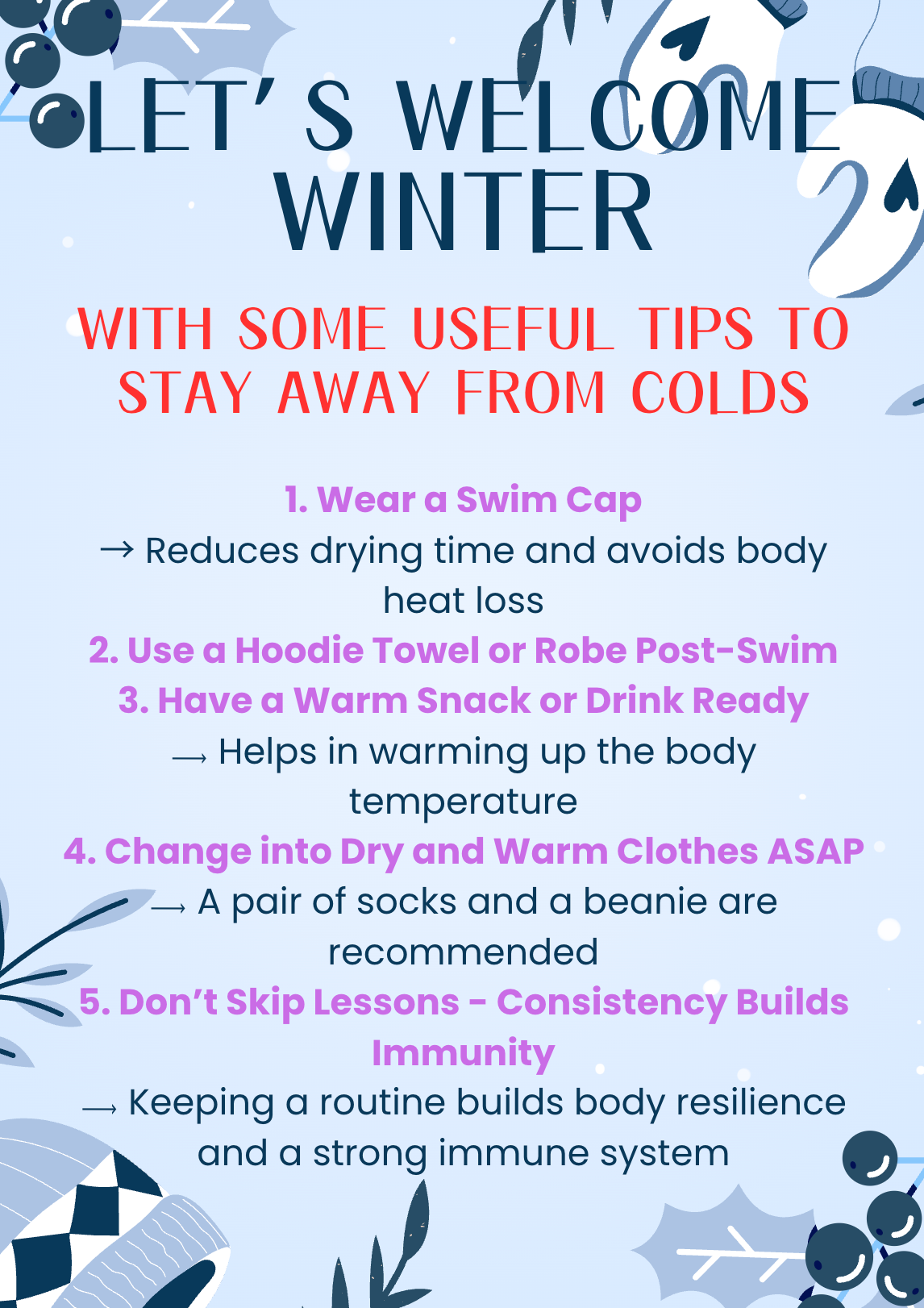
- Immediate Warmth Routine: Utilizing essential winter swim tips, like instant towel wraps, thermal beanies, and dry socks, prevents post-swim chills right after leaving heated water.
- Skill Continuity: Continuing year-round swimming lessons through the colder months prevents skill regression, maintains muscle memory, and preserves water safety habits.
- Internal Temperature Recovery: Offering warm drinks or nutritious snacks immediately following a lesson helps raise core body temperature and restores depleted energy.
- Thermal Protection Devices: Wearing silicone or fabric swim caps significantly reduces heat loss from wet hair and streamlines change-room routines.
- Comfortable Facilities: Choosing a facility like Col Jones Swim Tempe provides access to indoor heated pools and climate-controlled change areas to make winter transitions effortless.
Introduction
Keeping kids healthy after winter swim lessons requires immediate post-swim warmth, thorough drying, and proper nutrition. To prevent post-swim chills, wrap children in hooded towels immediately, change them into dry clothing (including beanies and socks), and serve a warm drink or snack. Maintaining consistent winter swimming supports immune health, preserves skill progression, and keeps water safety habits strong year-round.
While many parents consider pausing aquatic activities during the colder months, winter is actually one of the most beneficial seasons for skill development. Staying consistent ensures that children retain their hard-earned floating balance, breathing mechanics, and confidence without experiencing a long seasonal gap. When families incorporate simple, practical routines before and after stepping onto the deck, children transition smoothly from warm water to outdoor air.
Managing winter swimming comes down to intentional post-pool habits. From thermal layering to smart nutrition, taking proactive steps turns cold-weather lessons into an enjoyable routine. Dedicated facilities like Col Jones Swim Tempe maintain warm, climate-controlled environments so young swimmers can stay active, healthy, and confident all year long.
Why Should Children Continue Swim Lessons During Winter?
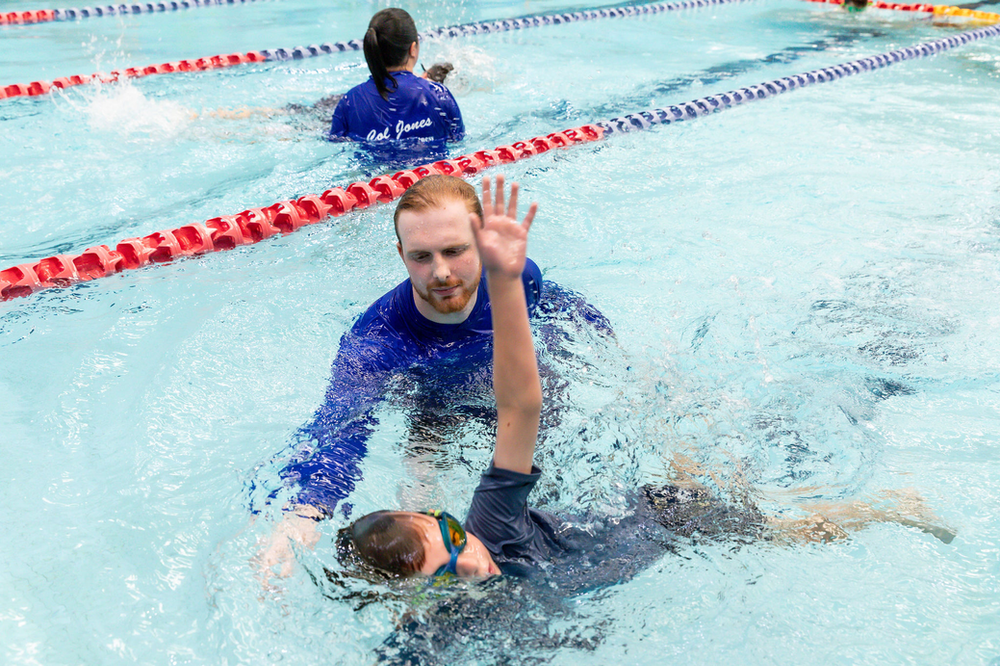
Pausing swim lessons during winter can cause young swimmers to lose skill, momentum, confidence, and aquatic fitness. Swimming is an essential year-round life skill rather than a seasonal sport.
Key benefits of continuous winter swimming:
- Prevents Skill Regression: Maintains muscle memory, breath control, side breathing mechanics, and kicking strength built over spring and summer.
- Supports Immune Resilience: Regular low-impact physical activity strengthens cardiovascular endurance, boosts circulation, and promotes overall physical resilience.
- Sustains Lifelong Water Safety Habits: Keeps critical survival skills fresh ahead of summer beach trips, backyard pool gatherings, and family vacations.
When children take several months off during winter, they often face "restart anxiety" and physical regression when re-entering the water in spring. Instructors frequently spend the first several weeks of warm weather re-teaching basic floating and breath control.
Consistent attendance eliminates this re-learning curve. By continuing swimming lessons through the colder months, kids move smoothly into advanced stroke levels while keeping water safety habits sharp.
How Does a Swim Cap Help Keep Kids Warm?
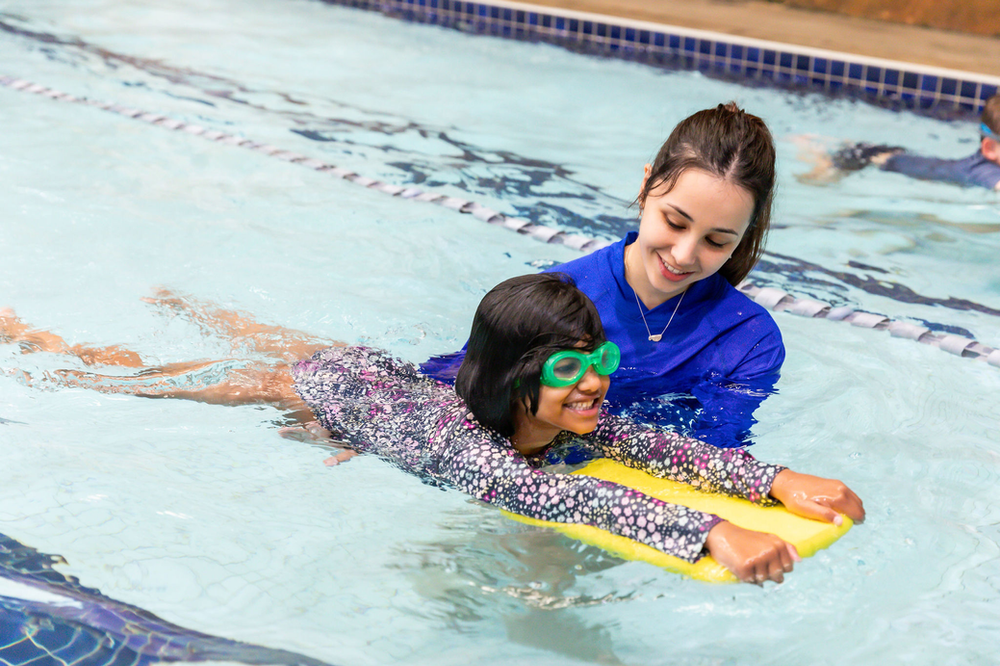
Body heat escapes rapidly through a wet head. Wearing a silicone or fabric swim cap during winter lessons provides an effective thermal layer that minimizes water exposure to hair.
Key thermal advantages of swim caps:
- Reduces Rapid Body Heat Loss: Keeps hair largely dry during practice, preventing rapid evaporative cooling when kids exit heated pool water.
- Saves Change-Room Time: Minimizes the need for extensive hair drying after class, allowing kids to get dressed and bundled up much faster.
- Improves Goggle Fit and Streamlining: Keeps hair securely out of the eyes, allowing young bathers to focus entirely on instructor guidance.
Silicone caps offer greater water resistance and heat preservation, making them an ideal choice for winter swimming. For children sensitive to hair pulling, fabric or lycra caps still provide a helpful barrier against cold air drafts.
Using a cap also protects hair from chlorine exposure, which can leave hair dry or brittle during winter. Pairing a swim cap during class with a warm beanie immediately afterward creates an effective thermal barrier against winter air.
What Are the Best Post-Swim Changing Tips for Winter?
Preventing post-swim chills relies on getting children fully dry and into warm clothing before leaving the indoor facility. A well-organized gym bag makes the transition from pool deck to family car fast and comfortable.
Actionable post-swim changing tips:
- Wrap Up Immediately: Place a plush microfiber robe or hooded towel on your child as soon as they step off the pool deck.
- Dry Off Completely: Ensure the skin, hair, ears, and feet are thoroughly dry before putting on heavy winter attire.
- Dress in Full Thermal Layers: Pack a complete change of dry clothing, including thick socks, comfortable pants, a cozy sweater, and a warm beanie, avoid wearing wet swimwear home under winter jackets.
- Post-Swim Practice
- Recommended Equipment
- Health & Comfort Benefit
Head Warmth
Swim cap & thermal beanie
Reduces rapid body heat loss through wet hair
Body Coverage
Hooded towel or microfiber robe
Retains core body warmth on the pool deck
Internal Warming
Thermos with warm soup or drink
Quickly raises core body temperature from within
Complete Changing
Dry socks, pants, and warm layers
Prevents prolonged dampness and shivering
Packing an extra dry towel for the change-room floor prevents cold, wet feet while dressing. Taking a few extra minutes to dry hair and bundle up keeps your child comfortable on the drive home.
How Do Warm Snacks and Drinks Help After Lessons?
Consuming warm foods or drinks immediately following a swim helps raise a child's internal body temperature from the inside out while refueling spent muscles.
Nutritional warming strategies:
- Pack Thermos Warmers: Bring a small thermos filled with warm herbal tea, mild soup, warm milk, or hot cocoa for your child to enjoy while changing.
- Replenish Energy Stores: Provide a balanced snack combining complex carbohydrates and protein, such as whole-grain toast with banana or cheese cubes, to rebuild energy stores.
- Stabilize Mood and Energy: Post-workout snacks prevent blood sugar dips, helping children feel relaxed and contented after active exercise.
Active swimming burns significant calories, even in warm water. Providing an immediate warm snack stabilizes energy levels and restores core warmth before heading into the cold outdoor air.
Encourage your child to sip their warm drink slowly while sitting in the change area. This simple ritual establishes a rewarding post-swim habit that kids look forward to each week.
How Can Consistency Help Build Your Child's Resilience?
Sticking to a regular swimming routine helps children adapt comfortably to seasonal temperature shifts while reinforcing self-discipline and mental toughness.
Building seasonal resilience:
- Eliminates Restart Anxiety: Continuous participation builds emotional comfort around seasonal shifts, ensuring children view swimming as a year-round activity.
- Strengthens Mindset: Attending class through rainy or cold days teaches children consistency and goal-oriented commitment.
- Fosters Social Continuity: Keeping children in their regular weekly class preserves connections with their favorite instructors and peers.
Maintaining attendance through the colder months ensures kids don't face skill plateaus or loss of confidence when spring arrives. Front desk staff and instructors at local facilities can provide tailored winter swim tips to make winter lesson transitions smooth and comfortable for your family.
Establishing a reliable winter routine builds physical and mental resilience that benefits children far beyond the swimming pool.
How Does Col Jones Swim Tempe Support Winter Swimmers?
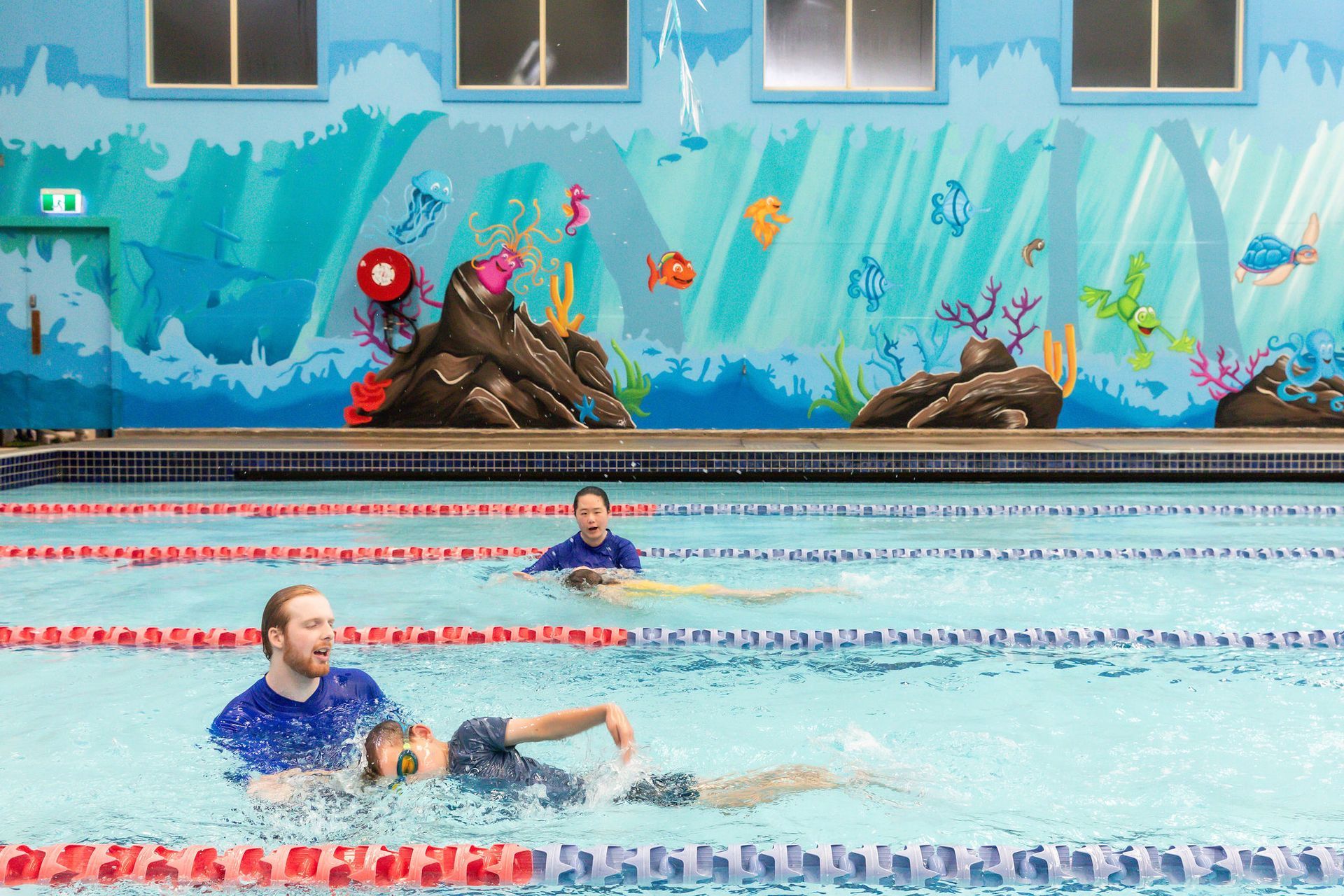
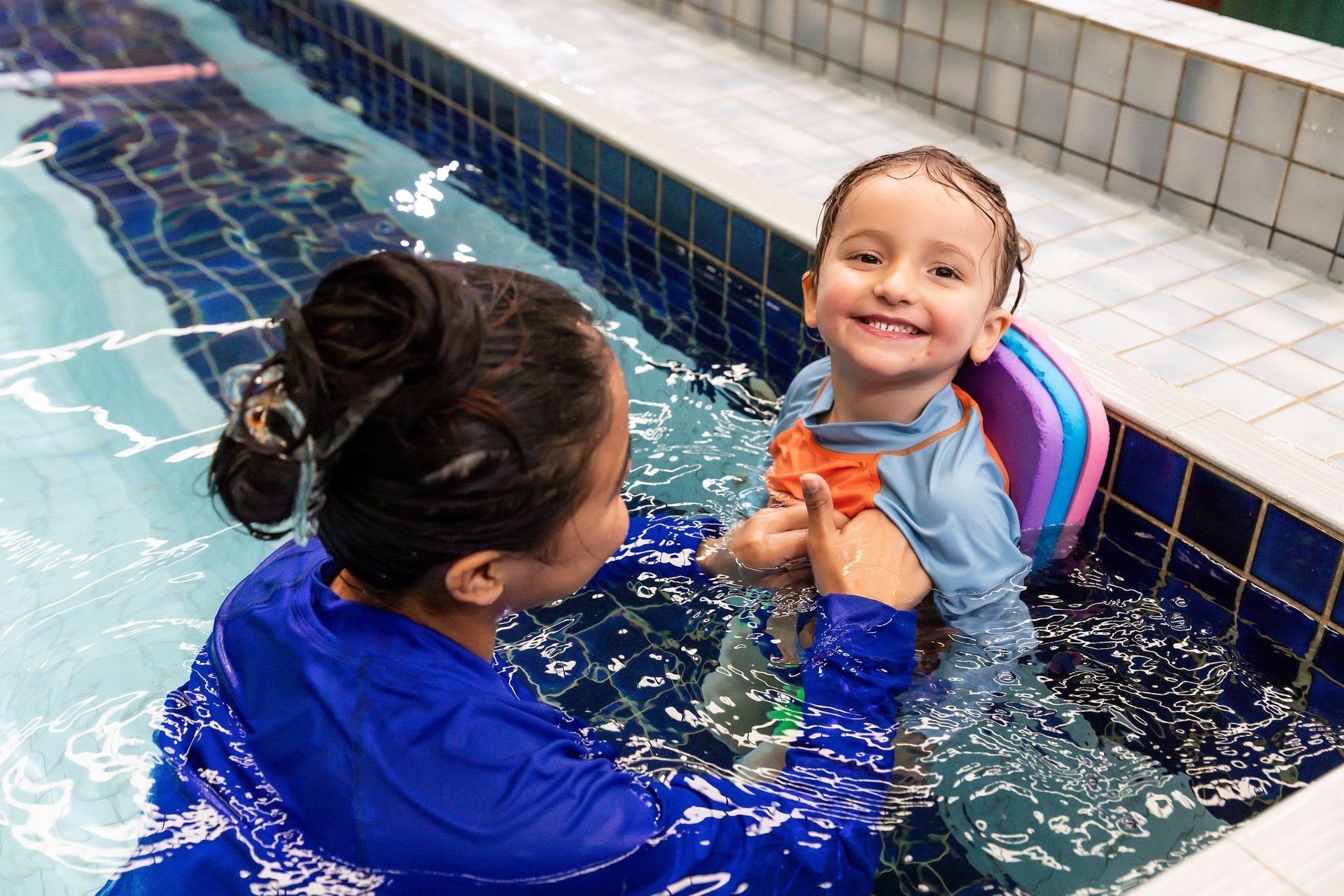
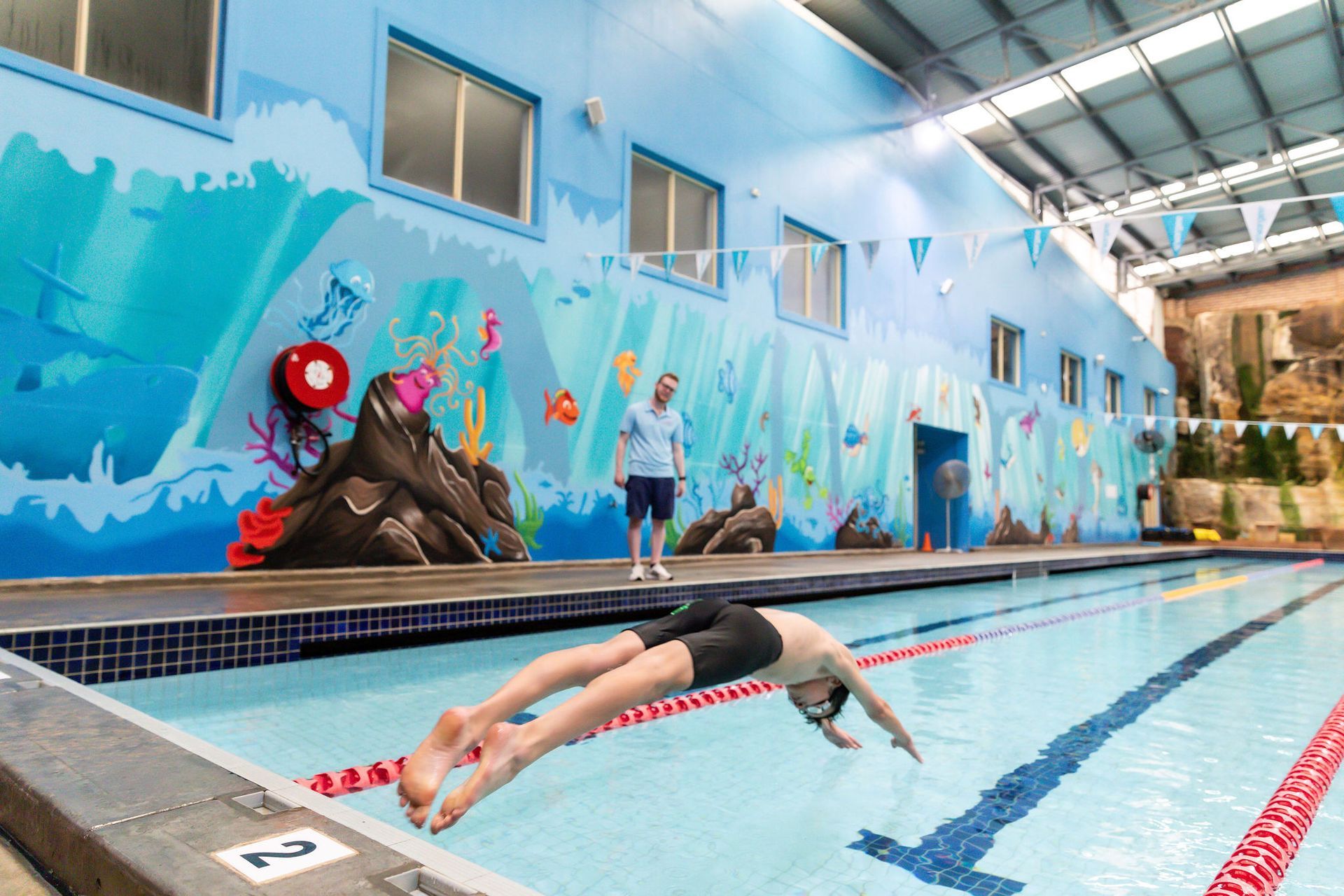
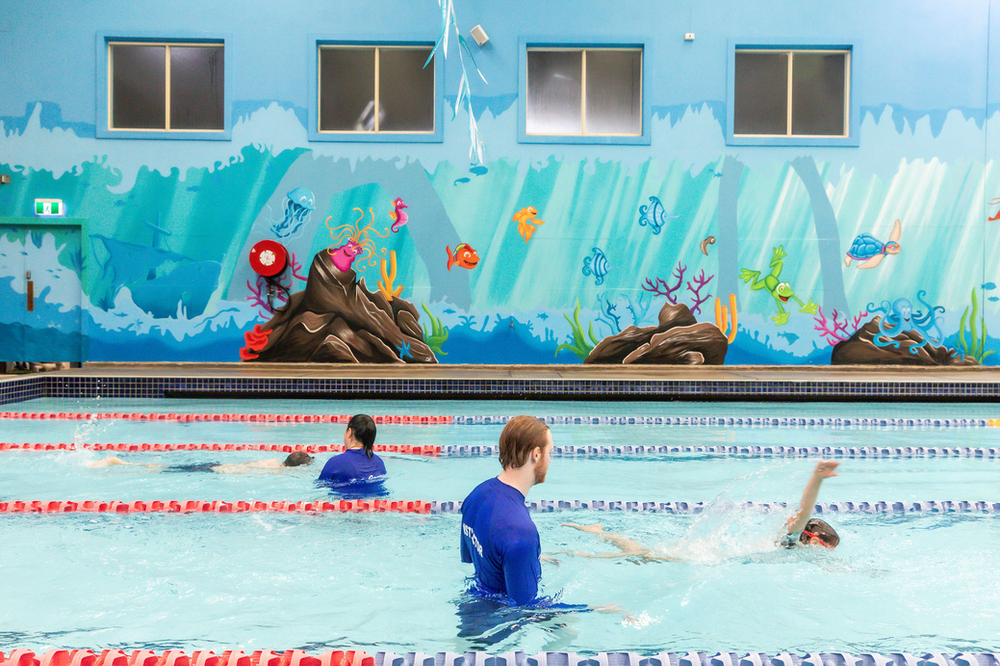
Facilities like Col Jones Swim Tempe are designed to make winter swimming comfortable for families. Featuring three indoor heated pools, including a Small Beginner Pool, a Teaching Improver Pool, and a 25-metre Lap Pool, water temperatures are maintained year-round for optimal swimmer comfort.
The indoor facility shields bathers from wind and cold outdoor temperatures. Coupled with eco-friendly pool heating systems and climate-controlled change-room amenities, Col Jones Swim Tempe ensures that parents and students enjoy a warm, hygienic environment during every winter lesson.
Conclusion
Summary
Implementing smart winter swim tips allows children to stay warm, healthy, and progress-focused during cold-weather months. Continuing year-round swimming lessons protects hard-earned motor skills, maintains breath control, and supports cardiovascular resilience. Simple post-swim habits, such as wearing swim caps, wrapping in microfiber robes, drying off thoroughly, wearing thermal beanies, and enjoying warm thermos drinks, prevent post-pool chills. Purpose-built indoor facilities like Col Jones Swim Tempe provide heated indoor pools and warm change areas so children can safely build confidence and water safety skills all year long.
Continuing swimming lessons through the winter season is one of the best ways to preserve your child's aquatic momentum, build physical stamina, and reinforce critical water safety habits. By using simple post-swim strategies, such as wearing silicone caps, drying off thoroughly, layering with thermal clothing, and enjoying a warm drink, parents can easily keep chills at bay. Premier facilities like Col Jones Swim Tempe offer warm, climate-controlled environments that make winter swim routines comfortable, fun, and highly effective for families year-round.
Book a Strategy or Discovery Call
Keep your child's aquatic momentum going strong all year round. If you want to learn more about our winter indoor heating, review class options, or schedule a level assessment, contact our team today to speak with our friendly aquatic specialists.
Frequently Asked Questions:
What is the ideal humidity level for an indoor swimming pool facility?
The ideal relative humidity for an indoor pool facility is between 50% and 60%. Maintaining humidity within this range prevents uncomfortable deck conditions, reduces surface evaporation, and protects building materials from condensation and mold.
Why does a strong chemical smell indicate poor indoor pool ventilation?
A strong "pool smell" is caused by chloramines, which form when chlorine binds with organic matter. Chloramines off-gas into the air and settle near the water line. A strong smell indicates that the exhaust ventilation system is not extracting these airborne compounds efficiently.
What is the difference between air circulation and an air exchange system?
Air circulation simply moves existing indoor air around a room using standard fans. An air exchange system actively exhausts stale, humid indoor air to the outside while bringing in, filtering, and conditioning fresh outdoor air to restore oxygen levels and remove contaminants.
How does indoor pool ventilation prevent structural damage to the building?
Ventilation prevents structural damage by extracting excess moisture before it can condense on walls, steel beams, and ceilings. Controlling condensation prevents metal corrosion, structural wood rot, concrete degradation, and hidden mold growth within building cavities.
How does air temperature affect indoor pool evaporation rates?
Air temperature directly impacts evaporation. To minimize evaporation, ambient air temperature should be kept 1°C to 2°C (2°F to 4°F) warmer than the pool water temperature. If the air is cooler than the water, evaporation accelerates rapidly, increasing humidity levels.