Overcoming Water Anxiety: First Steps in Learning to Swim
Key Takeaways
- Root Cause Identification: Successfully overcoming water anxiety starts with identifying whether fear stems from past submersions, sensory overload, or lack of early water exposure.
- Low-Pressure Home Routines: Playful bath time exercises, gentle face wetting, and positive aquatic storybooks normalize water interaction in a safe environment.
- Incremental Exposure: Stepping into warm, shallow water at a child's own pace preserves personal control and prevents emotional panic responses.
- Professional Pacing: Certified swim teachers utilize peer social modeling, game-based drills, and predictable structures to transform aquatic apprehension into confidence.
- Warm Environment Advantage: Specialized centers like Col Jones Swim Tempe provide climate-controlled indoor pools that make first swimming experiences relaxing and enjoyable.
Introduction
Overcoming water anxiety in children requires patience, gradual exposure, and supportive instruction. Fear of water often stems from past scary experiences, lack of familiar exposure, or hearing negative stories. By introducing gentle water play, setting small achievable goals, and enrolling in structured swim lessons, parents and instructors can help anxious children build confidence and essential life-saving skills.
Feeling hesitant or scared around a pool deck is a natural response for a young child encountering a large, unfamiliar environment. The sensory input of loud echoes, splashing water, and deep lanes can trigger physical tension and panic. When parents pressure a nervous child to jump straight into lessons, that natural apprehension often hardens into a persistent fear.
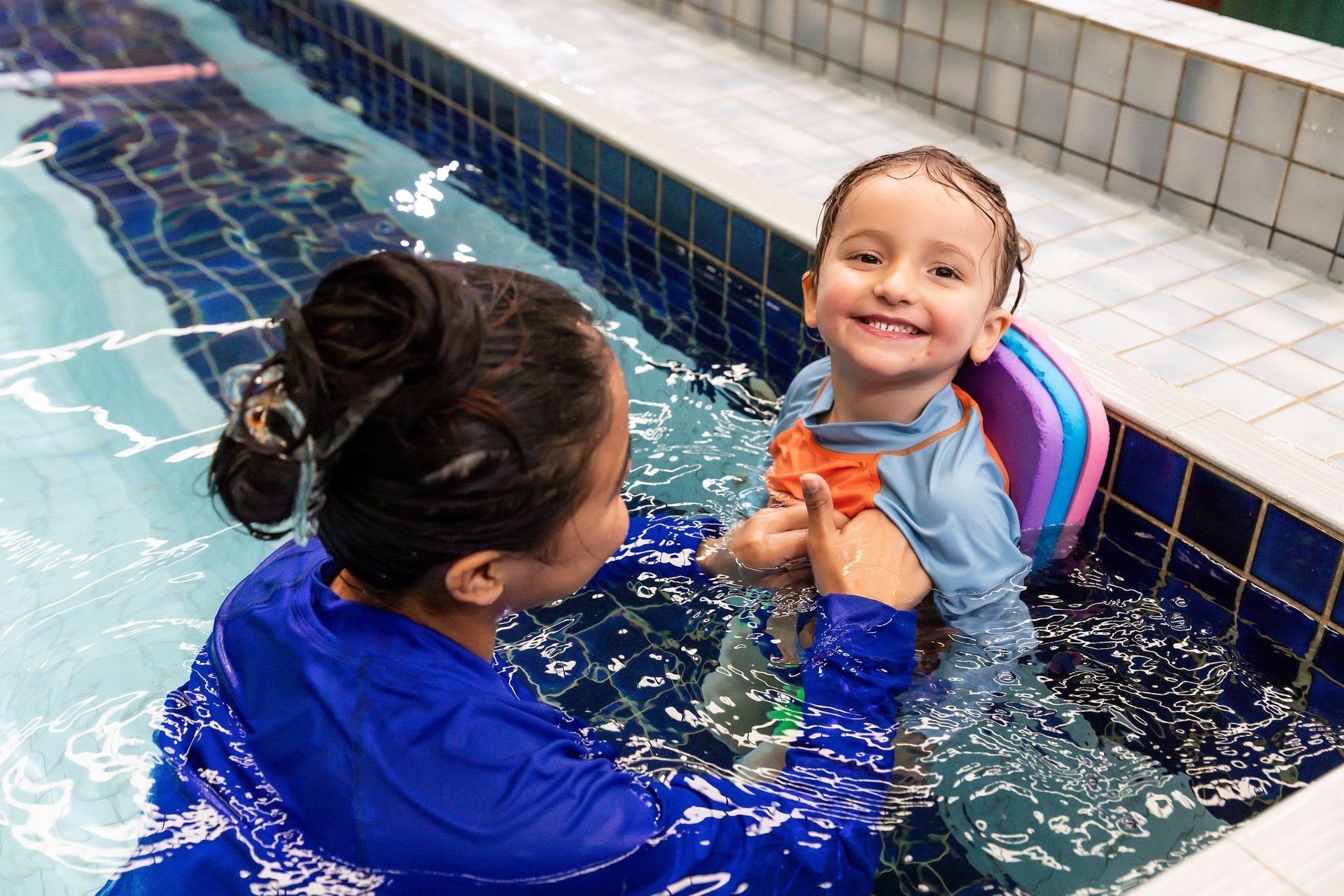
Taking a thoughtful, compassionate approach turns the pool deck from an intimidating space into a welcoming environment. By enrolling in professional programs at Col Jones Swim Tempe, children gain access to warm, shallow pools, small student-to-teacher ratios, and patient instructors who prioritize emotional security alongside physical progress.
What Causes Water Anxiety in Young Children?
Water anxiety manifests as reluctance, crying, or physical resistance when approaching or entering the water. Identifying the root cause helps parents address hesitation with targeted empathy and patience rather than frustration.
Common root causes include:
- Negative Past Experiences: A previous scare, accidental submersion, or getting soap and water stuck in the eyes during bath time can leave lingering fears.
- Lack of Early Exposure: Children who grow up far from pools or coastal areas often fear deep water simply because it is unfamiliar to them.
- Learned Fear and Anxiety: Hearing adults or peers discuss drowning hazards nervously can create a subconscious association between water and danger.
- Sensory Overload: Cold water temperatures, loud echoes in indoor facilities, and bright reflections can overwhelm children with sensitive nervous systems.
Understanding that fear is a protective mechanism allows adults to meet the child with reassurance. Children need to feel heard and validated when they express discomfort rather than being told that their fear is silly or imaginary.
Once the underlying trigger is clear, parents and teachers can adapt to the learning environment. Whether that means starting in warmer water, providing earplugs, or spending extra time sitting on the steps, targeted adaptations make a massive difference.
How Can You Create a Comfortable Environment at Home?
Acclimating children to water outside the pool setting builds positive associations without high-pressure expectations. Bath time provides a controlled, comfortable space where parents can introduce foundational safety concepts through casual play.
Effective home strategies include:
- Positive Bath Time Play: Use cups, watering cans, and floating toys to make gentle splashing and pouring water over the shoulders lighthearted and fun.
- Gentle Facial Acclimation: Practice placing a damp cloth over the eyes or blowing bubbles in a small dish of water to normalize facial water contact.
- Read Water Stories: Introduce illustrated storybooks showing friendly aquatic adventures to spark curiosity and positive expectations.
- Low-Pressure Pool Visits: Take casual trips to a local pool deck just to dip toes in from the edge, eat a snack, and watch other kids swim happily.
Creating fun bath time games removes the performance pressure that anxious children feel during formal lessons. When a child learns that water on their face during bath play is harmless, they transfer that confidence to the public pool deck.
Consistency is key during home acclimation. Spending five minutes every evening blowing water bubbles in the tub builds muscle memory and breath control far more effectively than a single high-stress weekend trip to a crowded public venue.
What Are Gentle Techniques for Initial Exposure?
Forcing an anxious child into deep water escalates panic and damages trust between the student, parent, and teacher. Instead, incremental exposure gives children a sense of personal control over their body and safety.
Recommended exposure techniques:
- Controlled Shallow Entry: Allow children to step onto shallow pool steps at their own speed while holding an adult's hand securely.
- Gradual Submersion Steps: Encourage kids to wet their toes, knees, and shoulders first before attempting to dip their chin or blow surface bubbles.
- Gamified Splash Drills: Play simple games like fetching floating rings or splashing duck toys to distract from fear and promote natural movement.
- Anchor Points: Teach children to hold firmly onto the pool gutter or wall so they know they always have an immediate safe grip.
Image Suggestion: A gentle, step-by-step visual flowchart showing a child moving from sitting on the pool edge to dipping toes, wetting shoulders, blowing bubbles, and doing a supported float.
Breaking submersion down into micro-steps preserves the child's dignity and self-regulation. If a child hesitates to put their face in the water, asking them to touch their lips to the surface first makes the task achievable.
Praise should focus on effort rather than outcome. Celebrating a child for sitting on the pool step for five minutes without crying builds internal motivation and prepares them for the next milestone.
How Do Instructors Help Ease Water Anxiety?
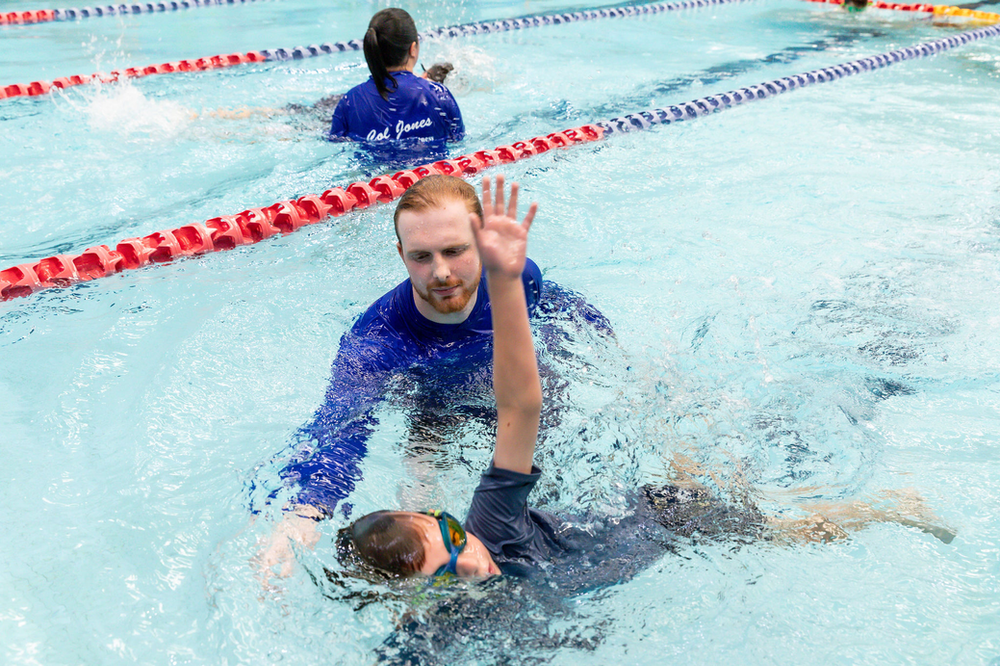
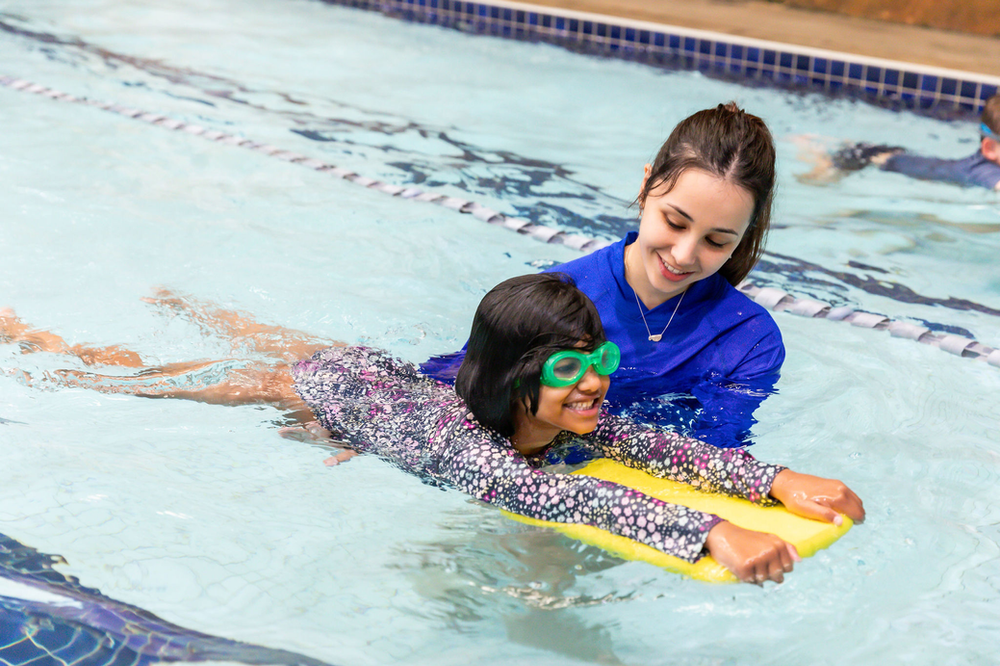
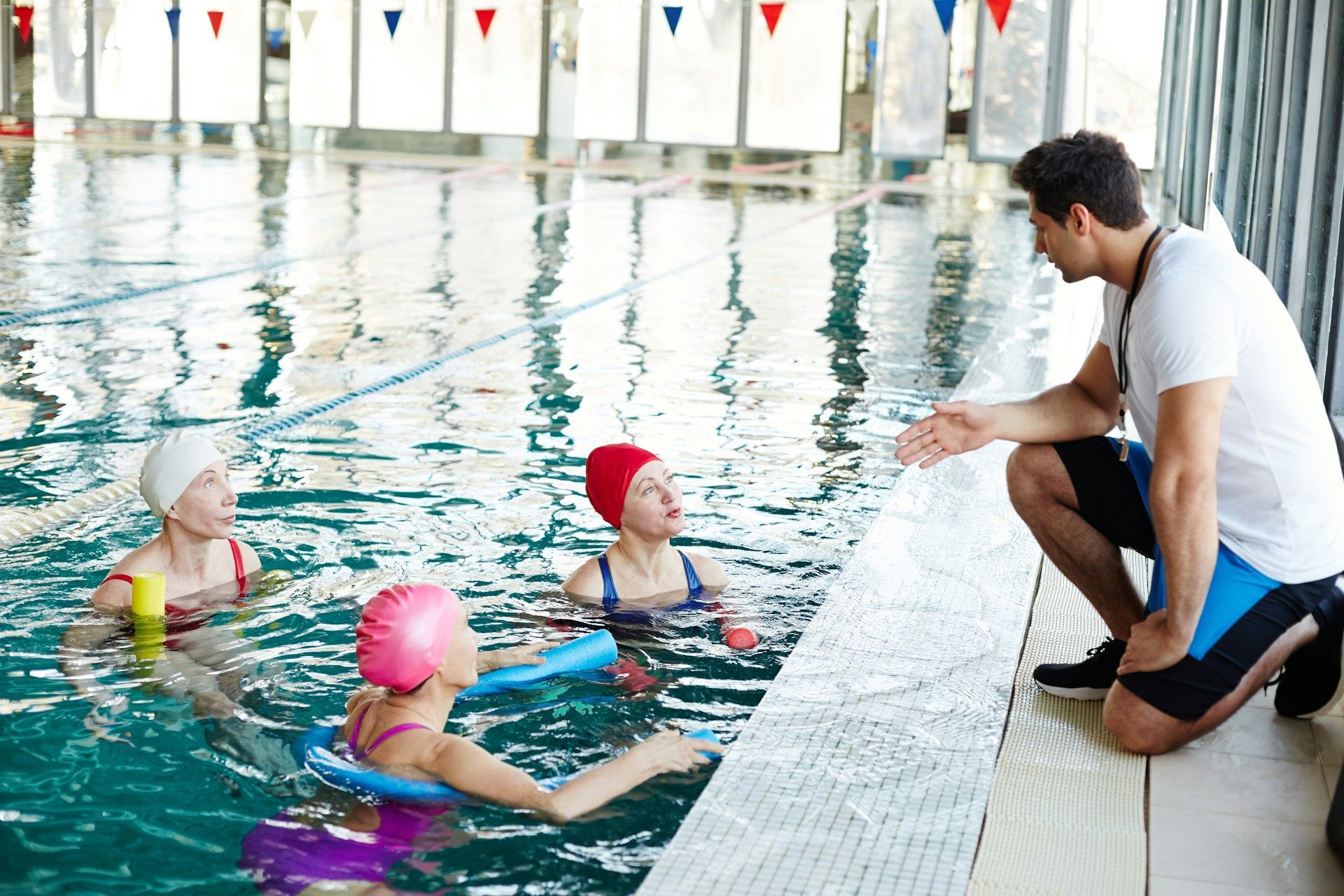
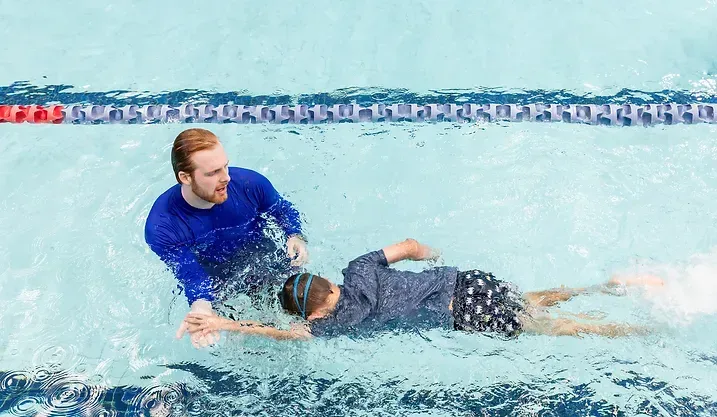
Certified instructors are trained to navigate aquatic anxiety using structured, child-centered teaching methods. Professional teachers combine physical empathy with clear boundary setting to establish a secure learning framework.
Key professional teaching strategies:
- Pacing Adaptations: Instructors adjust lesson intensity dynamically, slowing down when a swimmer shows signs of stress and offering breaks.
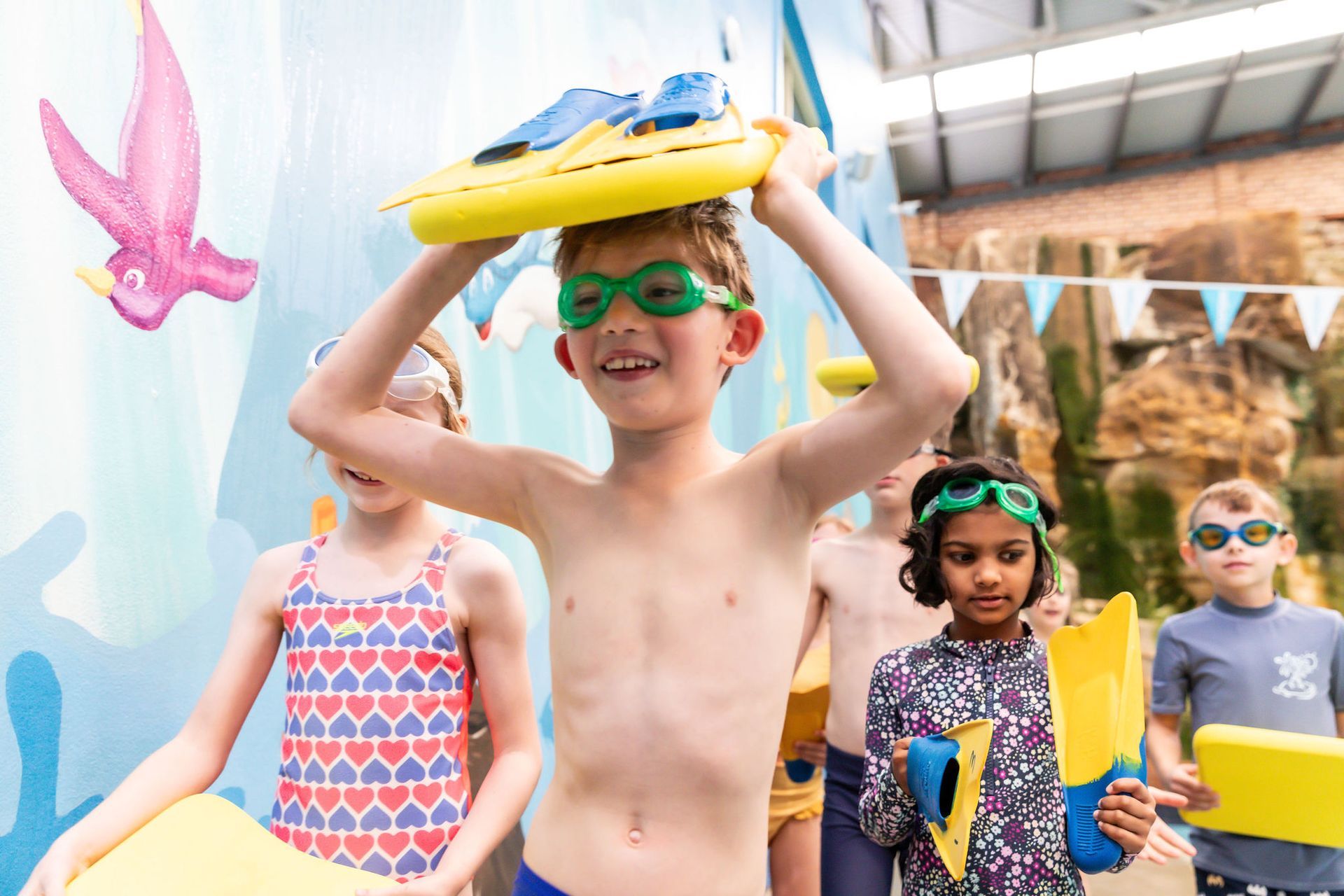
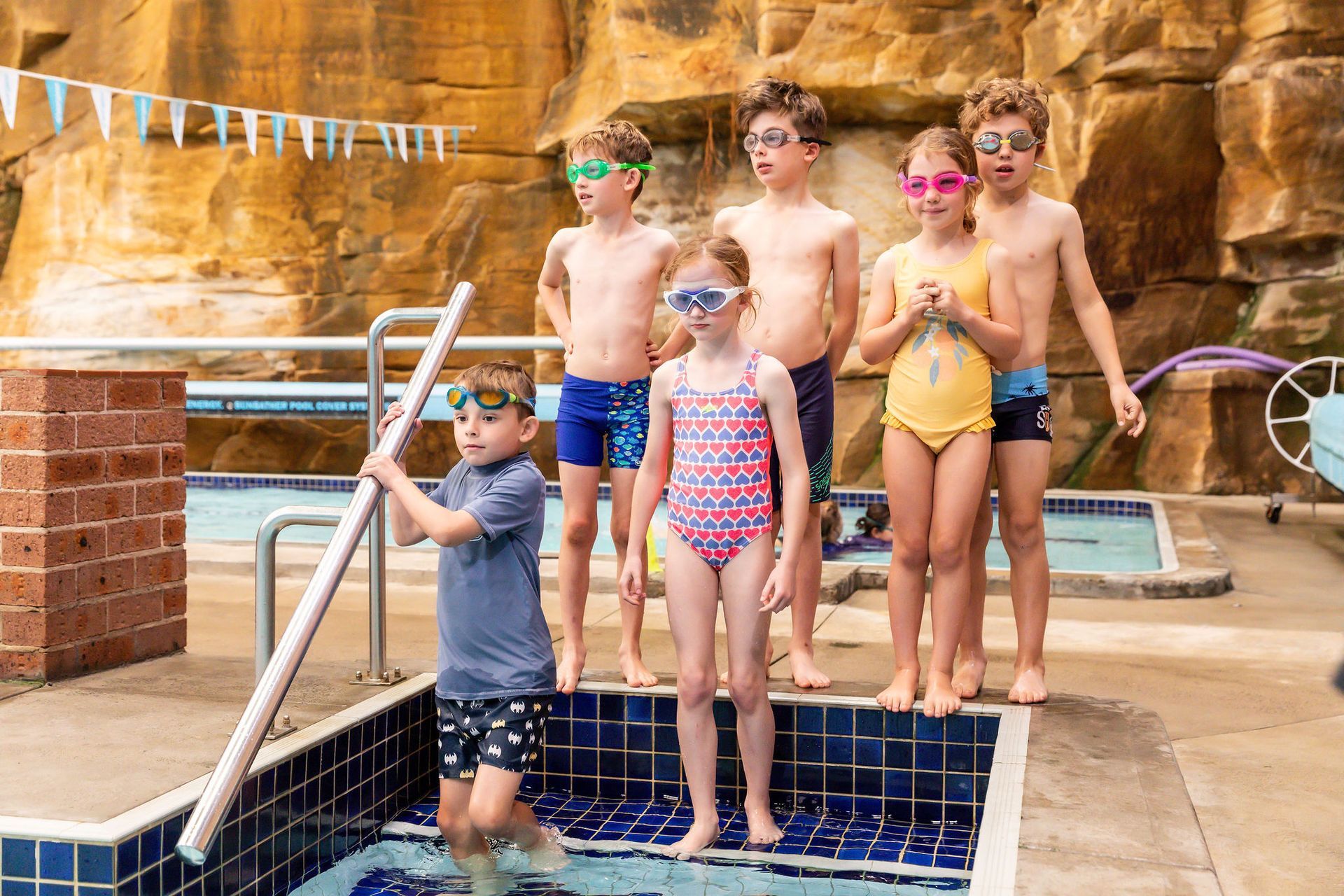
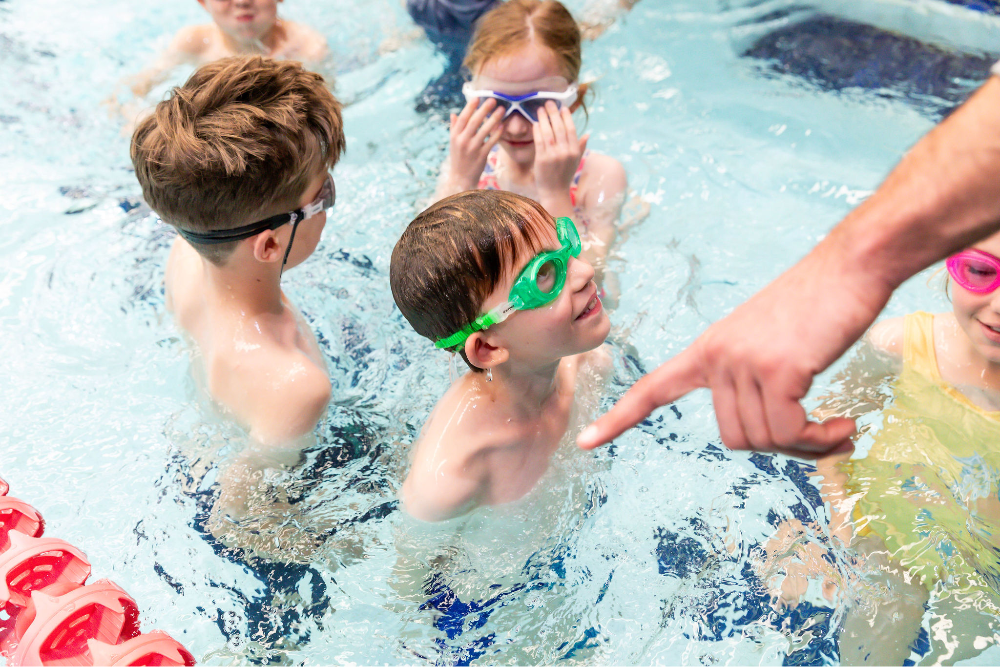
- Peer Social Modeling: Small group lessons allow nervous children to observe peers enjoying the water, reducing feelings of isolation and fear.
- Predictable Lesson Routines: Maintaining identical class structures week after week eliminates fear of the unknown and builds emotional security.
| Instructional Strategy | Direct Psychological Impact | Long-Term Learning Outcome |
|---|---|---|
| Warm Shallow Pools | Eliminates muscle tension and cold-water shock | Allows body relaxation for streamlined floating |
| Small Group Sizes (4:1) | Ensures direct supervision and individual attention | Builds deep trust between teacher and student |
| Positive Praise Systems | Replaces anxiety with earned pride and pride badges | Encourages active participation in new drills |
| Parent Deck Presence | Provides reassurance while maintaining boundaries | Fosters gradual independence from parent grip |
Professional teachers also excel at using distraction techniques. By turning a breath-control exercise into a game of "blowing out birthday candles," instructors help nervous bathers perform submersions without fixating on their fear.
Over time, this patient guidance rewires the child's reaction to water. The pool deck changes from a place of perceived threat to an exciting playground where they experience success every week.
Why Choose Col Jones Swim Tempe for Anxious Swimmers?
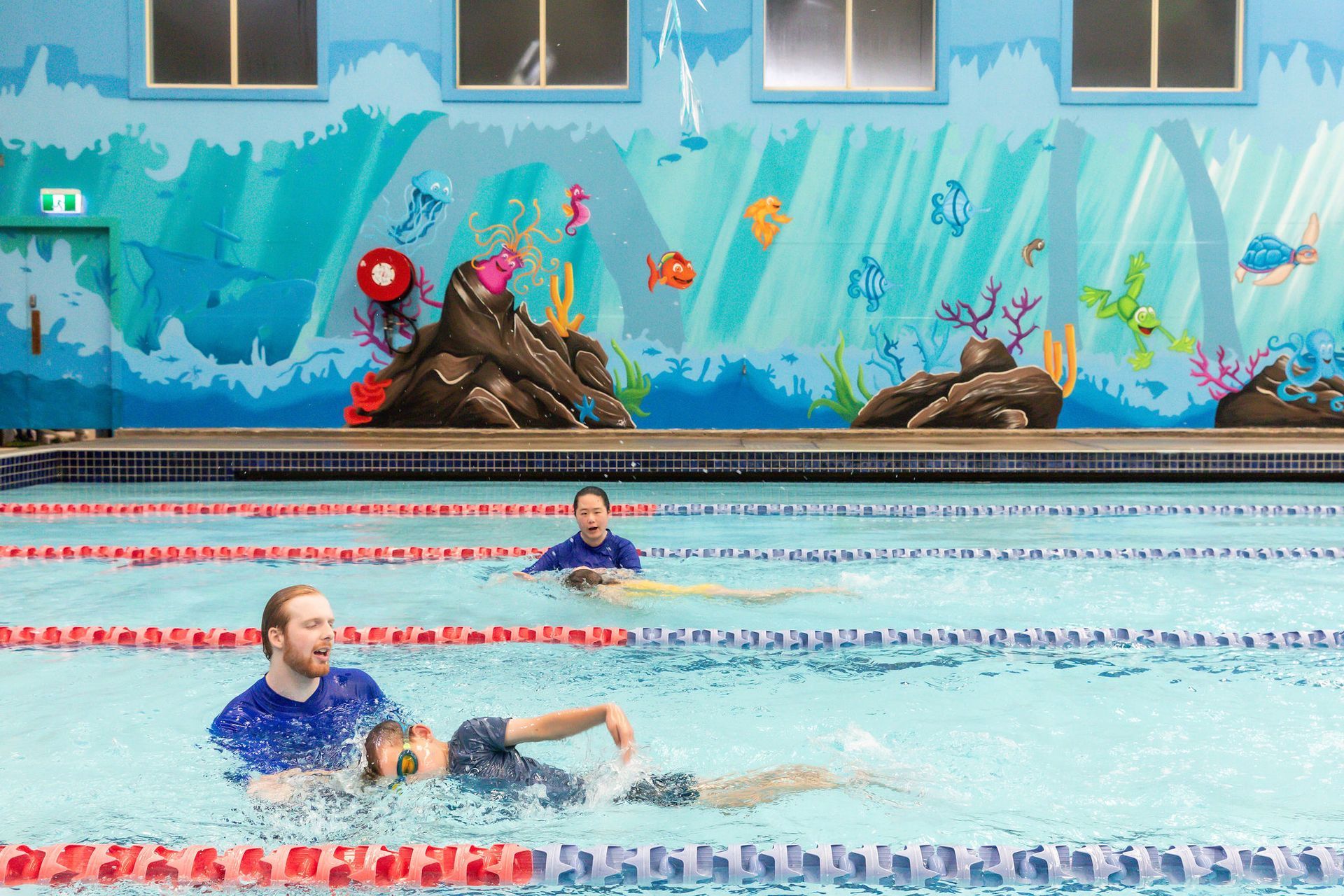
At Col Jones Swim Tempe, instructors specialize in helping nervous beginners build self-assurance at their own pace. With warm, temperature-controlled pools, small class sizes, and a nurturing environment, children receive the gentle encouragement needed to overcome fear, gain water independence, and develop a lifelong love for swimming.
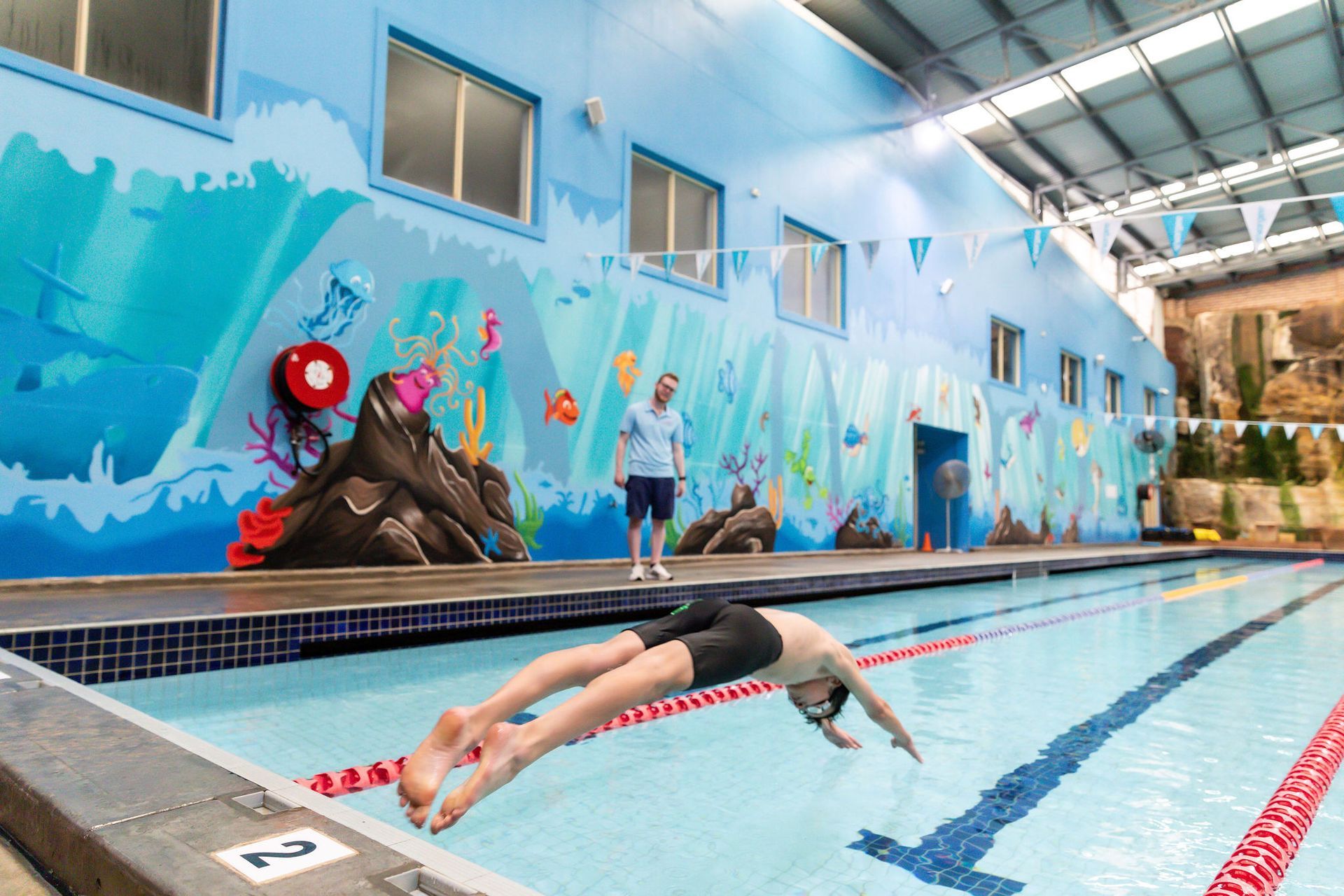
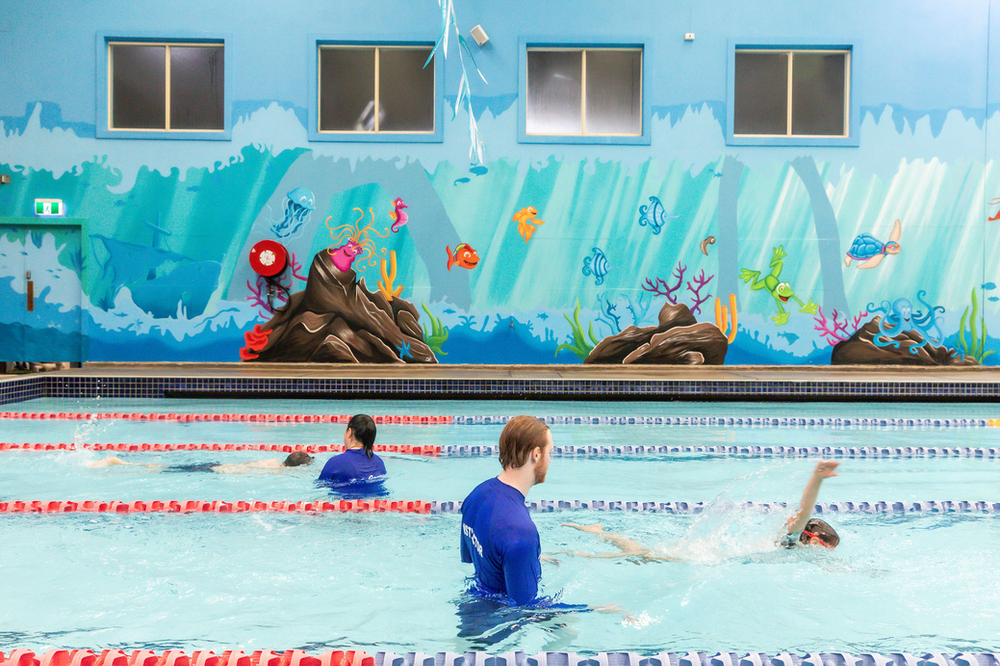
Operating continuously since 1973, the center features three dedicated indoor pools designed for specific developmental steps. Nervous beginners start in a shallow, warm-water pool where they can touch the bottom comfortably, eliminating the fear of sudden drop-offs.
With strict class caps, accredited staff, and real-time progress updates via a Parent Portal, families trust the facility to deliver gentle, high-quality instruction. Every lesson is crafted to turn hesitation into true water safety and joy.
Conclusion
Summary
Successfully overcoming water anxiety opens the door for children to gain life-saving safety skills, physical health, and personal confidence. Identifying the root causes of fear enables parents and teachers to implement low-pressure bath time play, gentle shallow-water exposures, and fun game-based drills.
Certified swim instructors accelerate this transition by maintaining predictable routines, small class sizes, and warm pool environments that keep children comfortable. Established community providers like Col Jones Swim Tempe deliver ideal indoor facilities and five decades of expertise to help every anxious child transform fear into lifelong water self-assurance.
Book a Strategy or Discovery Call
Help your child overcome water hesitation and discover the joy of swimming in a warm, supportive environment. If you are ready to tour our indoor heated facility, arrange a gentle 10-minute skill assessment, or secure a spot in upcoming terms, contact our team today to speak with our friendly aquatic enrollment specialists.
Frequently Asked Questions
Why is my child suddenly afraid of the water?
Water anxiety can trigger suddenly due to a recent scary experience (like getting water trapped in the nose), sensory overload from noisy environments, or developmental phases where imagination heightens awareness of danger.
How long does it take for a child to overcome water anxiety?
Every child progresses at their own pace. With consistent weekly lessons, warm water, and patient instruction, most children show significant confidence improvements within 4 to 8 weeks.
Should I force my anxious child into the pool?
No. Forcing a terrified child into deep water escalates panic and damages emotional trust. Instead, utilize gentle step-by-step entry, starting on shallow steps with positive reinforcement.
How warm are the pools at Col Jones Swim Tempe?
All three indoor pools at Col Jones Swim Tempe are fully enclosed and heated year-round to optimal temperatures (up to 32°C for beginners), preventing cold-water shock and shivering.
What class size is best for nervous beginners?
Small class sizes, such as a 4:1 student-to-teacher ratio, are ideal because they guarantee continuous visual supervision, individual encouragement, and physical support for anxious bathers.
New Paragraph