Ready to Level Up? Signs Your Child Has Outgrown Beginner Swim Class
Key Takeaways
- Foundational Competency: Readiness for advanced swimming lessons requires total mastery of basic floating, rhythmic breath control, and independent propulsion across core strokes.
- Stamina Indicators: Swimmers ready for advancement demonstrate rapid cardiovascular recovery and the physical endurance to complete multiple consecutive pool lengths without exhaustion.
- Psychological Maturity: Transitioning to higher tiers demands enthusiasm for complex movement patterns, resilience during corrective coaching, and a goal-oriented mindset.
- Instructor Assessments: Professional swim coaches evaluate technical stroke efficiency, body alignment, and a child's ability to follow multi-step workout sets before promoting them.
- Structured Pathways: Accredited swim schools like Col Jones Swim Tempe provide clear level progressions, squad training, and expert coaching to ensure a seamless transition.
Introduction
Recognizing when your child is ready for advanced swimming lessons involves observing key indicators of technical readiness and personal drive. Children show they are prepared to transition when they master basic floating and breathing, display increased stamina over longer laps, enthusiastically seek new physical challenges, and receive positive performance feedback from their swim instructors at Col Jones Swim Tempe.
Leaving beginner classes behind marks an exciting milestone in a young swimmer's journey. However, moving up too early can lead to frustration, while staying in an entry-level program for too long can cause boredom and plateaued growth. Knowing the exact indicators of readiness ensures your child moves forward at the ideal time to keep their passion for swimming alive.
Enrolling in higher-level training introduces children to structured workouts, competitive mechanics, and increased aerobic demands. By evaluating your child's technical skills, physical stamina, and mental drive, you can confidently support their step into advanced aquatic programs designed to unlock their full potential.
What Basic Skills Should a Child Master Before Advancing?
Before tackling complex stroke mechanics, racing starts, or squad training, swimmers must establish total comfort with core aquatic fundamentals. Attempting to learn advanced techniques without solid basics often leads to poor habits that are difficult to correct later.
Key foundational benchmarks include:
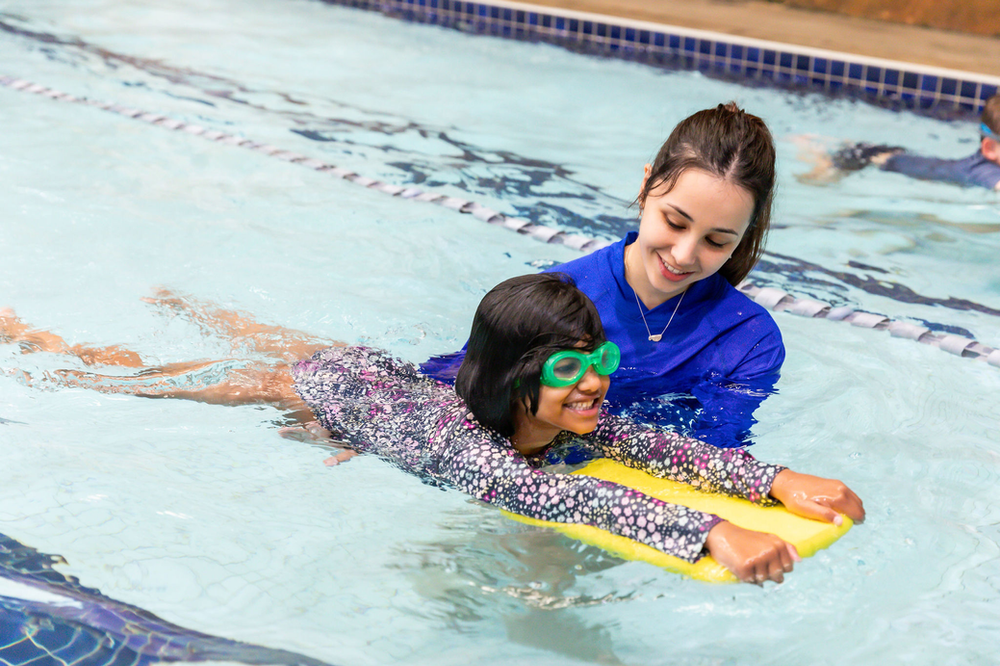
- Independent Buoyancy: Floating on the front and back in a relaxed, horizontal, and balanced posture without requiring any instructor assistance or flotation aids.
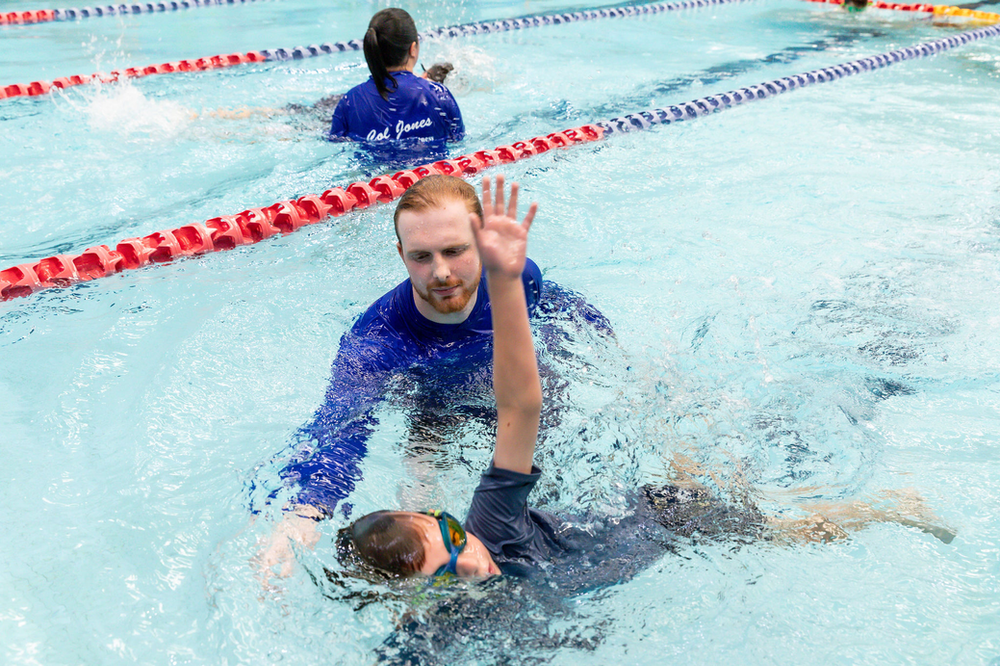
- Fundamental Stroke Coordination: Executing freestyle and backstroke with recognizable form, consistent flutter kicking, and efficient propulsion across the pool.
- Rhythmic Breath Control: Inhaling and exhaling smoothly underwater with proper side-breathing head placement during stroke movement, avoiding head lifting.
- Water Safety & Deep-Water Comfort: Demonstrating calm recovery from submersions, treading water effortlessly, and swimming comfortably in deep lanes.
When a swimmer masters these baseline mechanics, their movement becomes efficient rather than stressful. They stop fighting the water to stay afloat and begin working with the water to generate forward momentum.
Mastering breath control is particularly vital before moving to higher levels. Smooth side breathing preserves horizontal body alignment, enabling swimmers to maintain speed and conserve energy over extended distances.
How Does Increased Physical Stamina Indicate Readiness?
Advanced swim levels demand higher work volume, continuous lap swimming, and structured interval sets without frequent breaks at the pool wall. A swimmer's physical endurance provides a clear sign of whether they are ready for these increased athletic demands.
Key physical endurance indicators include:
- Swimming Longer Distances: Completing multiple pool lengths consistently with steady technique and without showing severe physical fatigue or stopping mid-lap.
- Fast Cardiovascular Recovery: Catching breath quickly between drills, remaining relaxed at the wall, and actively asking to swim additional laps during class.
- Cross-Sport Fitness: Demonstrating strong cardiovascular endurance built through swimming or land-based aerobic play like cycling, running, or gymnastics.
- Sustained Muscle Drive: Maintaining strong flutter kicking and propulsion throughout the entire duration of a workout set without dropping the legs.
As children build muscular endurance, their heart and lungs adapt to sustained aquatic exertion. Swimmers ready for advancement can maintain proper body horizontal alignment even toward the end of a challenging lap.
If a child finishes a beginner class energized rather than exhausted, it is a strong signal that their current workload is no longer challenging them physically. Pushing them toward longer distance sets keeps their training effective and rewarding.
Why Is Mindset and Curiosity Important for Higher Levels?
Technical readiness must be matched by emotional maturity and psychological drive to handle harder coaching instructions, continuous physical exertion, and refined technique critiques.
Mental indicators of readiness include:
- Curiosity for Complex Strokes: Asking to try difficult techniques like butterfly, breaststroke kick, or flip turns after observing advanced squads practicing in adjacent lanes.
- Resilience During Setbacks: Staying motivated and engaged even when a new movement pattern requires repeated corrective feedback from the teaching staff.
- Goal-Oriented Enthusiasm: Showing genuine excitement about measuring personal progress, tracking lap times, or earning level advancement badges.
- Focused Attention: Listening attentively to multi-step instructions and applying corrections immediately without becoming distracted.
Swimmers who possess an internal drive to improve thrive when introduced to complex stroke mechanics. They view challenging drills as fun puzzles to solve rather than difficult chores.
Emotional resilience also helps young athletes navigate the transition from small beginner groups to larger squad environments. A positive mindset allows them to view feedback as a tool for growth, boosting their overall confidence.
What Key Indicators Do Instructors Look For?
Professional swim coaches evaluate both technical mechanics and behavioral traits when recommending a student for advancement. Instructors look beyond basic lap completion to assess the quality, efficiency, and consistency of a swimmer's movement.
Core instructor evaluation areas:
- Efficient Propulsion & Body Alignment: Coaches assess whether a swimmer maintains a streamlined, horizontal posture while generating propulsion from the hips rather than bending the knees excessively.
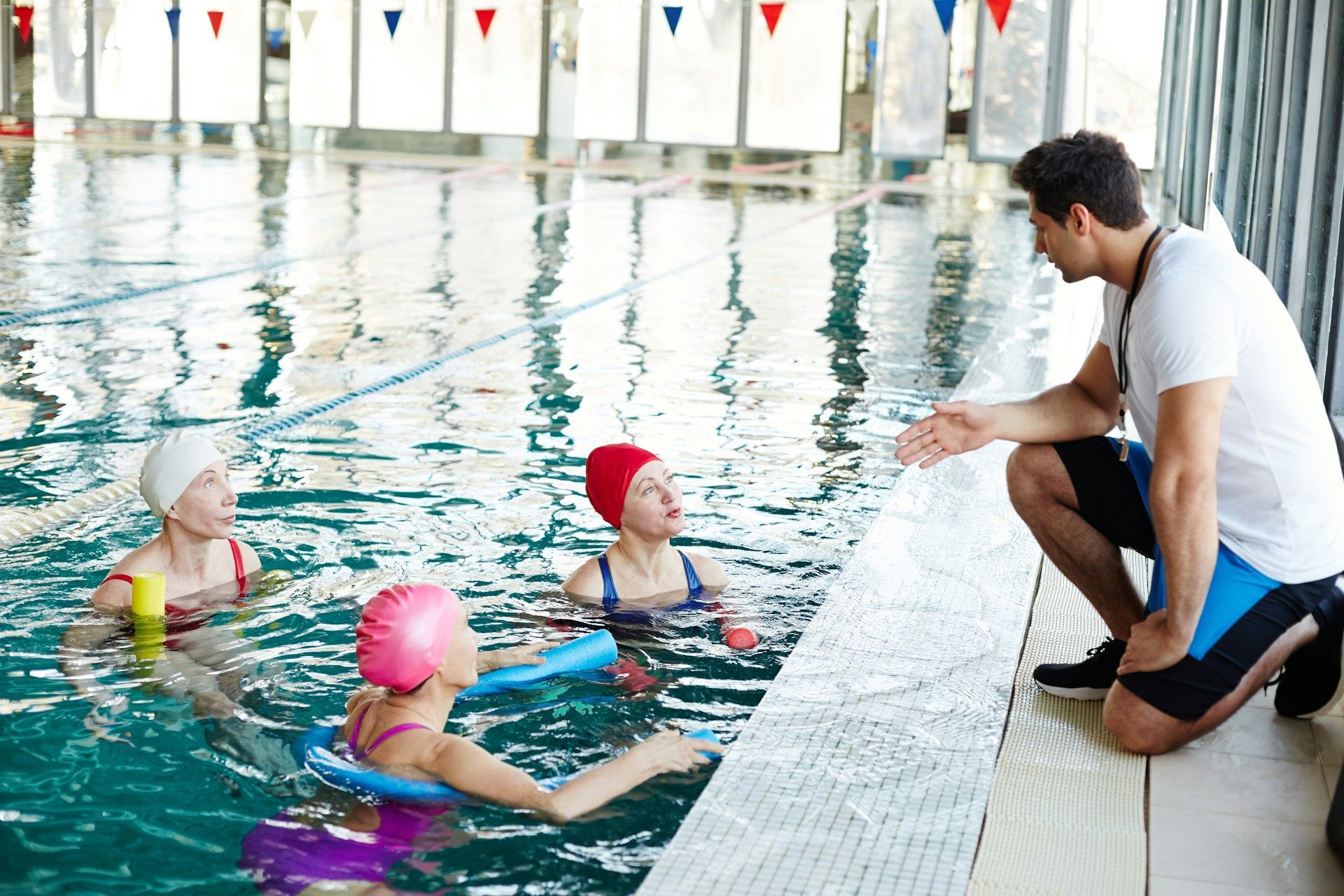
- Instructional Focus & Receptivity: Instructors observe how quickly a child listens to, processes, and applies mechanical corrections in larger group settings.
- Stamina Over Consecutive Laps: Coaches look for sustained effort across back-to-back sets, ensuring the child can handle squad-style training volume without technique breakdown.
- Intrapersonal Drive & Passion: Teachers evaluate the child's internal enthusiasm for personal achievement, ensuring that advancement aligns with the student's personal goals.
Image Suggestion: A clear flowchart mapping a student's progression journey from beginner foundations through physical stamina checks to advanced squad entry.
When all these factors align, the instructor will recommend moving the student up to the next developmental level. This structured evaluation process prevents premature promotions and ensures every child feels confident in their new class environment.
Coaches also coordinate with parents to explain what the new level entails. Clear communication ensures that families understand schedule changes, equipment needs, and performance expectations for higher-tier training.
How Col Jones Swim Tempe Supports Your Child's Transition
At Col Jones Swim Tempe, progress assessments ensure every child moves up only when physically and emotionally prepared. With tailored squad programs, heated indoor facilities, and experienced coaches, children transition smoothly into advanced swimming, building competitive technique, endurance, and lifelong confidence.
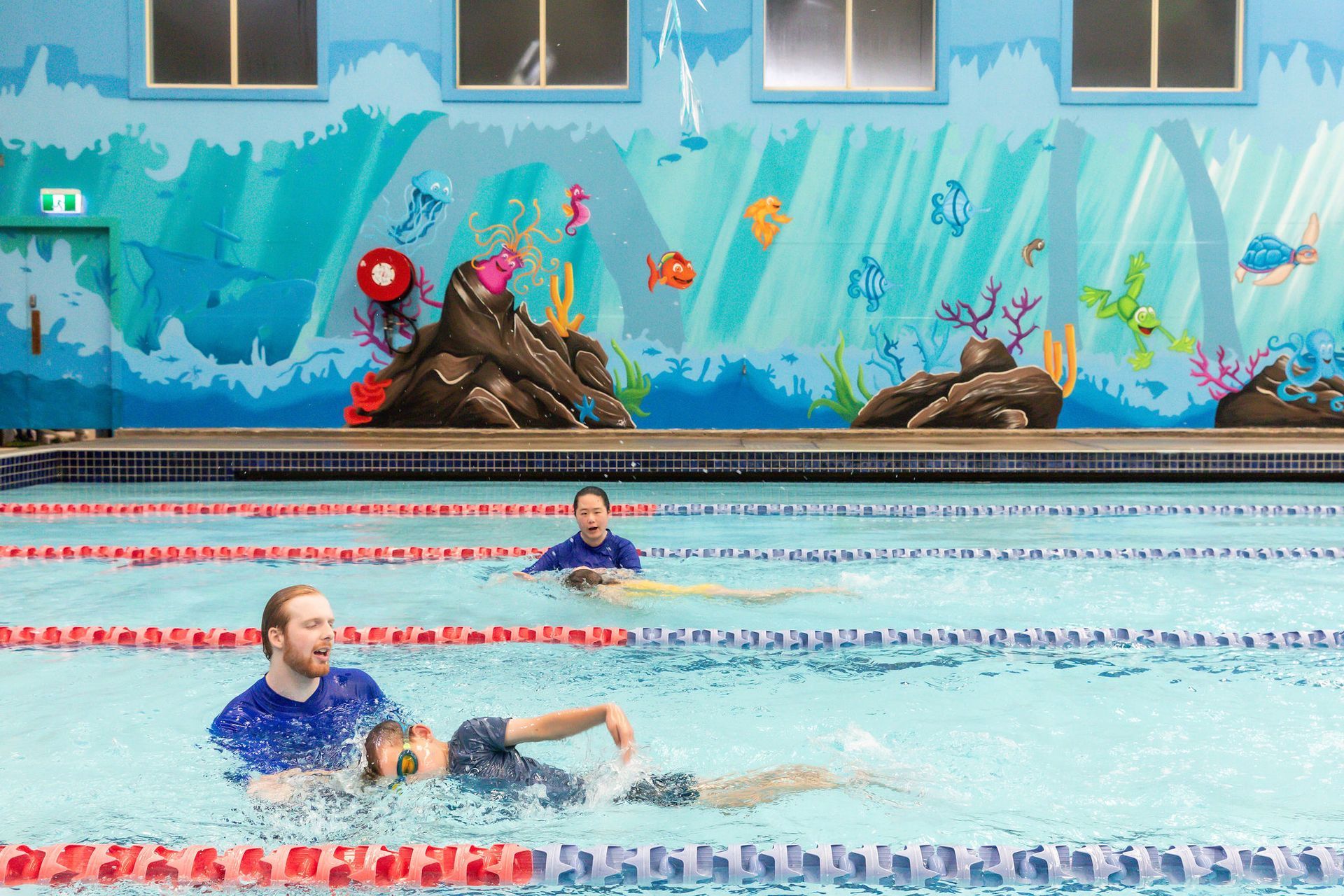
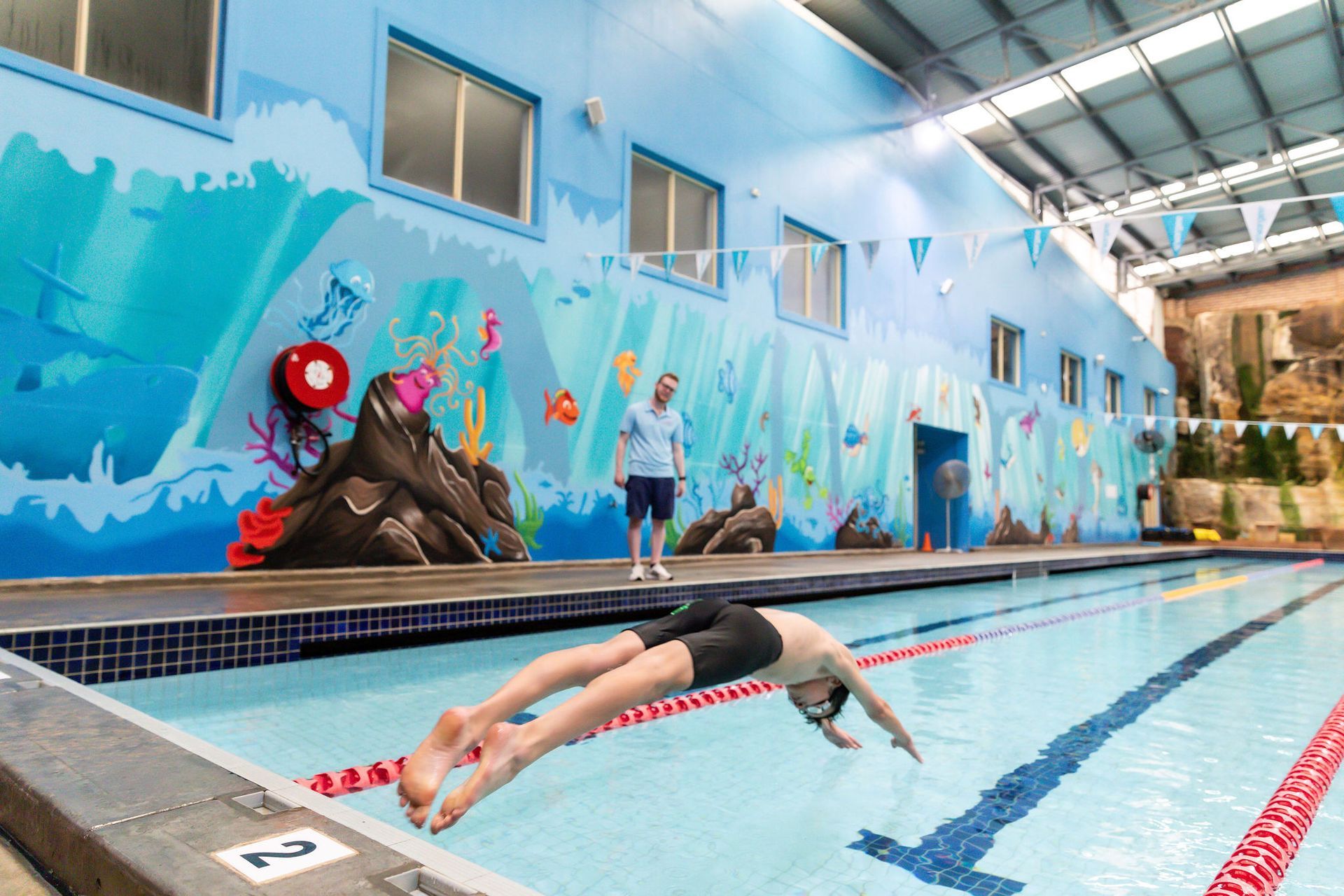
Featuring three dedicated indoor heated pools, the facility provides the ideal setup for every stage of progression. Swimmers move seamlessly from shallow teaching environments to the 25-metre lap pool designed specifically for endurance, stroke refinement, and squad conditioning.
Parents can track their child's skill milestones in real-time using an online Parent Portal. Backed by over 50 years of community trust, the center provides expert guidance to turn promising beginners into strong, confident, advanced swimmers.
Conclusion
Summary
Recognizing when your child is ready for advanced swimming lessons relies on observing a balance of technical stroke mastery, physical stamina, and psychological drive. Swimmers who display independent buoyancy, smooth rhythmic breathing, rapid recovery over long laps, and enthusiasm for complex drills are prime candidates for level promotion.
Professional instructors evaluate body alignment, mechanical efficiency, and listening skills to ensure every child transitions at the right time. By providing structured level pathways, heated 25-metre lap pools, and expert coaching, established facilities like Col Jones Swim Tempe empower advancing swimmers to build lifelong athletic endurance and technical excellence.
Book a Strategy or Discovery Call
Take your child's swimming to the next level with expert coaching, structured squad pathways, and state-of-the-art heated facilities. If you believe your child is ready to advance, or if you want to arrange a professional skill assessment, contact our team today to speak with our friendly aquatic enrollment specialists.
Frequently Asked Questions
How do I know if my child is ready for advanced swimming lessons?
Your child is likely ready if they can easily complete multiple laps of freestyle and backstroke with proper side breathing, demonstrate rapid cardiovascular recovery, show interest in complex strokes like butterfly, and follow detailed coach instructions.
What is the age requirement for advanced swim classes or squads?
Progression is based on skill, stamina, and emotional maturity rather than age alone. While many children enter advanced levels around 6 to 8 years old, readiness varies for every individual swimmer.
How often should advanced swimmers train each week?
To build cardiovascular endurance and maintain stroke mechanics, advancing swimmers typically attend two to three sessions per week, depending on their personal goals and program level.
What equipment is needed for advanced swim lessons?
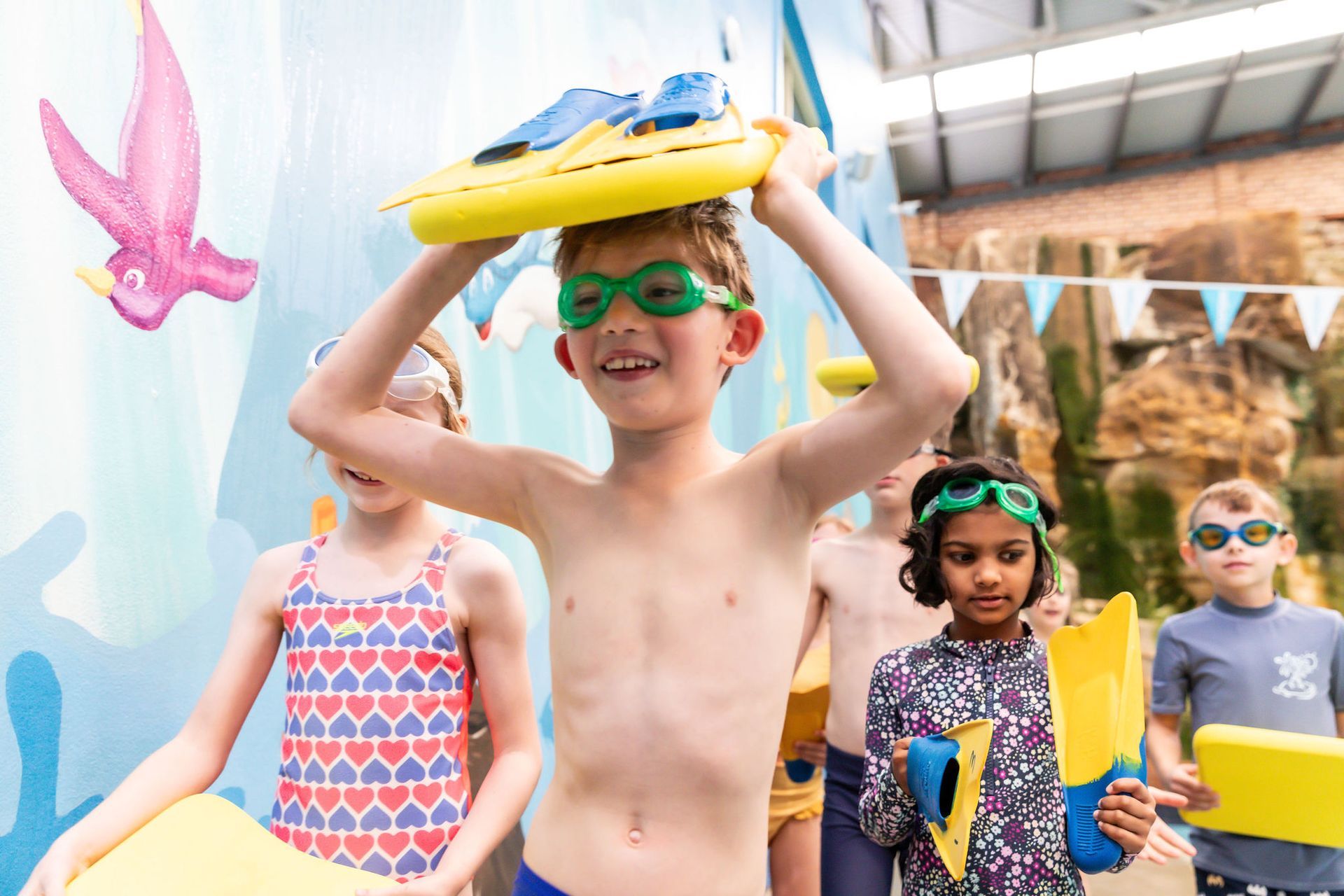
Advancing swimmers usually require a well-fitting pair of goggles, a silicone swim cap, a kickboard, and swim fins to support specialized technical drills and speed work.
How are skill assessments conducted at Col Jones Swim Tempe?
Instructors continuously monitor student performance during regular classes and evaluate key criteria via an online Parent Portal, recommending level upgrades as soon as all benchmark skills are mastered.
New Paragraph