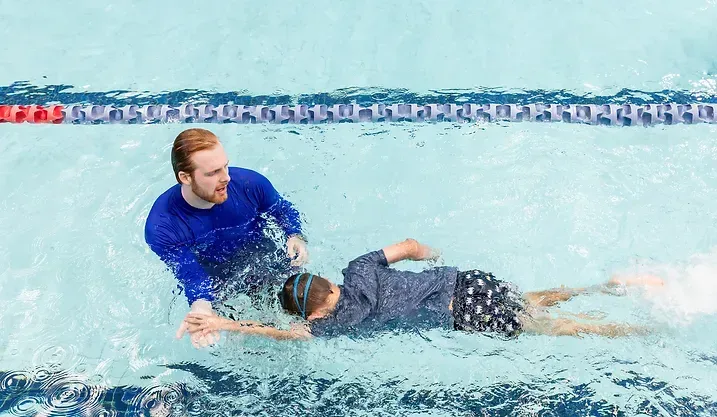
Common Challenges Children Face During Intensive Swimming Lessons
Key Takeaways
- Emotional Resilience: Enrolling in intensive swimming lessons helps children overcome initial water hesitation through gradual acclimation, play-based drills, and positive reinforcement.
- Managing Muscle Fatigue: High-frequency training sessions require targeted nutrition, proper hydration, and scheduled muscle recovery to keep young swimmers energized.
- Overcoming Skill Plateaus: Performance plateaus during consecutive training days are normal; gamified drills and micro-goals help sustain student motivation.
- Mechanic Isolation: Complex stroke coordination is simplified by breaking down arm rotations, flutter kicking, and rhythmic side breathing into standalone kickboard drills.
- Warm Facility Environment: Purpose-built centers like Col Jones Swim Tempe combine climate-controlled indoor pools and small class sizes to turn learning hurdles into milestones.
Introduction
Navigating challenges during intensive swimming lessons helps children develop water safety skills, technical proficiency, and emotional resilience. Young swimmers often face physical and psychological hurdles—such as fear of submersion, muscle fatigue, skill plateaus, and complex motor coordination—that can stall progress. Parents and instructors can overcome these obstacles through gradual exposure, proper nutrition, targeted drill isolation, and consistent positive reinforcement at Col Jones Swim Tempe.
Accelerated school holiday clinics and daily swimming programs pack weeks of skill development into a short time frame. While this high-frequency format yields rapid skill retention, the condensed schedule can temporarily push young bathers past their comfort zones.
Understanding the typical friction points allows parents and coaches to intervene with empathy before minor frustration turns into resistance. By addressing emotional anxiety, physical tire, and mechanical confusion proactively, children transform short-term training hurdles into lifelong aquatic confidence.
How Can Parents Help Children Overcome Fear of Water?
Water anxiety is a common initial barrier that can hinder a child's enthusiasm and willingness to submerge during intensive lessons. When faced with back-to-back training days, a hesitant beginner may feel overwhelmed by the unfamiliar sensory input of a bustling pool environment.
Proactive strategies for alleviating water apprehension include:
- Acknowledge and Validate Feelings: Treat your child's initial hesitation with patience and active listening rather than dismissing their fears as silliness.
- Encourage Play-Based Acclimation: Use poolside splashing, water games, and imaginative play—such as searching for submerged toys—to make water interaction feel non-threatening.
- Celebrate Micro-Milestones: Praise small physical wins, such as dipping a chin into the water, placing goggles on, or blowing surface bubbles, to build internal confidence.
- Maintain Calm Deck Energy: Children absorb adult emotions; remaining calm, encouraging, and relaxed on the spectator deck reassures the child that they are safe.
Validating a child's apprehension establishes an atmosphere of trust. When a young swimmer knows their feelings are respected, they become far more willing to attempt new skills under the guidance of an accredited instructor.
Integrating playful distraction techniques also removes performance pressure. Turning breath control exercises into blowing out imaginary birthday candles shifts the focus away from fear and toward fun, effortless engagement.
What Strategies Prevent Physical Fatigue During Training?
Because swimming engages all major muscle groups simultaneously while demanding cardiovascular output, beginners can tire quickly during condensed multi-day programs. Physical exhaustion directly impacts a child's mood, focus, and physical coordination in the water.
Key practices to maintain physical energy during accelerated courses:
- Prioritize Nutrient-Dense Meals: Fuel young swimmers with complex carbohydrates and lean proteins one to two hours prior to pool entry to maintain steady blood glucose levels.
- Maintain Consistent Hydration: Ensure children drink water frequently before, during, and after time in the pool, as indoor swimming induces hidden fluid loss through sweat.
- Enforce Adequate Rest and Recovery: Protect sleep schedules and limit high-intensity land activities between consecutive swimming sessions to allow muscle repair.
- Utilize Warm Indoor Facilities: Swimming in cold water causes muscles to tense up quickly, draining stamina much faster than training in climate-controlled water.
Nutrition plays a pivotal role in maintaining high energy across multi-day clinics. Offering a easily digestible snack, such as a banana or oat bar, right after class helps replenish depleted muscle glycogen stores and prevents post-lesson mood slumps.
Proper rest between sessions is equally vital for physical recovery. Allowing young bodies time to adapt to new muscular demands ensures that bathers return to the pool deck each day feeling refreshed, capable, and ready to learn.
How Do You Navigate Skill Plateaus and Stay Motivated?
Hitting a temporary performance plateau is a normal phase of physical skill acquisition, especially when learning occurs in a condensed time frame. A child who made rapid progress during their first few sessions may suddenly struggle to master a new skill, leading to temporary frustration.
Effective approaches to overcoming learning plateaus:
- Reframe the Plateau as Consolidation: Explain to your child that a temporary stall in progress simply means their muscle memory is locking in existing skills before advancing.
- Set Achievable Micro-Goals: Shift attention away from full-stroke mastery toward tiny, controllable objectives, such as maintaining strong kicking for five consecutive seconds.
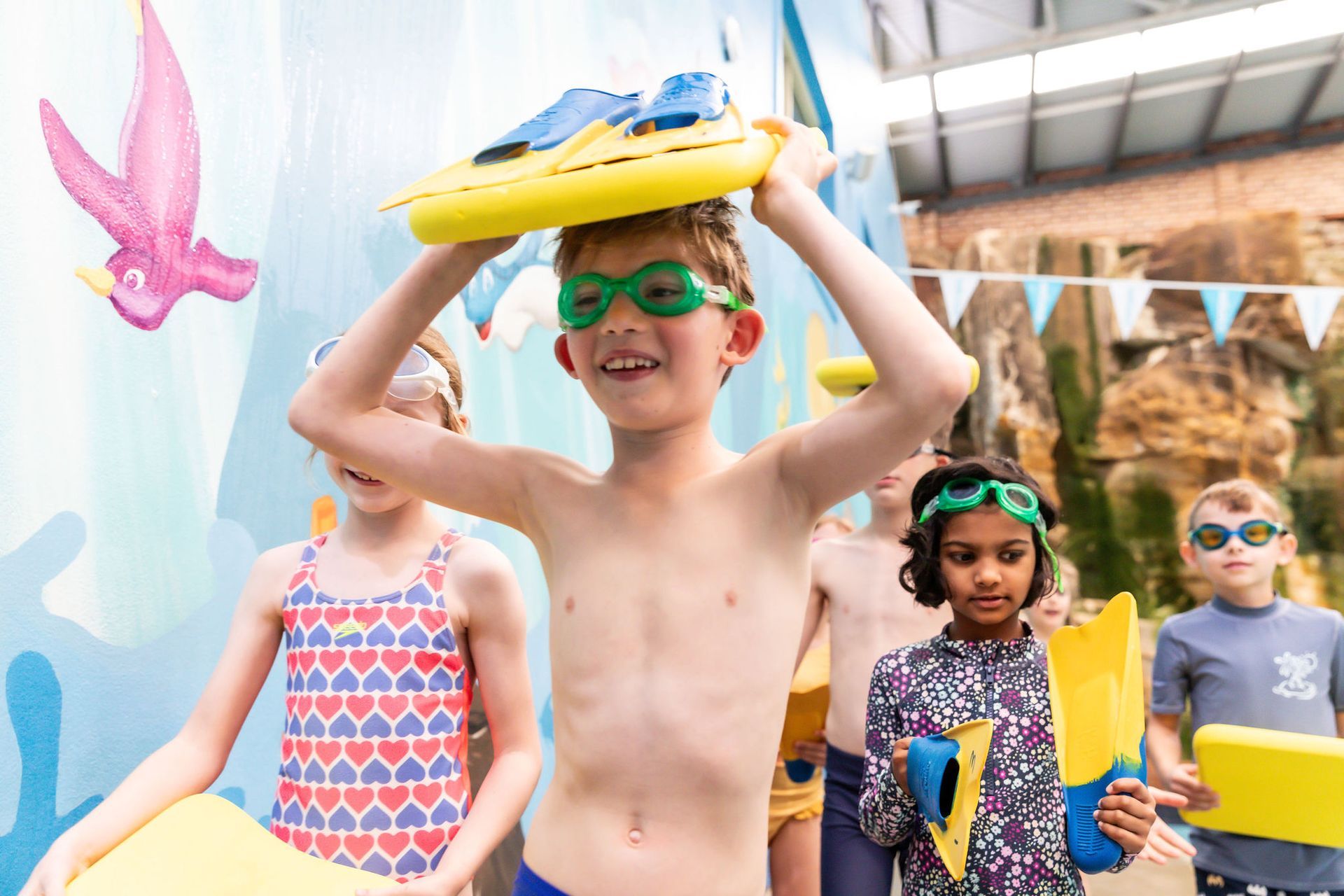
- Incorporate Gamified Drills: Professional coaches integrate relay races, diving for sink rings, and kickboard challenges to keep repetitive practice exciting.
- Focus on Process Over Performance: Praise the child's persistence, focus, and physical effort rather than focusing solely on earning level upgrades.
When learning stalls, changing the instructional focus helps break mental frustration. For example, if a child struggles with side breathing timing, shifting their practice to backstroke floating gives them a quick success win that restores their confidence.
Parental encouragement during plateaus reinforces emotional resilience. Demonstrating that learning requires perseverance teaches children valuable life skills that extend far beyond the swimming pool.
How Can Complex Stroke Coordination Be Simplified?
Combining arm rotations, rhythmic side breathing, and flutter kicking simultaneously can overwhelm a developing swimmer's motor skills. When complex movements are introduced all at once, mechanics often break down, leading to rapid fatigue and sloppy body positioning.
Methods for simplifying multi-part stroke mechanics:
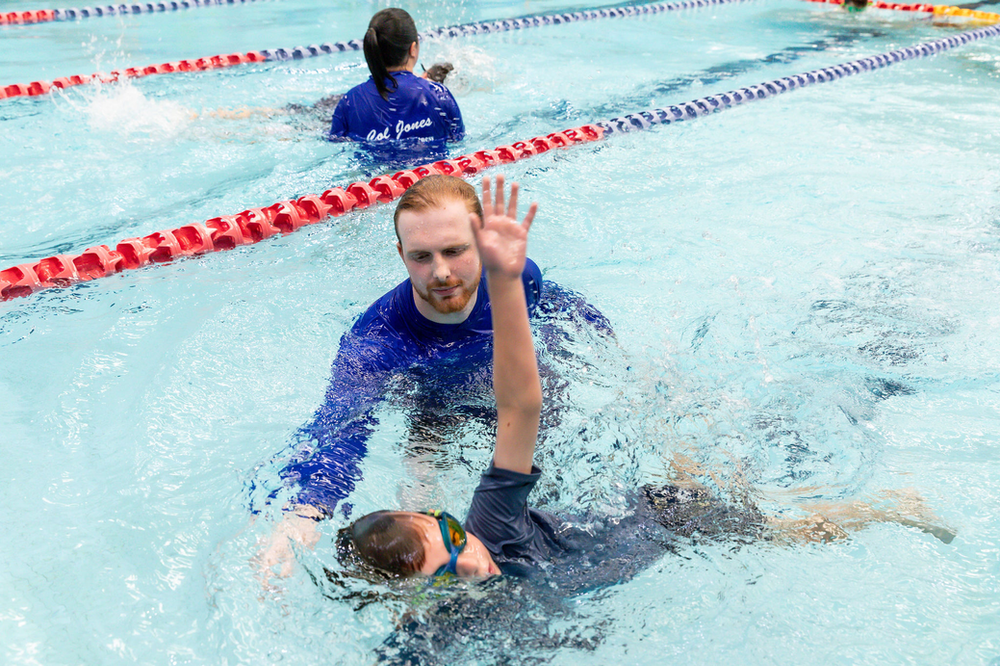
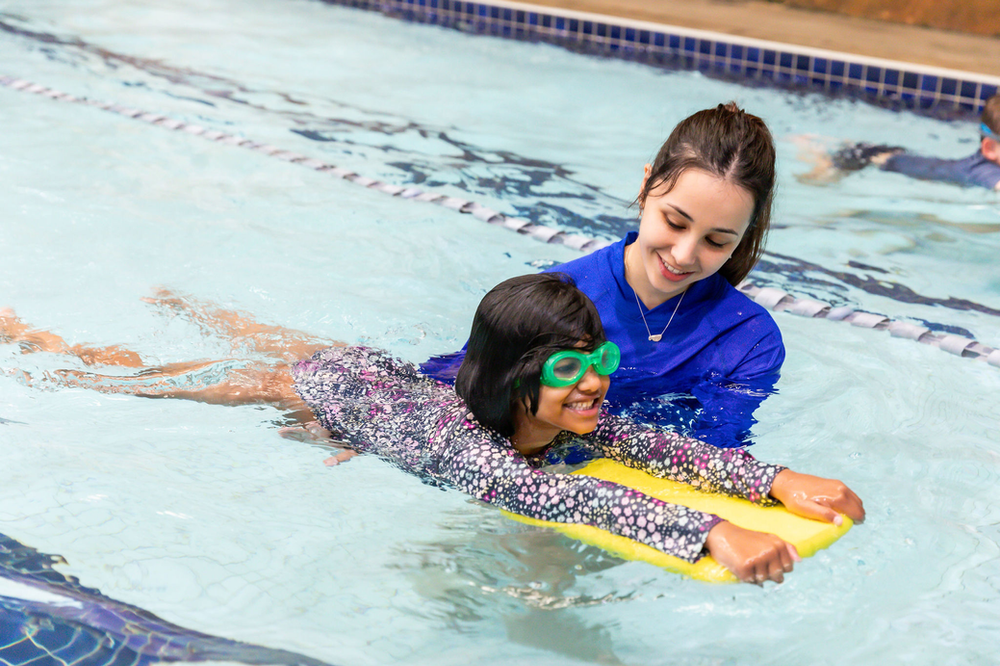
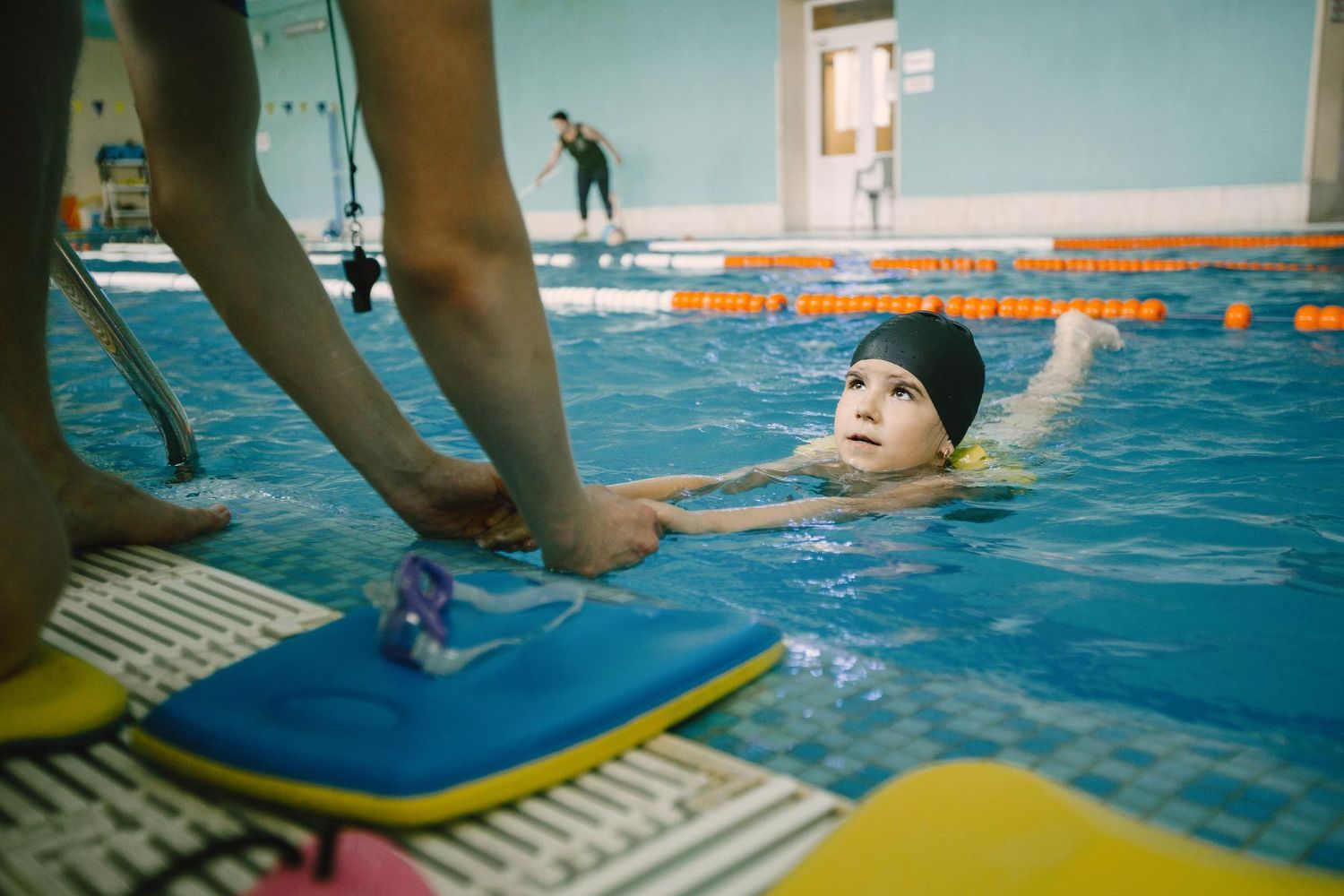
- Isolate Individual Mechanics: Practice kicking drills using kickboards before adding arm rotations or side-breathing timing into the movement pattern.
- Utilize Specialized Teaching Pools: Train in shallow, warm pools where beginners can stand comfortably, allowing them to practice body position without fear of sinking.
- Incorporate Land-Based Rehearsal: Practice arm strokes and breathing head turns on the pool deck before jumping into the water to establish clear brain-body connections.
- Apply Visual and Verbal Cues: Use clear, simple analogies—such as "reach for the sky and pocket your hand"—to help children remember correct stroke pathways.
Breaking complex strokes down into isolated components prevents cognitive overload. A swimmer who has mastered flutter kicking on a board can easily add arm rotations without sacrificing their horizontal body posture.
This step-by-step approach ensures that bad physical habits do not form early on. Once each individual component is mastered, combining them into full freestyle or backstroke feels smooth and natural.
How Col Jones Swim Tempe Supports Swimmers Through Challenges
At Col Jones Swim Tempe, intensive swim programs are tailored to turn learning obstacles into milestones. Using heated, skill-specific pools, experienced coaches, and a supportive curriculum, children overcome anxiety, master complex stroke mechanics, and build lifelong water confidence.
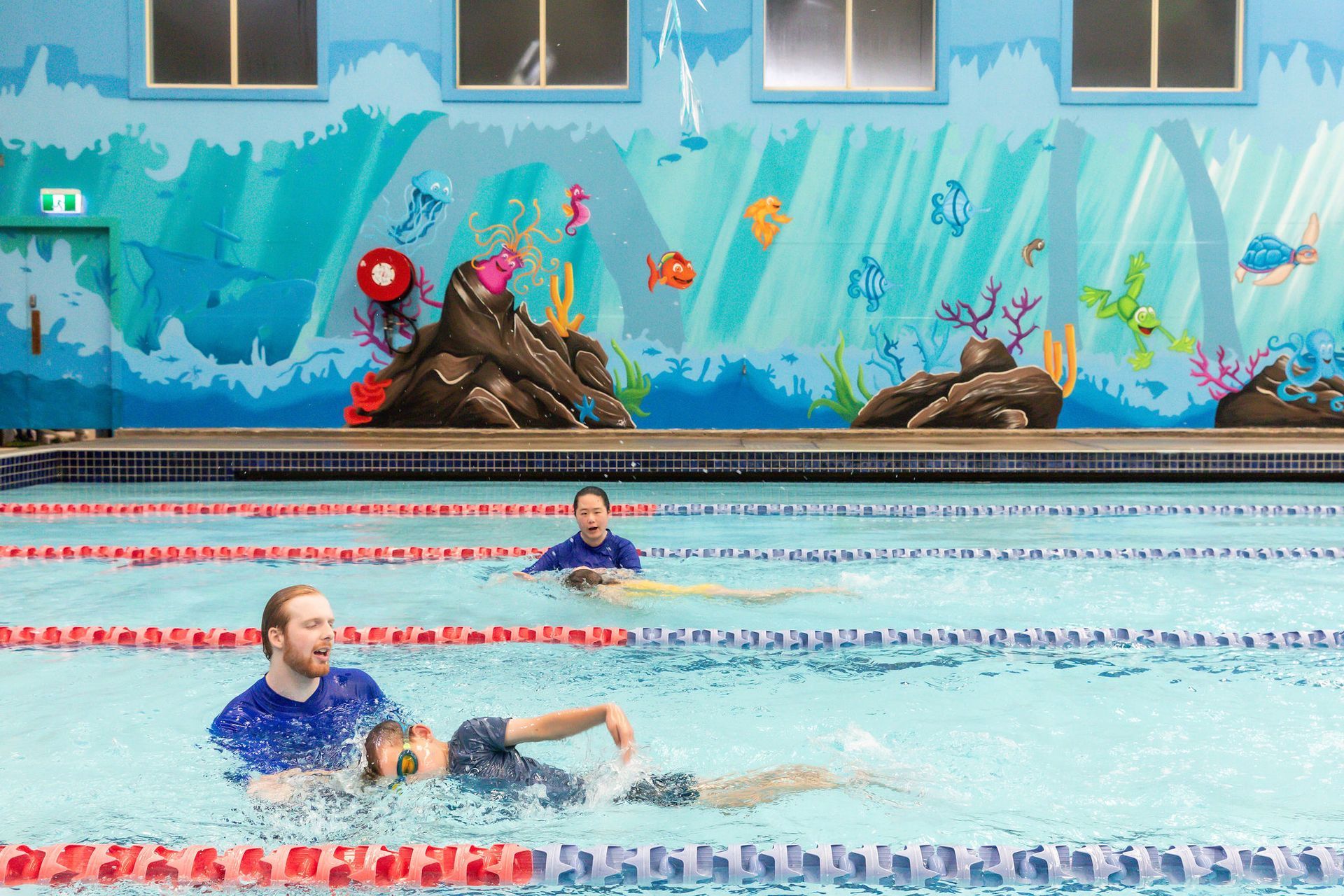
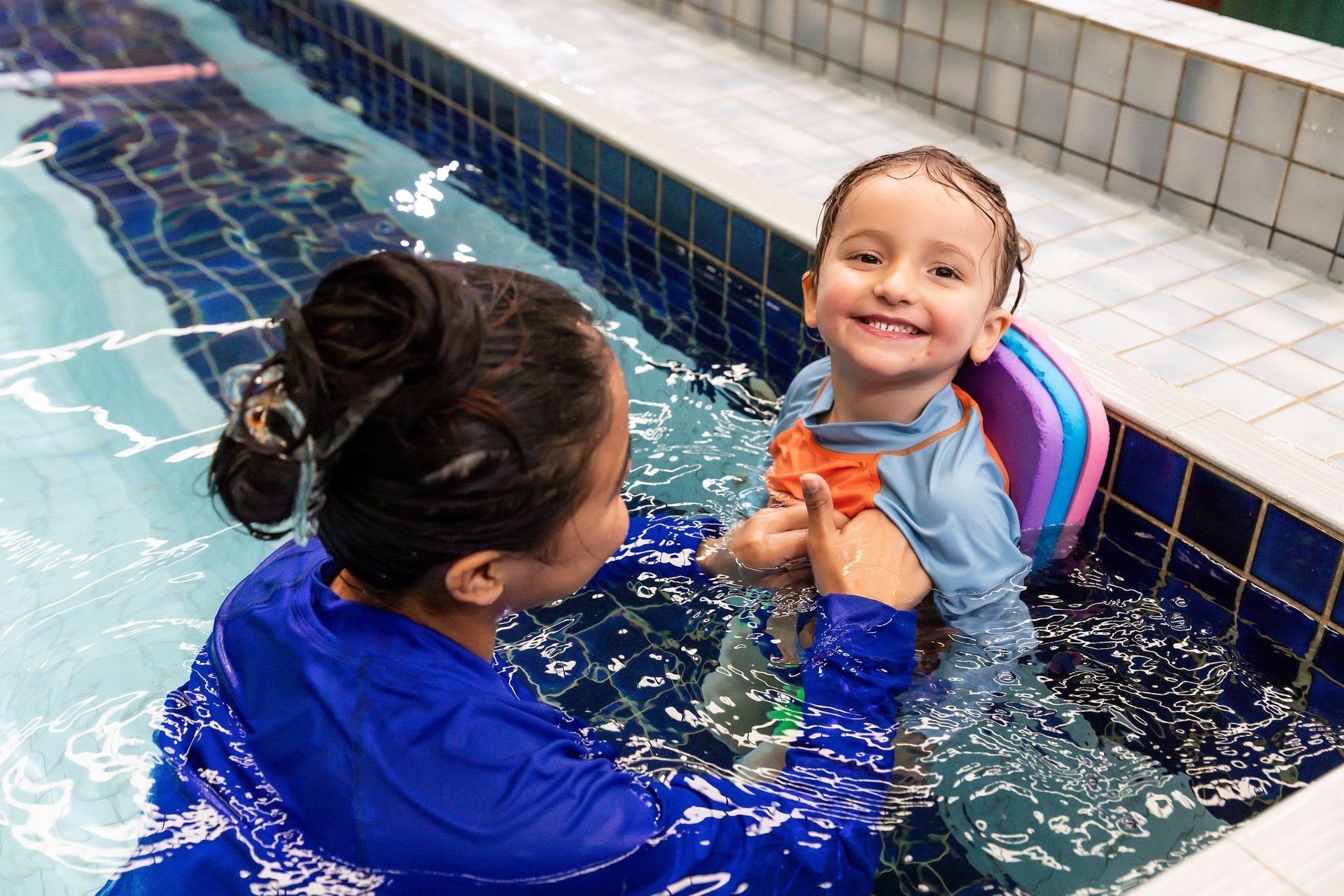
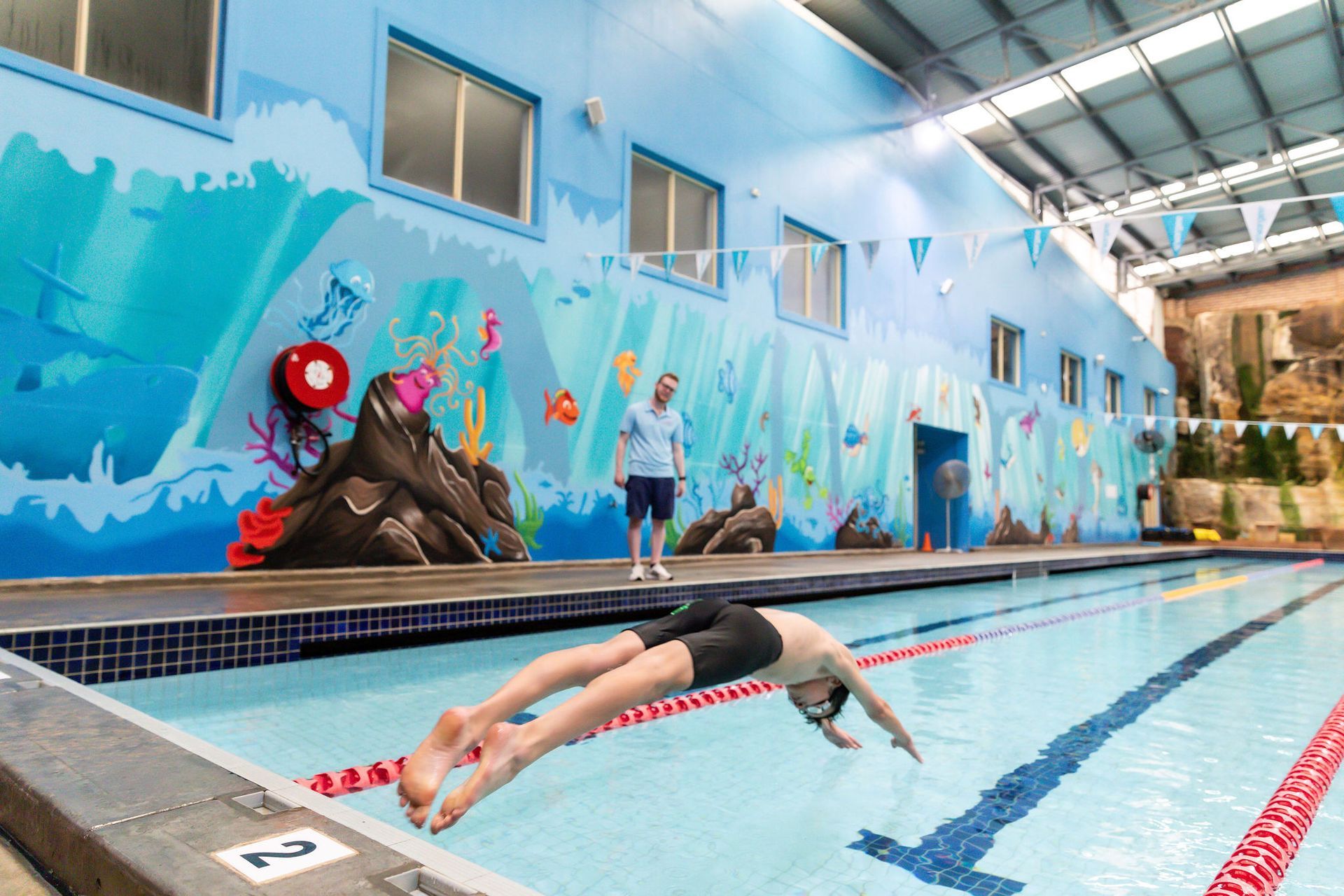
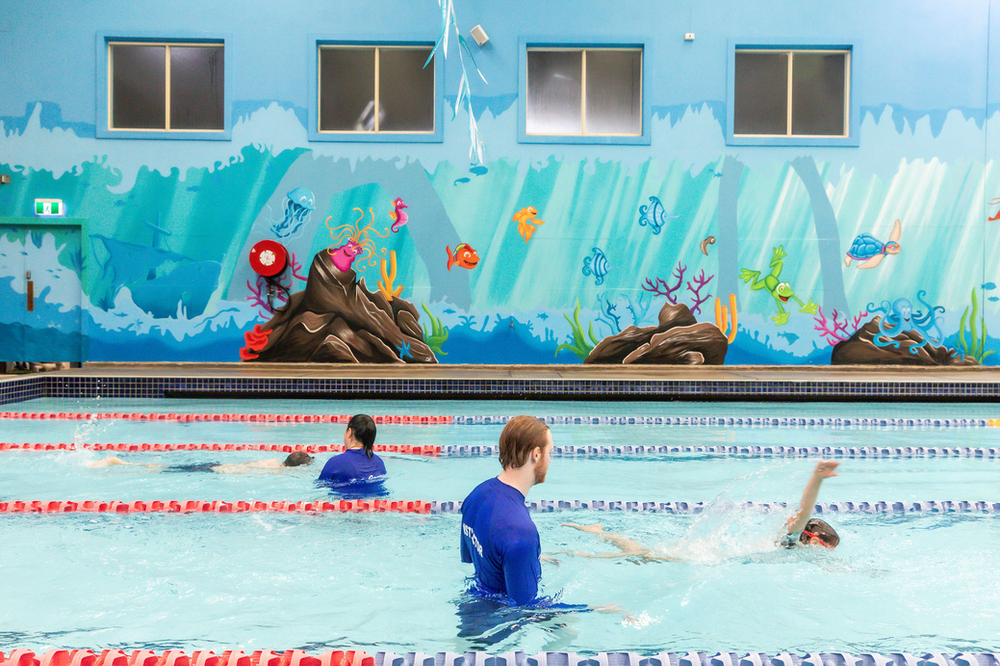
Operating continuously since 1973, the center features three dedicated indoor pools maintained at comfortable temperatures year-round. Nervous beginners learn in shallow, warm water where they can touch the bottom, removing cold-water shock and deep-water fear.
With low student-to-teacher ratios, real-time Parent Portal progress updates, and a encouraging team, families across Inner West Sydney trust the center for accelerated aquatic success. Every intensive course is engineered to foster confidence, physical safety, and technical excellence.
Conclusion
Summary
Enrolling children in intensive swimming lessons provides rapid skill acquisition, but success requires navigating natural hurdles like water anxiety, muscle fatigue, skill plateaus, and complex stroke coordination. By applying play-based acclimation, nutrient-dense meal timing, gamified drills, and isolated kickboard mechanics, parents and teachers can turn frustration into steady progress. Purpose-built facilities with warm indoor pools and low student ratios accelerate this growth by providing a comfortable, secure learning environment. With patient instruction and structured level pathways, established providers like Col Jones Swim Tempe help young bathers master water safety and build lifelong confidence.
Book a Strategy or Discovery Call
Turn your child's swimming challenges into technical milestones with expert coaching, warm indoor pools, and supportive holiday clinics. If you are ready to explore our multi-pool facility, schedule a skill assessment, or secure a spot in our upcoming holiday programs, enroll your child today to speak with our friendly aquatic enrollment specialists.
Frequently Asked Questions
What are intensive swimming lessons?
Intensive swimming lessons are accelerated programs—often run during school holidays—where children attend daily classes over 5 to 8 consecutive days to fast-track skill retention and water confidence.
How do I prevent my child from getting exhausted during intensive swim courses?
Prevent fatigue by providing a nutrient-dense meal rich in complex carbohydrates 1 to 2 hours before class, ensuring consistent hydration, enforcing early bedtimes, and utilizing warm indoor pool facilities.
What should I do if my child cries or resists going to their swim lesson?
Acknowledge their feelings with empathy, avoid forcing them into deep water, arrive early so they can observe the warm pool deck calmly, and partner with the instructor to use gentle, play-based entries.
Why do children hit skill plateaus during swimming lessons?
Skill plateaus occur naturally as the brain and body process complex motor movements. Plateaus allow muscle memory to consolidate before the child advances to the next technical phase.
How warm are the pools at Col Jones Swim Tempe?
All three indoor pools at Col Jones Swim Tempe are fully enclosed and heated year-round to ideal temperatures (up to 32°C for beginners), ensuring bathers remain relaxed, warm, and comfortable.