Steps to Make Swimming Fun for Kids in Sydney
Key Takeaways
- Warm, Heated Environments: Exploring ways to make swimming fun for kids starts with warm indoor pools that eliminate shivering, muscle tension, and initial fear.
- Play-Based Skill Integration: Structured aquatic games covertly teach critical water safety, breath control, and kicking efficiency without causing mental fatigue.
- Social Teamwork and Peer Support: Group lessons and relay challenges foster healthy peer encouragement, communication skills, and lasting friendships.
- Positive Reinforcement Strategy: Praising small wins and celebrating benchmark achievements builds self-esteem and converts nervous bathers into confident swimmers.
- Inner West Sydney Heritage: Programs at Col Jones Swim Tempe pair dedicated indoor pools with over 50 years of expert, child-friendly instruction.
Introduction
Discovering practical steps to make swimming fun for kids in Sydney is fundamental to building lifelong water confidence, technical skills, and social maturity. By pairing warm, age-appropriate pool environments with game-based instruction, collaborative team challenges, and positive reinforcement, children learn essential aquatic skills while forming positive associations with the water at Col Jones Swim Tempe.
When children view swim lessons as a stressful chore, their progress stalls. Cold water, strict repetitive drills, and unfamiliar depths can trigger anxiety, making young bathers resistant to entering the pool.
Transforming aquatic education into a play-filled experience changes everything. When learning feels like an adventure, kids naturally let down their guard, absorb mechanics faster, and look forward to their weekly lessons.
How Do Heated Pools Create a Comfortable Learning Environment?
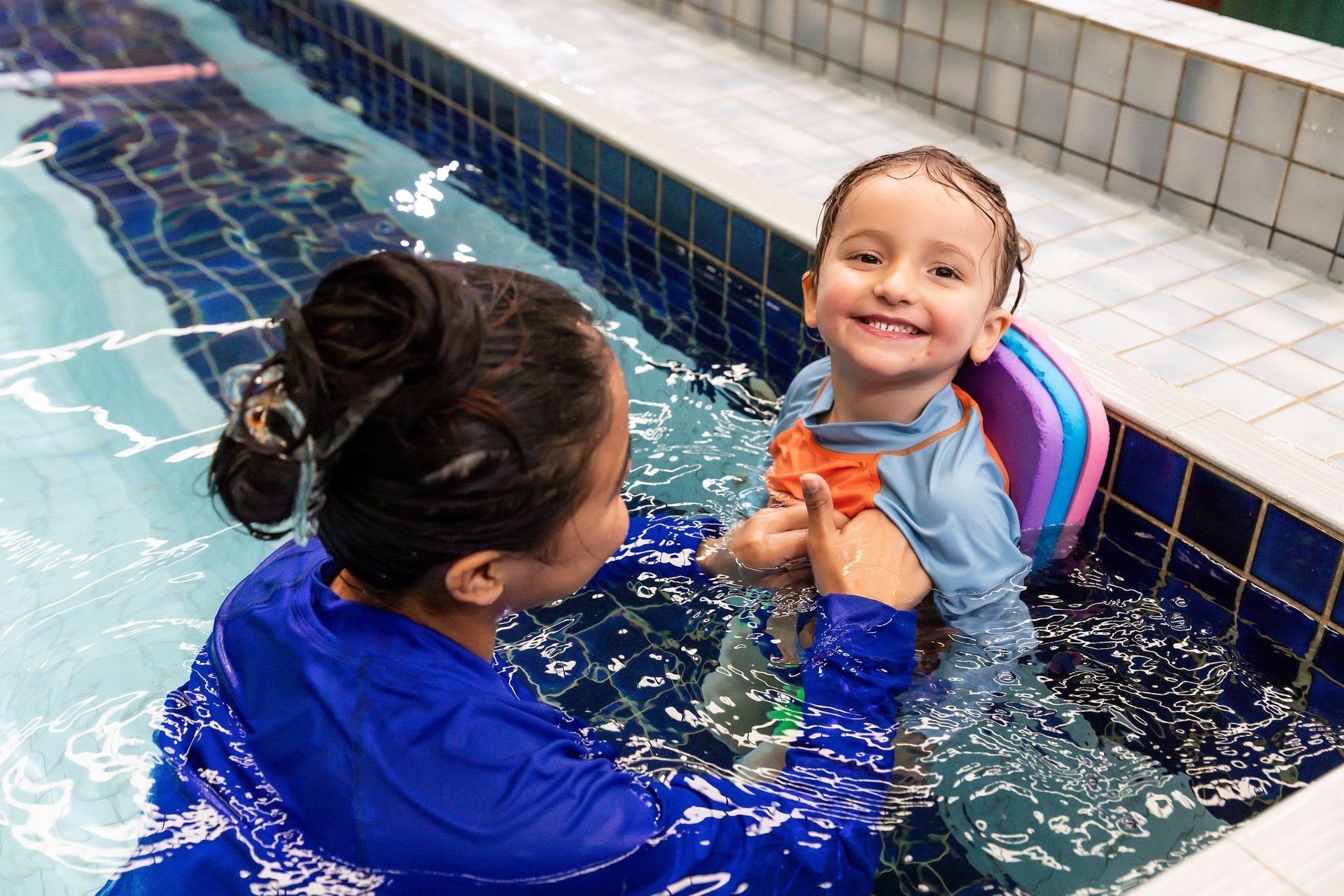
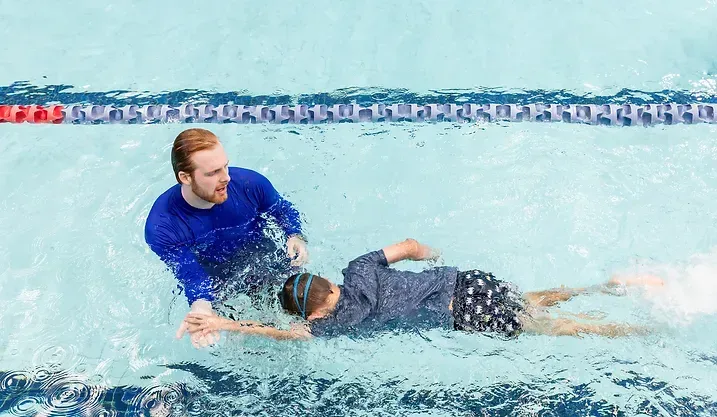
Warm water eliminates physical discomfort and apprehension, allowing young learners to focus on skill acquisition and fun. For a beginner child, water temperature is often the deciding factor between a joyful lesson and a tearful struggle.
Comfort-focused pool facility features:
- Consistently Warm Water Temperatures: Kept extra warm (up to 32°C for beginners) so young swimmers relax their muscles and stay comfortable throughout class.
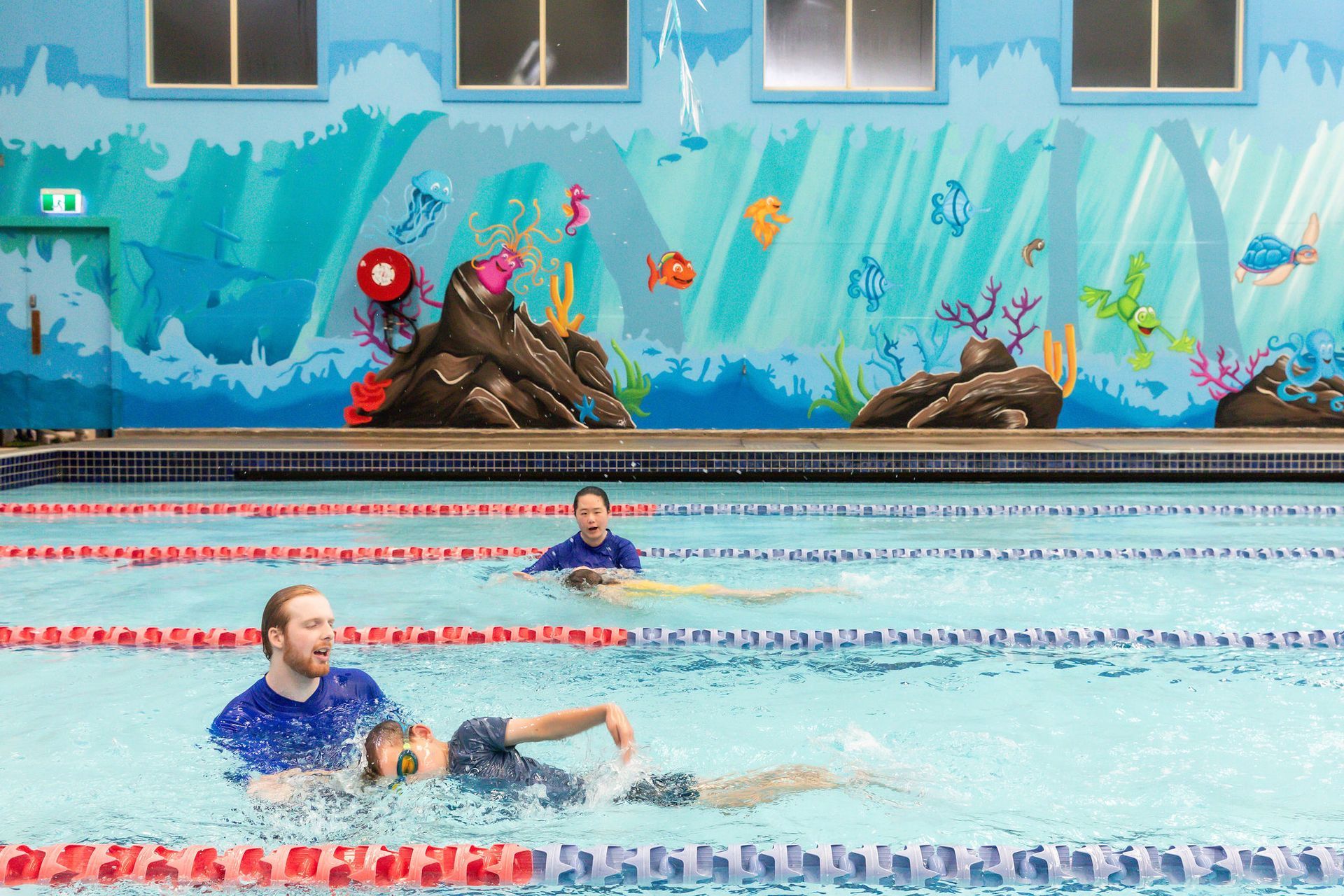
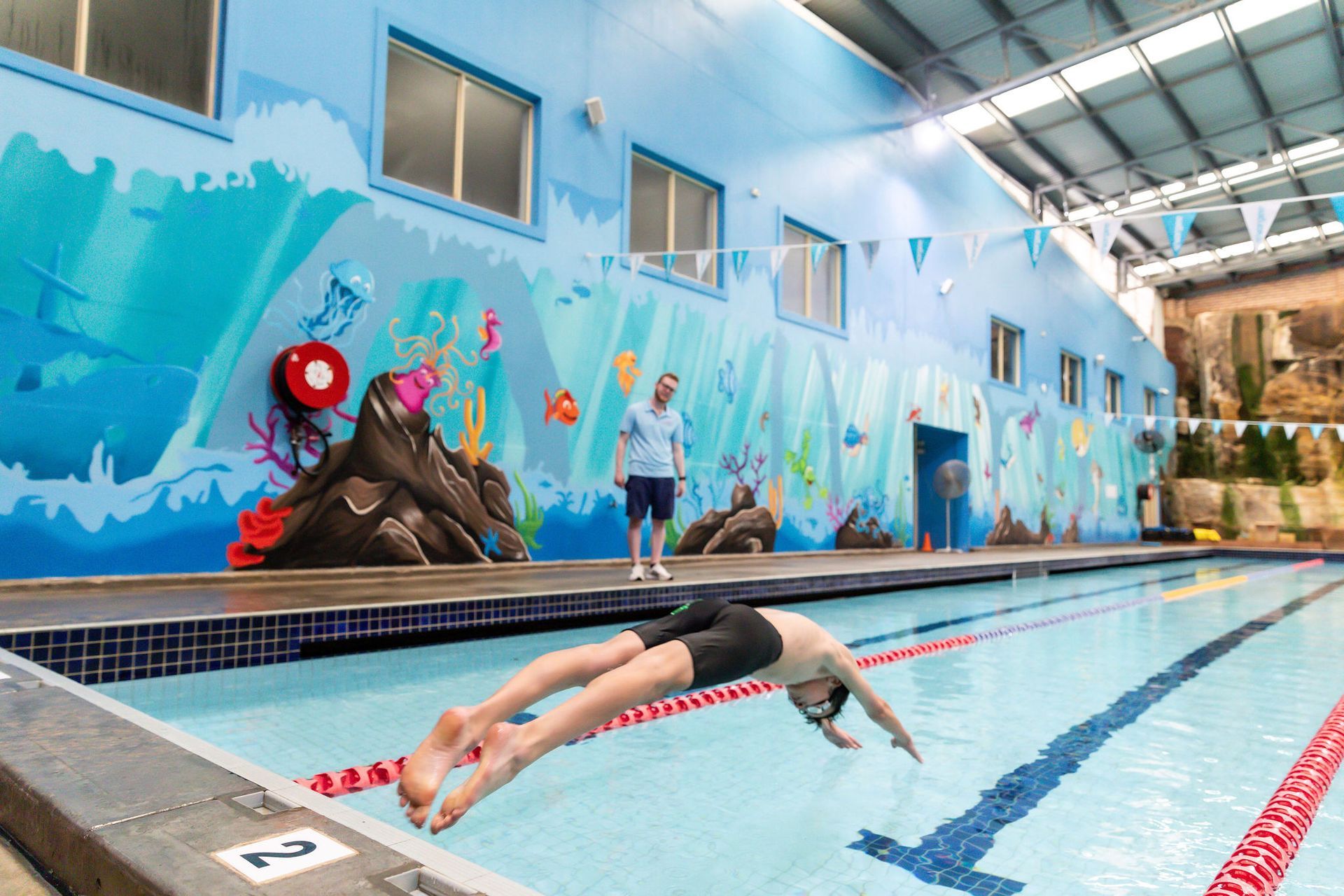
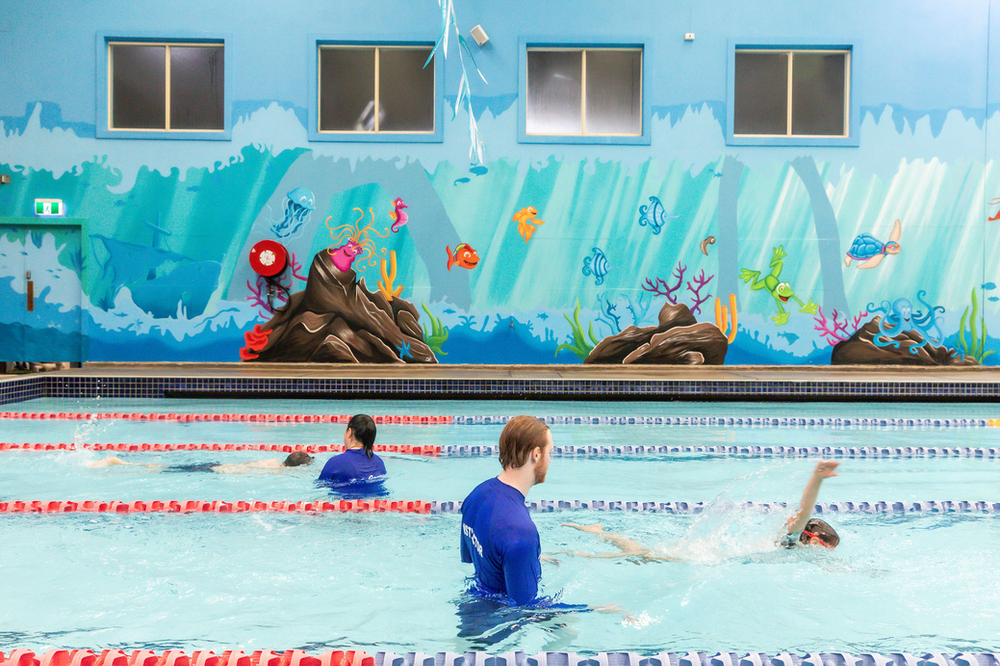
- Three Specialized Pool Environments: Purpose-built shallow beginner, teaching improver, and 25-metre lap pools ensure kids swim at depths matched to their skill level.
- Reduced Aquatic Anxiety: Warmer water prevents teeth-chattering and muscle shivering, making hesitant children significantly more receptive to learning new movements.
- Quiet, Enclosed Indoor Setting: Climate-controlled indoor facilities protect bathers from wind, harsh sun, and weather distractions.
Cold water causes immediate body tension and rapid breathing. When a child is shivering, they cannot relax enough to master unassisted back floating or proper kicking balance.
By contrast, cozy indoor pools create an inviting space where kids feel safe. Once physical comfort is guaranteed, instructors can easily introduce game-based drills that build true water confidence.
What Play-Based Activities Are Integrated into Lessons?
Instructors use structured games to covertly teach critical water safety and stroke mechanics without causing cognitive fatigue. Play-based learning allows children to master complex physical movements while focusing entirely on the game.
| Activity | Target Skill Developed | Pedagogical Benefit |
|---|---|---|
| Treasure Hunt | Underwater submersion & breath control | Encourages opening eyes underwater and diving comfortably to retrieve sinking rings. |
| Shark & Minnows | Agility, rapid kicking, & reaction time | Builds speed, movement confidence, and spatial awareness across the pool. |
| Relay Races | Stroke mechanics & team cooperation | Enhances kicking power and stroke efficiency through friendly peer competition. |
| Floating Challenges | Core stability & passive buoyancy | Teaches energy conservation, calm body positioning, and unassisted back floating. |
Game-based learning turns routine practice into an exciting challenge. For instance, retrieving weighted rings during a "Treasure Hunt" teaches children face submersion and breath control without them dwelling on fear.
Similarly, "Shark & Minnows" encourages instinctive flutter kicking and swift direction changes. Children refine their swimming speed and water agility organically through active play.
How Does Group Swimming Foster Social Interaction and Teamwork?
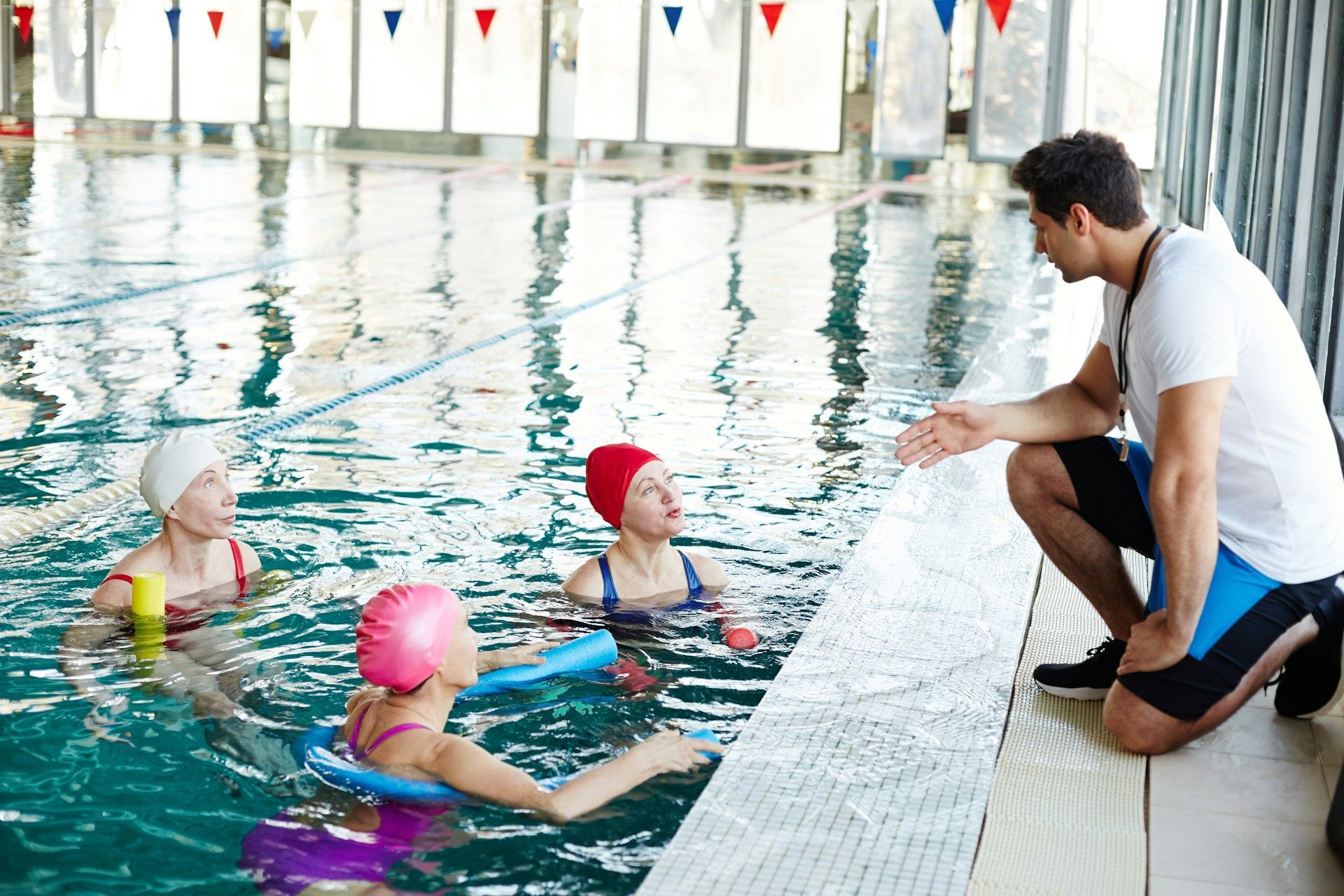
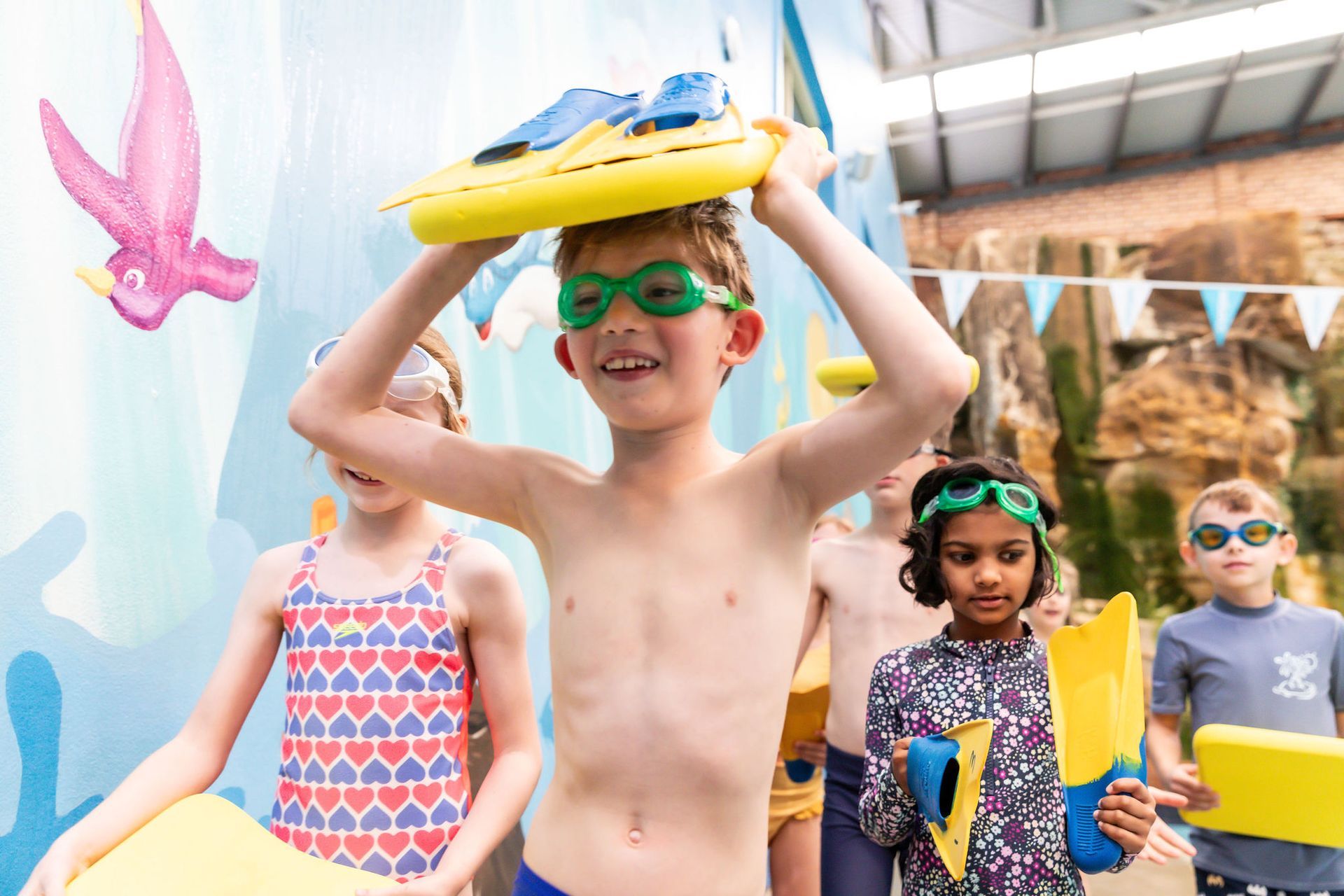
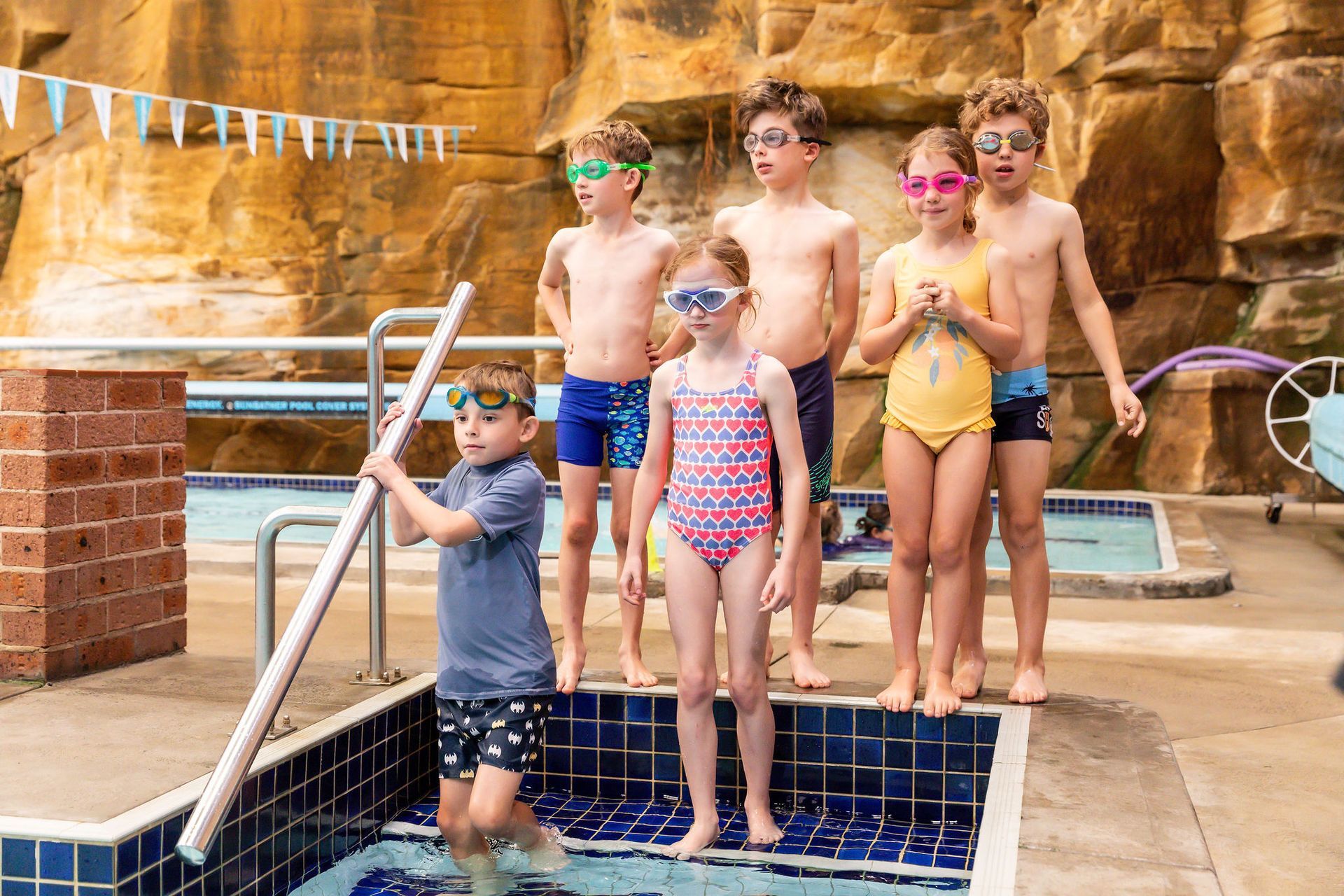
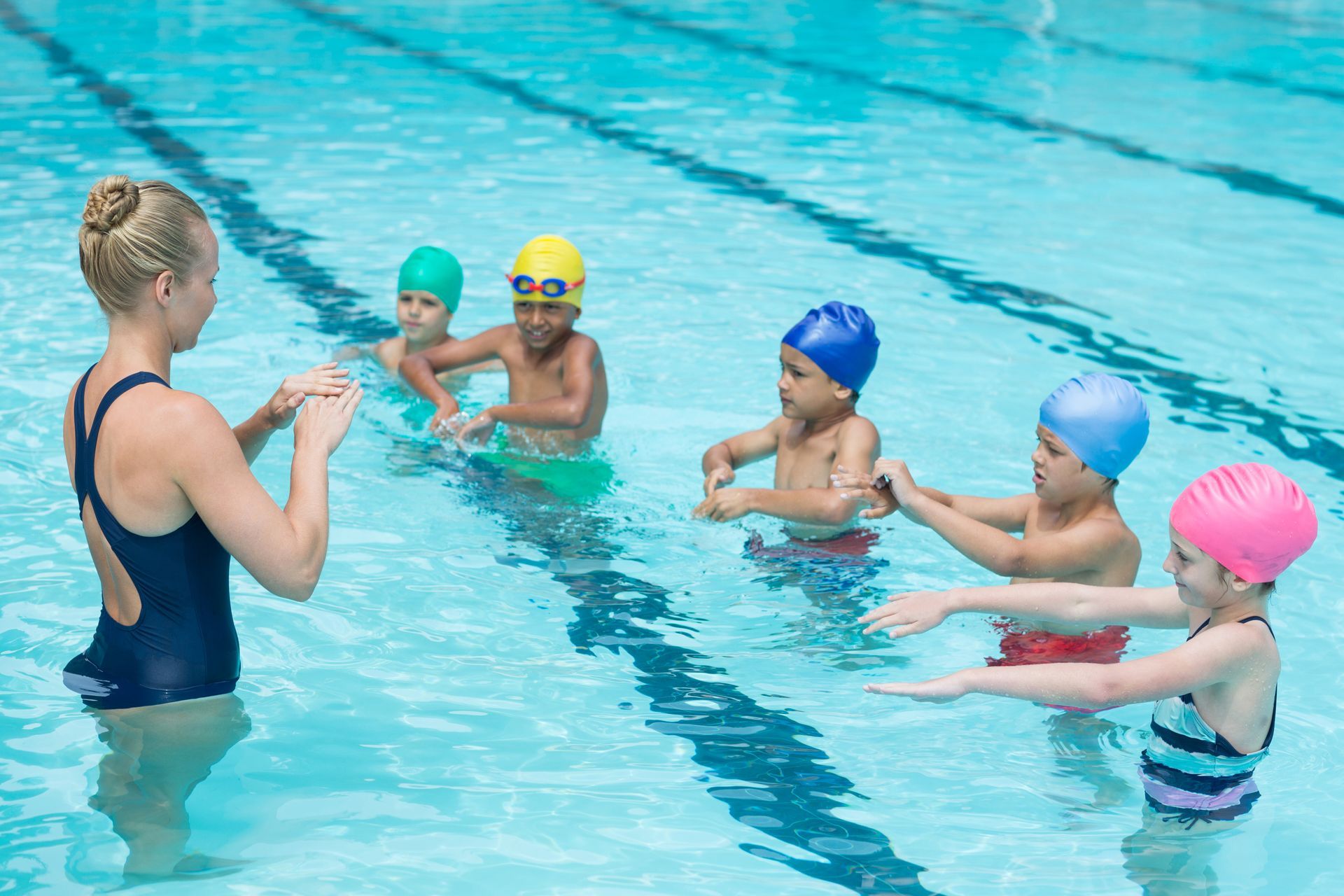
Group lessons provide an interactive environment where children learn essential social and emotional skills alongside swimming mechanics. Learning alongside peers turns individual aquatic drills into a shared team experience.
Social benefits of group swim instruction:
- Positive Peer Encouragement: Watching classmates succeed motivates hesitant swimmers to try new challenges and overcome personal fears.
- Collaborative Teamwork Skills: Activities like team relays and group kickboard races teach communication, sharing, and relying on peers to achieve goals.
- Lasting Social Connections: Shared aquatic play helps young swimmers form friendships, making weekly swim classes an engaging event they anticipate all week.
- Healthy Sportsmanship: Group settings teach children how to celebrate peer achievements and cheer for classmates.
Peer modeling is one of the most powerful tools in aquatic education. When a hesitant child sees a classmate float on their back or jump off the ledge safely, their own apprehension fades.
Group dynamics also foster accountability and team spirit. Children learn to listen, take turns, and encourage one another, building vital social maturity alongside swimming skills.
How Does Positive Reinforcement Build Lasting Confidence?
Praising effort and acknowledging milestone accomplishments transforms hesitant beginners into self-assured swimmers. Building emotional security on the pool deck ensures children feel valued for their hard work.
Strategies for building confidence through praise:
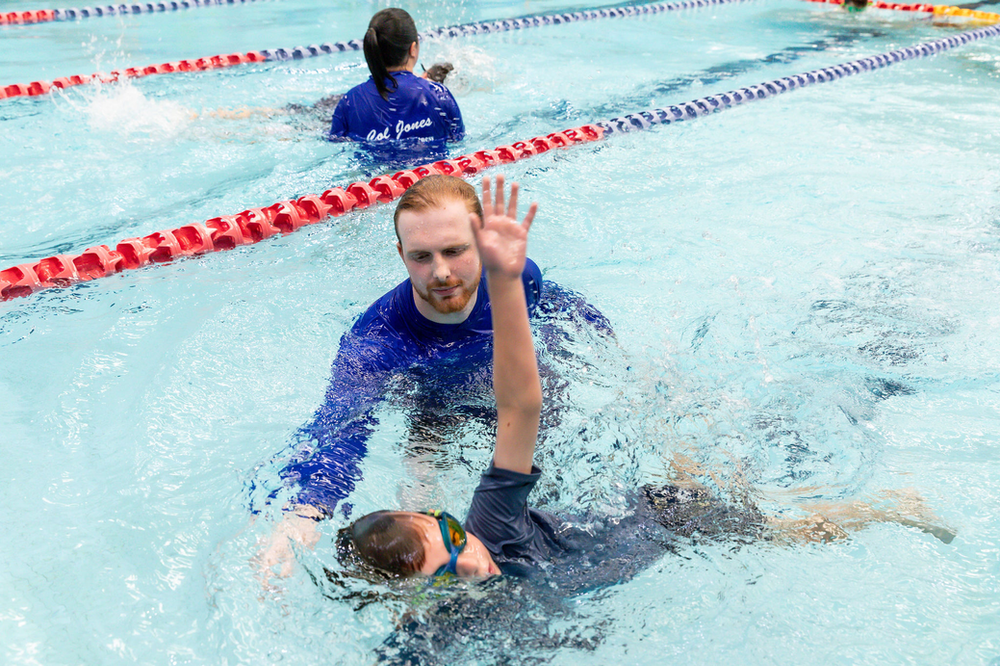
- Immediate Instructor Praise: Certified teachers offer immediate, constructive praise for small wins like successful submersions or smooth side breathing.
- Clear Milestone Benchmark Goals: Achievable targets give children a tangible sense of progression as they advance from shallow pools to deep lap lanes.
- Parental Reinforcement at Home: Parents are encouraged to reinforce pool achievements with supportive words that boost long-term self-esteem.
- Digital Skill Badge Celebrations: Real-time updates on the Parent Portal allow families to review and celebrate completed skills right after class.
Celebrating micro-milestones, such as blowing five bubbles or floating unassisted for three seconds, builds incredible momentum. Small wins convince young bathers that they are capable of tackling bigger challenges.
Involving parents in the praise cycle completes the positive feedback loop. When kids know their family and instructors are proud of their effort, their confidence soars both in and out of the water.
How Col Jones Swim Tempe Makes Swimming Fun
At Col Jones Swim Tempe, fun and technical excellence go hand in hand. Serving Inner West Sydney families since 1973, our center pairs purpose-built indoor facilities with compassionate, expert coaching.
Why Sydney families choose Col Jones Swim Tempe:
- Three Climate-Controlled Indoor Pools: Purpose-built shallow beginner, intermediate teaching, and 25-metre lap pools support every learning stage.
- AUSTSWIM-Certified Coaches: Experienced instructors who specialize in warm, play-based teaching methodologies tailored to child psychology.
- 24/7 Digital Parent Portal: Track skill milestones, manage bookings, and celebrate progress updates directly from your smartphone.
- Eco-Friendly Facility Infrastructure: Inverter heat pumps and thermal pool blankets keep water cozy and clean while protecting the environment.
By combining play-based learning with extra-warm indoor pools, our school ensures that every child develops a lifelong love for swimming.
Whether your child is taking their very first splash or preparing for competitive squad racing, our supportive environment ensures learning is always an exciting, rewarding adventure.
Conclusion
Summary
Following these essential steps to make swimming fun for kids ensures young bathers in Sydney build lifelong aquatic safety, technical skill, and social confidence. Consistently warm indoor pools eliminate thermal discomfort and fear, creating an inviting space where children can relax and learn. Integrating play-based activities, like Treasure Hunts, Shark & Minnows, and Floating Challenges, covertly develops breath control, body alignment, and kicking power without mental exhaustion.
Group lesson dynamics build social maturity through peer encouragement and teamwork, while positive reinforcement from instructors and parents reinforces self-esteem. Established icons like Col Jones Swim Tempe combine purpose-built multi-pool facilities with play-based teaching to deliver an exceptional, fun-filled swim school experience.
Book a Strategy or Discovery Call
Give your child the gift of fun, confidence-building swim lessons in a warm, supportive indoor environment. If you are ready to tour our multi-pool facility, book a 10-minute swimming assessment, or enroll your family in upcoming term classes, contact our team today to speak with our friendly enrollment specialists.
Frequently Asked Questions
Why is fun so important when teaching children to swim?
Fun removes anxiety and fear, helping children relax their muscles, engage with their instructor, and absorb self-rescue mechanics and stroke technique much faster.
How warm are the pools at Col Jones Swim Tempe?
All three indoor pools at Col Jones Swim Tempe are climate-controlled and heated year-round (up to 32°C for beginners), ensuring bathers stay cozy and relaxed in every season.
How do instructors use games to teach real swimming skills?
Games like "Treasure Hunt" teach underwater submersion and breath control, while "Shark & Minnows" builds kicking speed and agility, allowing kids to learn while playing.
What should I do if my child is afraid of the water?
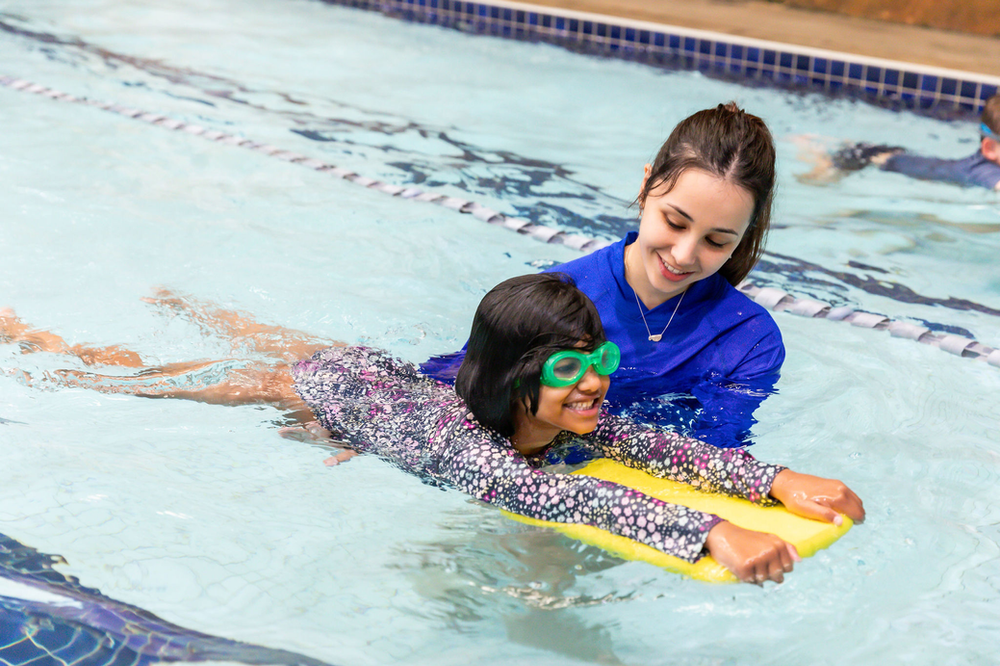
Start in a warm, shallow pool where your child can stand easily. Our compassionate coaches use gentle play, floating games, and positive praise to build trust step-by-step.
Can I track my child's progress and milestone achievements online?
Yes! Our digital Parent Portal lets you view real-time skill updates, track completed benchmark badges, and celebrate your child's achievements directly from your smartphone 24/7.