Ways We Keep Our Pools Eco-Friendly
Key Takeaways
- Energy-Efficient Commercial Heating: Operating eco-friendly pools relies on advanced air-source heat pumps and thermal pool blankets to drastically reduce energy consumption and carbon emissions.
- Proactive Water Conservation: Implementing greywater recycling for toilet flushing, low-flow plumbing fixtures, and leak detection prevents unnecessary water waste.
- Comprehensive Waste Reduction: Diverting single-use items through dedicated paper towel recycling channels and sorting hubs keeps waste out of local landfills.
- Paperless Parent Management: Digital platforms like iClassPro streamline class scheduling and progress tracking, eliminating paper administrative waste.
- Community Eco-Education: Instructors integrate environmental awareness into swim lessons, teaching young athletes respect for natural aquatic ecosystems.
Introduction
Discovering the ways we maintain eco-friendly pools demonstrates how energy efficiency, water conservation, waste reduction, and community education come together in daily swim school operations. By using advanced heating technology and sustainable water management, the facility lowers its environmental footprint while delivering year-round swim instruction at Col Jones Swim Tempe.
Operating a commercial swim school requires significant water and energy resources to keep pools clean, clear, and comfortably warm. Without green operational practices, year-round heating and filtration can draw heavy power and generate substantial utility waste.
Integrating sustainable technology into aquatic centers offers a better way forward. By combining smart engineering with eco-conscious habits, modern swim centers provide a healthy, warm environment for families while protecting the natural world.
How Does Col Jones Swim Tempe Maintain Energy-Efficient Pool Heating?
Heating multiple indoor pools year-round requires smart technology to minimize carbon emissions and reduce overall power consumption. Maintaining warm water temperatures is essential for young learners, but doing so sustainably requires high-efficiency heating systems.
Key energy-saving heating technologies utilized on-site:
- Air-Source Heat Pump Systems: Commercial heat pumps harvest ambient warmth from the surrounding air to heat pool water, producing significantly lower carbon emissions than traditional gas heaters.
- Insulated Thermal Pool Blankets: Custom thermal covers deployed over pool surfaces during off-peak night hours retain water temperature, cutting the energy required to re-heat basins daily.
- Precise Temperature Zone Balancing: Automated climate monitoring ensures 33°C warmth in shallow beginner pools without unnecessary energy draw across deeper lap lanes.
- Enclosed Climate Control Building Design: Fully enclosed indoor facilities retain ambient air warmth, protecting pool water from cold drafts and lowering furnace workloads.
Commercial heat pumps represent a major leap forward in pool heating technology. By transferring existing heat from the atmosphere into the pool water rather than burning fossil fuels, heat pumps deliver steady, cozy water temperatures with maximum energy efficiency.
Deploying thermal pool blankets nightly is another critical energy-saving step. Uncovered pools lose immense amounts of heat through evaporative cooling overnight; thermal covers lock in that warmth, saving thousands of kilowatt-hours annually.
What Water Conservation Techniques Are Used Throughout the Facility?
Water management initiatives focus on minimizing waste, preventing evaporative loss, and recycling water wherever possible. Preserving precious water resources ensures that swim operations remain environmentally responsible.
Proactive water conservation initiatives include:
- Facility Greywater Recycling: Recycles treated washroom and facility water specifically for toilet flushing systems, drastically reducing fresh municipal water draw.
- Commercial Low-Flow Plumbing Fixtures: Change rooms and restrooms feature sensor-activated, low-flow taps and showerheads to eliminate accidental running water waste.
- Preventative Maintenance and Leak Audits: Routine inspections of underground piping, balance tanks, and pool membranes catch silent leaks before water is lost.
- Advanced Filtration Efficiency: High-efficiency media filtration reduces the frequency and duration of backwashing cycles needed to maintain crystal-clear water.
Recycling greywater for sanitation turns potential wastewater into a valuable resource. Reusing treated water for toilet flushing saves thousands of liters of clean drinking water every month.
In addition, smart filtration systems reduce the need for frequent backwashing. Modern filtration media traps fine particles efficiently, keeping water pristine while conserving both chemical treatments and fresh water top-ups.
How Does the Swim School Reduce Waste and Support Recycling?
Waste reduction efforts focus on diverting single-use items and communal materials away from landfills. Promoting a zero-waste culture across the facility encourages staff, students, and parents to practice sustainable habits every day.
Waste diversion and recycling strategies implemented:
- Dedicated Paper Towel Recycling: Specialized collection bins ensure paper hand towels are routed to dedicated composting and recycling channels rather than standard rubbish bins.
- Centralized Material Sorting Hubs: Clearly labeled sorting hubs throughout spectator decks and change areas allow families to separate plastics, aluminum, and cardboards easily.
- Paperless Digital Administration: Operating through the digital iClassPro Parent Portal eliminates paper enrollment forms, physical receipts, and printed report cards.
- Eco-Friendly Facility Materials: Staff utilize biodegradable cleaning products and non-toxic maintenance solutions to protect local waterways from harsh chemical runoff.
Eliminating paper administrative forms prevents unnecessary paper waste. From initial enrollment and fee processing to weekly skill updates, digital systems handle account management cleanly and efficiently.
Providing clear waste-sorting hubs on the pool deck also makes recycling easy for visiting families. Diverting recyclable bottles and paper towels away from general waste minimizes the center's overall landfill volume.
How Are Environmental Values Integrated into Student Education?
The swim school extends its eco-friendly mission into its core curriculum by instilling sustainable habits in young athletes. Teaching children to respect aquatic environments builds a lifelong appreciation for nature.
Educational initiatives integrated into swim programs:
- Lesson-Based Aquatic Eco-Awareness: Instructors introduce simple environmental concepts during lessons, teaching students the connection between clean pool habits and natural ocean habitats.
- Community Sustainability Workshops: Hosting family events and sharing practical sustainability guidelines for reducing plastic waste at home, at the pool, and at local beaches.
- Eco-Friendly Lifelong Values: Encouraging young bathers to turn off taps, sort recyclables, and care for water resources fosters environmental stewardship.
- Active Green Modeling: By seeing thermal blankets, recycling hubs, and digital systems in daily use, students learn that environmental care is a normal part of life.
When children learn to respect water in the pool, they carry those values to rivers, lakes, and oceans. Instructors emphasize that keeping pool water clean mirrors protecting natural marine life.
Community workshops also extend green learning to parents. Sharing practical tips on eco-friendly swimwear care and reusable swim nappies helps families build sustainable routines at home.
How Col Jones Swim Tempe Leads in Eco-Friendly Swimming
At Col Jones Swim Tempe, environmental sustainability is built right into our daily operations. Serving Inner West Sydney since 1973, our facility combines over five decades of teaching heritage with modern green technology.
Sustainable facility features at Col Jones Swim Tempe:
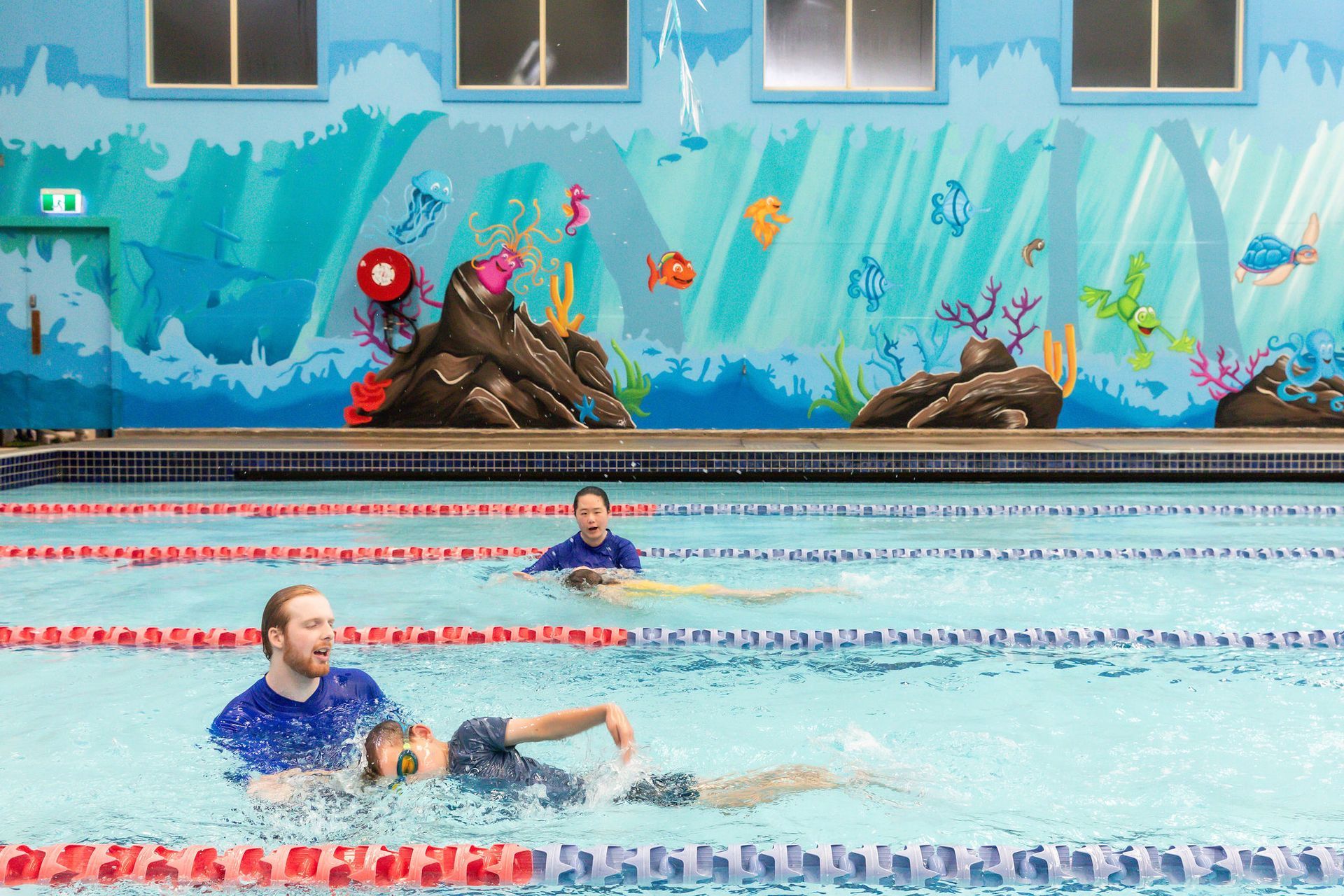
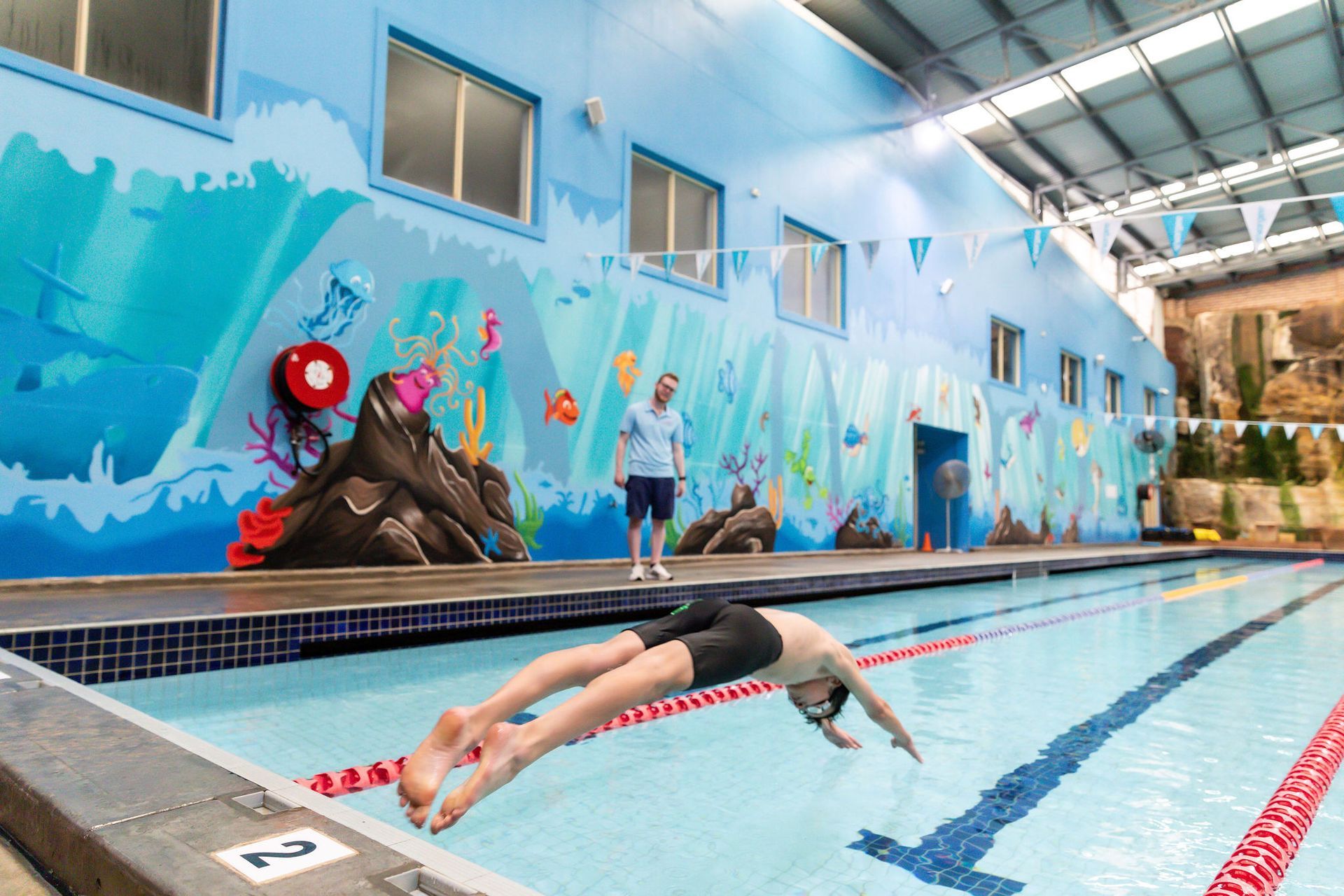
- Three Climate-Controlled Indoor Pools: Shallow beginner, intermediate improver, and 25-metre lap pools heated sustainably year-round.
- AUSTSWIM-Certified Coaches: Experienced instructors who combine compassionate stroke coaching with lesson-based environmental education.
- Digital iClassPro Parent Portal: 24/7 online account control that eliminates paper forms while giving parents real-time skill updates and scheduling control.
- Advanced Green Technology: Inverter heat pumps, thermal pool covers, greywater recycling, and paper towel diversion minimize our carbon footprint.
By investing in green infrastructure, our school provides a warm, comfortable, and healthy environment where children learn to swim with confidence.
Choosing a sustainable swim school ensures your family enjoys world-class aquatic instruction while supporting green practices that protect our planet for future generations.
Conclusion
Summary
Discovering the ways we maintain eco-friendly pools highlights how modern technology and eco-conscious habits create a sustainable swim facility. Utilizing air-source heat pumps and thermal pool blankets keeps water warm while drastically lowering energy use and carbon emissions. Greywater recycling, low-flow plumbing fixtures, and efficient filtration systems preserve water resources, while paper towel recycling and paperless digital account management eliminate operational waste.
Instructors complement these green systems by teaching young swimmers respect for aquatic ecosystems. Established leaders like Col Jones Swim Tempe demonstrate that high-quality aquatic instruction and environmental sustainability go hand in hand.
Book a Strategy or Discovery Call
Join a sustainable swim school dedicated to providing world-class aquatic instruction in an eco-friendly environment. If you are ready to tour our multi-pool indoor facility, book a 10-minute swimming assessment, or enroll your family in upcoming term classes, contact our team today to speak with our friendly enrollment specialists.
Frequently Asked Questions
How do heat pumps make pool heating more eco-friendly?
Heat pumps harvest heat from the surrounding air rather than burning fossil fuels like gas heaters do, supplying warm pool water with significantly lower energy draw and carbon emissions.
Why are thermal pool covers so important for energy conservation?
Thermal covers placed over pools overnight prevent evaporative heat loss, keeping pool water warm and cutting down the energy required to re-heat the basins every morning.
How does Col Jones Swim Tempe conserve water throughout the facility?
We conserve water by using greywater recycling for toilet flushing, installing sensor-activated low-flow taps in restrooms, and using advanced filtration systems that reduce backwashing waste.
Is the online Parent Portal part of your environmental initiative?
Yes! Our paperless Parent Portal eliminates physical enrollment forms, paper receipts, and printed progress reports, saving paper while offering parents 24/7 account convenience.
How warm are the eco-friendly pools at Col Jones Swim Tempe?
All three indoor pools are climate-controlled and heated sustainably year-round (up to 32°C for beginner basins), ensuring bathers stay cozy without excessive energy use.