Why Heated Pools Can Improve Your Swimming Experience
Key Takeaways
- Optimal Muscle Physiology: Swimming in a heated pool dilates blood vessels, enhances oxygen delivery, prevents muscle cramping, and speeds up post-workout recovery.
- Support for Every Life Stage: Warm water eliminates cold-water shivering for young beginners, provides low-impact exercise for lap swimmers, and eases joint stiffness for seniors.
- Enhanced Technical Focus: Maintaining steady pool temperatures removes thermal distractions, allowing students to focus on side breathing, stroke mechanics, and squad pacing.
- Eco-Friendly Heating Operations: Facilities like Col Jones Swim Tempe combine commercial air-source heat pumps with thermal blankets (covering up to 80% of the day) to deliver warmth sustainably.
- Inner West Sydney Legacy: Operating since 1973, Col Jones Swim Tempe pairs three specialized climate-controlled pools with digital parent tracking for an exceptional swim school experience.
Introduction
Understanding why swimming in a heated pool provides significant physiological and performance benefits helps swimmers of all age groups achieve their aquatic goals. Maintaining an optimal water temperature keeps muscles flexible, enhances cardiovascular circulation, and eliminates cold-water stress, allowing swimmers to build endurance, refine stroke mechanics, and recover efficiently at Col Jones Swim Tempe.
Water temperature plays a fundamental role in how the human body reacts during exercise. Stepping into a cold pool causes immediate muscle tightening, elevated heart rates, and shallow breathing, making it difficult for swimmers to relax or perform at their best.
In contrast, warm water creates an ideal biological and emotional environment for aquatic training. Whether a toddler is learning to float or an older adult is seeking low-impact joint relief, climate-controlled indoor pools make every swimming session comfortable, safe, and effective.
What Are the Physiological Benefits of Heated Water Swimming?
Warm water directly impacts muscular and cardiovascular performance, creating an ideal biological environment for aquatic training. When water temperatures are calibrated correctly, the body adapts rapidly to aquatic conditioning.
Key physiological advantages of warm water training:
- Muscular Relaxation & Flexibility: Warm water prevents involuntary muscle contraction and cramping, allowing a fuller, smoother range of motion during stroke execution.
- Enhanced Blood Circulation: Heat induces vasodilation (the widening of blood vessels), increasing oxygen and nutrient delivery to working muscle tissues while delaying physical fatigue.
- Accelerated Muscle Recovery: Boosted blood flow accelerates the removal of metabolic waste products, such as lactic acid, after high-intensity lap training or squad sets.
- Reduced Cardiovascular Strain: Warmer water prevents the sudden rise in blood pressure often triggered by cold water shocks, keeping the cardiovascular system stable.
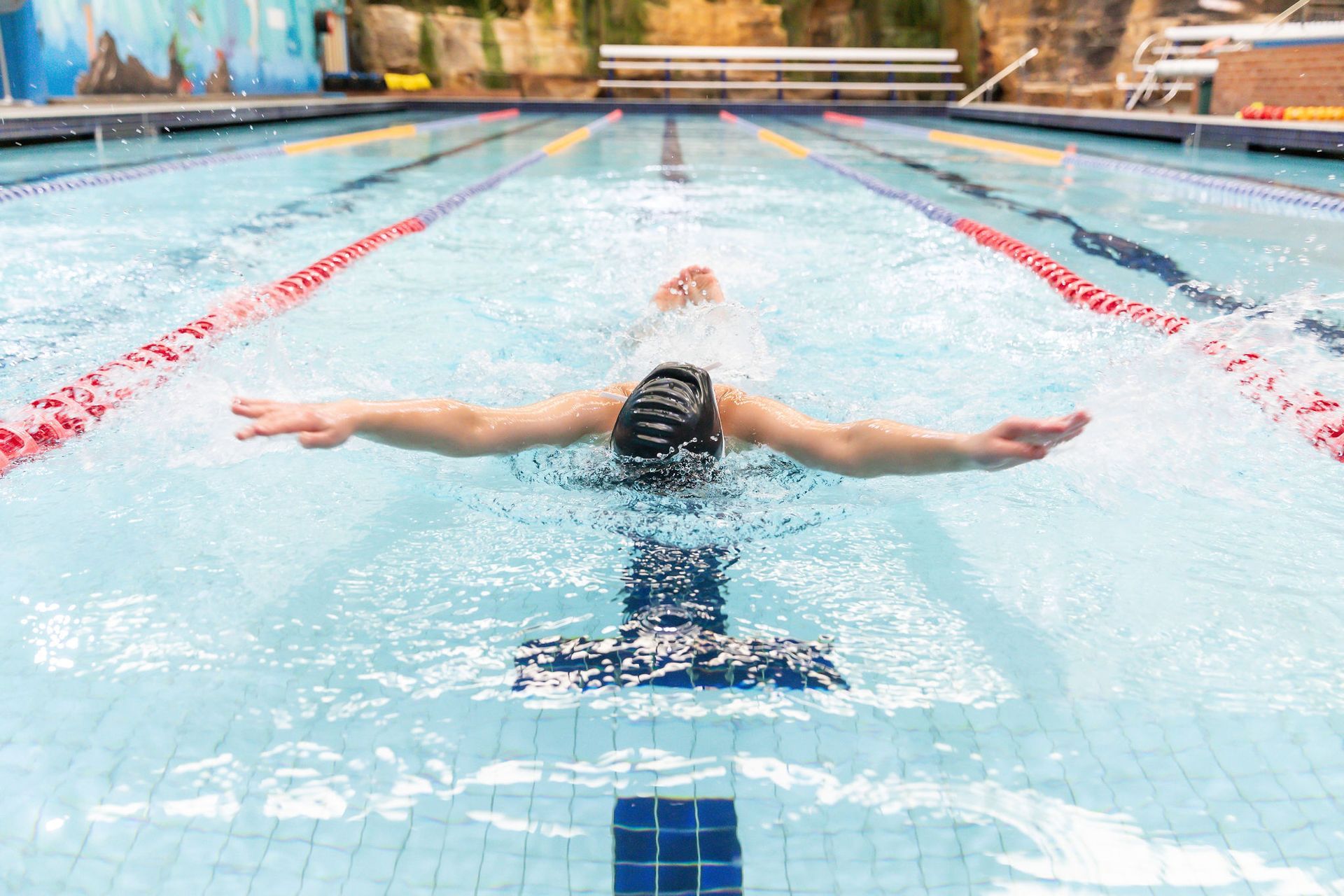
When muscles are warm, joints move freely without friction or tightness. Swimmers can reach further during freestyle arm recoveries and maintain proper body alignment across full-length laps.
Increased blood circulation also reduces post-workout muscle soreness. Swimmers can train more consistently throughout the week without experiencing severe physical fatigue or stiffness.
How Do Heated Pools Support Different Age Groups?
Consistent water temperatures eliminate cold-water anxiety for beginners and offer therapeutic relief for older swimmers. Every developmental stage benefits uniquely from climate-controlled aquatic environments.
| Age / Swimmer Group | Primary Benefit | Functional Impact |
|---|---|---|
| Young Children & Beginners | Reduced anxiety & relaxed muscles | Eliminates shivering; enhances focus on floating balance and breathing basics |
| Adults & Lap Swimmers | Joint-friendly conditioning | Provides low-impact cardiovascular workouts with reduced joint strain |
| Seniors & Rehabilitation | Therapeutic warmth | Relieves joint stiffness, eases arthritis pain, and increases mobility |
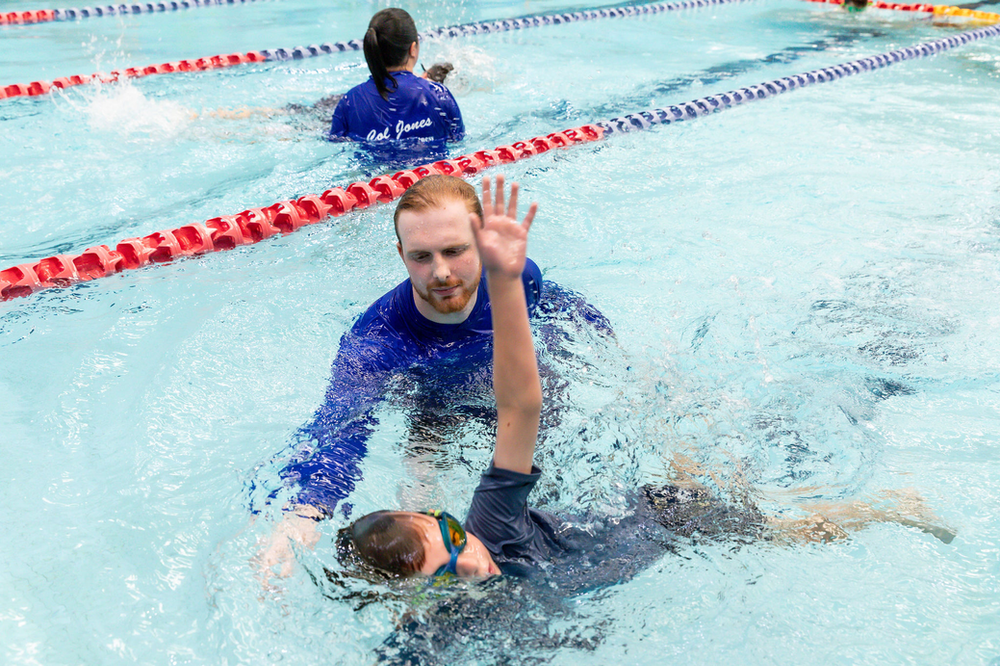
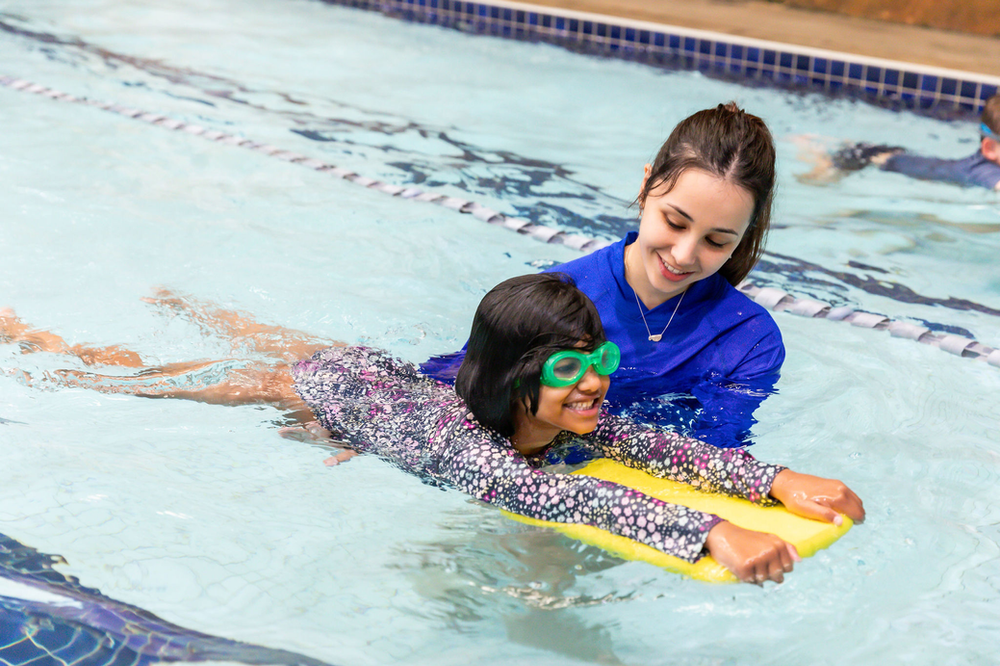
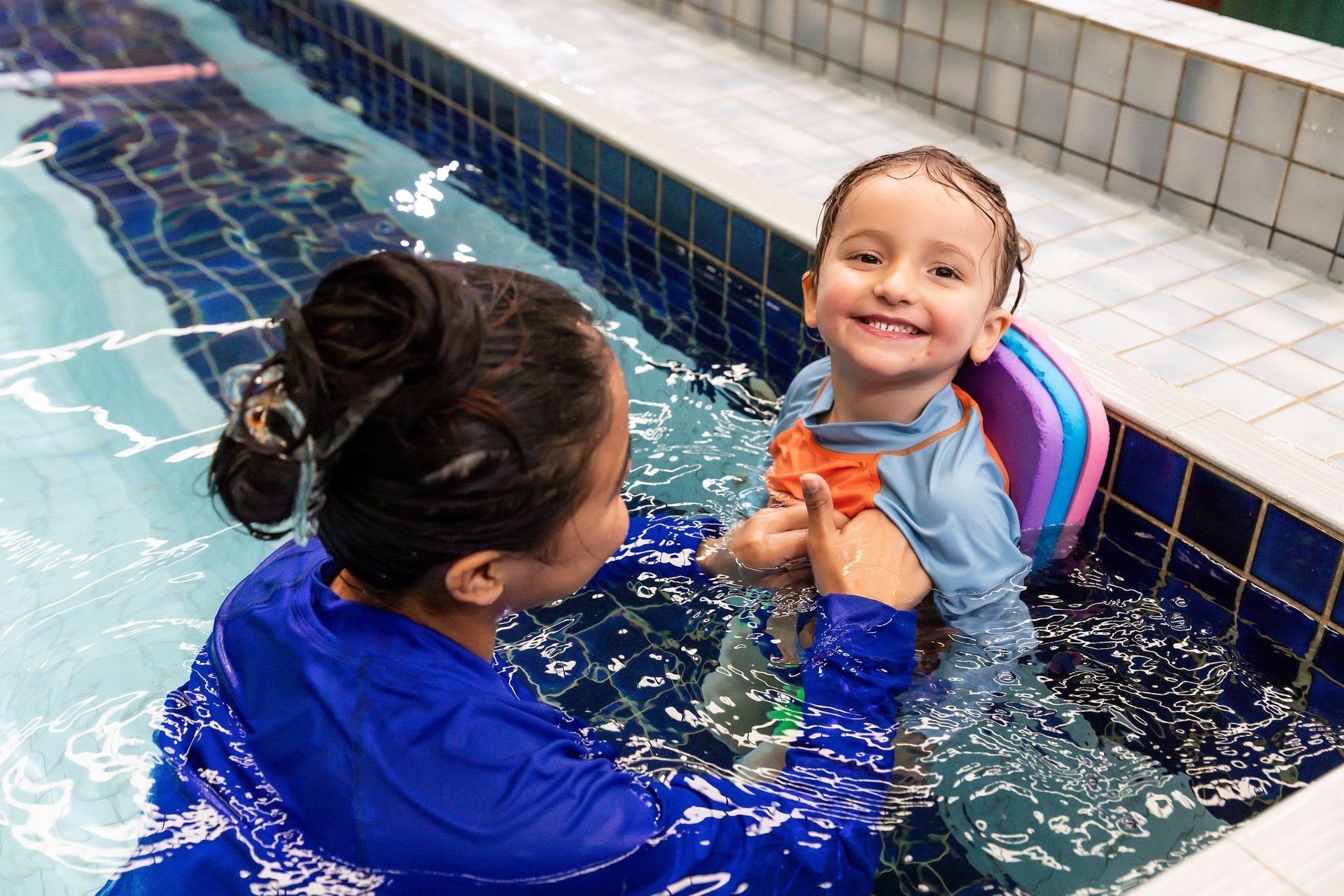
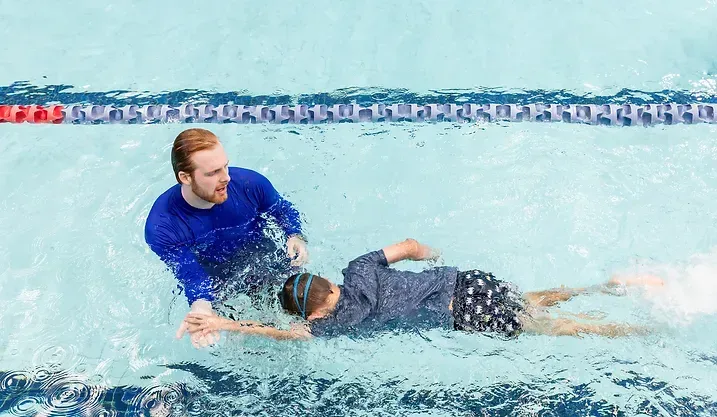
For toddlers and young beginners, physical comfort directly influences learning. When a child is shivering, their focus shifts toward coping with the cold rather than listening to their coach or trying new skills.
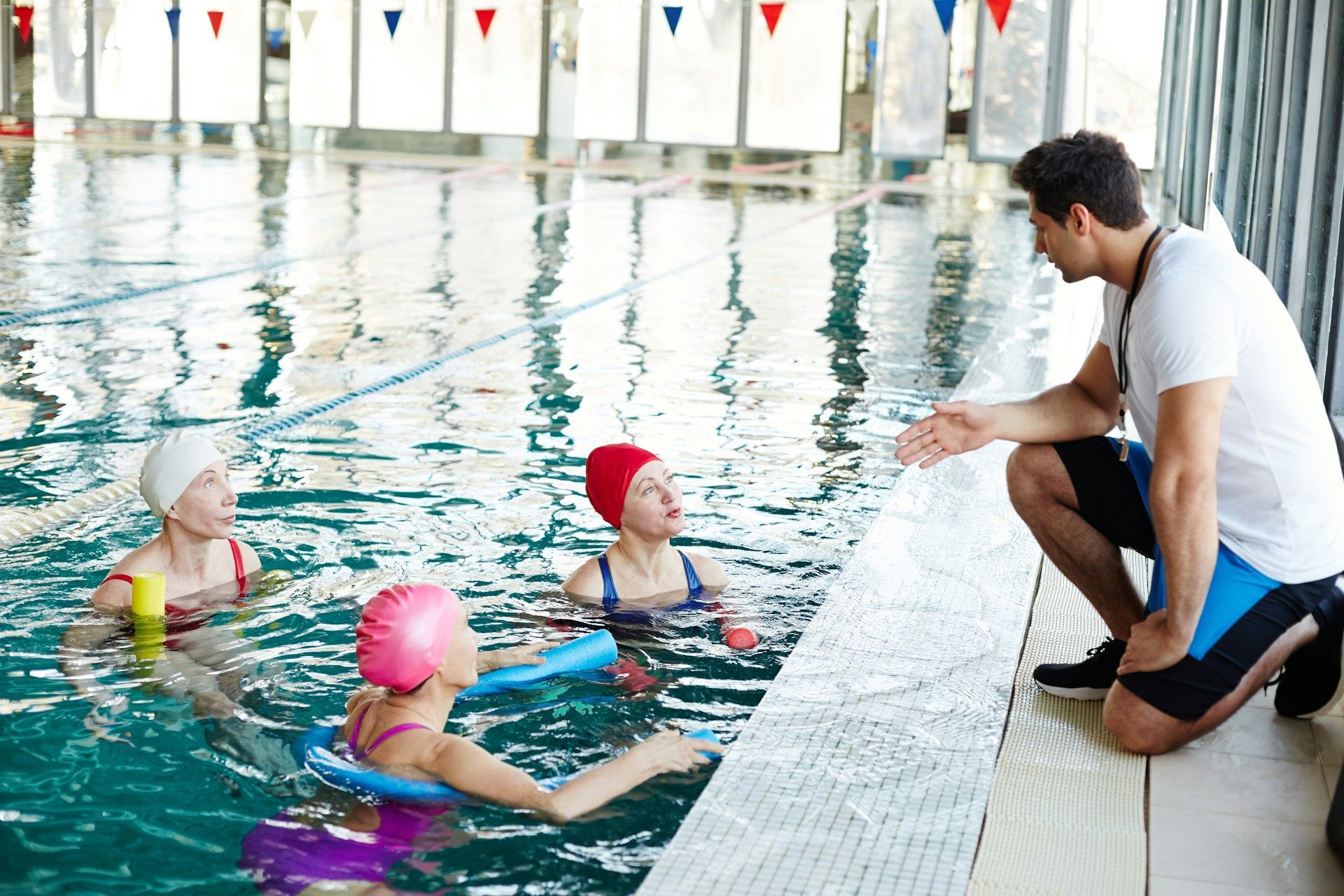
For seniors and hydrotherapy patients, warm water relieves pressure on sensitive joints. The buoyancy of water combined with gentle heat provides a weightless environment where individuals can rebuild strength and mobility without pain.
How Does Temperature Consistency Enhance Skill Development?
Uncomfortable water temperatures distract swimmers and degrade proper stroke mechanics. Maintaining stage-appropriate water temperatures ensures students focus entirely on skill progression rather than coping with cold drafts.
Temperature application across specialized pool environments:
- Small Beginner Pool: Maintained at extra-warm temperatures (up to 32°C) to reassure young learners as they master unassisted floating balance, lip submersions, and kick technique.
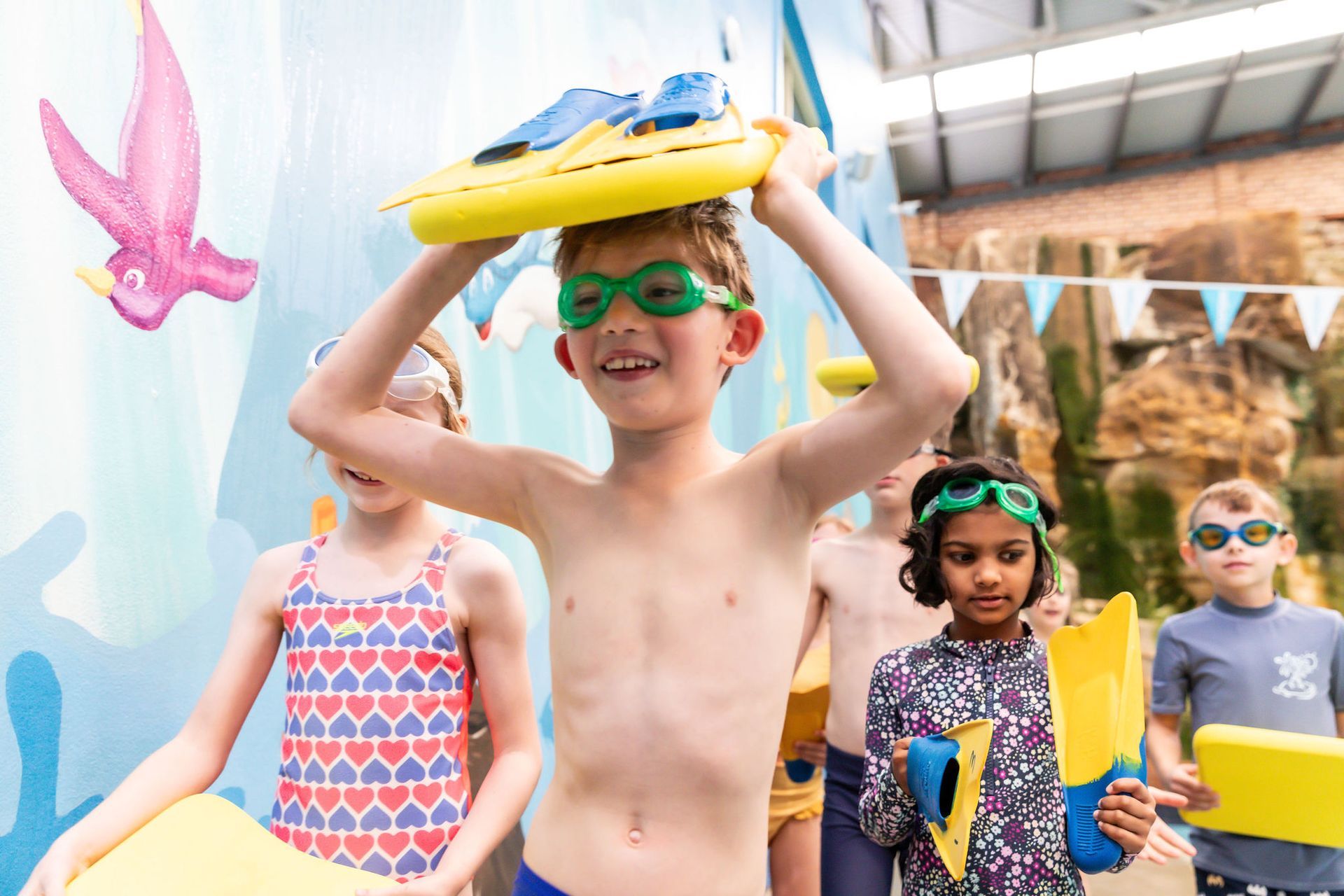
- Teaching Improver Pool: Offers comfortable transition warmth, helping intermediate swimmers focus on rhythmic side breathing and multi-stroke coordination without shivering.
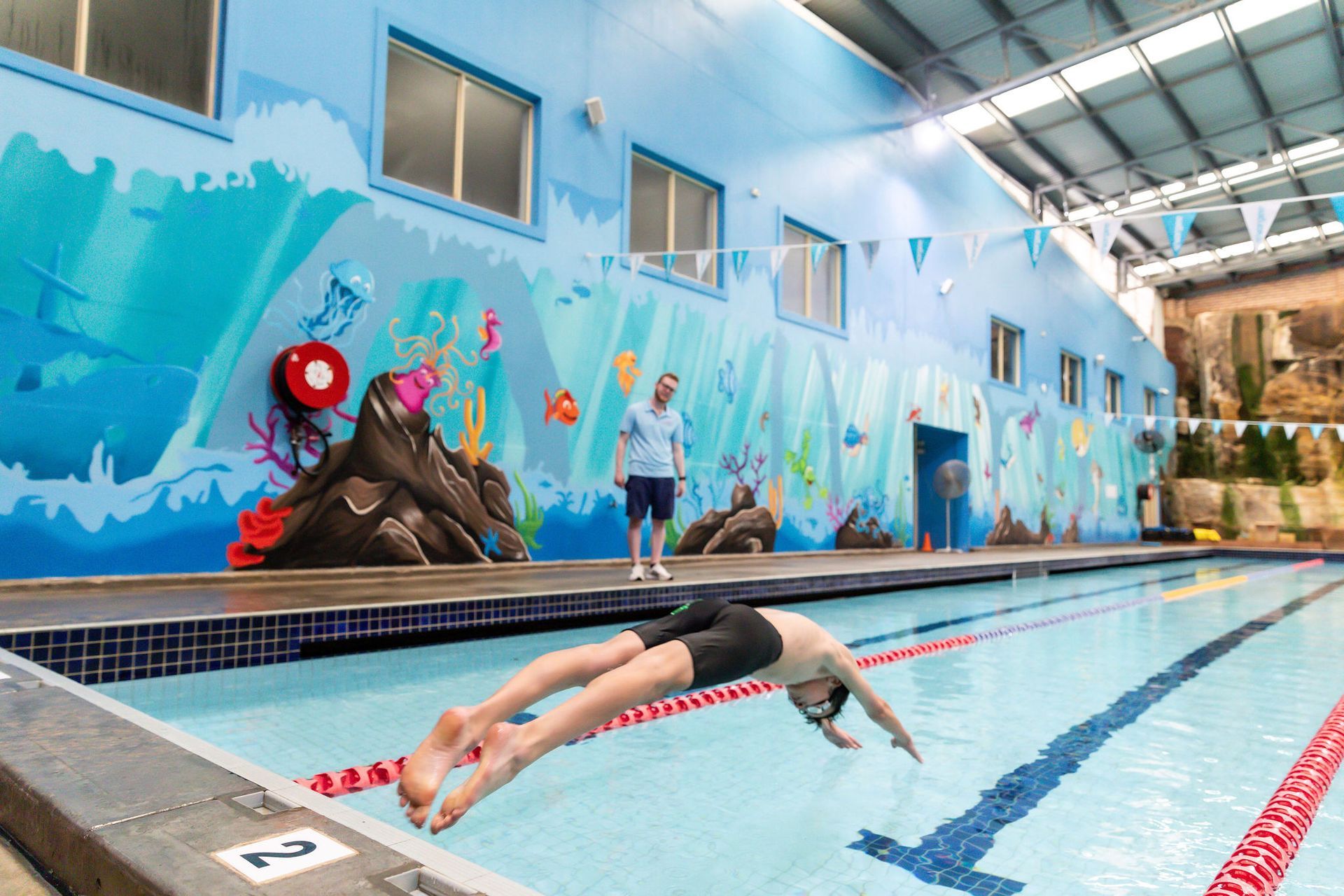
- 25-Metre Lap Pool: Calibrated to an optimal balance of warmth and performance cooling, allowing squad athletes to execute long endurance sets, turn drills, and time trials without cramping.
When water temperatures match teaching objectives, skill retention increases dramatically. Students who learn in warm pools develop better muscle memory because their movements remain relaxed and natural.
Temperature consistency also builds mental confidence. Knowing that the water will be comfortable every week encourages children and adults to attend classes regularly throughout the colder autumn and winter months.
How Col Jones Swim Tempe Heats Pools Sustainably
At Col Jones Swim Tempe, delivering warm water comfort goes hand in hand with eco-friendly facility management. Serving Inner West Sydney since 1973, our facility pairs over 50 years of teaching heritage with modern green energy systems.
Sustainable heating and environmental initiatives on-site:
- Energy-Efficient Commercial Heat Pumps: Utilizes air-source heat pumps that harvest ambient warmth to heat water efficiently while minimizing carbon emissions compared to gas units.
- Insulated Thermal Blankets (80% Coverage): Deploys commercial thermal pool blankets for up to 80% of the day to lock in heat, drastically reducing overnight thermal loss and daily energy draw.
- Comprehensive Resource Conservation: Integrates greywater recycling for washroom facilities, sensor-activated low-flow taps, and paperless Parent Portal administration.
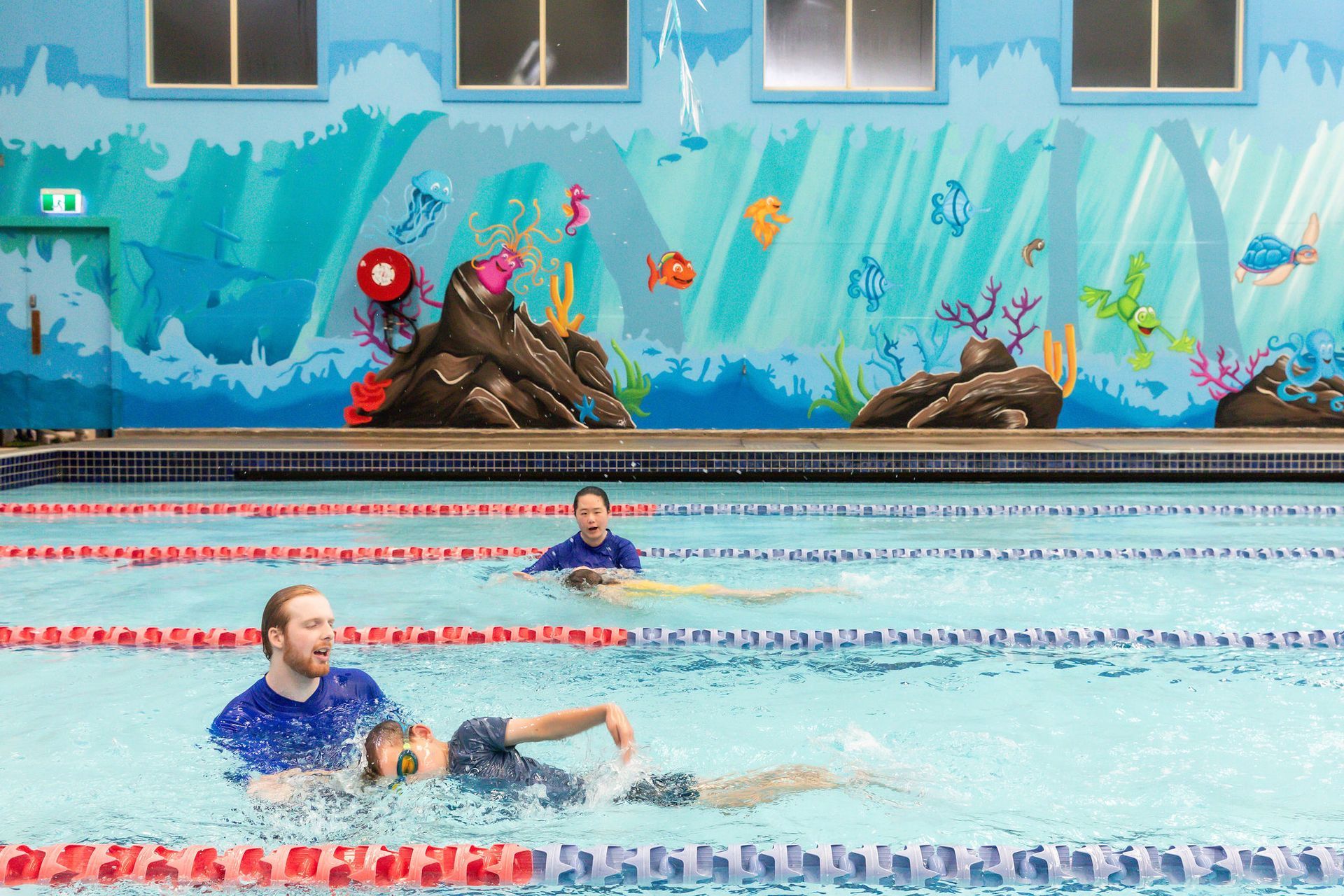
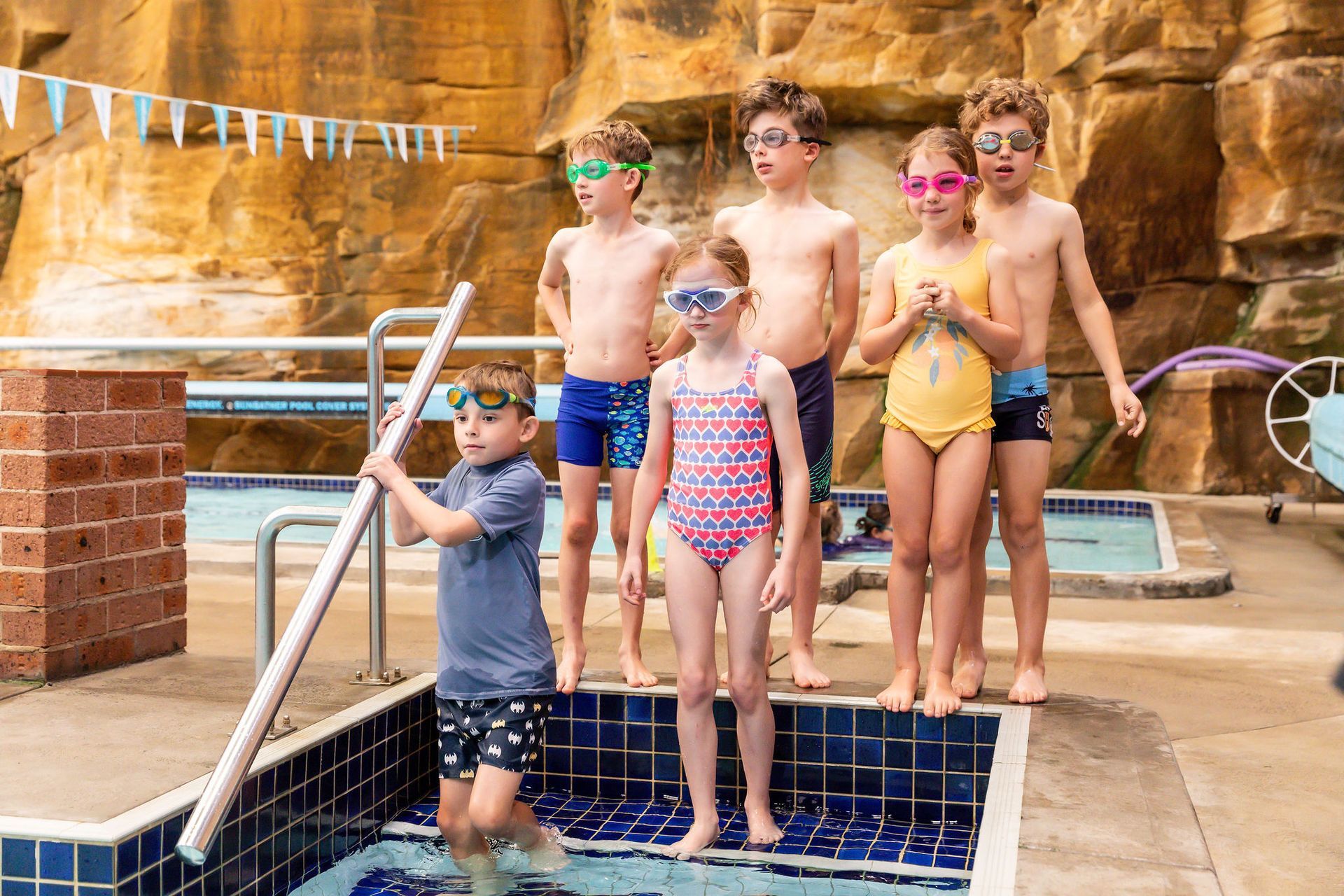
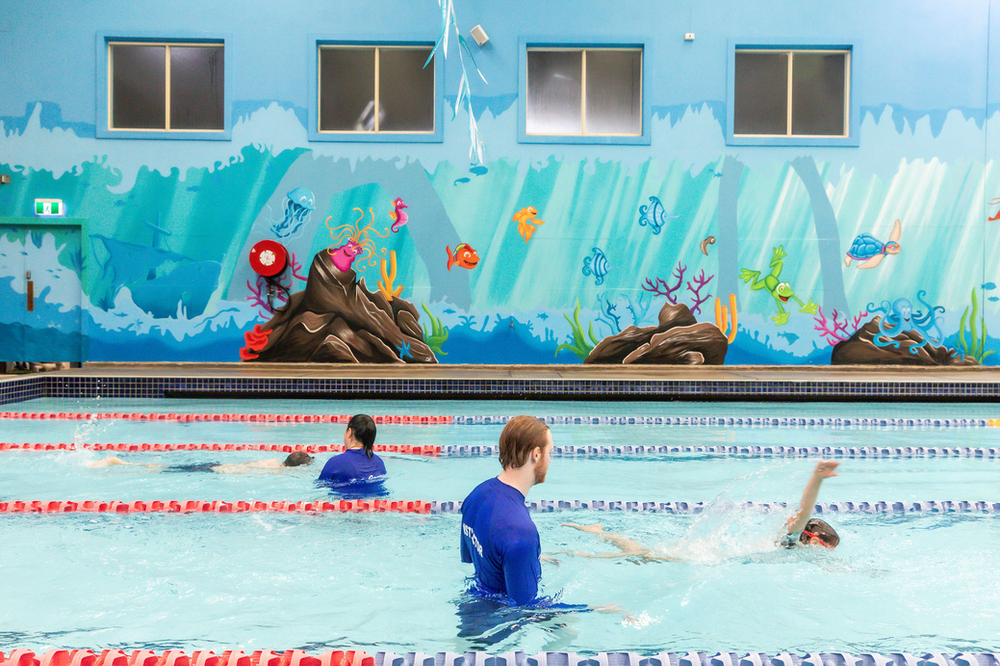
- Three Dedicated Climate-Controlled Pools: Features purpose-built shallow beginner, teaching improver, and 25-metre lap pools designed for seamless student progression.
Using air-source heat pumps allows our facility to supply cozy water temperatures while keeping our carbon footprint low. Harvesting atmospheric heat rather than burning gas protects the environment.
Covering our pools with thermal blankets whenever classes are not running ensures that heat remains trapped inside the water, reducing energy consumption and preserving precious water resources.
Conclusion
Summary
Swimming in a heated pool offers essential physiological, technical, and emotional benefits for swimmers of all ages. Warm water relaxes muscle groups, dilates blood vessels to improve oxygen delivery, and speeds up post-training muscle recovery. For young children and beginners, cozy pool temperatures eliminate cold-water shivering, helping them focus on floating balance and breath control.
For adults and seniors, warm water delivers low-impact cardiovascular conditioning and therapeutic joint relief. Established centers like Col Jones Swim Tempe combine these physical benefits with eco-friendly air-source heat pumps and thermal pool covers, delivering sustainable warmth for a world-class learn-to-swim experience year-round.
Book a Strategy or Discovery Call
Experience the difference that warm, climate-controlled pools make in your family's swimming journey. If you are ready to tour our multi-pool indoor facility, book a 10-minute swimming assessment, or enroll your family in upcoming term classes, contact our team today to speak with our friendly enrollment specialists.
Frequently Asked Questions
What is the ideal pool temperature for beginner swim lessons?
Beginner pools should be kept warm (between 31°C and 33°C). Warm water relaxes muscles, prevents shivering, and helps young children overcome water anxiety.
How does warm water help with muscle recovery after swimming?
Warm water increases blood circulation through vasodilation, delivering fresh oxygen and nutrients to tired muscle tissues while flushing out metabolic waste like lactic acid.
Are heated indoor pools suitable for swimming during winter?
Yes! Enclosed, climate-controlled indoor pools maintain steady water and air temperatures year-round, protecting swimmers from cold winter winds and rain.
How warm are the pools at Col Jones Swim Tempe?
All three indoor pools at Col Jones Swim Tempe are climate-controlled and heated year-round (up to 32°C for beginner basins), ensuring bathers stay cozy in every season.
How does Col Jones Swim Tempe heat its pools sustainably?
We utilize commercial air-source heat pumps that harvest ambient air warmth and deploy thermal pool blankets for up to 80% of the day to lock in heat and save energy.