How We Save Energy and Water at Our Pool in Col Jones Swim Tempe
Key Takeaways
- Smart Thermal Retention: Proactively working to save energy and water begins with covering pools 80% of the day, trapping heat overnight and preventing evaporative thermal loss.
- Inverter Heat Pump Efficiency: Advanced heat pumps transfer ambient air warmth rather than generating raw heat, drastically reducing electrical power consumption and carbon emissions.
- Greywater Stewardship: Reclaiming and recycling clean backwash water for facility toilet flushing conserves thousands of litres of fresh municipal water every year.
- Daily Waste Reduction: Dedicated paper towel recycling points, digital parent portals, and leak detection protocols eliminate unnecessary physical waste across all changing areas.
- Community Heritage: Serving Inner West Sydney, centers like Col Jones Swim Tempe demonstrate how modern environmental sustainability and comfortable indoor swimming can thrive together.
Introduction
At our facility, taking proactive steps to save energy and water allows us to minimize our overall environmental impact through energy-efficient heat pumps, extensive pool cover usage, and advanced water conservation techniques. By covering pools 80% of the day and recycling water for non-potable uses, the facility maintains warm, high-quality swimming conditions across its three pools while significantly reducing energy emissions, water waste, and operational resource consumption at Col Jones Swim Tempe.
Operating a year-round indoor aquatic facility requires substantial resources to heat water, purify pools, and maintain clean changing facilities. Without modern environmental engineering, aquatic centers can generate heavy electrical demands and significant water turnover.
By modernizing infrastructure and adopting strict daily green habits, aquatic centers can dramatically lower their operational carbon footprint. Families benefit from comfortable, heated water while knowing their swim school actively protects natural resources.
How Does Col Jones Swim Tempe Achieve Energy-Efficient Heating?
Maintaining warm pool temperatures without excessive carbon emissions requires modern technology and proactive heat preservation. By combining intelligent heating hardware with thermal barriers, overall facility energy demand drops substantially.
Core initiatives that drive energy-efficient pool heating:
- Energy-Efficient Inverter Heat Pumps: Advanced units extract ambient warmth from the surrounding air rather than burning fossil fuels, consuming drastically less electricity to heat pool water.
- 80% Daily Pool Cover Usage: Covering the Small Beginner Pool, Teaching Improver Pool, and 25-metre Lap Pool traps warmth and prevents evaporative heat loss whenever pools are not in active use.
- Reduced Operational Carbon Footprint: Pairing high-efficiency heat pumps with thermal blankets stabilizes water temperatures overnight, eliminating high power spikes each morning.
- Facility-Wide LED Lighting Upgrades: Upgrading high-bay pool deck lighting to energy-efficient LED fixtures lowers baseline power consumption across all three pool halls.
Inverter heat pumps dynamically adjust their power output based on real-time water conditions. Rather than running continuously at maximum wattage, they modulate speed to maintain stable temperatures with minimal electrical draw.
Combining heat pumps with pool covers creates an effective insulation shield. Because evaporation accounts for up to 70% of pool heat loss, covering 80% of pool surfaces preserves water warmth automatically.
What Water Conservation Techniques Are Used Throughout the Facility?
Conserving water is essential for long-term environmental management, resource preservation, and sustainable community operation. Maintaining sparkling water standards while minimizing fresh water consumption requires an integrated conservation strategy.
Key water stewardship techniques implemented on-site:
- Greywater Reuse Systems: Redirecting clean, filtered backwash water to facility toilets reduces total freshwater consumption across changing facilities and amenities.
- Targeted Maintenance Routines: Scheduled pool cleaning, filtration checks, and daily leak monitoring prevent unnecessary water discharge and hidden plumbing waste.
- Smart Equipment Calibration: Modern cleaning machinery and backwash filtration systems are specifically calibrated to use minimal water while maintaining rigid hygiene standards.
- Flow-Regulated Amenities: Installing low-flow showerheads and automatic sensor taps across bathroom facilities stops accidental water overuse by visiting families.
Recycling filter backwash water provides massive environmental savings. Rather than discarding thousands of litres of water during filter flushes, reclamation systems capture and purify it for secondary sanitation needs.
Furthermore, daily leak monitoring catches minor plumbing issues before they turn into major water losses. Combined with flow-restricted shower fixtures, the facility conserves vital freshwater resources every day.
How Does the Facility Implement On-Site Waste Reduction?
Daily operational habits across staff and visitor areas contribute directly to a zero-waste facility culture. Managing a busy swim school involves hundreds of daily visitors, making structured waste management essential.
Key waste reduction and diversion practices:
- Paper Towel Recycling Streams: Dedicated collection points in all changing rooms divert paper towel waste away from landfills and into specialized recycling processing facilities.
- Digital Parent Portal Management: Transitioning enrollments, progress reports, and scheduling to the digital iClassPro system eliminates thousands of printed paper forms annually.
- Shared Resource Responsibility: Encouraging staff and visiting swim families to practice resource mindfulness throughout the facility, including bringing reusable water bottles.
- Future Eco-Upgrades: Continual investments in advanced recycling sorting stations, smart energy monitoring systems, and eco-conscious cleaning supplies.
Shifting to paperless administrative operations offers double benefits. Parents enjoy 24/7 smartphone access to lesson schedules and skill updates, while the facility saves reams of paper every month.
Dedicated paper towel recycling points also keep changing facilities clean while diverting organic fiber away from municipal landfills. Small daily choices by staff and families add up to significant landfill reduction over time.
How Is the Local Community Involved in Conservation Education?
Engaging students and families builds lasting environmental awareness that extends far beyond the pool deck. A community swim school offers an ideal platform for modeling environmental responsibility to the next generation.
Community engagement and eco-education initiatives:
- Interactive Conservation Workshops: Educational programs teach young swimmers about water conservation and energy saving in a fun, accessible, and memorable way.
- Family Eco-Participation: Sustainable practices modeled at the facility, such as using pool blankets and recycling stations, encourage green habits inside local homes.
- Community Eco Ambassadors: Inspiring local families to support eco-conscious swimming initiatives and take pride in their community's environmental stewardship.
- AUSTSWIM Staff Leadership: Certified coaches actively model eco-conscious habits on the pool deck, showing young bathers that caring for the environment is an everyday duty.
Children learn best by observing the world around them. Seeing their swim school actively deploy pool covers and sort recyclables teaches kids that environmental care is a normal, everyday practice.
Empowering young swimmers to become water conservation ambassadors builds community pride. Children bring these eco-conscious habits home, encouraging their families to save water during daily routines.
How Col Jones Swim Tempe Leads in Sustainable Swimming
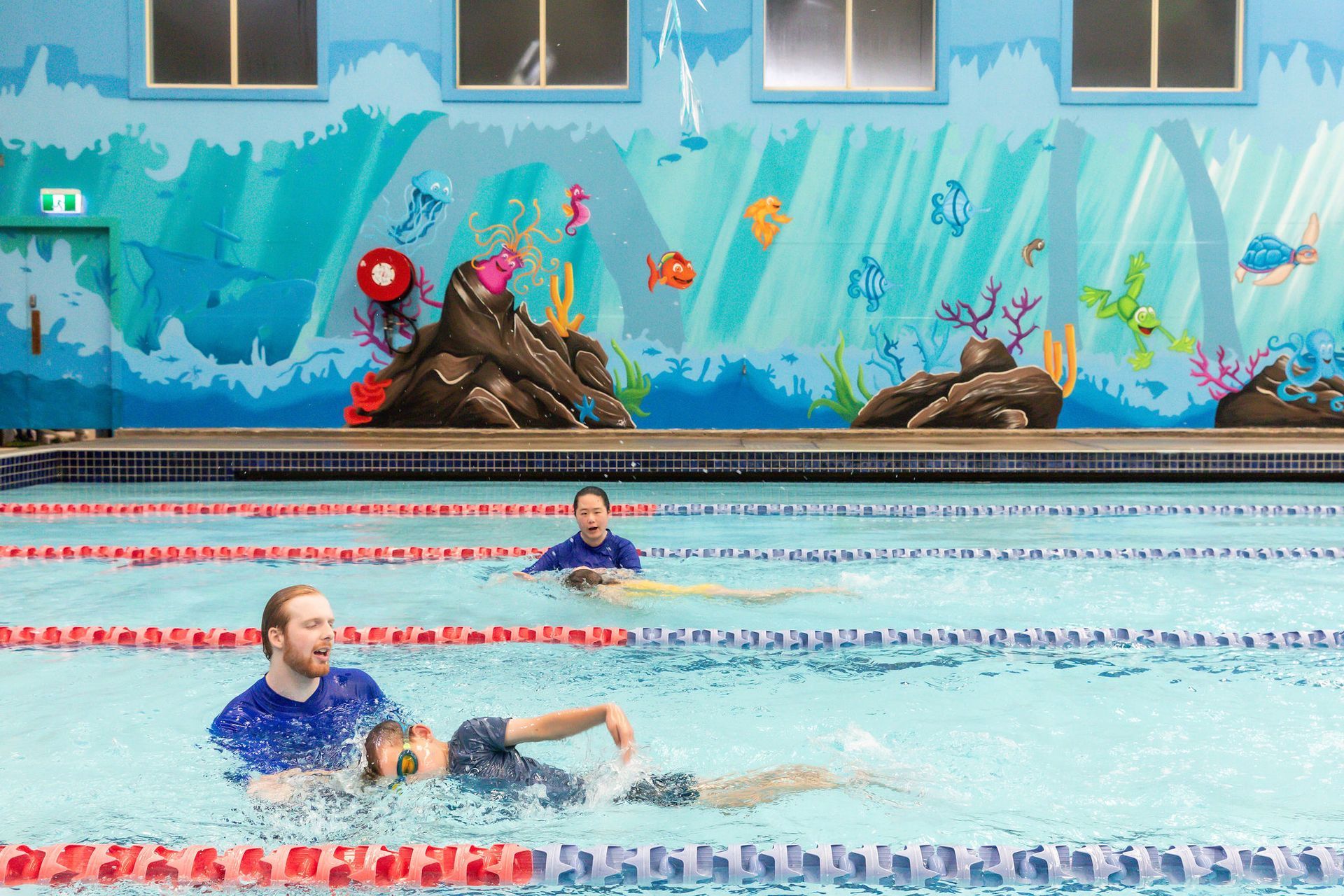
At Col Jones Swim Tempe, environmental sustainability and high-quality aquatic instruction go hand-in-hand. Serving Inner West Sydney since 1973, the facility pairs over 50 years of teaching heritage with modern green technology across three dedicated indoor heated pools.
Sustainable facility features:
- Tri-Pool Climate Management: Specialized heating controls ensure small beginner pools, improver pools, and 25-metre lap lanes receive exact heating without wasting electricity.
- Advanced Water Purification: State-of-the-art filtration systems keep water crystal clear while lowering chemical reliance and backwash water requirements.
- Eco-Friendly Inverter Heating: Commercial heat pumps and thermal blankets preserve water warmth year-round while significantly curbing carbon emissions.
- Digital Parent Management: Online progress tracking and class bookings via the Parent Portal eliminate paper waste while offering maximum scheduling convenience.
By investing in eco-friendly infrastructure, the center proves that warm, comfortable indoor pools and green facility management can thrive together. Families enjoy an exceptional learn-to-swim experience while supporting a cleaner future.
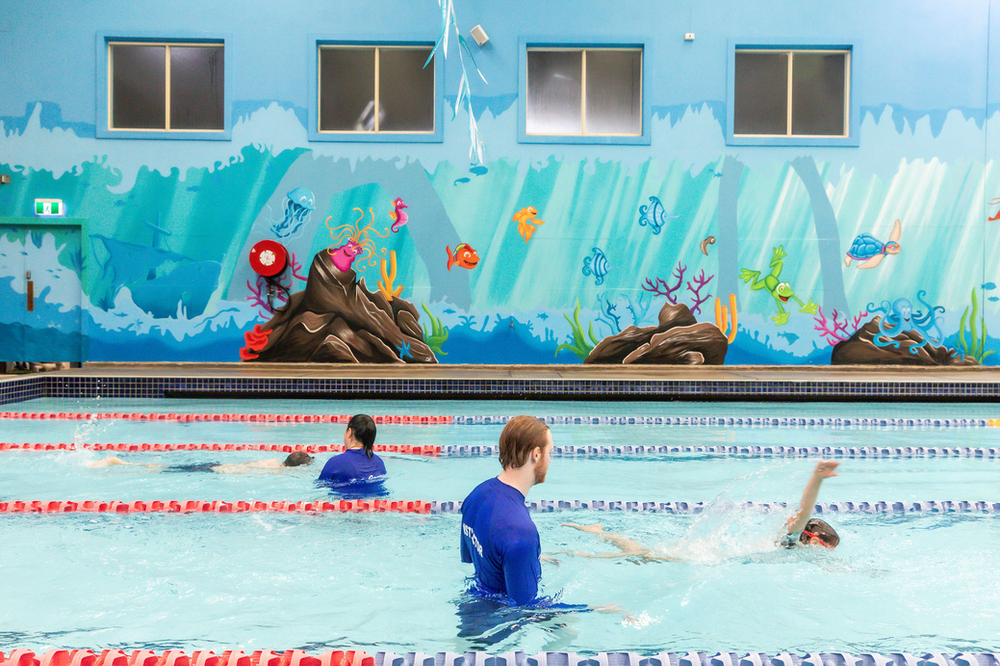
Whether your child is taking their first splash in the shallow beginner pool or conditioning in the 25-metre lap lanes, they train in an environment built for safety, performance, and environmental care.
Conclusion
Summary
Taking proactive measures to save energy and water proves that year-round indoor pool operations and environmental sustainability can coexist seamlessly. Utilizing energy-efficient inverter heat pumps alongside 80% daily pool cover usage traps thermal warmth, dramatically lowering electricity demand and carbon emissions. Advanced water conservation techniques, such as greywater reclamation for toilet flushing and daily leak monitoring, save thousands of litres of fresh water annually.
Coupled with paper towel recycling streams, paperless digital parent portals, and community eco-education, green facilities reduce operational waste across every department. Established leaders like Col Jones Swim Tempe pave the way, delivering warm, world-class swim lessons in an eco-friendly environment.
Book a Strategy or Discovery Call
Join an eco-conscious swim school dedicated to providing top-tier aquatic education while protecting our environment. If you are ready to tour our multi-pool indoor facility, book a 10-minute swimming assessment, or enroll your family in upcoming term classes, contact our team today to speak with our friendly enrollment specialists.
Frequently Asked Questions
How do pool covers help save energy and water?
Pool covers stop up to 80% of evaporative heat and water loss overnight. Trapping thermal warmth reduces the electricity required to reheat pools each morning while conserving thousands of litres of water.
What is greywater reuse, and how is it used at the pool?
Greywater reuse involves capturing clean, filtered backwash water from pool filtration systems and redirecting it to flush facility toilets, saving fresh municipal drinking water.
Are the eco-friendly pools at Col Jones Swim Tempe still warm?
Yes! All three indoor pools are fully enclosed and heated year-round (up to 32°C for beginners). Inverter heat pumps and thermal covers keep water cozy without wasting energy.
How does paperless management benefit swim school families?
Our digital Parent Portal allows families to track skill progress benchmarks, view class schedules, and manage makeup bookings online 24/7 from their smartphones, eliminating paper waste.
How can my child get involved in water conservation at the pool?
Infants and toddlers use gentle buoyancy tools alongside parents in acclimation classes, while independent beginners typically begin structured equipment drills around two to three years of age.