Floatation Aids for Beginner Swimmers: Benefits, Safety, and Best Uses
Floatation aids help beginner swimmers build confidence, improve swimming technique, and feel safer while learning in the water. Devices such as kickboards, pool noodles, swim belts, and armbands can support early swimming development when used correctly under instructor supervision. At Col Jones Swim Tempe, floatation aids are used as temporary learning tools that help swimmers focus on balance, kicking, body positioning, and water confidence while gradually progressing toward independent swimming. Used properly, floatation aids can make swimming lessons more effective, enjoyable, and supportive for beginner swimmers of all ages.
Key Takeaways
- Floatation aids help beginner swimmers feel more confident in the water.
- Kickboards, pool noodles, swim belts, and armbands each support different swimming skills.
- Floatation aids should be used as temporary learning tools, not permanent support devices.
- Proper instructor guidance helps swimmers transition toward independent swimming.
- Structured swimming lessons improve safety, technique, and long-term swimming ability.
What Are Floatation Aids?
Floatation aids are swimming devices designed to provide buoyancy and support during beginner swimming lessons. They help swimmers practice essential skills such as:
- kicking
- floating
- breathing
- balance
- body positioning
Different floatation aids are used depending on the swimmer’s age, confidence level, and stage of development.
Common floatation aids include:
- armbands
- kickboards
- pool noodles
- swim belts
Why Floatation Aids Are Helpful for Beginner Swimmers
Building Water Confidence
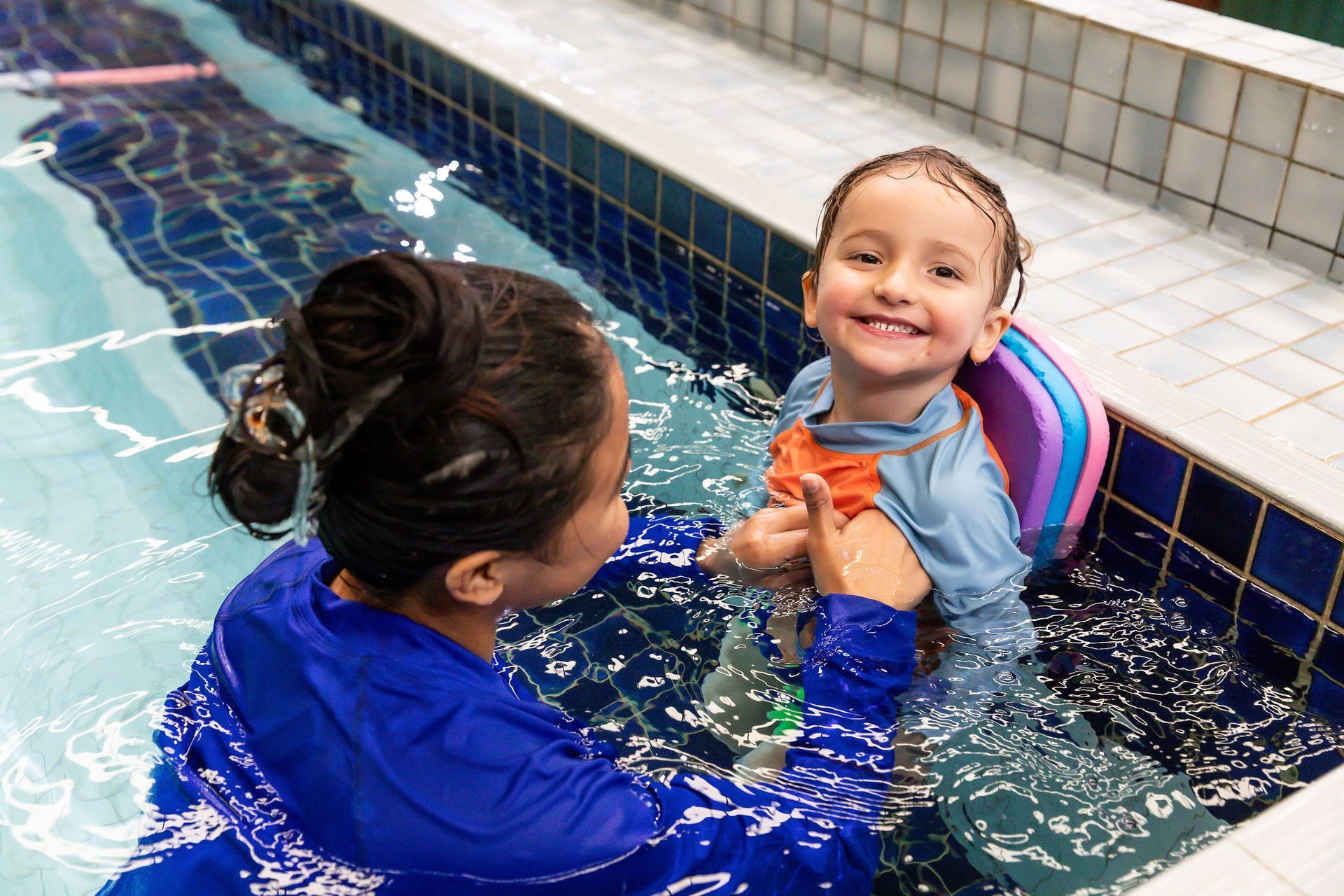
Many beginner swimmers feel nervous or uncertain when entering the water for the first time. Floatation aids provide extra support that helps swimmers feel more secure and comfortable during lessons.
As confidence improves, swimmers often become more relaxed, engaged, and willing to practice new skills.
Supporting Proper Swimming Technique
Floatation aids allow swimmers to focus on one skill at a time without becoming overwhelmed.
For example:
- kickboards help swimmers practice kicking technique
- swim belts support body positioning
- pool noodles assist with balance and movement
This focused learning approach helps swimmers build stronger foundational swimming skills.
Encouraging Gradual Independence
Floatation aids are designed to support swimmers temporarily while they develop confidence and coordination.
As swimmers improve:
- instructors gradually reduce support
- swimmers practice more independent movement
- body control and water awareness improve
This gradual progression helps swimmers develop safer and more confident swimming ability over time.
Helping Create a Safer Learning Environment
Floatation aids can provide additional support during lessons, but they should always be used alongside close supervision from qualified swimming instructors and adults.
They are valuable teaching tools, but they are not substitutes for proper water safety practices.
By using floatation aids to isolate specific aspects of swimming technique, learners can develop each element individually before combining them into a cohesive, efficient swimming style. This targeted approach helps set the foundation for good swimming habits and can significantly contribute to a swimmer's long-term success in the water.
| Floatation Aid | Best For | Main Benefit |
|---|---|---|
| Armbands | Early beginners | Provides upper-body support |
| Kickboards | Kicking drills | Improves leg technique |
| Pool noodles | Confidence building | Assists with balance and support |
| Swim belts | Developing swimmers | Helps maintain body position |
Armbands
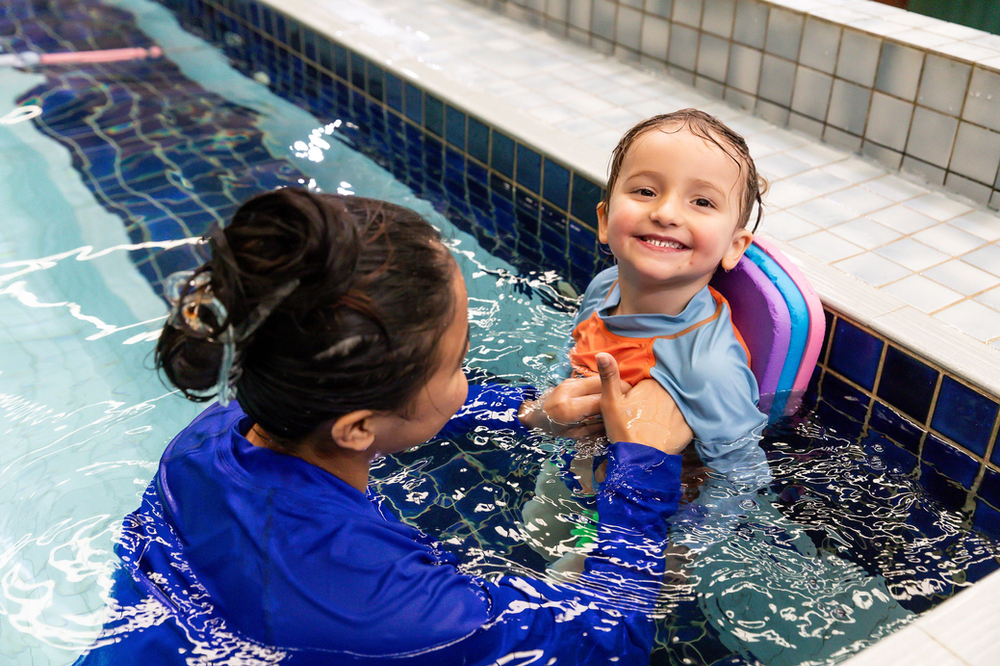
Armbands are commonly used for young beginner swimmers who are still becoming familiar with the water. They can help children feel more supported while learning basic movement and water confidence.
However, swimmers should gradually transition away from armbands as their confidence and swimming skills improve.
Kickboards
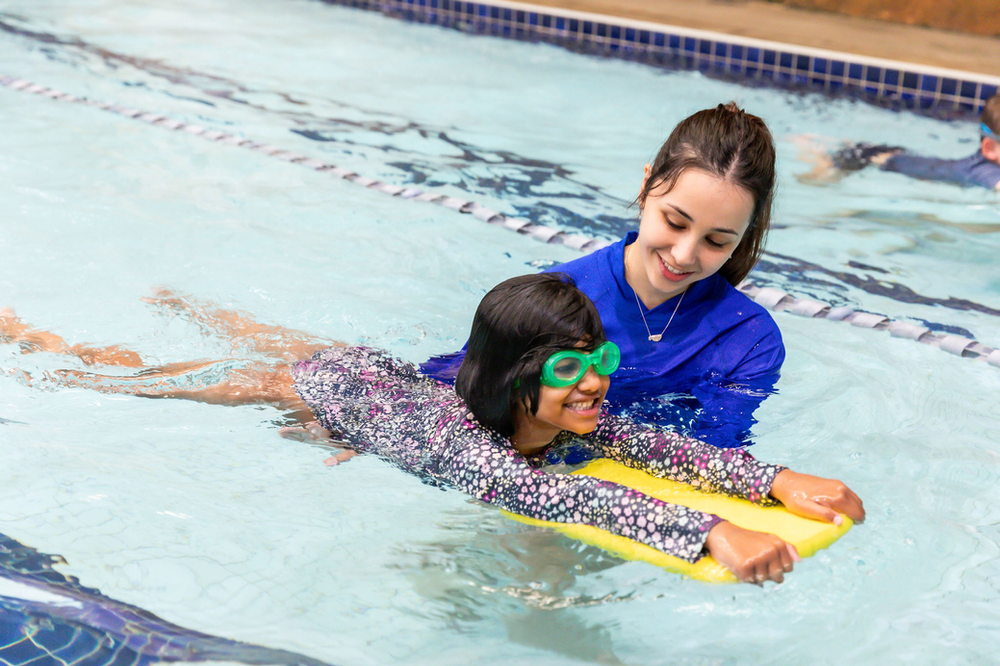
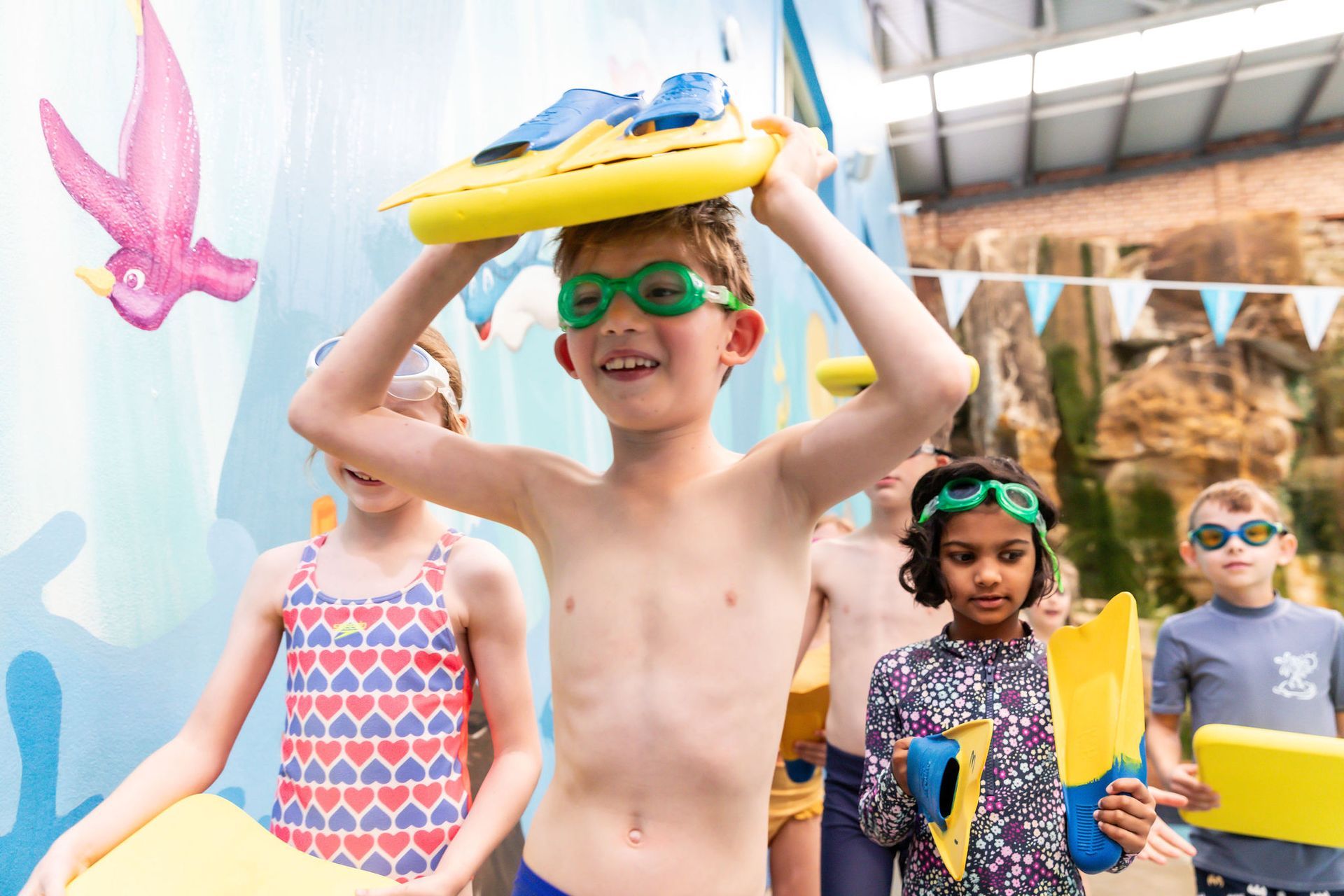
Kickboards are widely used during beginner swimming lessons because they help swimmers focus on kicking drills without worrying about arm movement.
Benefits of kickboards include:
- improving leg strength
- developing kicking rhythm
- encouraging propulsion through the water
Kickboards are one of the most effective tools for building foundational swimming skills.
Pool Noodles
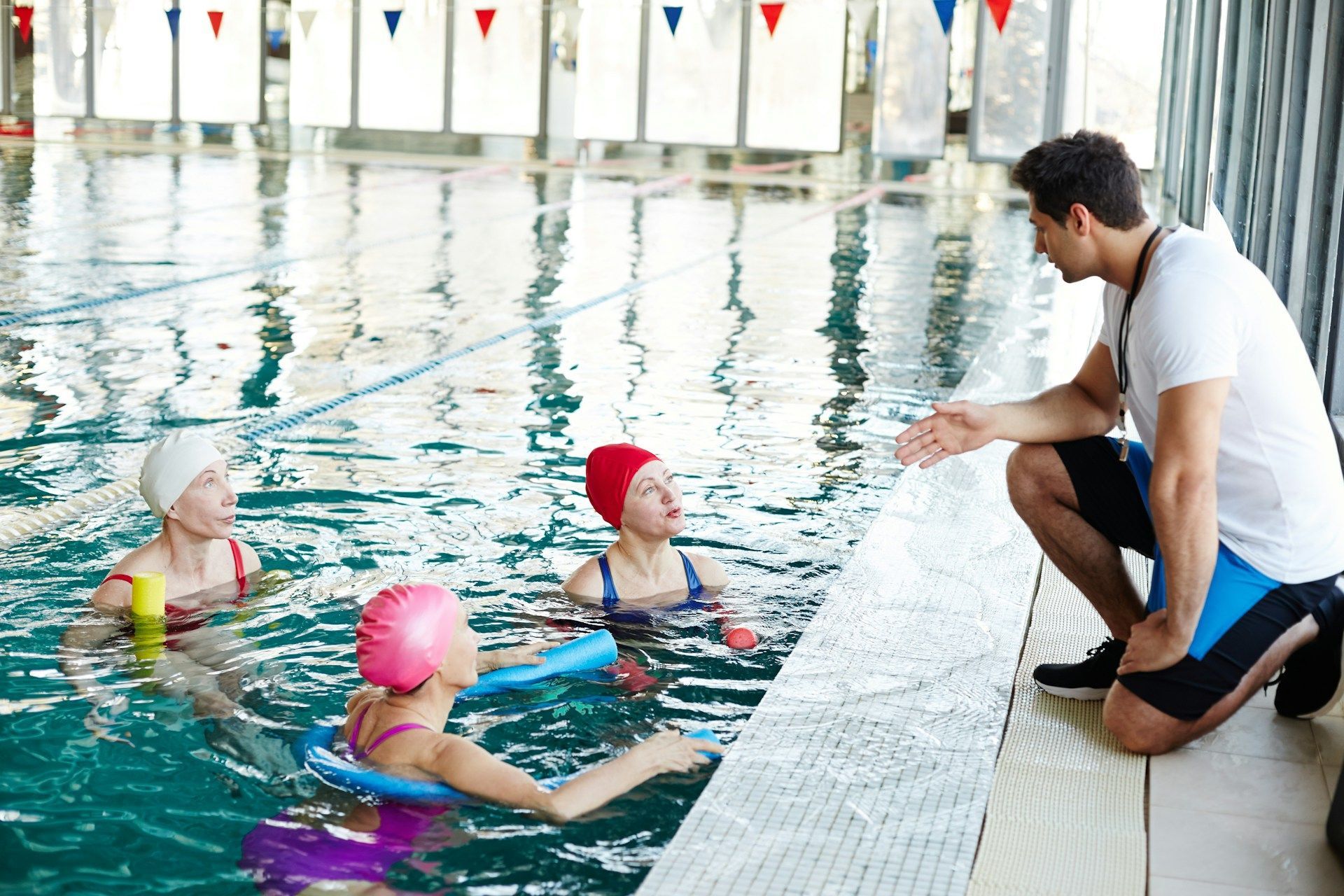
Pool noodles are flexible floatation aids that help swimmers practice balance, floating, and movement in the water.
They are often used during beginner lessons because they:
- support confidence building
- allow flexible movement
- make learning more engaging and enjoyable
Pool noodles are especially useful for helping swimmers feel comfortable while practicing basic skills.
Swim Belts
Swim belts help swimmers maintain a more natural horizontal body position while still receiving buoyancy support.
They are commonly used for swimmers transitioning toward:
- independent movement
- stroke development
- improved body control
Swim belts can help swimmers gain confidence while reducing dependence on other forms of support.
How Col Jones Swim Tempe Uses Floatation Aids
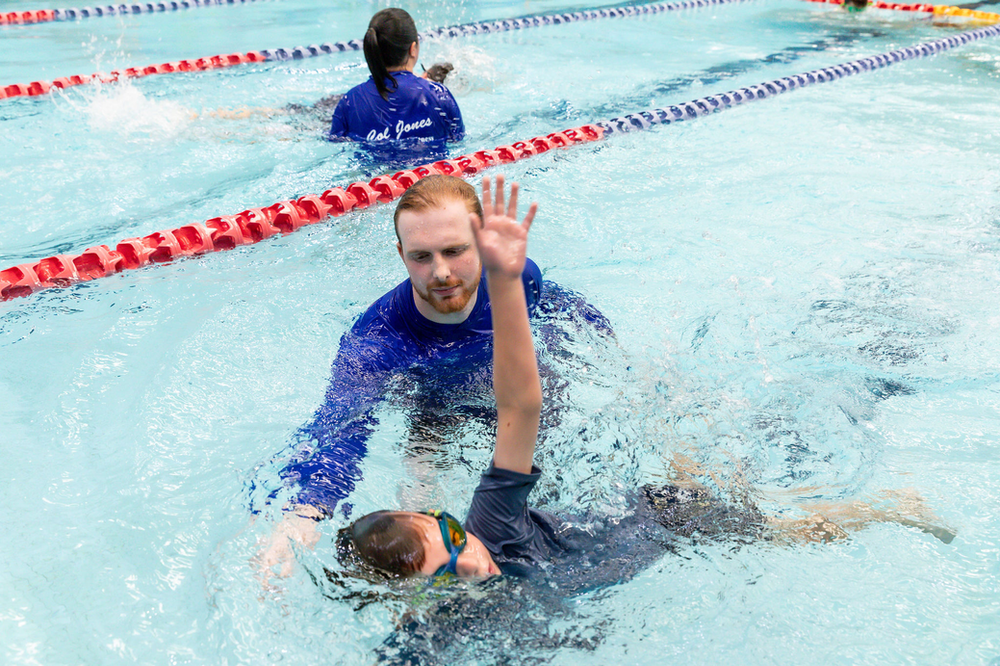
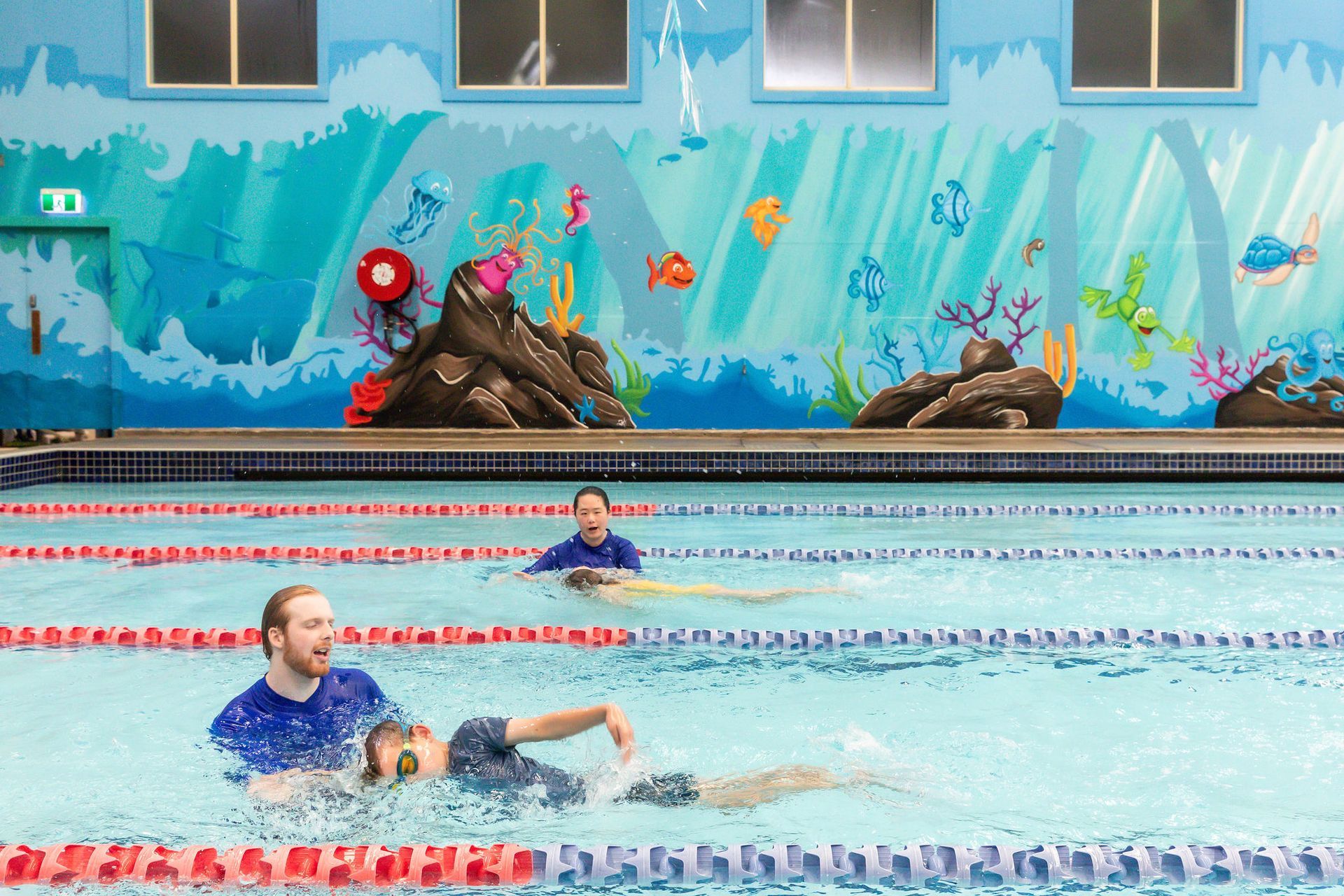
At Col Jones Swim Tempe, floatation aids are integrated into beginner swimming lessons as part of a structured learning approach focused on:
- water confidence
- swimming technique
- safety awareness
- gradual progression
The goal is not long-term reliance on floatation devices. Instead, swimmers are guided step by step toward greater independence and stronger swimming ability.
Lessons are designed to support swimmers at every stage while helping them develop real confidence and comfort in the water.
When Should Swimmers Move Beyond Floatation Aids?
Every swimmer progresses differently, but swimmers may be ready to reduce floatation support when they can:
- remain calm and relaxed in the wate
- maintain better body positioning
- kick with improved control
- follow instructor guidance confidently
- move short distances independently
Qualified swim instructors can help determine when swimmers are ready to progress to the next stage.
Final Thoughts
Floatation aids can play an important role in helping beginner swimmers develop confidence, improve technique, and feel more comfortable in the water. When used correctly as part of structured swimming lessons, they help support safer and more effective skill development.
At Col Jones Swim Tempe, floatation aids are used strategically to help swimmers progress step by step toward stronger, more independent swimming skills in a supportive learning environment.
Frequently Asked Questions
Are floatation aids safe for children?
Yes, floatation aids can be safe when used properly during supervised swimming lessons and under close adult supervision.
Do floatation aids slow swimming progress?
Not necessarily. When used correctly, they can help swimmers develop confidence and technique. However, overreliance on floatation aids may delay independent swimming skills.
What is the best floatation aid for beginners?
The best floatation aid depends on the swimmer’s age, comfort level, and learning goal. Kickboards, pool noodles, swim belts, and armbands each support different aspects of swimming development.
Should children always use floaties in the pool?
No. Floatation aids should be used as temporary learning tools while swimmers gradually develop independent swimming ability.