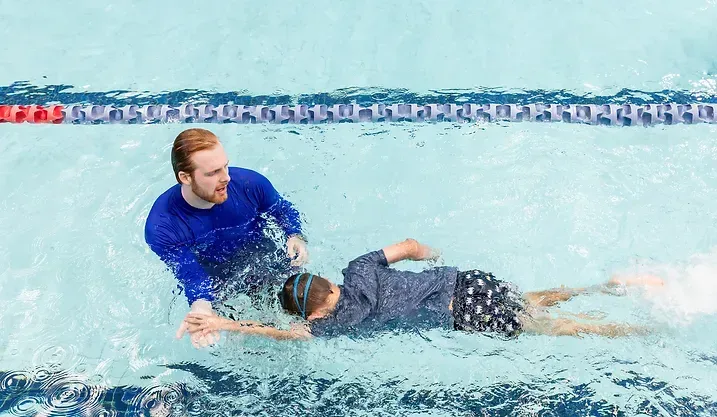
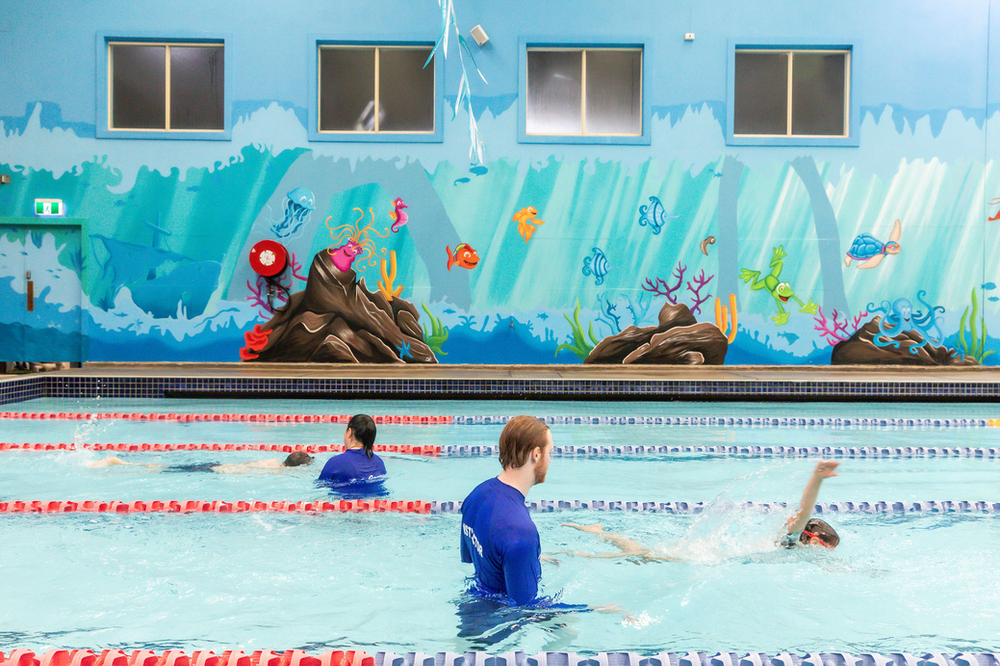
Enhancing Self-Assurance in the Pool Through Swimming Lessons in Col Jones
INTRODUCTION
Enhancing
self-assurance in the pool helps children feel more comfortable, capable, and confident while learning essential swimming and water safety skills. Confidence in the water often develops gradually through supportive instruction, repeated practice, and positive learning experiences.
The original Col Jones Swim Tempe article focuses on helping swimmers build trust in their abilities while progressing through structured swimming lessons designed to support emotional comfort, safety awareness, and long-term swimming development.
Key Takeaways
- Self-assurance in the pool develops through gradual skill progression and repetition.
- Supportive swimming lessons help children feel safer and more comfortable in the water.
- Positive reinforcement helps swimmers overcome fear and build confidence.
- Structured lessons support both emotional growth and swimming development.
- Consistent practice helps children strengthen water confidence over time.
In this article, we will discuss various techniques and tools utilised by Col Jones Swim Tempe to boost your child's confidence in the pool. By tapping into our extensive expertise, we aim to empower children of all ages and abilities with an unwavering sense of self-assurance, paving the way for success both in and out of the water.
Why Self-Assurance Matters in Swimming
Confidence is one of the most important foundations for swimming development. Children who feel calm and supported in the water are often more willing to participate, practise skills, and attempt new challenges during lessons.
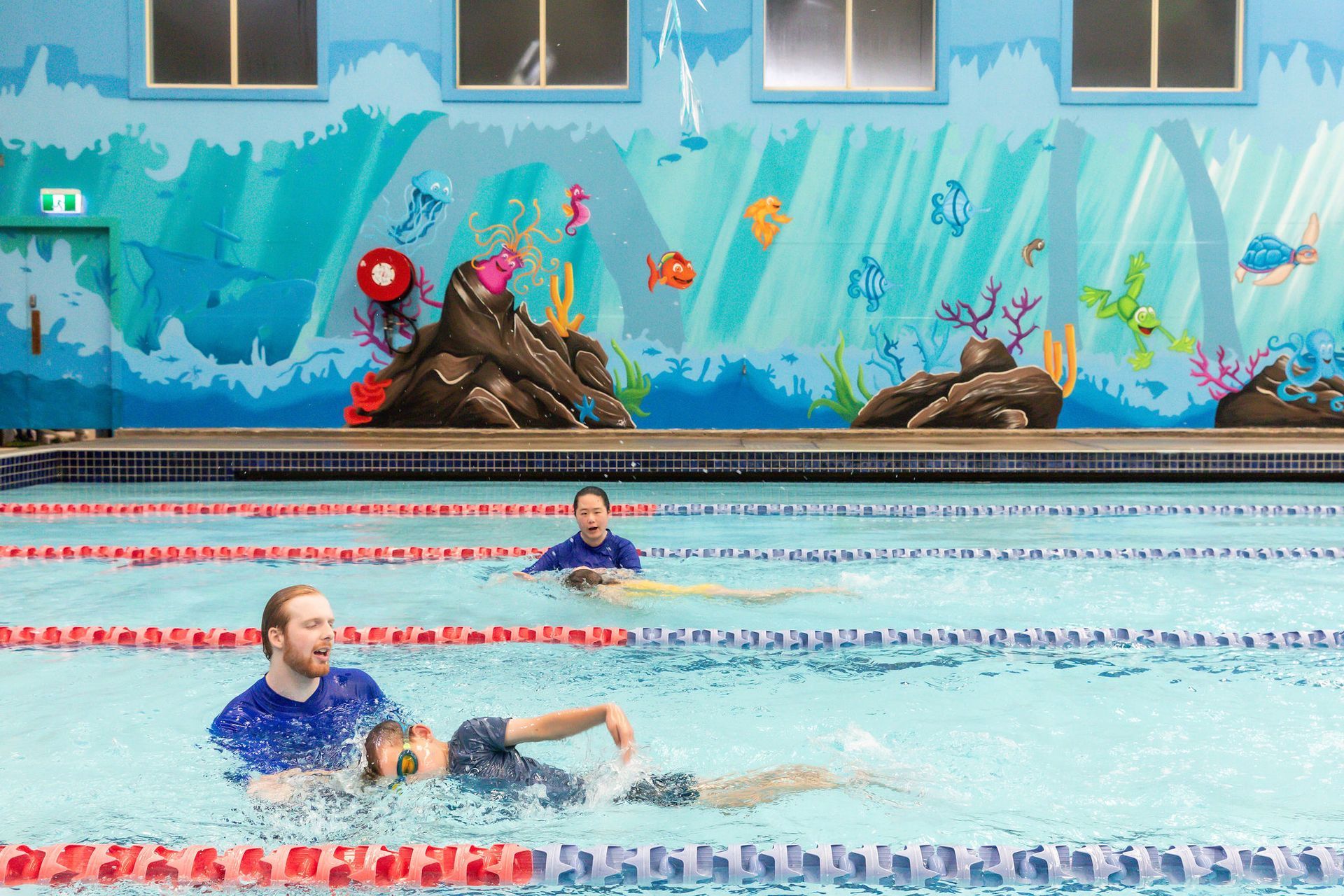
At Col Jones Swim Tempe, instructors focus on creating a learning environment where swimmers can develop comfort and familiarity progressively rather than feeling pressured to advance too quickly. Many children become more relaxed after repeated exposure to structured swimming activities and supportive instructor guidance.
Self-assurance in the pool also supports:
- safer behaviour around water
- stronger emotional resilience
- willingness to learn new skills
- improved participation during lessons
- long-term swimming confidence
How Swimming Lessons Build Confidence Gradually
Confidence in the water usually develops step by step.
Beginner swimmers often need time to become comfortable with:
- floating
- breathing control
- water movement
- kicking techniques
- submersion activities
The original Col Jones Swim Tempe article emphasizes gradual progression and supportive teaching methods to help swimmers build trust in their own abilities without becoming overwhelmed.
As swimmers practise skills repeatedly in a familiar environment, many begin feeling more secure and independent in the water.
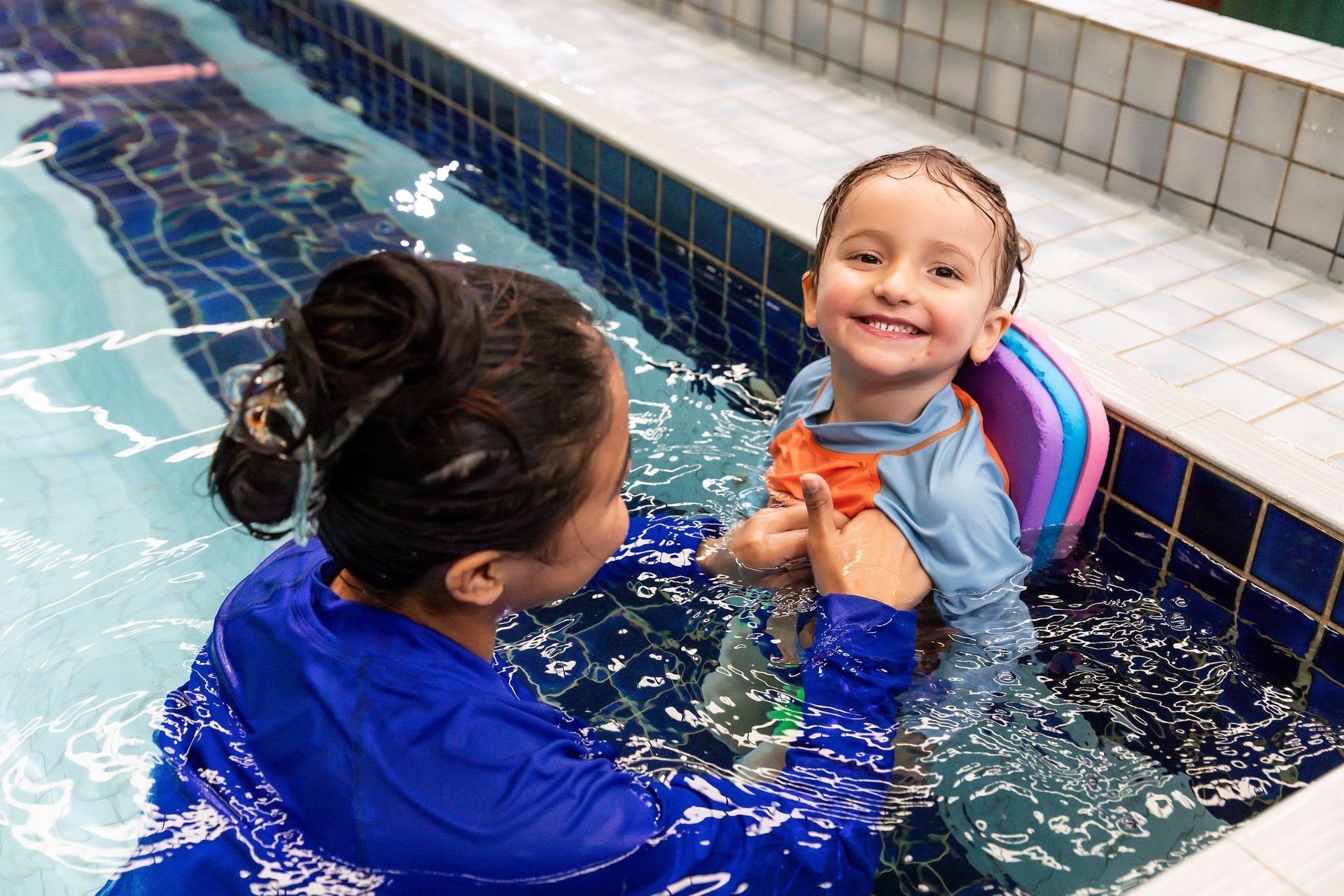
Supportive Instructors Help Swimmers Feel More Comfortable
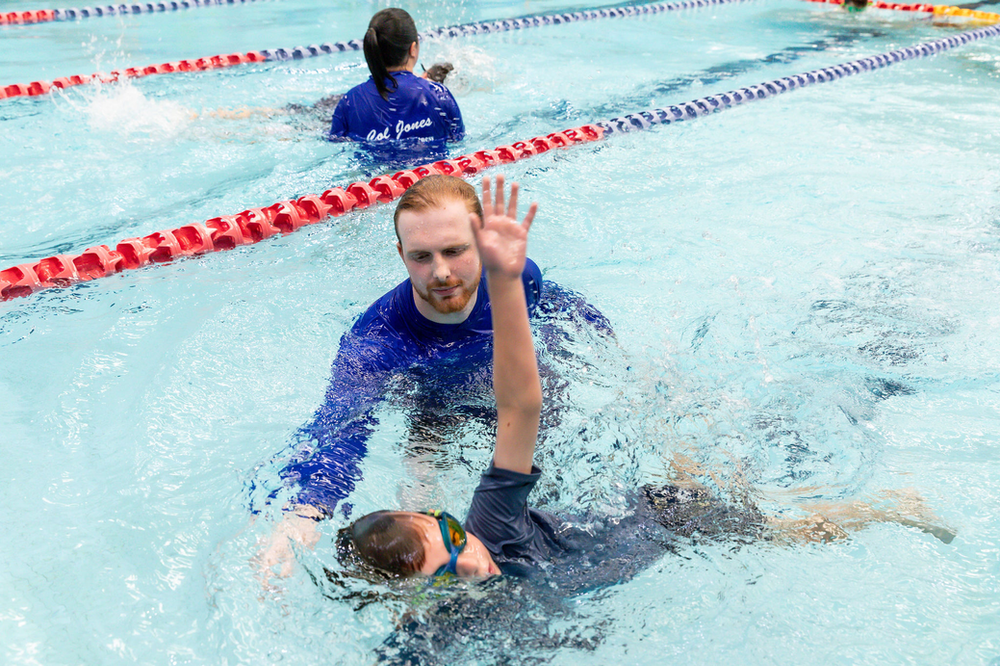
The way instructors communicate and guide lessons has a major impact on swimmer confidence.
At Col Jones Swim Tempe, instructors help swimmers by:
- offering encouragement
- adapting lessons to confidence levels
- reinforcing small achievements
- introducing skills progressively
- creating calm learning experiences
Positive reinforcement often helps children feel safer attempting unfamiliar skills while reducing hesitation and fear.
Children typically progress more confidently when instructors balance skill development with emotional support and patience.
Overcoming Fear Through Positive Water Experiences
Fear of water is common among beginner swimmers, especially during early lessons. Supportive swimming programs help children gradually become more comfortable through guided exposure and positive reinforcement.
Swimming lessons can help children:
- reduce anxiety around water
- develop familiarity with aquatic environments
- improve emotional comfort
- gain trust in instructors
- strengthen confidence through repetition
Many swimmers become more confident after experiencing small successes consistently, such as floating independently or practising breathing techniques successfully.
Why Consistency Helps Build Self-Assurance
Consistent lessons help swimmers maintain familiarity with:
- instructors
- routines
- swimming techniques
- lesson environments
- skill progression
That consistency often helps children feel more secure because they know what to expect during lessons.
Long gaps between lessons can sometimes interrupt confidence development because swimmers may lose familiarity with movement patterns and routines. Regular participation allows children to continue reinforcing comfort and skill progression steadily.
Swimming Confidence Supports Development Beyond the Pool
Swimming confidence can also influence other areas of child development.
As children learn to overcome challenges in the water, they may also strengthen:
- resilience
- patience
- focus
- communication skills
- self-esteem
The original Col Jones Swim Tempe article positions swimming as more than technical instruction. It highlights the emotional and developmental growth that often happens alongside swimming progression.
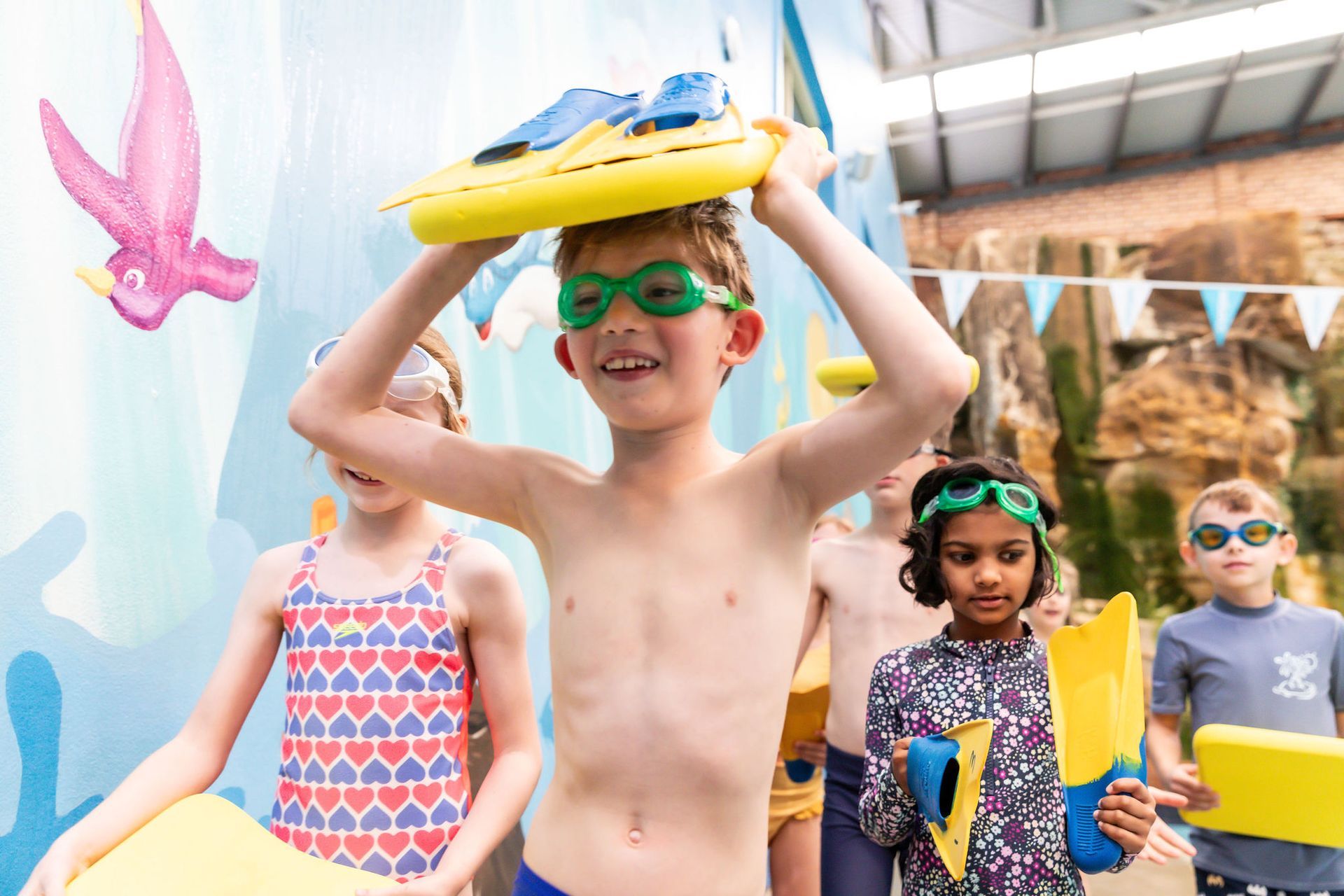
How Swimming Aids Can Support Early Confidence
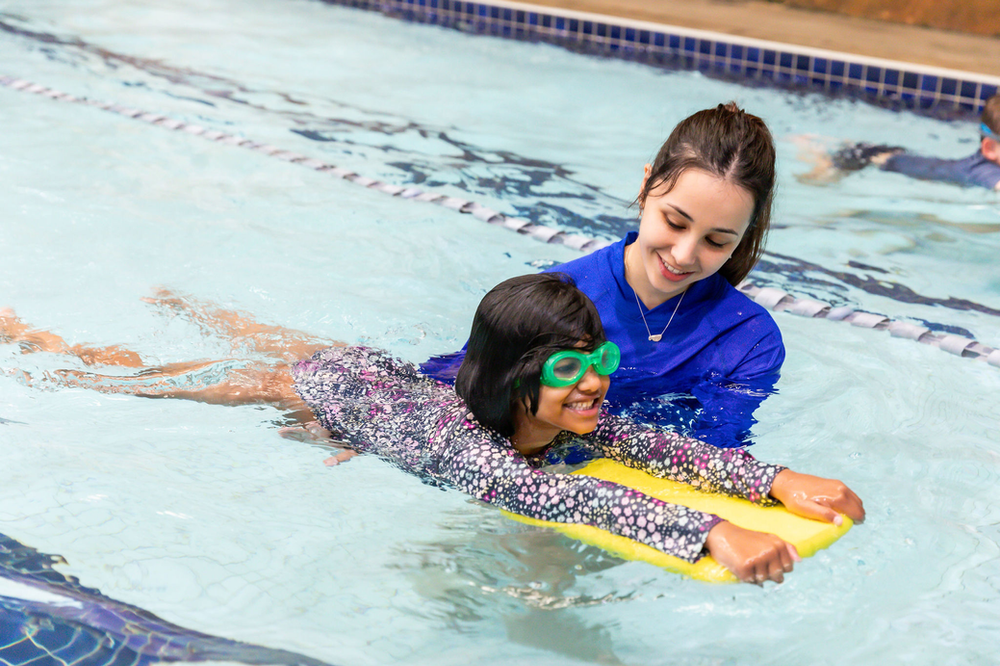
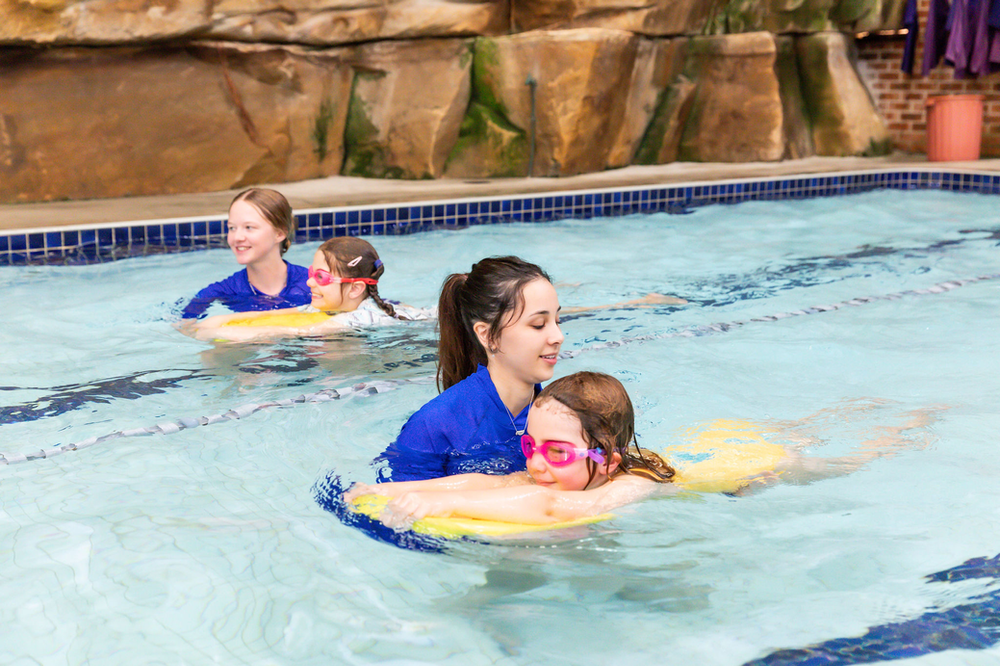
Swimming aids are often useful during the early stages of confidence development.
Tools such as:
- kickboards
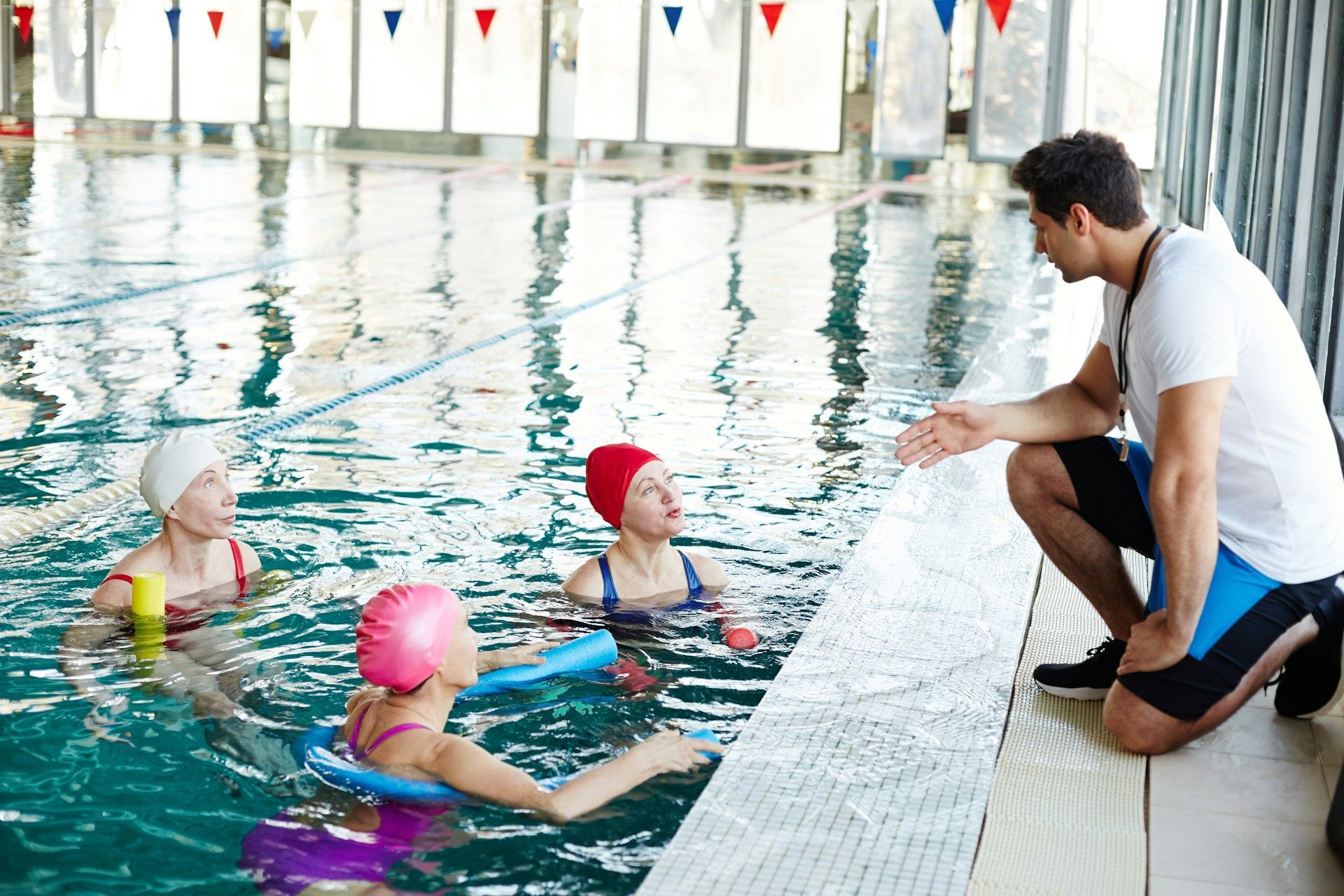
- noodles
- swim belts
- floating devices
can help swimmers feel more secure while learning balance, floating, and movement control.
At Col Jones Swim Tempe, instructors use floatation aids strategically to support gradual progression while helping swimmers transition toward greater independence in the water.
Benefits of Building Self-Assurance in the Pool
| Confidence Benefit | Long-Term Impact |
|---|---|
| Water familiarity | Improves comfort in aquatic settings |
| Positive lesson experiences | Encourages ongoing participation |
| Reduced fear | Supports calmer swimming behaviour |
| Skill progression | Builds long-term swimming confidence |
How Col Jones Swim Tempe Supports Swimming Confidence
Col Jones Swim Tempe focuses on helping swimmers build confidence progressively through structured swimming lessons designed around gradual development and supportive instruction.
Programs support:
- water confidence
- swimming technique
- emotional comfort
- safety awareness
- skill progression
- independent swimming development
The swim school’s personalised teaching approach helps swimmers develop confidence at a pace suited to their individual comfort and ability levels.
Instructor Expertise
Written by the Col Jones Swim Team with experience helping beginner swimmers build water confidence, overcome fear, and develop long-term swimming and water safety skills through supportive swimming instruction.
Final Thoughts
Enhancing self-assurance in the pool helps children develop confidence, emotional resilience, and safer behaviour around water while supporting long-term swimming progression. Through supportive instruction, gradual progression, and positive swimming experiences, children can build trust in their abilities both in and out of the pool.
At Col Jones Swim Tempe, structured swimming lessons are designed to help swimmers feel supported, comfortable, and confident while developing essential swimming and water safety skills for life
Ready to Help Your Child Feel More Confident in the Water?
Explore swimming lessons designed to build water confidence, emotional comfort, and long-term swimming skills at Col Jones Swim Tempe.
Book a swimming assessment or discover our learn-to-swim programs today.
Frequently Asked Questions
What does self-assurance in the pool mean?
Self-assurance in the pool refers to feeling calm, comfortable, and confident while participating in swimming activities and learning new skills.
How do swimming lessons improve confidence?
Swimming lessons improve confidence through repetition, gradual progression, supportive instruction, and positive learning experiences.
Can swimming lessons help children overcome fear of water?
Yes. Structured swimming lessons help children gradually become more comfortable through guided practice, encouragement, and familiar routines.
Why is consistency important for swimming confidence?
Consistent lessons help swimmers maintain familiarity with techniques, instructors, and routines, which often supports stronger confidence development over time.