Helping Children Gain Confidence in Water: A Brief Guide
Key Takeaways
- Comfort-First Environment: Building child water confidence relies on warm, heated indoor pools and shallow basins where young bathers can stand safely without shivering.
- Structured Curriculum Pathways: Step-by-step level progressions transition children smoothly from basic bubble blowing and floating balance to unassisted kicking and stroke mechanics.
- Play-Based Skill Acquisition: Incorporating games, song-led drills, and submersions reduces water anxiety while teaching vital breath control and body position naturally.
- Active Parental Involvement: Reinforcing lessons during casual pool visits, tracking benchmarks via digital portals, and celebrating small effort wins accelerates progress.
- Supportive Facilities: Established centers like Col Jones Swim Tempe pair small class ratios, heated pools, and certified teachers to turn water fear into life-saving skill.
Introduction
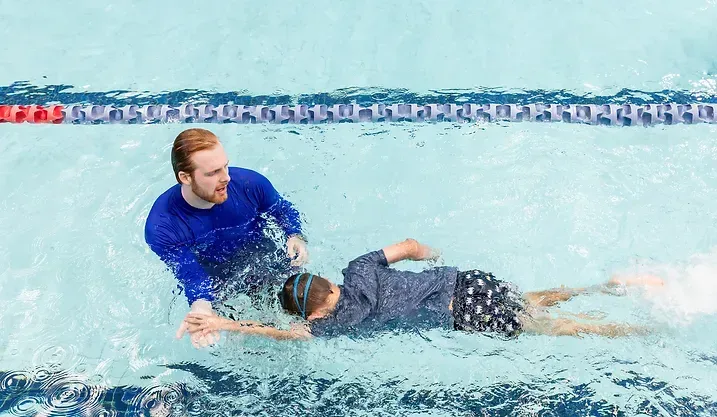
Building child water confidence requires a safe environment, structured instruction, play-based learning, and active parental support. Heated, age-appropriate pools, like shallow beginner basins, keep young learners comfortable while qualified coaches teach floating and basic strokes at Col Jones Swim Tempe.
Water apprehension is a natural response for many young children entering an unfamiliar aquatic environment. Loud pool acoustics, cold water shocks, and fear of deep water can cause tensing, hesitation, or resistance to submersions.
By combining patient coaching with warm, shallow water, parents and instructors can transform anxiety into genuine self-reliance. Understanding how environmental setup, structured lesson pathways, and playful practice intersect allows families to nurture safe, confident swimmers for life.
How Does a Safe Environment Ease Initial Water Fears?
A welcoming aquatic setting eliminates physical discomfort and anxiety, allowing children to focus on learning. When a young bather feels physically comfortable and secure in their surroundings, their mind becomes open to exploring new movements.
Key environmental elements that lower anxiety:
- Warm, Heated Pool Water: Maintaining pool temperatures between 31°C and 32°C prevents shivering and muscular tension, keeping young bodies relaxed and receptive to instruction.
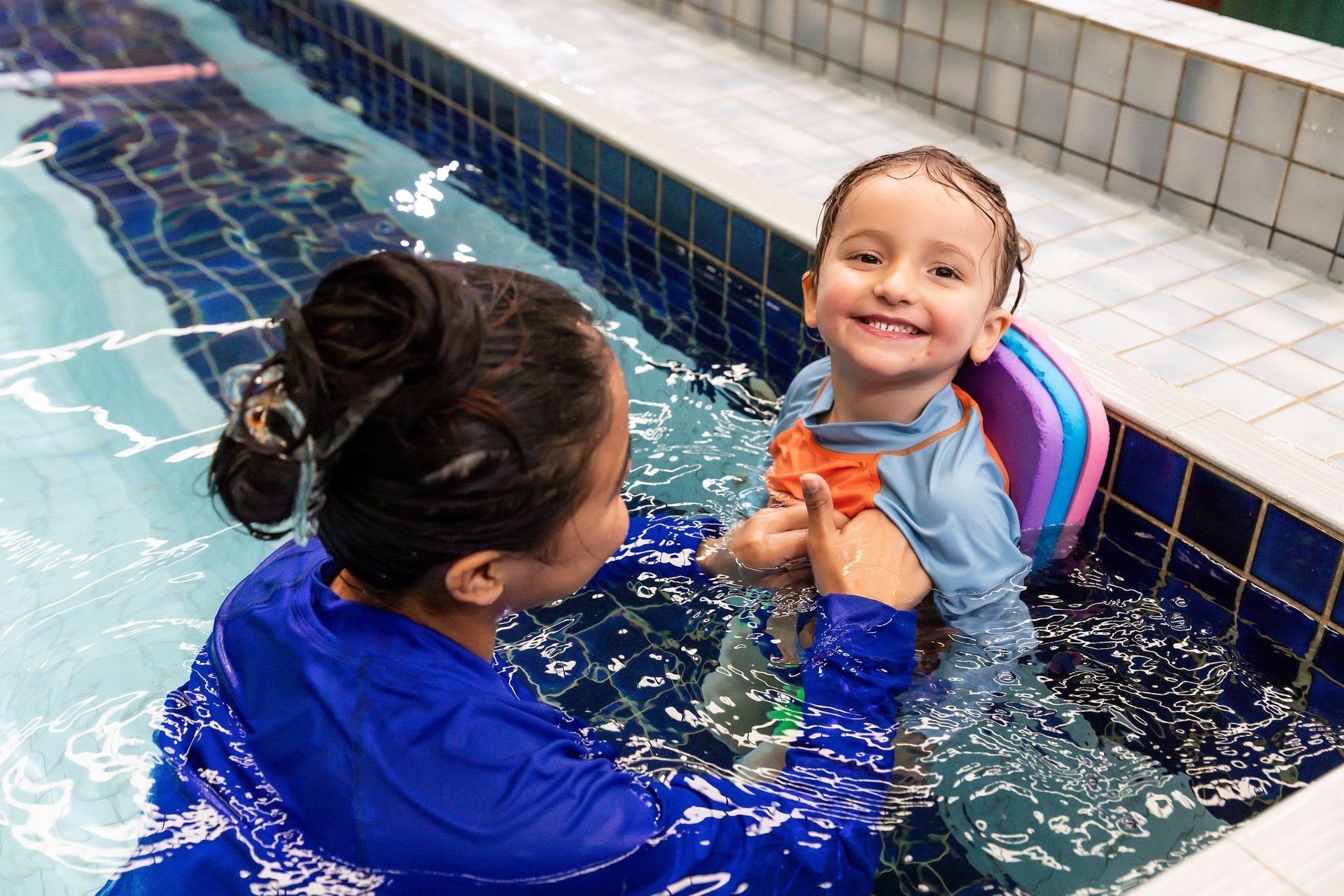
- Shallow Beginner Pools: Dedicated shallow basins allow children to touch the pool floor easily, creating a secure physical base for initial floating, splashing, and balance drills.
- Encouraging, Certified Instructors: Patient guidance from empathetic coaches builds interpersonal trust, lowering hesitation during early eye-level submersions and face dips.
- Calm Indoor Atmosphere: Fully enclosed, climate-controlled facilities shield young learners from cold outdoor winds and weather distractions, maintaining a consistent space.
Cold water causes immediate muscle contraction and shallow breathing, directly triggering anxiety in nervous children. Training in warm indoor pools removes this physical barrier, ensuring children focus on their coach rather than thermal discomfort.
Shallow water also gives children complete control over their physical safety. Knowing they can stand up independently whenever they choose empowers them to try new floating skills without fear of sinking.
Why Are Structured Programs Key to Long-Term Progress?
Consistent, step-by-step curricula guide children from basic acclimation to independent stroke mechanics without overwhelming them. A well-organized program breaks complex aquatic skills into logical, manageable steps that build upon one another naturally.
Pillars of structured swim progression:
- Progressive Skill Mastery: Lessons move systematically from fundamental breath control and back floating to flutter kicking, arm rotations, and full-stroke coordination.
- Routine and Momentum: Intensive 6 to 8-day holiday clinics or regular weekly term sessions reinforce muscle memory continuously, preventing skill regression between classes.
- Goal Celebration and Recognition: Acknowledging micro-milestones, such as blowing surface bubbles or swimming unassisted for three metres, fuels enthusiasm and confidence.
- Individualized Attention: Low student-to-teacher ratios ensure instructors adjust drills to match each child's specific confidence level and physical pace.
Rushing a child into advanced stroke mechanics before they master floating creates technical anxiety. A structured curriculum ensures foundational safety skills are locked in before deep-water entry is introduced.
Consistency also reinforces neural pathways. Regular attendance builds familiar routines, helping hesitant bathers know exactly what to expect when they step onto the pool deck each week.
How Do Interactive Games Accelerate Skill Acquisition?
Play-based teaching techniques reduce anxiety by turning essential technical drills into engaging, fun activities. When children view swimming as play, their natural defense mechanisms drop, allowing them to absorb mechanics effortlessly.
Effective play-based teaching methods include:
- Song-Led Breath Control: Singing rhythmic pool songs paired with bubble blowing teaches breath management without forcing rigid submersions.
- Submerged Toy Retrieval: Diving for colorful sink rings or floating toys encourages natural eye-level submerging, spatial awareness, and underwater eye-opening.
- Imaginative Floating Drills: Pretending to be starfish or floating logs turns back-floating balance practice into an enjoyable game that keeps airways open.
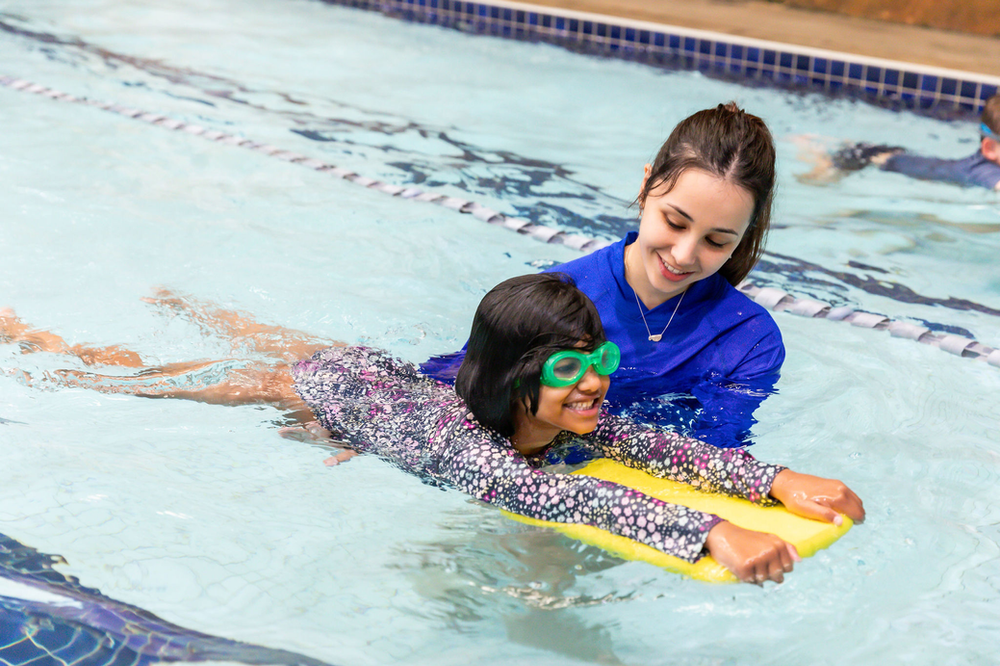
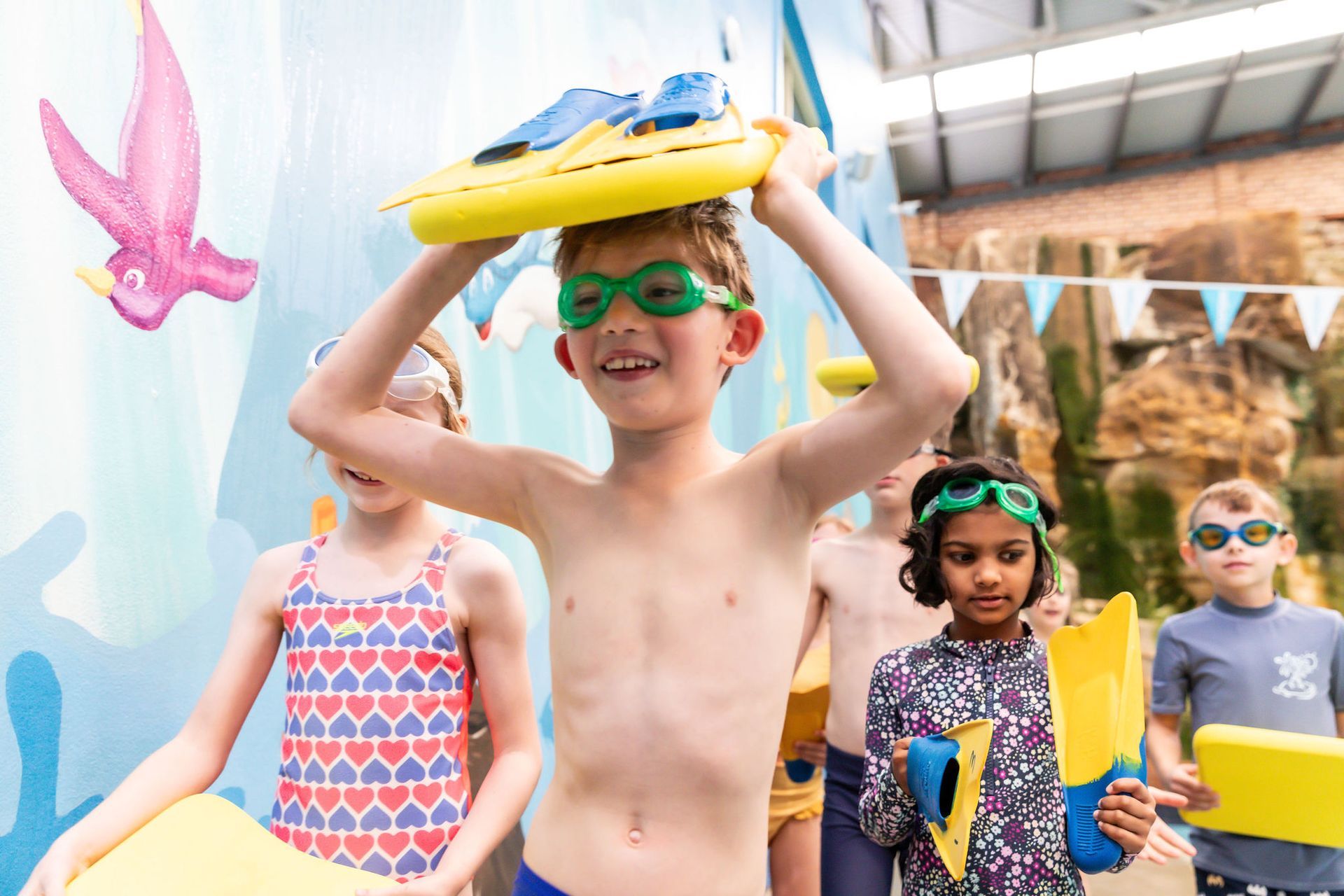
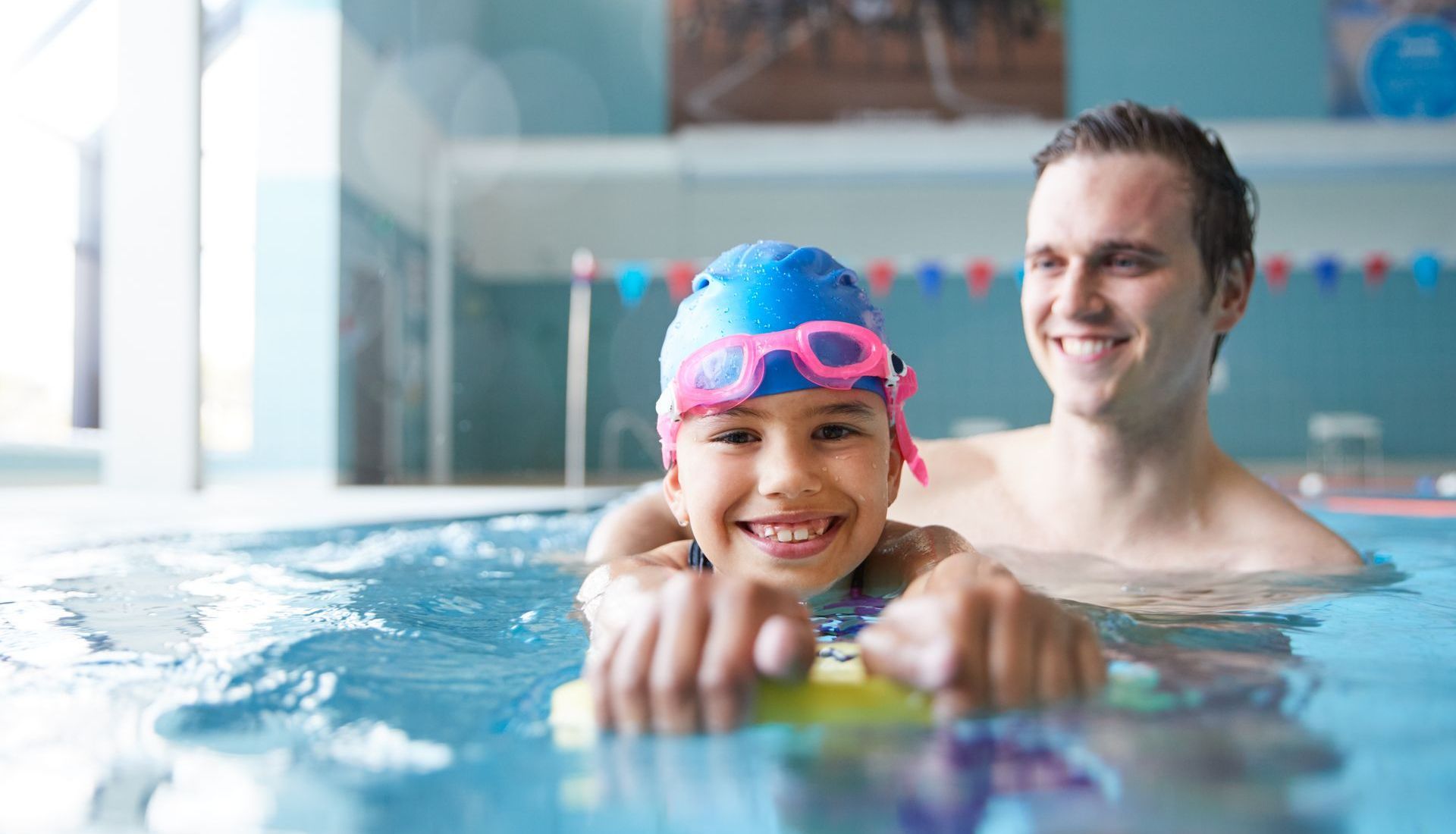
- Kickboard Relay Challenges: Gamified kicking drills encourage flutter kick speed, ankle flexibility, and core alignment through friendly group interaction.
Using imagination shifts a child's focus away from fear and toward the objective of the game. A student who hesitates to put their face in the water will happily blow "birthday candles" on the water's surface without second thought.
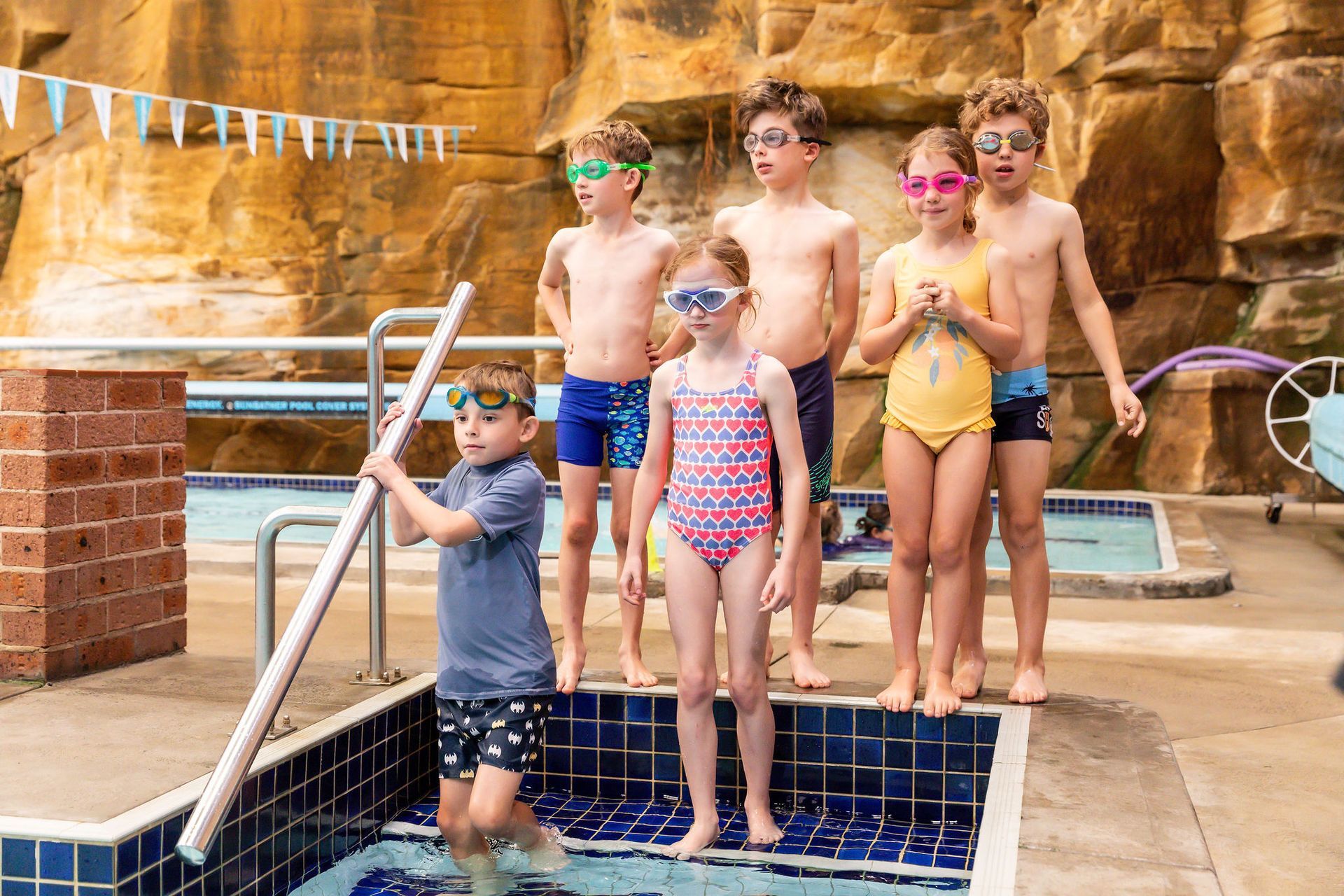
Interactive games also build healthy peer dynamics. Seeing classmates participate in playful drills encourages hesitant children to join in, using positive social modeling to build confidence.
How Can Parents Actively Support Their Child’s Journey?
Parental encouragement outside of formal class reinforces lessons and deepens emotional security. Parents play a vital role in framing how a child perceives their aquatic experiences.
Actionable ways parents can support water confidence:
- Practice Low-Pressure Water Play: Reiterate floating, kicking, and breath drills during casual family pool visits, bath time, or holiday trips.
- Celebrate Personal Growth and Effort: Focus praise on courage, effort, and persistence rather than comparing your child's pace to peers or siblings.
- Utilize Parent Tracking Tools: Use online portals to stay updated on lesson progression, skill benchmarks, and specific instructor feedback between classes.
- Maintain Positive Deck Presence: Smile, offer thumbs-up gestures, and remain calm while watching lessons from the spectator area to reassure your child that they are safe.
Bath time offers a wonderful, zero-pressure opportunity to practice water skills at home. Pouring water gently over the back of the head or practicing lip bubbles in the tub reinforces pool cues.
Praising effort rather than perfection fosters emotional resilience. When children realize that making mistakes is a normal part of learning, they become far more willing to attempt new challenges in the pool.
How Col Jones Swim Tempe Nurtures Young Swimmers
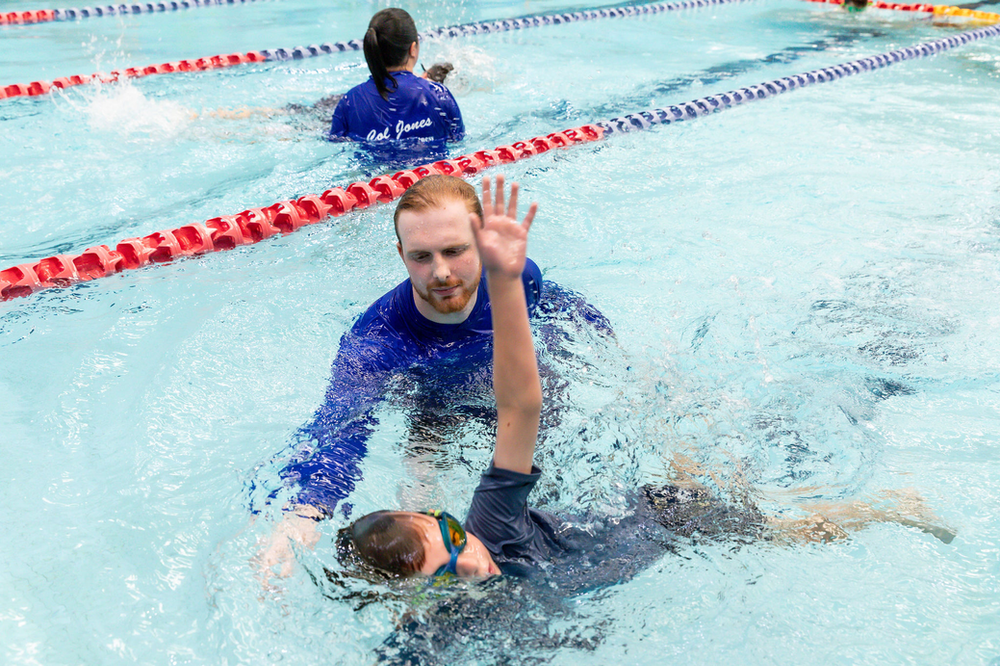
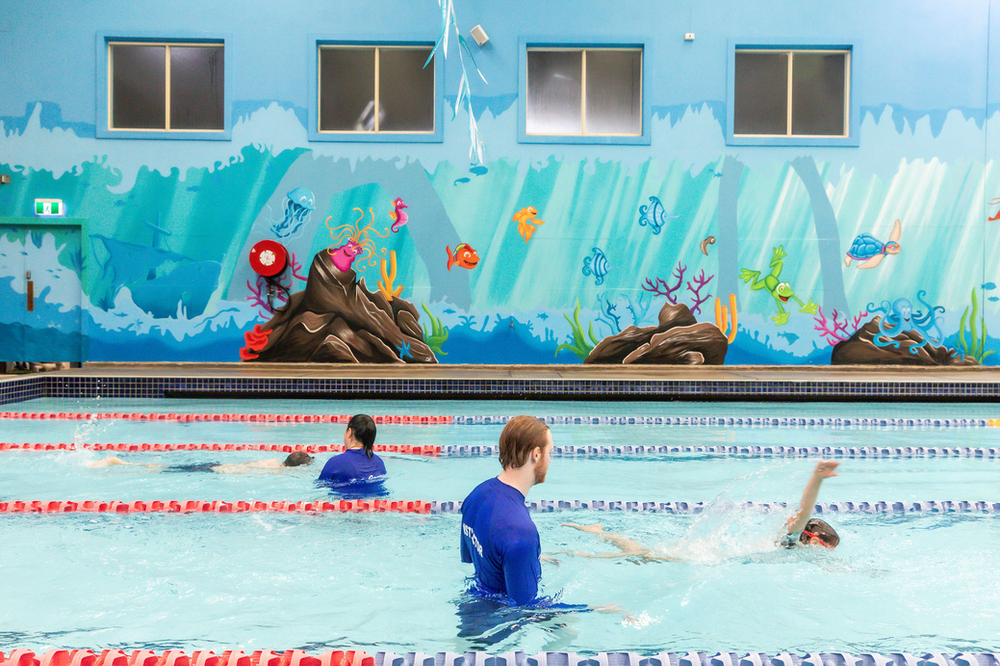
At Col Jones Swim Tempe, children build water confidence in specialized indoor pools heated year-round. Featuring low student-to-teacher ratios, play-infused lessons, and online progress tracking, Col Jones Swim Tempe ensures every young swimmer gains life-saving skills in a supportive, family-centered environment.
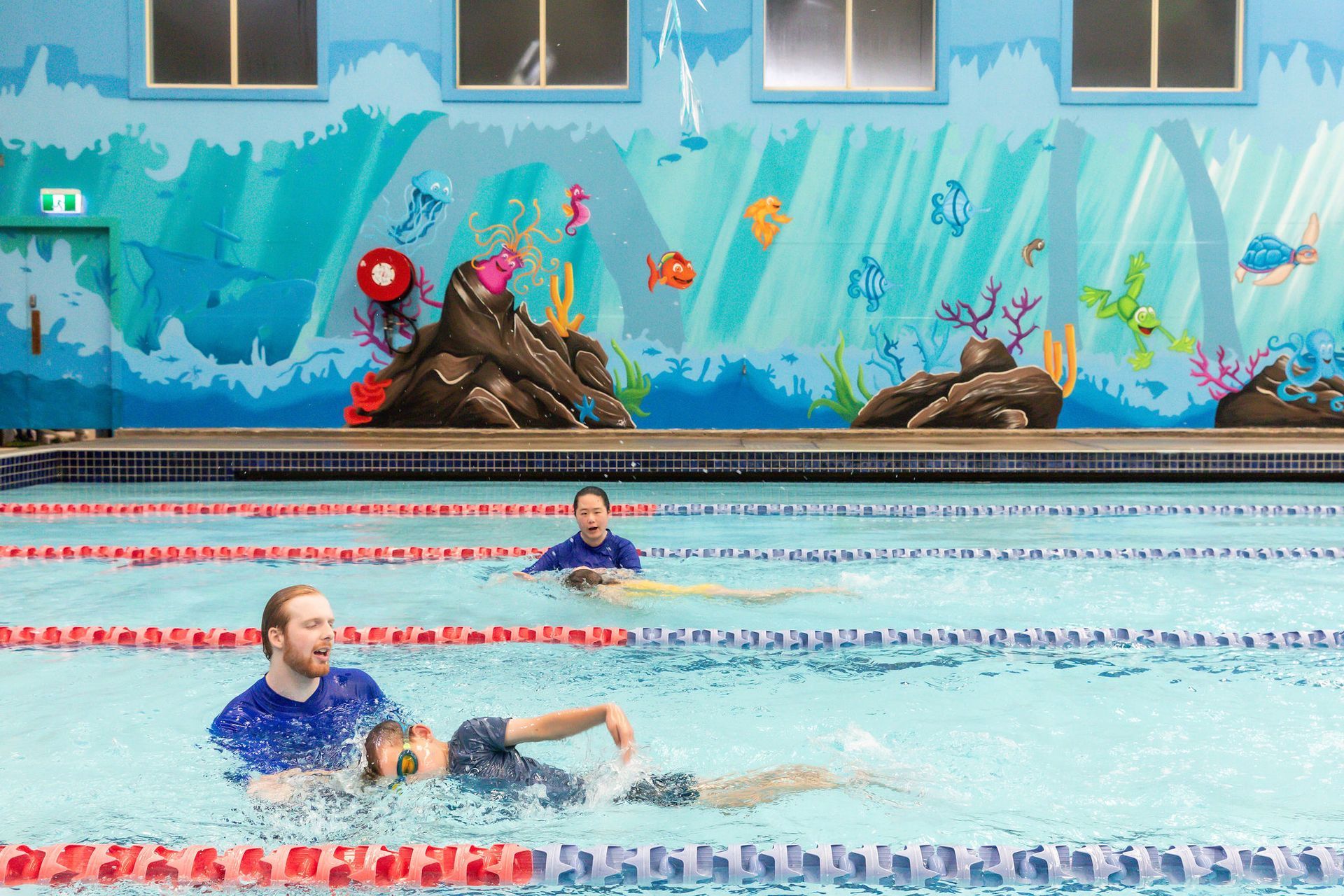
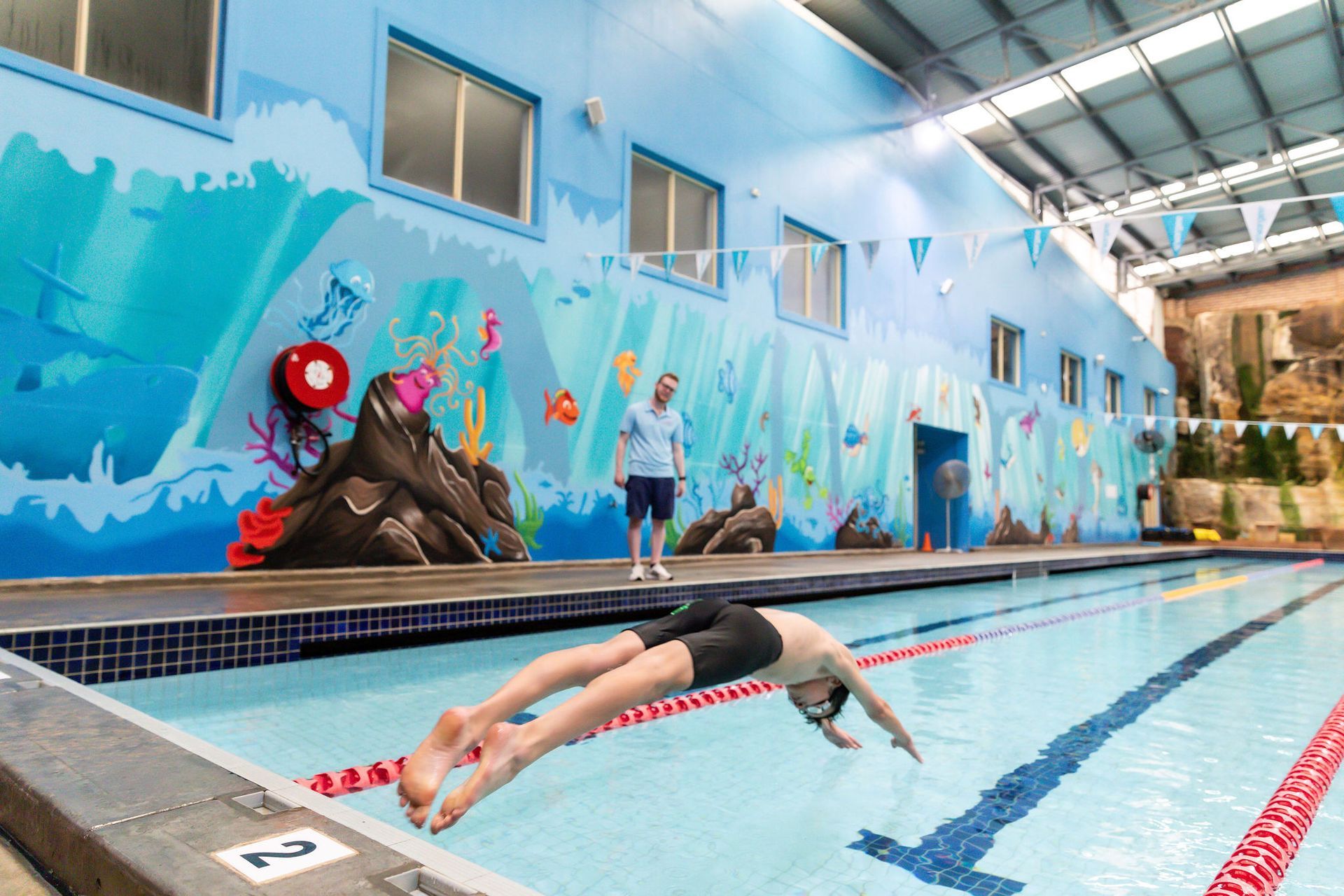
Operating since 1973, the facility utilizes three dedicated indoor pools designed for specific developmental levels. Beginners start in warm, shallow water where they can touch the bottom, while advancing students transition into the 25-metre lap pool to build stroke stamina.
With AUSTSWIM-accredited coaches, real-time Parent Portal tracking, and eco-friendly facility operations, local families receive an exceptional aquatic education. Every lesson is crafted to build water safety, self-assurance, and an enduring love for swimming.
Conclusion
Summary
Building child water confidence requires a thoughtful combination of warm pool environments, structured step-by-step curricula, play-based drills, and active parental support. Eliminating physical discomfort through heated, shallow indoor pools allows young bathers to relax, lower their shoulders, and focus on fundamental skills like back floating and breath control.
Integrating interactive games turns repetitive mechanical drills into fun activities, accelerating skill retention without causing anxiety. Reinforcing progress through casual water play and digital parent portals deepens emotional security. Established icons like Col Jones Swim Tempe provide purpose-built facilities and expert coaching to turn water fear into lifelong aquatic safety and joy.
Book a Strategy or Discovery Call
Nurture your child's water confidence and help them master vital life-saving swim skills in a warm, encouraging environment. If you are ready to tour our multi-pool indoor facility, arrange a 10-minute skill assessment, or secure a class time for upcoming terms, contact our team today to speak with our friendly enrollment specialists.
Frequently Asked Questions
How can I help my child get over their fear of putting their face in the water?
Start gently at home during bath time by practicing lip bubbles, pouring water softly over the back of the head, and using playful cues like blowing out imaginary birthday candles.
What water temperature is best for building child water confidence?
Pools heated between 31°C and 32°C are ideal for beginners. Warm water relaxes young muscles, prevents shivering, and eliminates thermal shock, allowing kids to focus on learning.
How warm are the pools at Col Jones Swim Tempe?
All three indoor pools at Col Jones Swim Tempe are fully enclosed and heated year-round (up to 32°C for beginners), ensuring young bathers stay comfortable during every lesson.
How warm are the pools at Col Jones Swim Tempe?
All three indoor pools at Col Jones Swim Tempe are enclosed and heated year-round to ideal temperatures (up to 32°C for beginners), ensuring bathers remain relaxed and comfortable during equipment drills.
At what age can children start using swim aids in lessons?
Infants and toddlers use gentle buoyancy tools alongside parents in acclimation classes, while independent beginners typically begin structured equipment drills around two to three years of age.