How Our Swim Programs Make Learning Easy for All Kids
Key Takeaways
- Specialized Tri-Pool Design: Our comprehensive swim programs utilize three distinct indoor heated pools to ensure children learn at water depths matching their confidence.
- Expert Certified Coaching: Qualified instructors break complex mechanical movements into visual demonstrations and actionable steps for fast, safe muscle memory development.
- Engaging Play-Based Drills: Turning technical drills into fun interactive games lowers anxiety and accelerates skill acquisition for nervous bathers.
- Continuous Skill Advancement: Structured level pathways transition young learners seamlessly from basic water acclimation to squad endurance training.
- Trusted Community Heritage: Established in 1973, facilities like Col Jones Swim Tempe deliver supportive, family-centered aquatic instruction in Inner West Sydney.
Introduction
Our tailored swim programs combine specialized pool environments, certified coaching, and play-based instruction to guide children seamlessly from basic water acclimation to competitive squad training. Tailored progression across three distinct heated pools ensures every child builds lifelong water confidence, stroke proficiency, and aquatic safety at their own pace at Col Jones Swim Tempe.
Learning to swim is one of the most critical developmental milestones for young children, offering both life-saving safety skills and a foundation for physical health. However, rigid teaching methods or intimidating pool setups can cause anxiety, holding students back from reaching their full potential.
By structuring aquatic education around a child's natural learning pace, swimming becomes a fun, stress-free experience. Purpose-built facilities, empathetic instructors, and playful teaching methods ensure that every child, from nervous toddlers to aspiring competitive swimmers, thrives in the water.
How Are Pool Facilities Structured for Every Skill Level?
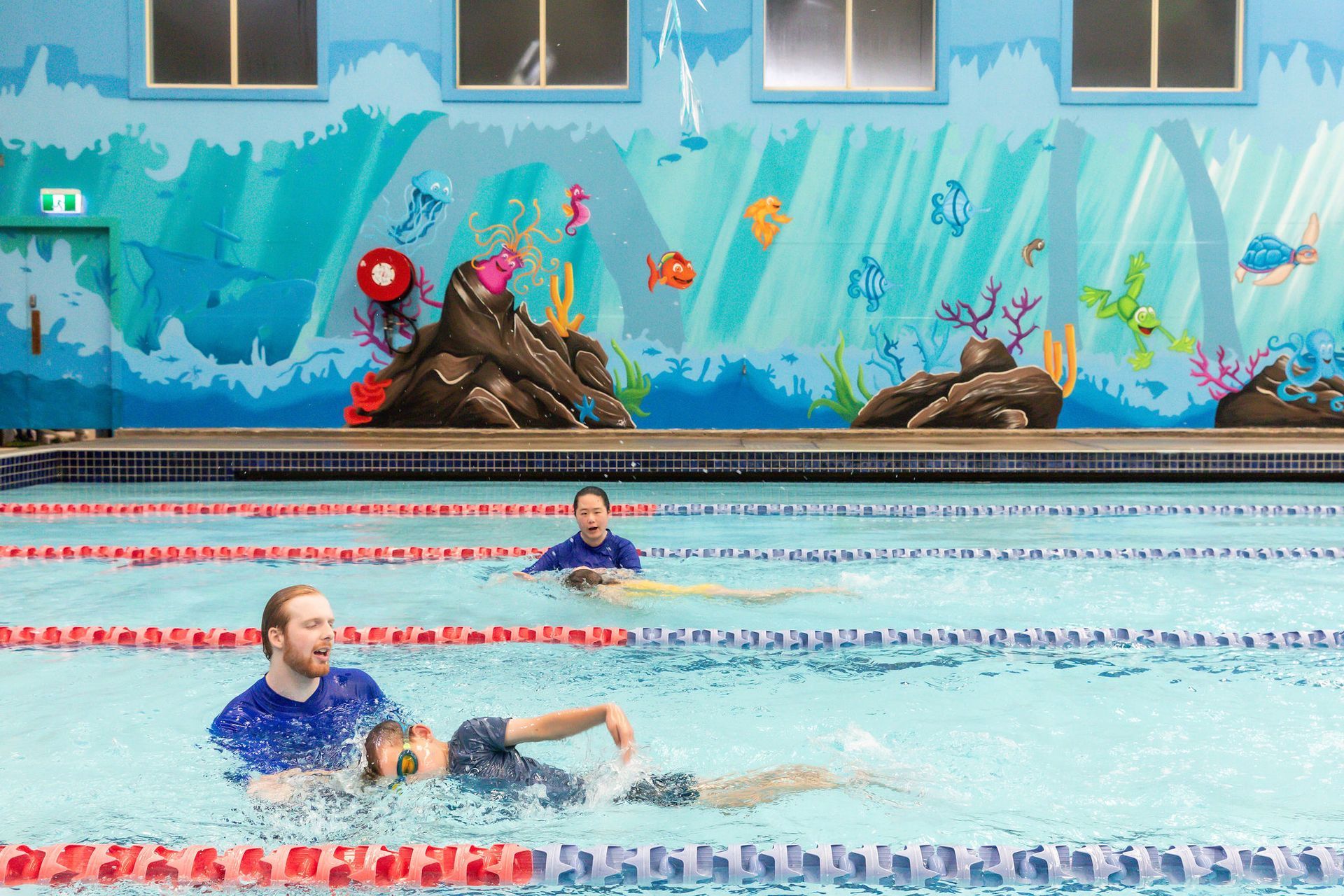
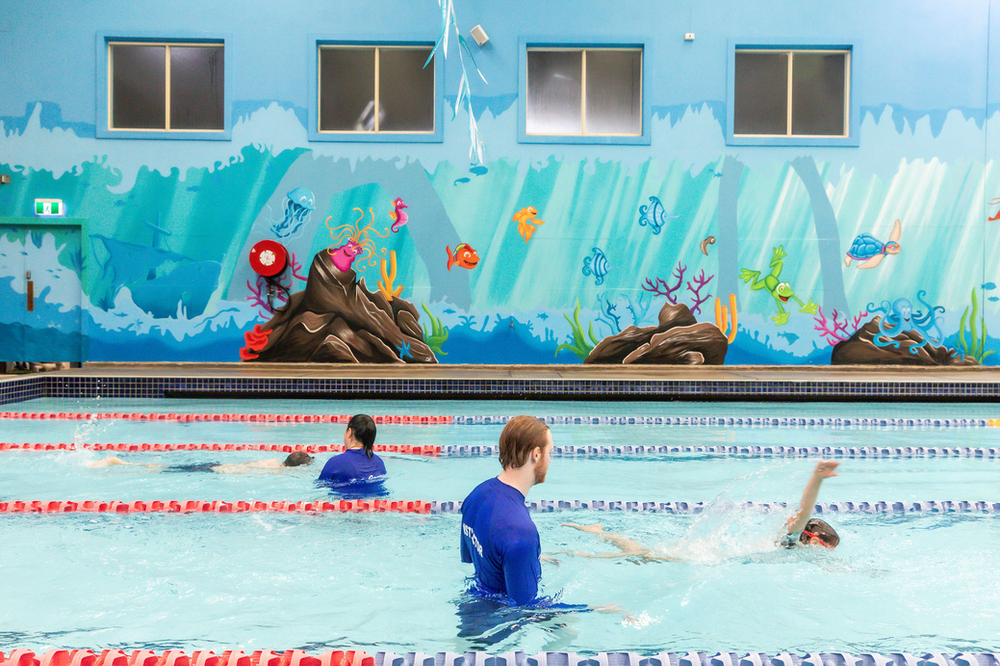
Progressing through distinct pool environments helps children transition safely from early water comfort to advanced stroke endurance. Having specialized pools ensures that water depth, water temperature, and ambient noise suit each developmental phase.
Core pool environments designed for progressive learning include:
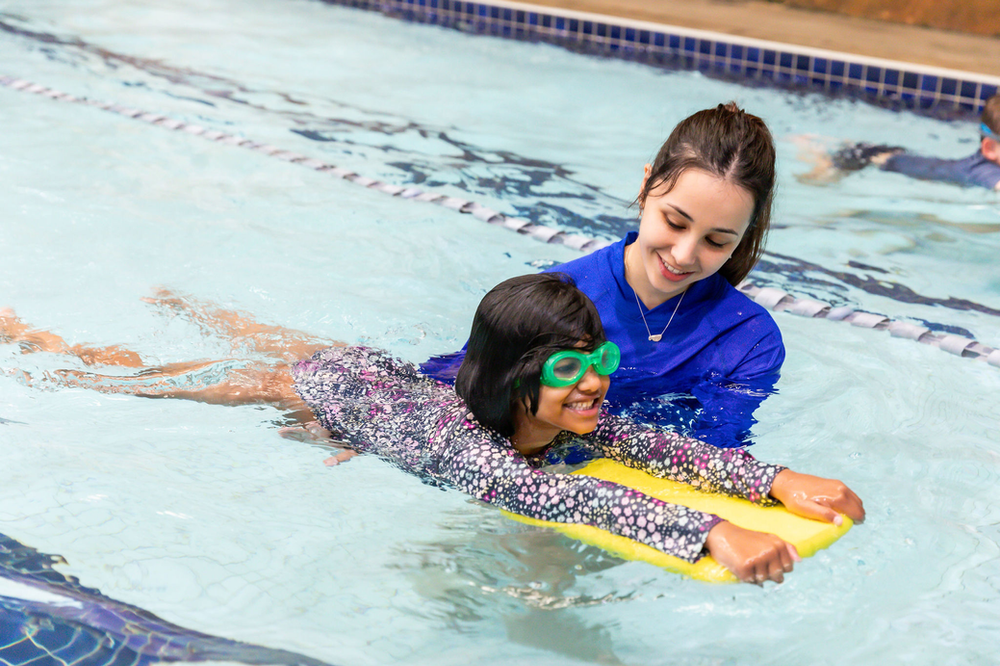
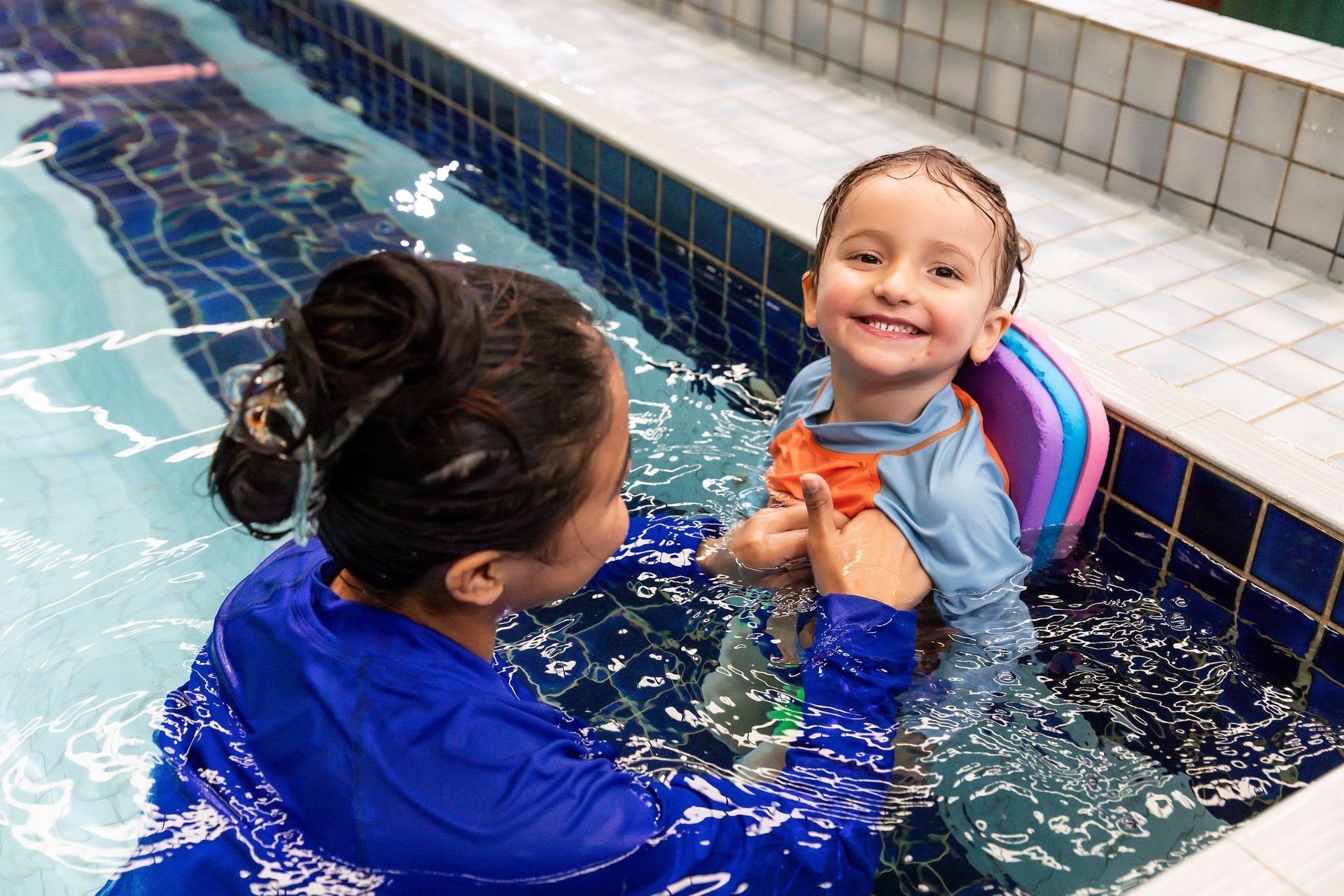
- Small Beginner Pool: A shallow, warm basin dedicated to water acclimation, breath control, and basic floating without fear or physical strain.
- Teaching Improver Pool: An intermediate-depth setting focused on kicking rhythm, arm rotation, horizontal body alignment, and side-breathing mechanics.
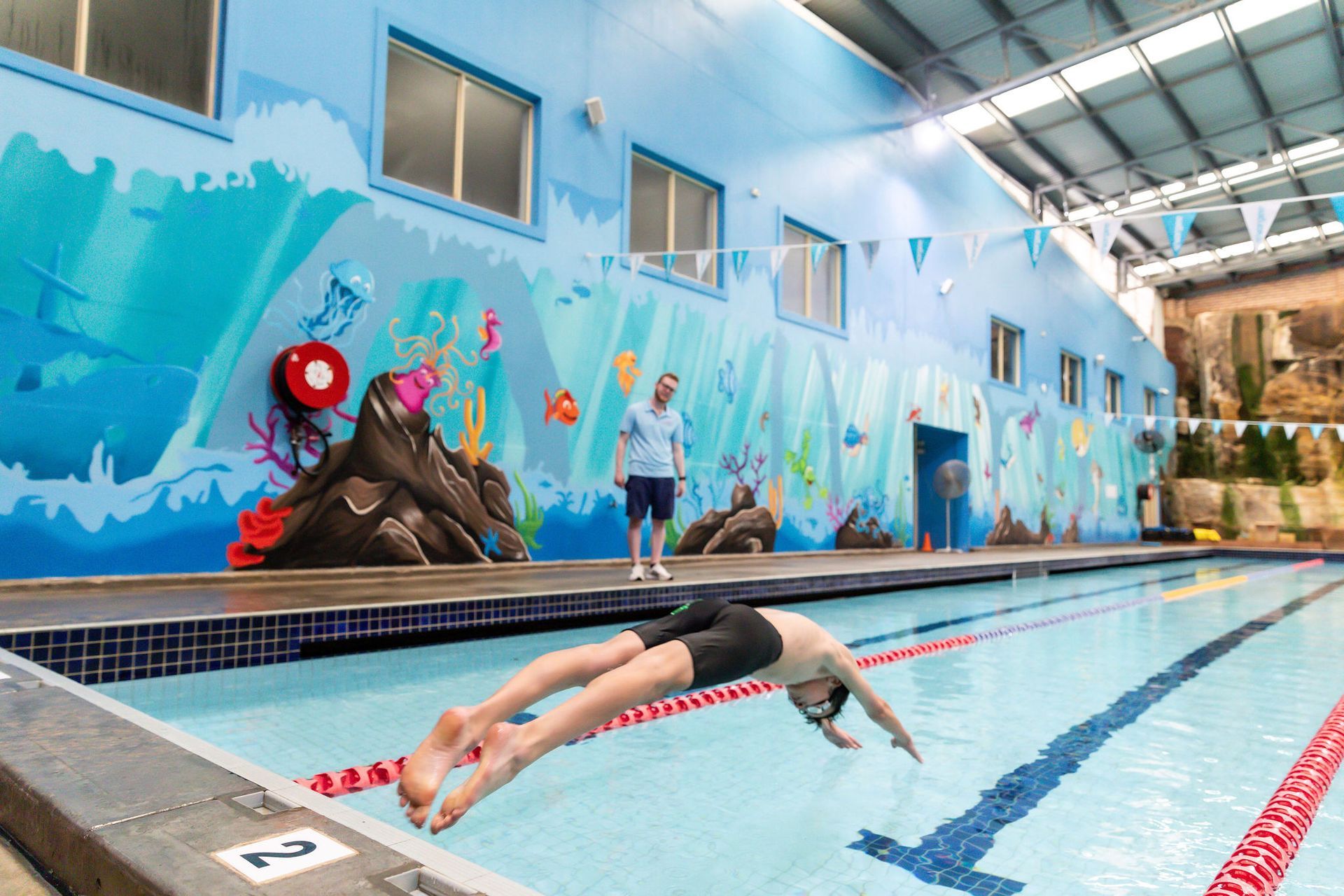
- 25-Metre Lap Pool: A full-length pool designed for full stroke refinement across freestyle, backstroke, breaststroke, and butterfly, as well as squad stamina.
- Enclosed Climate Control: All three pools are fully indoor and heated year-round, protecting children from cold-water shock and wind chill during lessons.
Small beginner pools eliminate the fear of deep water entirely. Because young bathers can stand firmly with their feet on the pool floor, they feel secure trying unassisted floating, face submersions, and balance drills.
As confidence grows, transitioning into deeper teaching pools introduces spatial challenges naturally. By the time students move into the 25-metre lap pool, they possess the physical strength and mental confidence to navigate deep water effortlessly.
What Role Do Qualified Instructors Play in Skill Development?
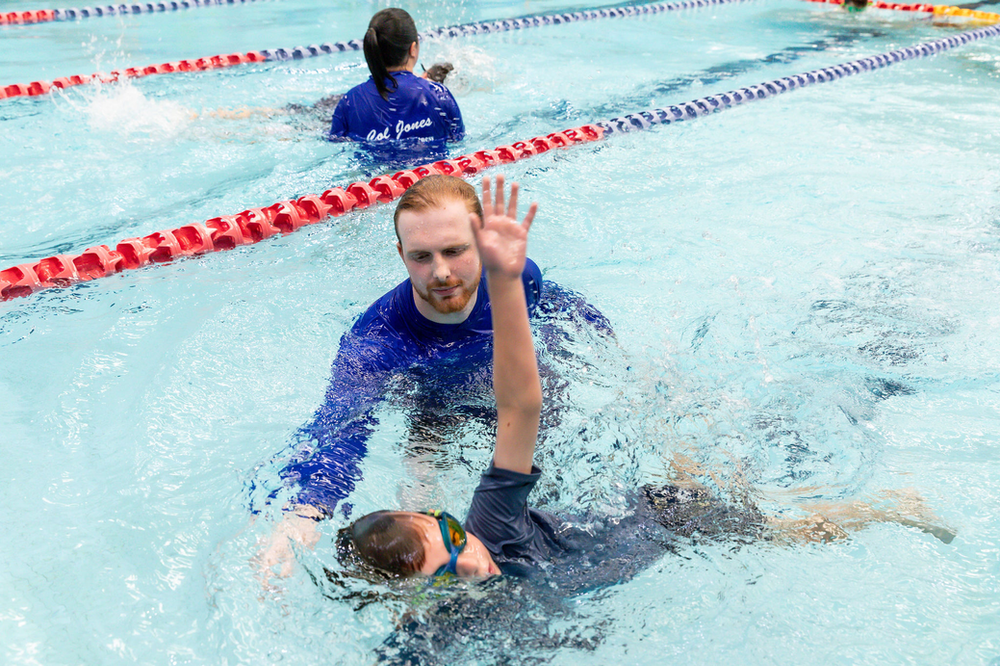
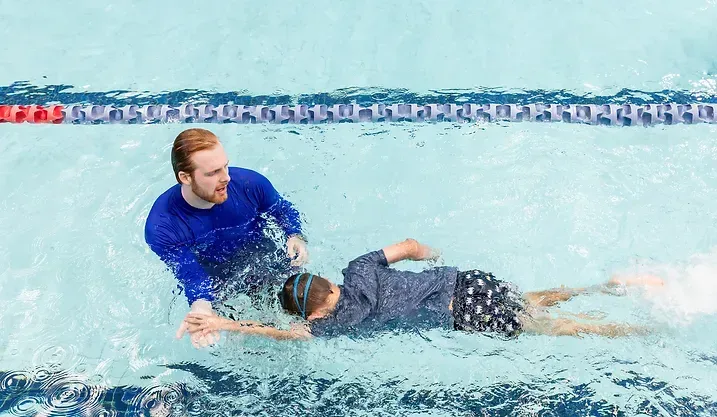
Certified coaches provide the personalized attention and positive reinforcement necessary for young swimmers to excel. A great instructor does far more than teach stroke mechanics, they build interpersonal trust, lower anxiety, and inspire self-belief.
Key instructional methodologies that drive student success:
- Immediate Individualized Feedback: Instructors adapt drills to match each child's learning pace, correcting mechanical form right away to build correct muscle memory.
- Clear Visual Demonstrations: Complex stroke mechanics are broken down using physical deck examples and visual cues that young learners can easily mimic in water.
- Goal Tracking and Milestone Celebrations: Acknowledging small achievements builds self-esteem and keeps children motivated throughout their aquatic journey.
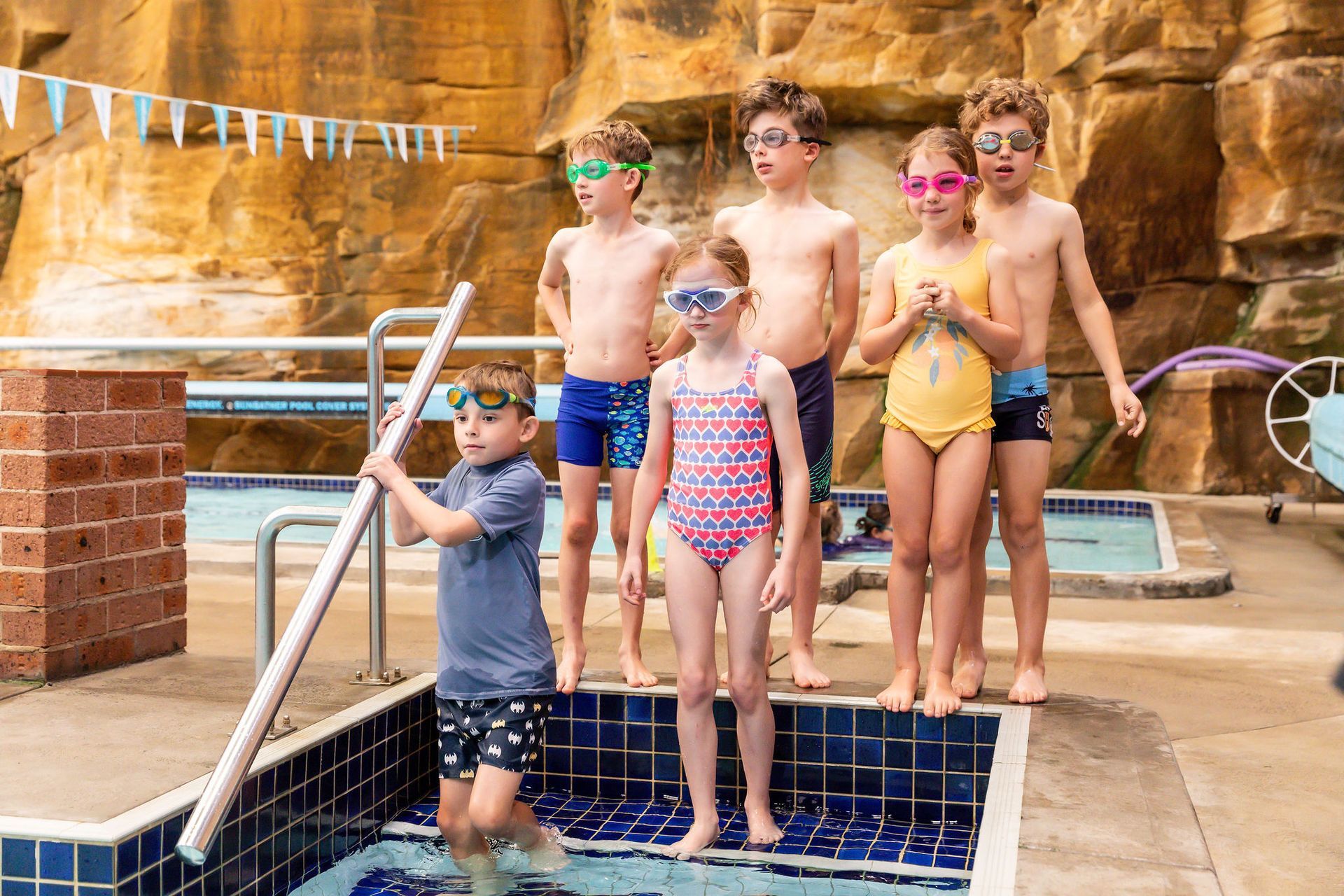
- Low Student-to-Teacher Ratios: Keeping class sizes small ensures every child receives direct instructor guidance and supervision during every lap.
Empathetic coaches recognize that every child learns differently. While visual learners benefit from watching demonstrations, kinesthetic learners thrive when coaches physically guide their arms through proper rotation paths.
Celebrating micro-milestones, like blowing surface bubbles or completing a first 15-metre swim, keeps children enthusiastic. Positive encouragement turns challenging technical drills into rewarding personal achievements.
How Does Play-Based Learning Enhance Skill Retention?
Interactive exercises turn technical swimming drills into fun, stress-free challenges that accelerate learning. Play-based teaching methods utilize a child's natural curiosity and imagination to teach vital aquatic safety concepts.
Effective play-based techniques used during swim lessons:
- Gamified Breath Control Drills: Blowing surface bubbles like motorboats or retrieving sinking ring toys teaches breath control and submersion without causing fear.
- Imaginative Body Alignment Exercises: Pretending to be floating logs or streamline rockets encourages proper horizontal body posture on back and stomach.
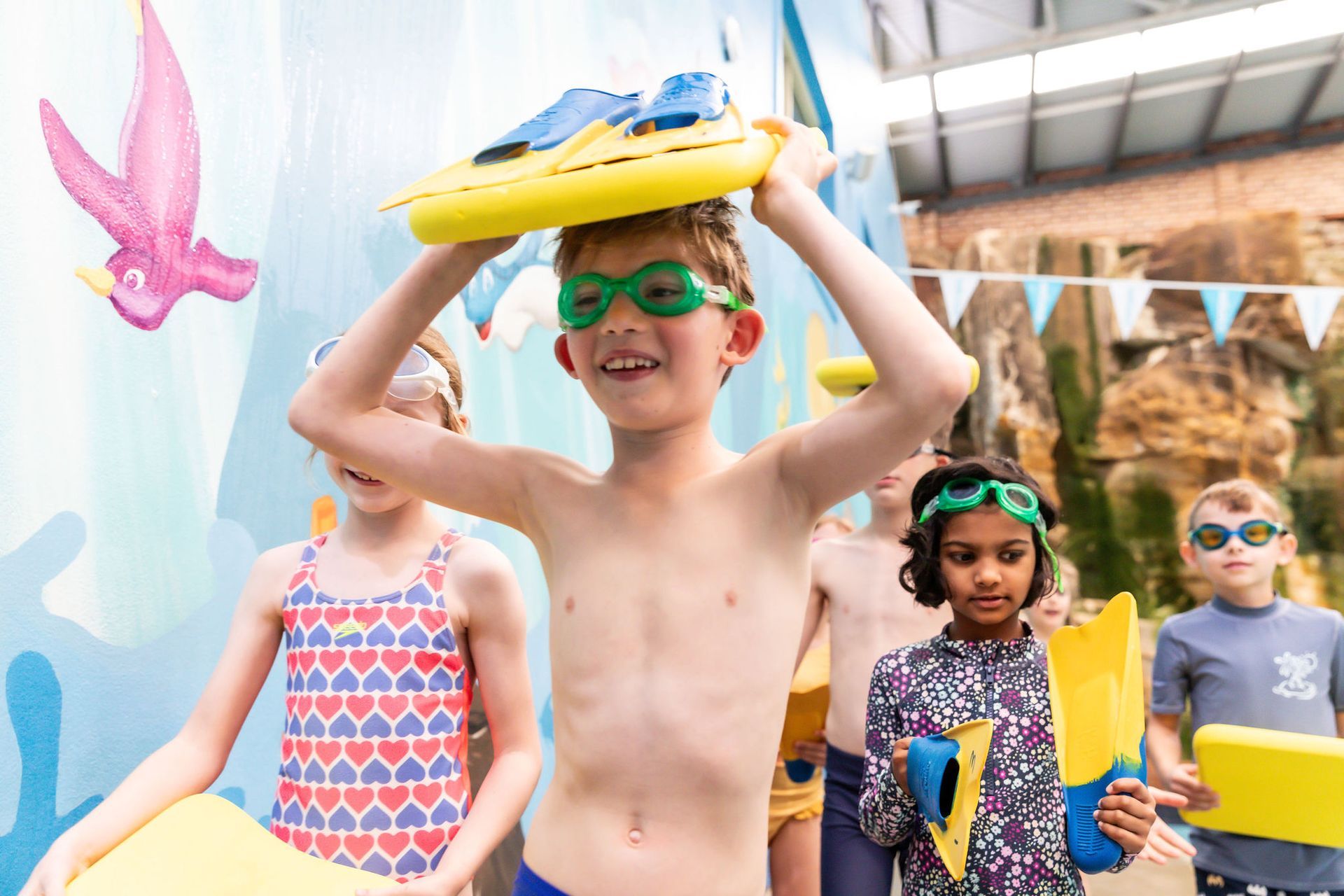
- Kickboard Relay Games: Friendly group kicking challenges build flutter kick strength, ankle flexibility, and leg endurance through engaging teamwork.
- Rhythmic Pool Songs: Singing water-friendly songs during toddler and beginner lessons establishes a predictable, joyful routine that lowers water tension.
When technical drills are disguised as games, children forget to be afraid. A student who hesitates during formal submersion drills will happily duck under water to retrieve a bright pool ring during a treasure hunt.
Playful learning also supports cognitive retention. Children retain physical movements far better when those movements are associated with joyful, positive emotional experiences in the pool.
How Parent Tracking Tools Keep Families Connected
Engaging parents in their child's aquatic journey creates a supportive network that accelerates skill development. Modern swim schools utilize digital technology to keep families informed and involved in every step of learning.
Benefits of digital parent tracking tools:
- 24/7 Parent Portal Access: Families can view real-time skill progress, check level benchmark achievements, and track upcoming skill assessments anytime online.
- Seamless Class Management: Booking makeup lessons, updating contact details, and managing schedule changes can be handled instantly from a smartphone.
- Transparent Skill Benchmarks: Clear level criteria help parents understand exactly which skills their child needs to master before moving to the next class level.
- Direct Coach Feedback: Instructors can post progress notes and encouragement, ensuring parents stay aligned with their child's developmental goals.
Digital tracking removes guesswork for parents watching from the spectator area. Seeing specific skill checkmarks updated on a phone app provides clear visibility into how their child is progressing.
Furthermore, transparent criteria allow parents to offer targeted encouragement at home. Knowing their child is working on side breathing or back floating allows parents to praise specific efforts after class.
How Col Jones Swim Tempe Supports Every Swimmer
At Col Jones Swim Tempe, every child receives high-quality aquatic instruction tailored to their individual confidence level. Serving Inner West Sydney since 1973, the center combines 50+ years of teaching heritage with modern facilities and digital tools.
Key facility highlights at Col Jones Swim Tempe:
- Three Dedicated Heated Pools: Purpose-built shallow beginner, intermediate teaching, and 25-metre lap pools support every learning stage.
- AUSTSWIM-Accredited Instructors: Compassionate, highly trained coaches hold active CPR and Working With Children Checks to maintain safe pool decks.
- iClassPro Digital Portal: Online booking management and real-time skill updates provide families with complete scheduling convenience.
- Eco-Friendly Operations: Inverter heat pumps, thermal pool covers, and paperless administrative systems keep facility operations sustainable and green.
By blending structured level pathways with warm indoor pools, the center ensures that learning to swim is an enjoyable experience for every student.
From early water familiarization to squad training, children gain life-saving safety habits, physical coordination, and unshakeable confidence that lasts a lifetime.
Conclusion
Summary
Enrolling your child in structured swim programs guarantees a smooth, enjoyable journey from early water familiarization to advanced stroke mechanics. Utilizing three specialized indoor heated pools allows young bathers to learn in water depths tailored directly to their confidence. Certified instructors break complex movements into visual cues and immediate feedback, building physical muscle memory safely.
Incorporating play-based drills turns mechanical kicking and submersion practice into engaging challenges that eliminate water anxiety. Supported by digital parent tracking portals and over 50 years of community heritage, established icons like Col Jones Swim Tempe deliver exceptional aquatic education that builds safe, confident swimmers for life.
Book a Strategy or Discovery Call
Give your child the gift of water confidence, life-saving safety skills, and expert stroke technique in a supportive, fun environment. If you are ready to tour our multi-pool indoor facility, book a 10-minute swimming assessment, or enroll your child in upcoming term classes,
book our swim team today to speak with our friendly enrollment specialists.
Frequently Asked Questions
What age can my child start in your swim programs?
Children can begin their aquatic journey as early as 6 months old in our infant water familiarization classes, progressing through structured levels as they grow.
How do I know which pool level is right for my child?
We offer a quick 10-minute swimming assessment where our certified instructors evaluate your child's current water confidence, buoyancy, and stroke mechanics to place them in the perfect class level.
What happens if my child is afraid of the water?
Our coaches specialize in working with anxious beginners. By using our warm, shallow beginner pool, gentle submersions, and play-based games, we help nervous children build confidence at their own comfortable pace.
How warm are the pools at Col Jones Swim Tempe?
All three indoor pools at Col Jones Swim Tempe are enclosed and heated year-round to ideal temperatures (up to 32°C for beginners), ensuring bathers remain relaxed and comfortable during equipment drills.
Can I track my child's progress throughout the term?
Yes! Our online Parent Portal allows you to view real-time skill updates, track benchmark completions, and manage lesson bookings directly from your smartphone 24/7.