Simple Ways We’re Greener at Our Pools
Key Takeaways
- Energy-Efficient Heating: Operating as an eco-conscious swim school means leveraging high-efficiency inverter heat pumps to extract ambient heat, cutting electrical demand and operational emissions.
- Thermal Retention: Utilizing commercial thermal pool covers across 80% of water surfaces preserves water temperatures overnight, reducing reheating demands and stopping evaporation loss.
- Water Stewardship: Advanced greywater reclamation systems repurpose pool backwash water for facility sanitation, saving thousands of litres of fresh water annually.
- Proactive Waste Reduction: Installing facility-wide LED lighting, 100% recycled paper products, and marked sorting stations diverts solid waste away from landfills.
- Community Heritage: Facilities like Col Jones Swim Tempe demonstrate that comfortable, warm indoor pools and sustainable environmental operations can coexist seamlessly.
Introduction
Operating an eco-conscious swim school demonstrates that year-round aquatic operations and environmental sustainability can co-exist. By integrating energy-efficient heating, strict water conservation practices, and proactive waste management, the facility minimizes its carbon footprint while maintaining comfortable, warm pools for all swimmers at Col Jones Swim Tempe.
Heating multiple indoor teaching pools requires continuous energy, but modern green technology makes aquatic operations far cleaner. For families in Inner West Sydney, knowing that their child learns to swim in a center committed to environmental stewardship adds true peace of mind.
From the pool deck to the changing rooms, sustainable choices reduce environmental impact without sacrificing water warmth or clarity. By prioritizing smart energy management and resource conservation, aquatic centers establish healthy habits for both young bathers and the local community.
How Does Energy Efficiency Keep Pools Warm Safely?
Heating three indoor pools year-round requires significant power, which requires smart technology and thermal retention strategies. By replacing outdated equipment with modern energy-efficient systems, heating efficiency increases dramatically while overall power consumption drops.
Core technology driving pool energy efficiency includes:
- Inverter Heat Pumps: These advanced units extract ambient warmth from the surrounding air to heat pool water using significantly less electricity than traditional electric heaters, lowering overall carbon emissions.
- Thermal Pool Covers (80% Coverage): Covering pool surfaces whenever they are not in use retains thermal heat overnight and during off-peak hours, dramatically reducing reheating power demands each morning.
- Facility-Wide LED Lighting Upgrades: Upgraded LED fixtures consume up to 80% less power than metal-halide bulbs, delivering bright visibility across pool decks, viewing areas, and changing rooms.
- Automated Climate Controls: Smart thermostats regulate indoor air and water balance continuously, preventing energy waste from unnecessary overheating during mild weather.
Inverter heat pumps adapt their speed dynamically based on heating demand. Rather than cycling on and off at full capacity, they run at whisper-quiet efficiency, maintaining constant, cozy pool temperatures with minimal electrical draw.
Complementing these pumps with thermal covers creates a complete insulation shield. Stopping heat escape at night preserves water temperatures, ensuring bathers jump into perfectly warm water every morning without requiring massive power spikes.
What Water Conservation Systems Are in Place?
Water is a vital natural resource, and large-scale pool operations require systematic management to curb unnecessary loss. Maintaining sparkling, hygienic water standards while minimizing fresh water consumption requires an integrated conservation strategy.
Key water stewardship initiatives include:
- Evaporation Control via Thermal Covers: Thermal pool blankets preserve water volume alongside heat, curtailing evaporation rates and saving thousands of litres of water each month.
- Greywater Reclamation and Reuse: Recycled backwash filter water and facility greywater are safely reclaimed and repurposed for toilet flushing across changing facilities.
- Proactive Leak Prevention Maintenance: Routine plumbing inspections, sensor monitoring, and proactive filtration maintenance identify and fix tiny leaks long before water loss occurs.
- Flow-Regulated Amenities: Restricting water flow rates across facility showers and bathroom taps eliminates accidental overuse by visiting families.
Recycling filter backwash water provides a major environmental benefit. Instead of sending thousands of litres of backwash water directly into city stormwater systems, reclamation systems filter and repurpose it for non-potable facility needs.
Furthermore, flow-regulated fixtures lower water usage across changing areas without impacting shower comfort. Combining smart engineering with routine plumbing audits ensures every drop of water is used responsibly.
How Does Sustainable Waste Management Work Daily?
Waste reduction extends across every changing room, spectator viewing area, and administrative desk within the facility. Diverting solid waste from local landfills requires a combination of sustainable purchasing and easy recycling access.
Everyday waste reduction practices include:
- 100% Recycled Paper Products: Changing rooms and bathrooms are stocked exclusively with unbleached, 100% post-consumer recycled paper towels to conserve timber resources.
- Accessible Waste Sorting Stations: Clearly marked recycling points across viewing areas allow families and staff to separate plastic bottles, aluminum, and paper easily.
- Digital Administrative Operations: Utilizing digital parent portals, electronic booking systems, and app notifications eliminates the need for printed receipts, schedules, and enrollment forms.
- Community Eco Education: Instructors and staff encourage eco-friendly habits on the pool deck, such as turning off taps completely and bringing reusable water bottles to lessons.
Eliminating paper forms in favor of digital parent portals removes hundreds of reams of paper from the operational footprint each year. Parents appreciate accessing lesson schedules on their phones while helping save trees.
Stocking post-consumer paper products completes the circular economy cycle. By encouraging visiting families to utilize marked recycling bins, the entire community participates in keeping the swim center clean and green.
What Are the Community Benefits of Green Operations?
Adopting sustainable operational practices delivers far-reaching benefits to the surrounding community. Beyond lowering electricity and water bills, eco-conscious aquatic facilities create healthier indoor environments for growing children.
Community and health benefits of sustainable facilities:
- Cleaner Indoor Air Quality: Energy-efficient ventilation and HVAC systems exchange indoor air constantly, removing chloramine buildup and keeping viewing areas fresh.
- Reduced Local Environmental Strain: Reclaiming greywater and lowering electricity usage reduces strain on Inner West Sydney's municipal utility infrastructure.
- Positive Role Modeling for Children: Seeing an aquatic center actively recycle, conserve water, and use solar blankets teaches young bathers that environmental care is an everyday responsibility.
- Long-Term Operational Stability: Lower utility overhead allows facilities to invest continually in certified teaching staff, pool equipment upgrades, and community programs.
A well-ventilated, energy-efficient indoor facility supports swimmer respiratory health. Removing air humidity effectively prevents mold growth and chloramine buildup, ensuring kids breathe clean, fresh air during intense swim workouts.
Demonstrating green values also inspires families to adopt similar conservation habits at home. Children who see their swim school using pool covers and recycling stations learn that small daily choices make a big difference.
How Col Jones Swim Tempe Leads in Sustainable Swimming
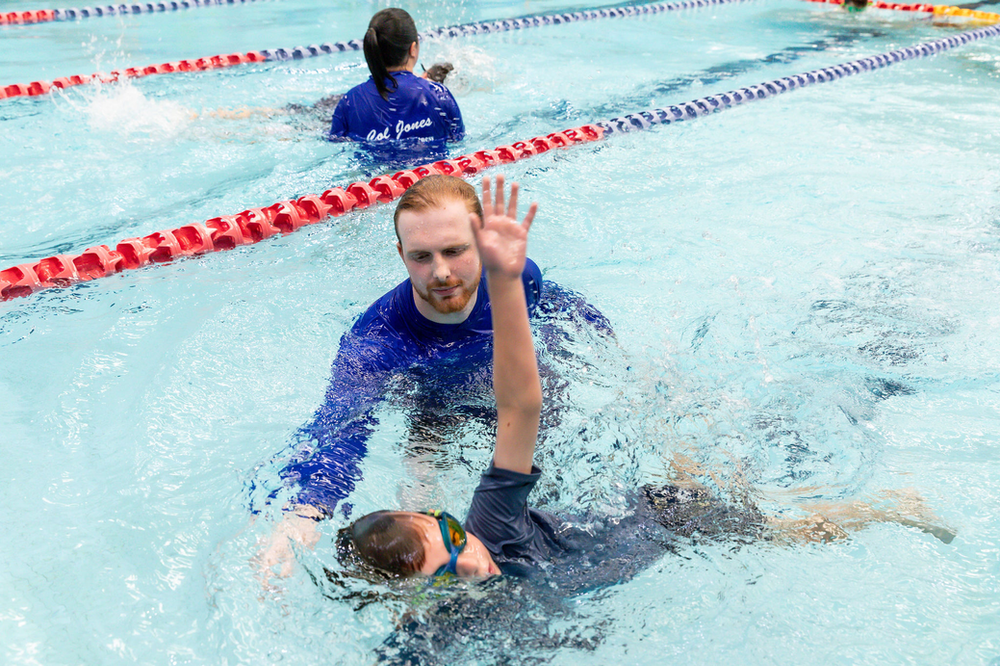
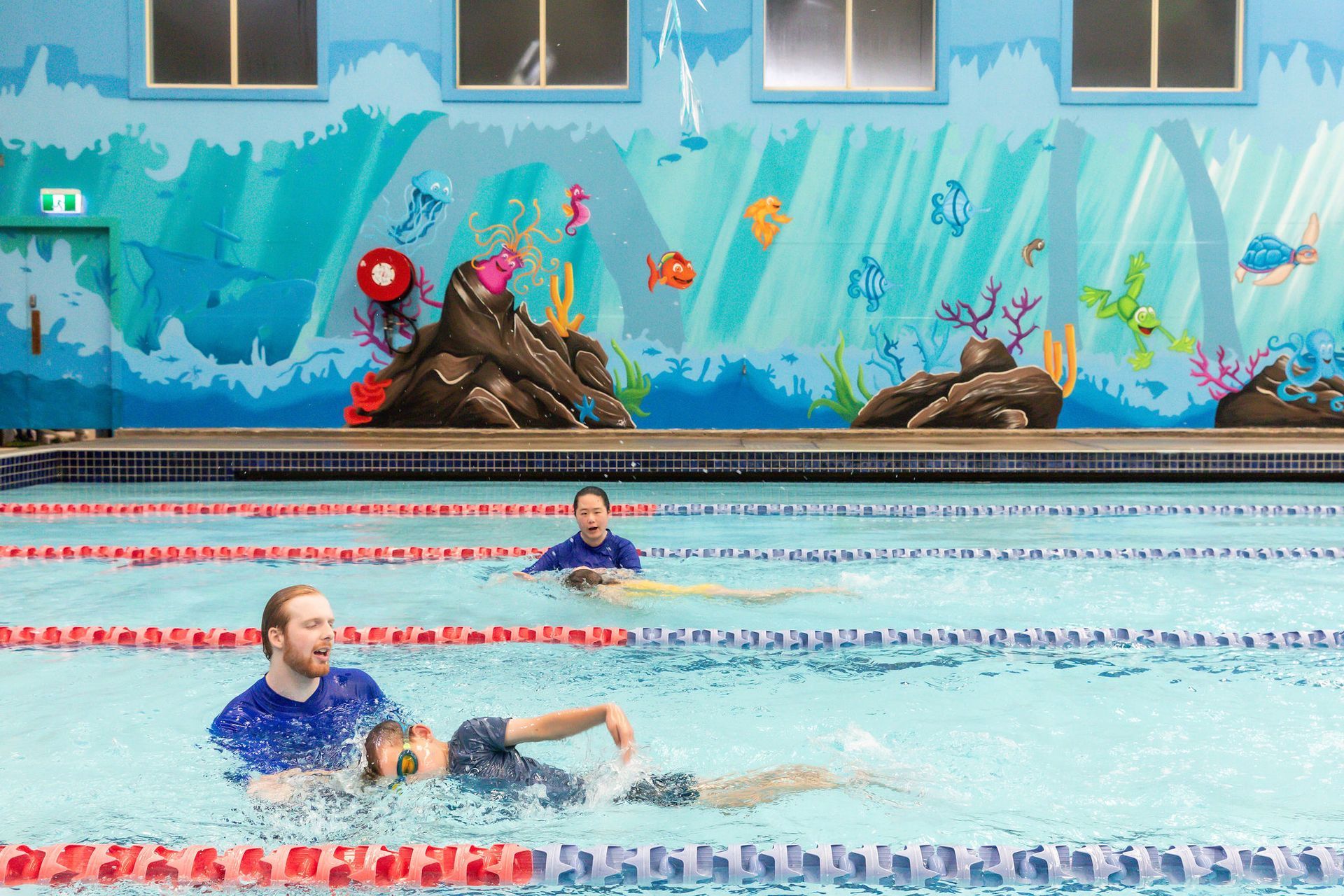
At Col Jones Swim Tempe, environmental responsibility is built directly into daily pool management. Operating continuously since 1973, the facility pairs 50+ years of learn-to-swim expertise with modern eco-conscious infrastructure across its three indoor heated pools.
Sustainable operational features at the facility:
- Tri-Pool Energy Management: Three separate indoor pools utilize targeted inverter heating, ensuring small beginner pools stay extra warm without wasting power on large lap lanes.
- Advanced Water Purification: State-of-the-art filtration systems reduce heavy chemical reliance while keeping pool water crystal clear and gentle on sensitive infant skin.
- Digital iClassPro Management: Families manage enrollments, track skill progress, and schedule makeup classes entirely online, eliminating paper waste.
- Eco-Friendly Facility Upgrades: Thermal blankets, LED lighting, paper recycling, and greywater systems work together to keep operations green year-round.
By investing in sustainable infrastructure, the center proves that high-quality aquatic instruction and green facility management go hand-in-hand. Families enjoy warm, pristine water while supporting a business that respects the planet.
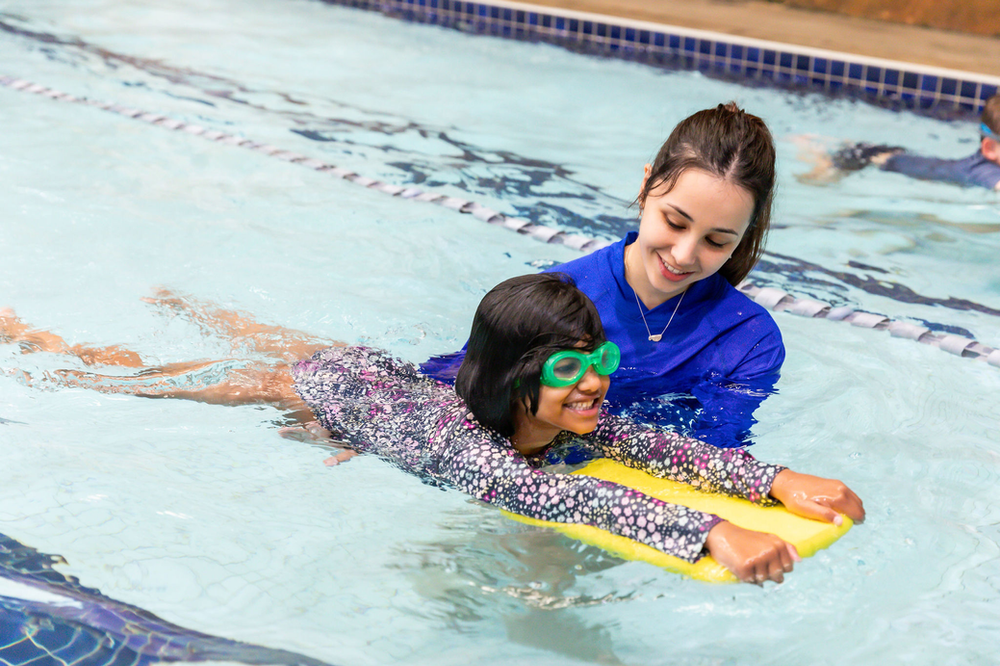
Whether your child is taking their first splash in the shallow pool or conditioning in the 25-metre lap lanes, they train in an environment engineered for safety, comfort, and sustainability.
Conclusion
Summary
Choosing an eco-conscious swim school guarantees that your family's aquatic education supports environmental sustainability. By implementing inverter heat pumps, 80% thermal pool cover coverage, and automated climate controls, aquatic centers keep indoor pools warm while dramatically cutting electricity demand.
Systematic water stewardship, including greywater reclamation and flow-regulated fixtures, conserves thousands of litres of water annually. Coupled with 100% recycled paper supplies, digital parent portals, and accessible recycling stations, green facilities eliminate waste across every department. Established icons like Col Jones Swim Tempe lead the way, proving that warm, comfortable indoor swimming and eco-conscious operations can thrive together.
Book a Strategy or Discovery Call
Experience warm, eco-friendly swimming lessons designed for all ages and skill levels in Inner West Sydney. If you are ready to tour our multi-pool indoor facility, arrange a 10-minute swimming assessment, or secure a class time for your family, contact our team today to speak with our friendly enrollment specialists.
Frequently Asked Questions
How do inverter heat pumps make pool heating more sustainable?
Inverter heat pumps extract heat energy from the surrounding air rather than burning fossil fuels or relying on resistance elements, using significantly less electricity to keep water warm.
Why are pool covers so important for eco-friendly pools?
The thermal pool covers trap heat and stops evaporation overnight. They retain up to 80% of pool warmth, reducing the electricity required to reheat water each morning.
How warm are the eco-friendly pools at Col Jones Swim Tempe?
All three indoor pools are enclosed and heated year-round to ideal temperatures (up to 32°C for beginners), ensuring bathers enjoy warm water without unnecessary energy waste.
Does water conservation impact pool sanitation?
Not at all. Water reclamation systems handle backwash and greywater for non-pool uses like toilet flushing, while pool water itself is continuously filtered through state-of-the-art sanitation systems.
How does paperless management benefit swim school families?
Our digital Parent Portal allows families to track skill benchmarks, view schedules, and book makeup classes online 24/7, offering convenience while eliminating paper waste.