Enhancing Self-Assurance in the Pool Through Swimming Lessons in Col Jones
INTRODUCTION
Enhancing
self-assurance in the pool helps children feel more comfortable, capable, and confident while learning essential swimming and water safety skills. Confidence in the water often develops gradually through supportive instruction, repeated practice, and positive learning experiences.
The original Col Jones Swim Tempe article focuses on helping swimmers build trust in their abilities while progressing through structured swimming lessons designed to support emotional comfort, safety awareness, and long-term swimming development.
Key Takeaways
- Emotional Baseline: High-quality swimming lessons in Col Jones build genuine self-assurance, laying the foundational safety and focus necessary for technical stroke progression.
- Step-by-Step Progression: Water confidence develops systematically through submersions, buoyancy balance, kicking mechanics, and gradual independence from instructor assistance.
- Empathetic Instruction: Patient teachers use positive reinforcement, clear lesson routines, and tailored pacing to eliminate water hesitation in nervous beginners.
- Strategic Flotation Tools: Kickboards, noodles, and belts act as temporary bridges, helping swimmers isolate mechanics without forming permanent dependencies.
- Dedicated Learning Environment: Facilities like Col Jones Swim Tempe combine heated pools and low student ratios to foster lifelong aquatic resilience.
Introduction
Building self-assurance in the pool requires gradual skill progression, positive reinforcement, and consistent practice in a supportive environment. Structured swimming lessons in Col Jones reduce fear and build water comfort through steady exposure to basic floating, breathing control, and movement. Developed emotional security directly enhances participation, builds resilience, and promotes long-term water safety habits that extend beyond the pool.
Overcoming water anxiety is a vital milestone for young bathers. When children step onto a busy pool deck, unfamiliar sounds, splashing water, and deep lanes can feel overwhelming. Professional aquatic instruction breaks these mental barriers down by transforming unpredictable pool conditions into structured, manageable learning steps.
Enrolling your child in expert
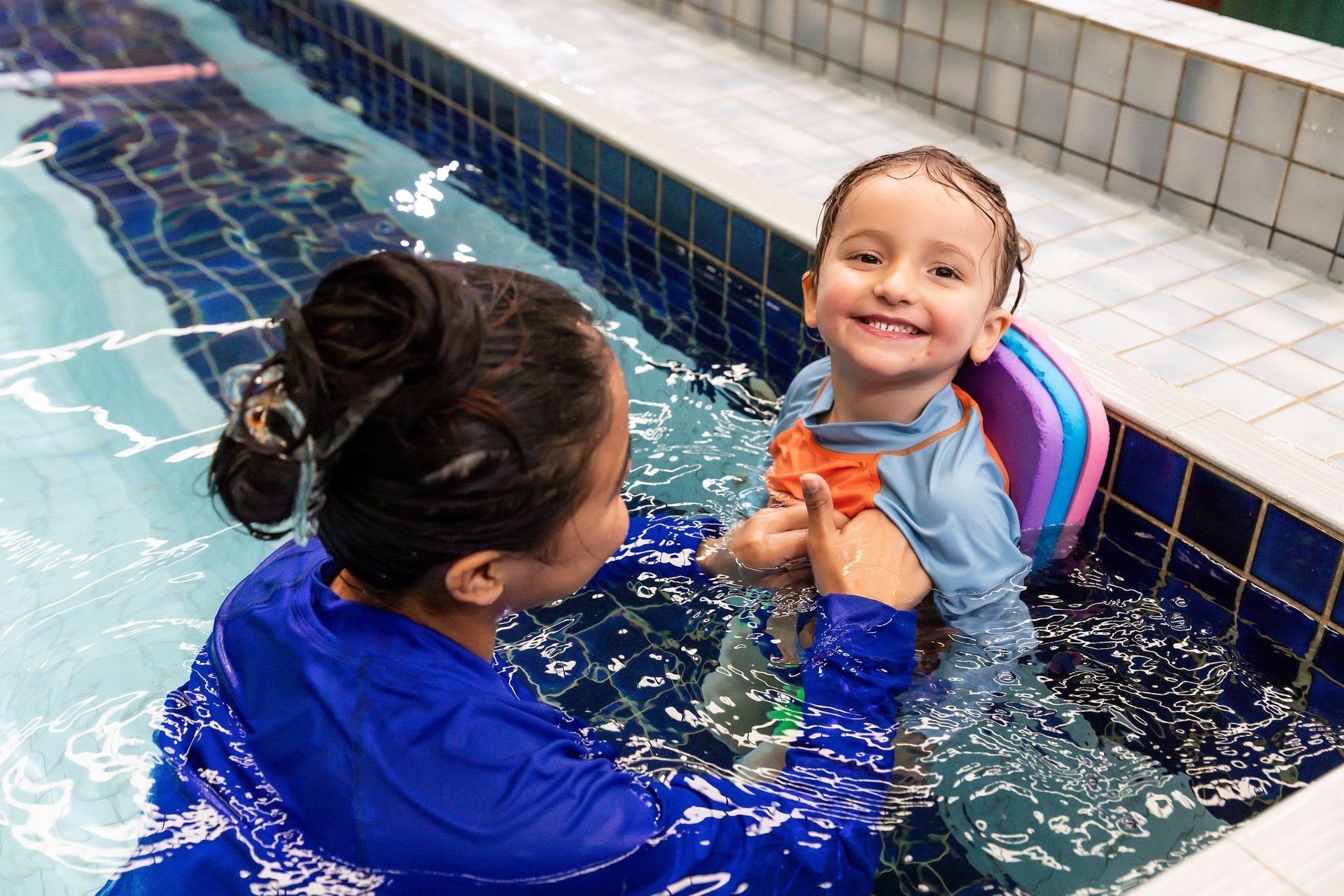
swimming lessons in Col Jones ensures they receive gentle encouragement paired with precise technical instruction. Facilities like Col Jones Swim Tempe provide warm, temperature-controlled pools and small class sizes, giving children the exact physical and emotional security needed to master water safety with complete peace of mind.
Why Is Water Confidence Essential for Swimming Development?
Self-assurance forms the baseline for all technical skill acquisition in the water. Children who feel secure in their environment learn faster, communicate better, and adapt easily to new physical challenges without panicking.
Developing water confidence delivers core developmental benefits:
- Safer Water Behavior: Calmer swimmers make better decisions, stay relaxed during unexpected splashes, and follow instructor safety instructions reliably.
- Emotional Resilience: Overcoming early water hesitation teaches children how to manage anxiety, build grit, and tackle unfamiliar environments with courage.
- Increased Lesson Engagement: Confident kids participate actively in drills, ask questions freely, and master stroke mechanics much faster than hesitant peers.
- Long-Term Aquatic Enjoyment: Early comfort establishes a positive, lifelong relationship with recreational swimming, beach trips, and water sports.
When a child is tense or fearful, their body naturally stiffens, causing them to sink and struggle against the water. By focusing on emotional relaxation first, swim teachers help bathers achieve natural horizontal body alignment, making kicking and gliding feel effortless.
Furthermore, water confidence reinforces cognitive growth. As young learners overcome the challenge of submerging their faces or floating on their backs, they develop a strong sense of personal achievement that boosts their self-esteem in academic and social settings.
How Do Structured Lessons Build Confidence Step-by-Step?
Water confidence cannot be rushed; it develops incrementally through repeated, positive experiences with core aquatic skills. Structured program pathways ensure that young learners build solid foundations before moving on to complex mechanics.
The step-by-step confidence progression includes:
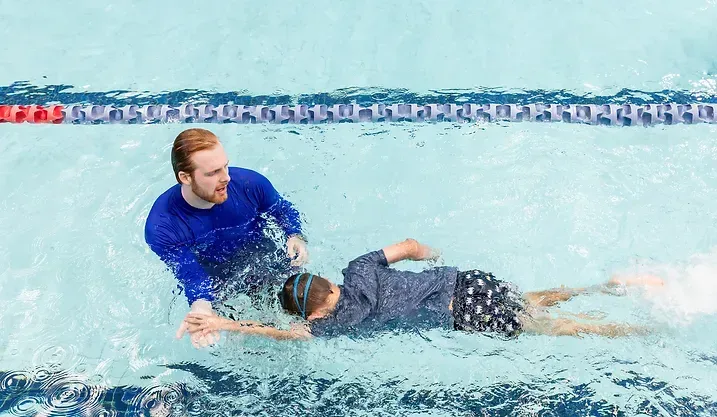
- Submersion & Breath Control: Teaching children to comfortably blow bubbles, control their breathing, and submerge their faces without panic or swallowing water.
- Floating & Buoyancy Balance: Helping young swimmers discover natural water buoyancy through supported back and front floats, proving that water naturally holds them up.
- Propulsion Basics: Introducing gentle flutter kicking and basic arm sweeps to give children a real sense of independent movement control.
- Gradual Independence: Phasing out instructor physical support as the child masters balance, recovery to a standing position, and self-rescue techniques.
Each step in this progression builds directly on the previous milestone. A child who learns to blow bubbles calmly easily transitions into placing their face in the water, which leads naturally into streamlined front glides.
This methodical structure eliminates the fear of the unknown. By knowing exactly what step comes next, bathers develop trust in their instructors and confidence in their own growing abilities.
How Do Experienced Instructors Help Overcome Water Fear?
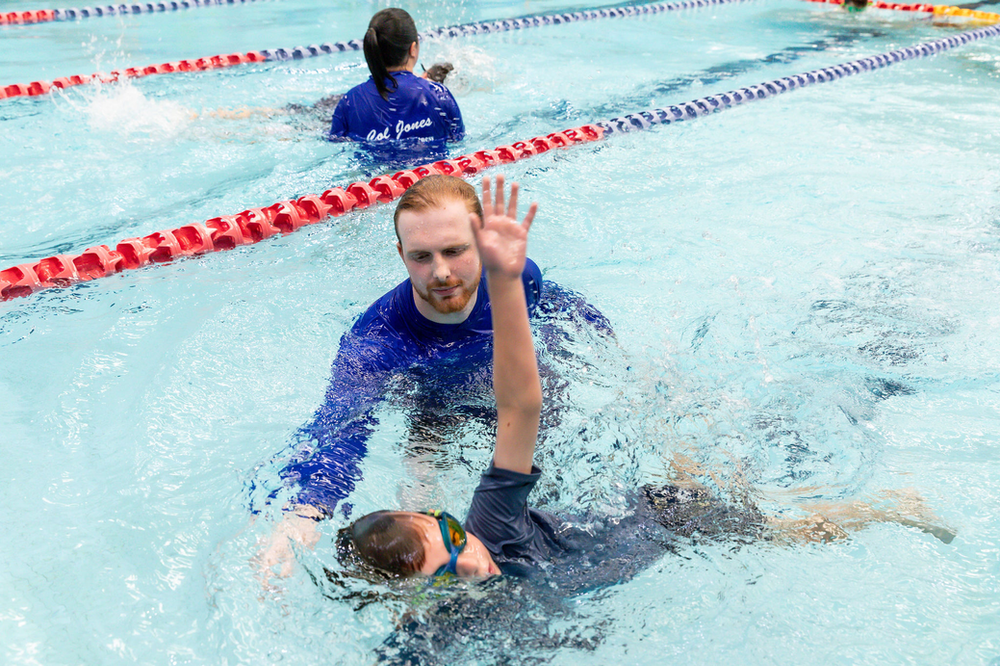
Instructor communication directly shapes a child's emotional comfort on the pool deck. Empathy, clear pacing, and patient guidance help nervous beginners feel safe, supported, and understood during every minute of their class.
Key instructional strategies for building self-assurance:
- Positive Reinforcement: Celebrating minor achievements, like placing a chin in the water or putting goggles on, builds self-esteem and willingness to try again.
- Tailored Lesson Pacing: Modifying lesson plans to match a child's current comfort level prevents panic and keeps learning within a supportive stress-free zone.
- Predictable Lesson Routines: Maintaining clear, repeatable class structures helps children know exactly what to expect each week on the pool deck.
| Confidence Marker | Instructional Strategy | Long-Term Development Impact |
|---|---|---|
| Water Acclimation | Gentle face-wetting & bubble blowing | Eliminates panic reactions to splashes and submersions |
| Buoyancy Mastery | Supported back and front floating | Teaches natural body balance and horizontal position |
| Controlled Movement | Kickboard drills & stroke introduction | Establishes independent propulsion and muscle memory |
| Routine Consistency | Weekly attendance with familiar staff | Maintains skill retention and reinforces emotional security |
Skilled teachers excel at reading non-verbal cues. If a young swimmer shows signs of hesitation, the teacher breaks the movement down into smaller, non-threatening micro-steps to maintain momentum.
Consistent teacher presence also builds emotional trust. Seeing the same friendly face on the pool deck week after week gives young children the psychological safety needed to step outside their comfort zone and try new skills.
What Role Do Flotation Aids Play in Building Independence?
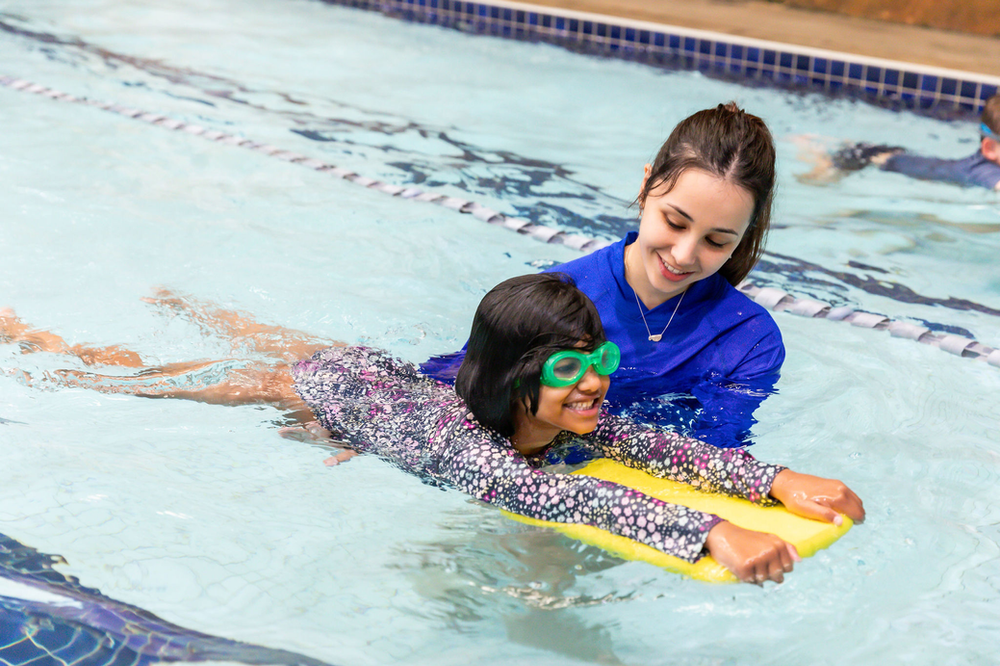
Flotation tools serve as temporary bridges toward independent swimming when used strategically by qualified instructors. Rather than relying on buoyancy devices indefinitely, top-tier schools use them as targeted teaching aids to isolate specific movements.
Strategic uses of flotation aids include:
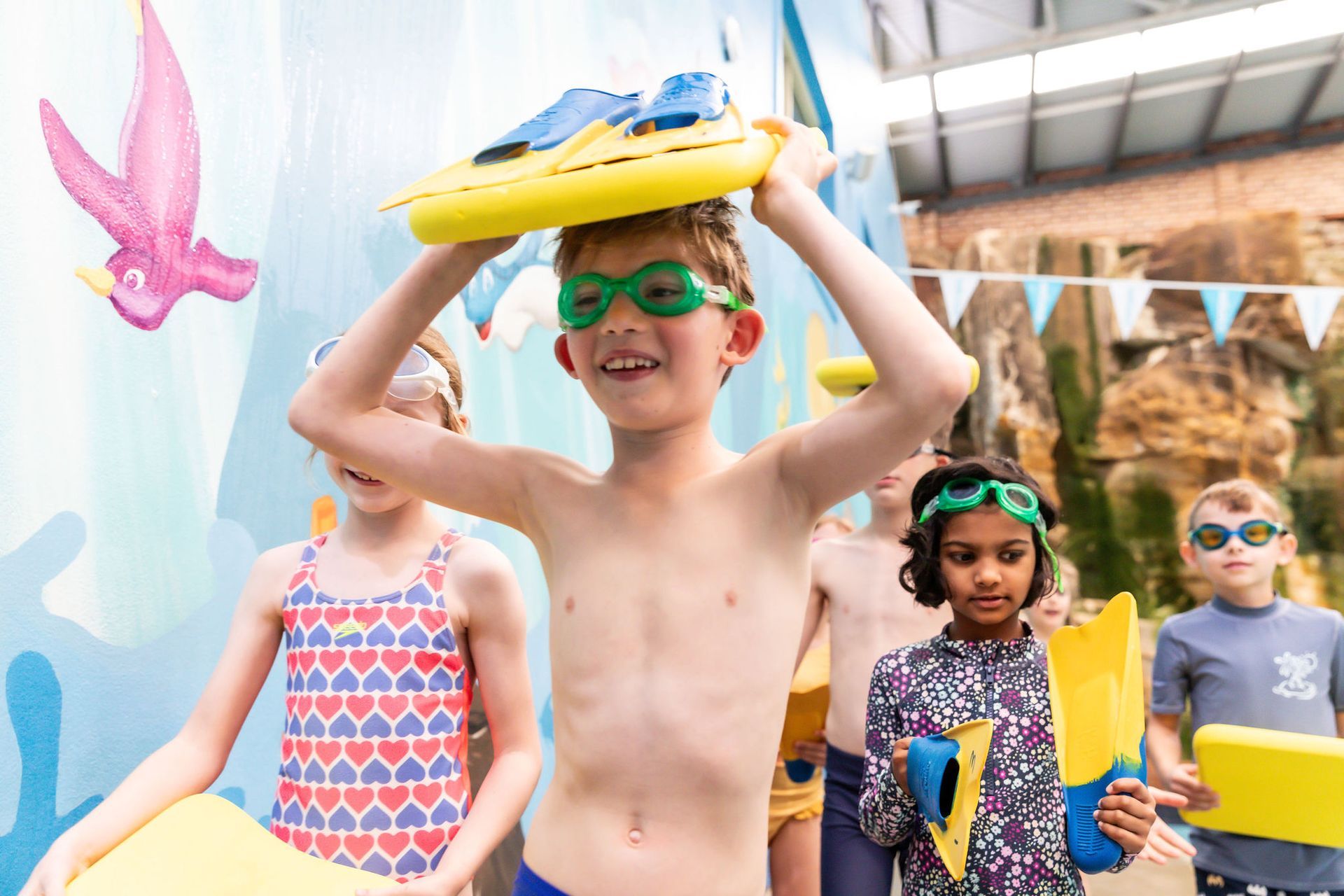
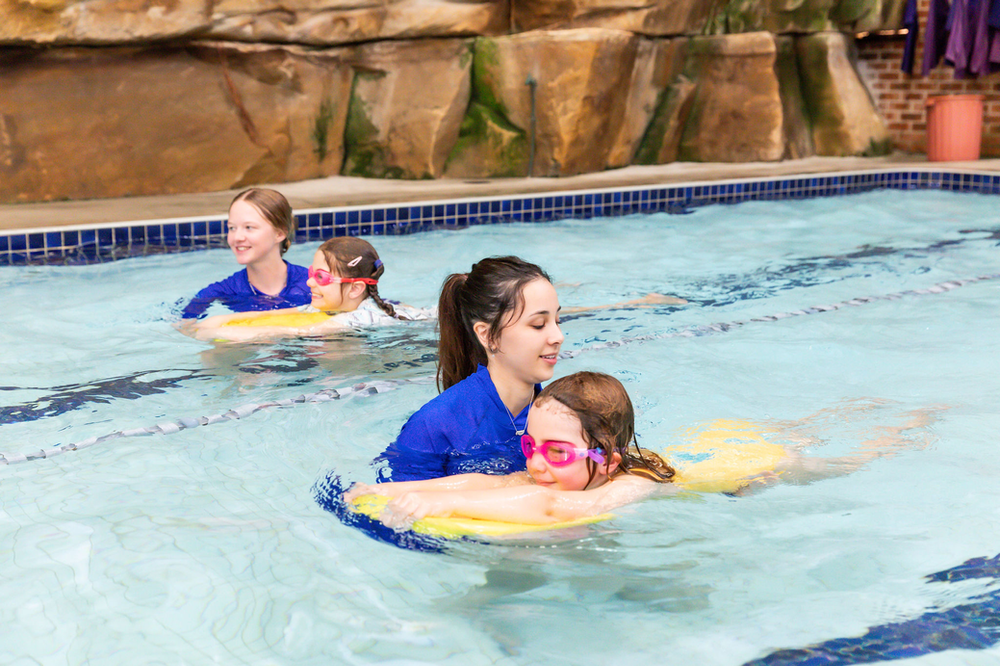
- Targeted Body Support: Kickboards, noodles, and swim belts allow students to focus on isolating leg kicks or arm strokes without worrying about sinking.
- Controlled Skill Progression: Instructors gradually reduce reliance on aids as core strength and natural balance improve, preventing long-term physical dependency.
- Building Deep-Water Confidence: Flotation tools let advancing bathers explore deeper pool areas safely, demystifying deep water before they swim unassisted.
Using flotation aids incorrectly can create a false sense of security or poor body positioning. For instance, over-relying on floaties can cause children to float vertically rather than learning the horizontal position required for proper stroke mechanics.
Professional swim instructors ensure aids are removed as soon as the swimmer demonstrates basic muscular control. This intentional transition guarantees that real, unassisted water self-reliance is achieved.
How Col Jones Swim Tempe Supports Swimming Self-Assurance
At Col Jones Swim Tempe, instructors prioritize emotional comfort alongside technical stroke progression. By combining heated pools, small class sizes, and positive reinforcement, children are given the exact environment they need to overcome fear, build resilience, and become safe, self-assured swimmers for life.
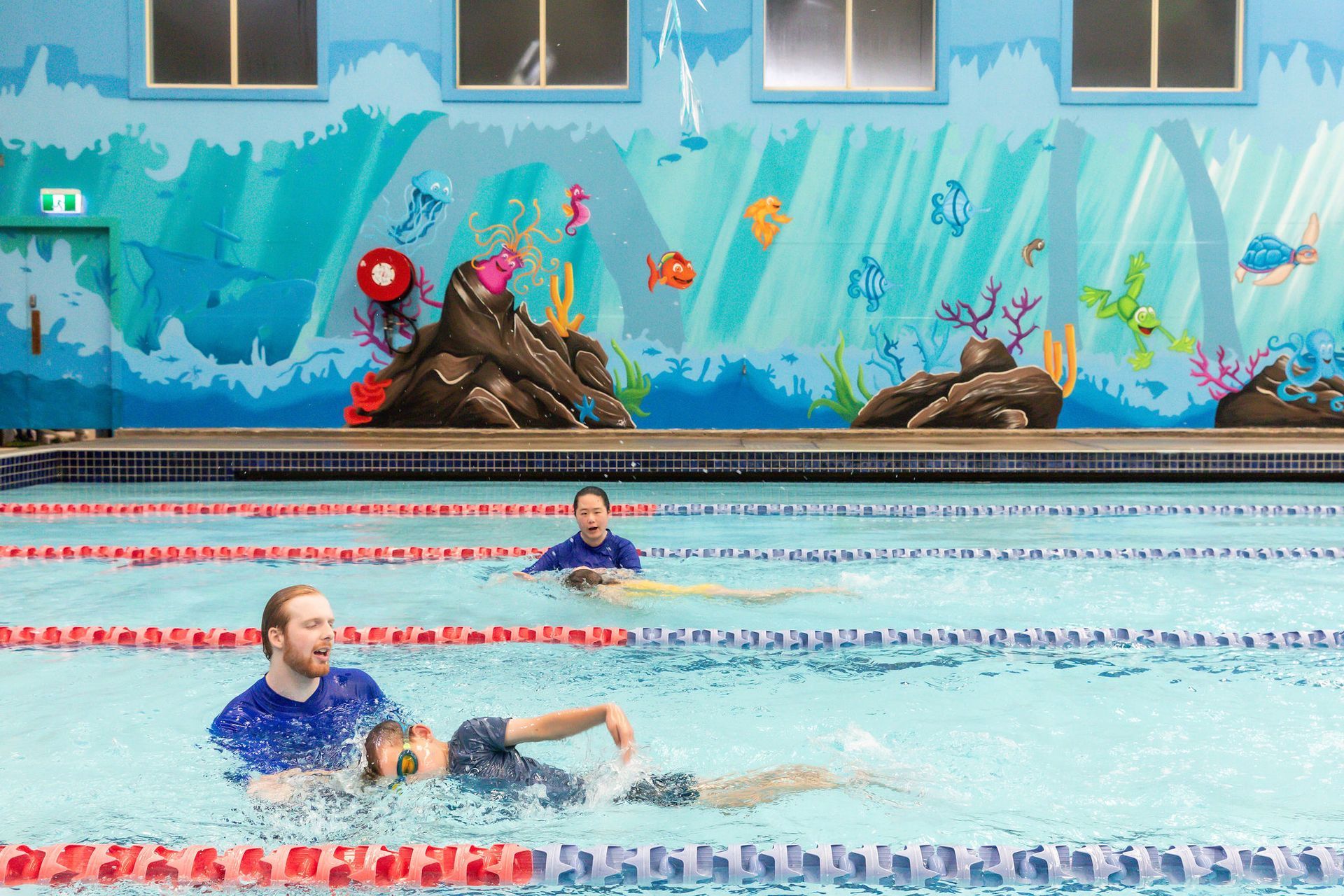
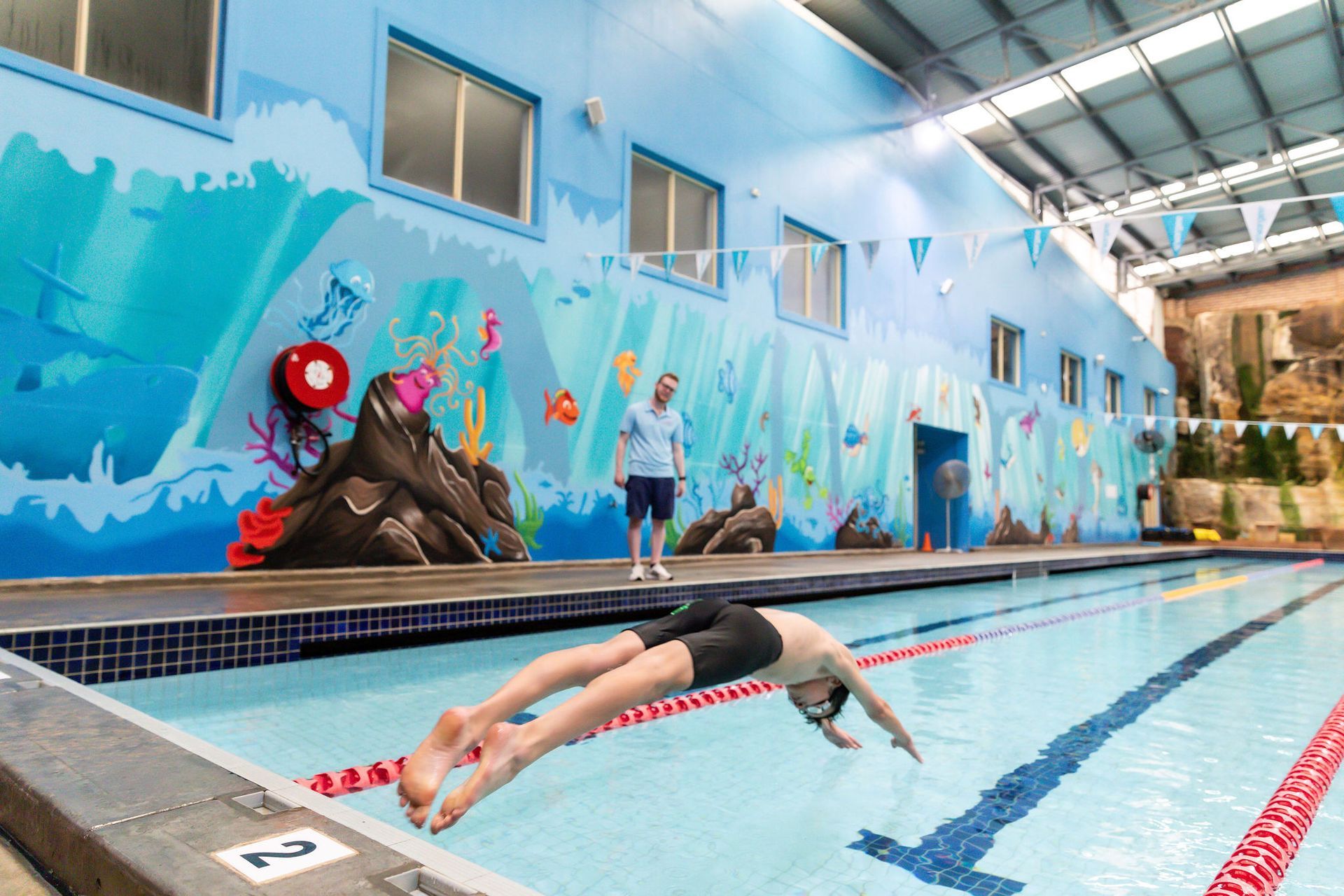
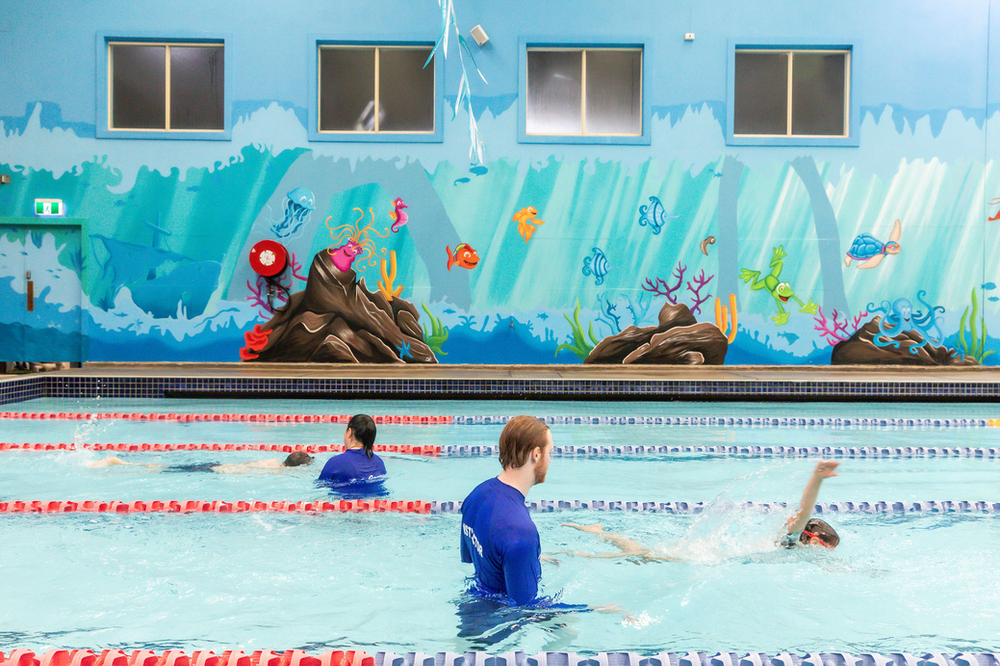
Operating for over 50 years, the center features three specialized indoor heated pools designed for distinct developmental stages. Beginners start in shallow, warm water where they can touch the bottom, allowing them to relax and focus entirely on building water confidence without fear.
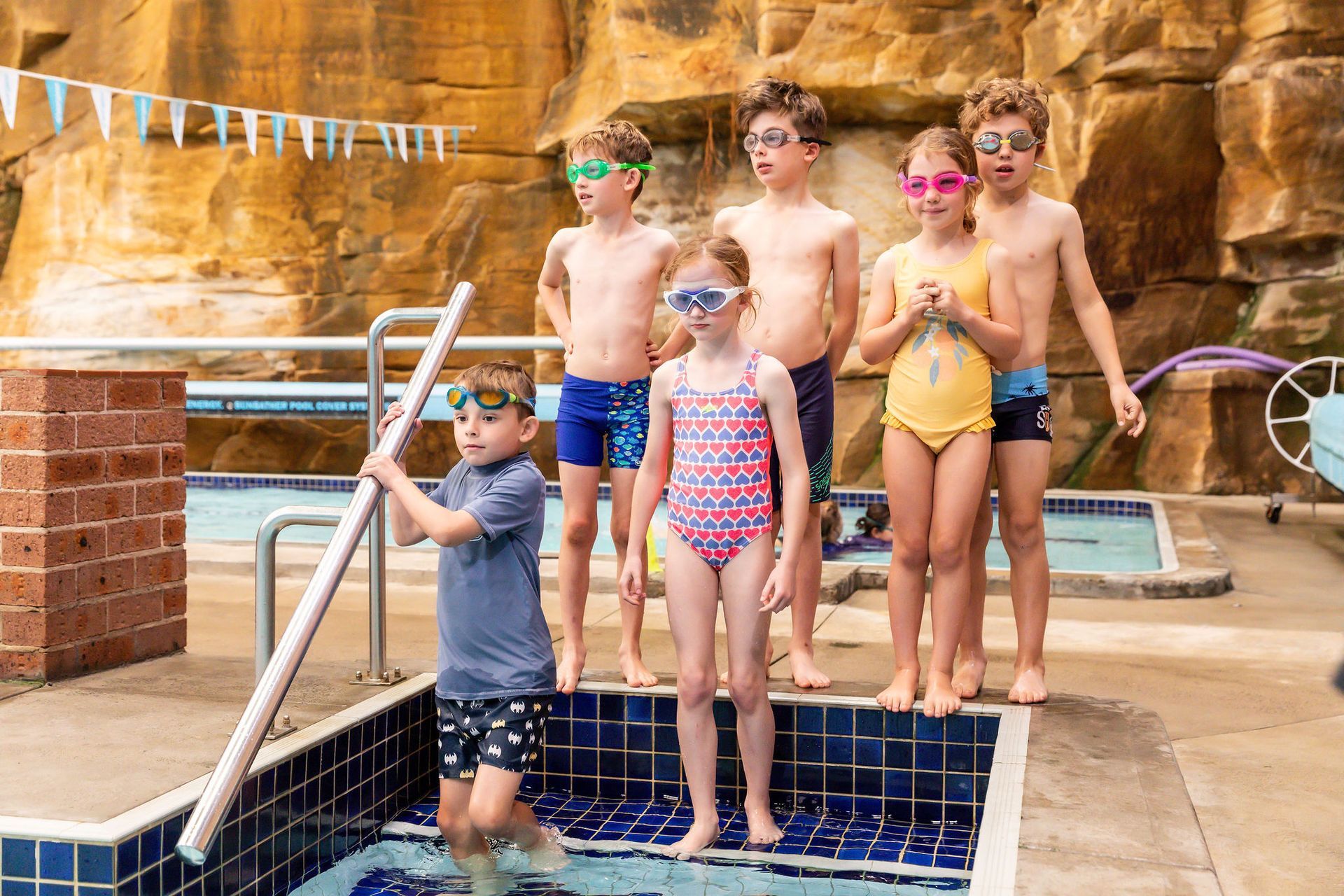
With low student-to-teacher ratios, real-time Parent Portal progress tracking, and dedicated staff, families across the Inner West trust the facility for high-quality swim education. Each lesson is engineered to turn water hesitation into lasting self-assurance.
Conclusion
Summary
Enrolling in structured swimming lessons in Col Jones provides children with the emotional self-assurance, physical safety skills, and technical foundation needed to enjoy the water safely. By moving step-by-step from water acclimation and buoyancy balance to unassisted propulsion, young bathers overcome fear in a controlled, supportive environment.
Patient instructors, strategic flotation tools, and predictable weekly routines accelerate learning while building resilience. Established providers like Col Jones Swim Tempe deliver purpose-built heated facilities, small class sizes, and decades of expertise to help every swimmer develop lifelong water confidence.
Ready to Help Your Child Feel More Confident in the Water?
Explore swimming lessons designed to build water confidence, emotional comfort, and long-term swimming skills at Col Jones Swim Tempe.
Help your child overcome water anxiety and build real self-assurance in the pool. If you are ready to tour our indoor heated facility, arrange a 10-minute skill assessment, or secure a class spot for upcoming terms, contact our team today to speak with our friendly aquatic enrollment specialists.
Book a swimming assessment or discover our learn-to-swim programs today!
Frequently Asked Questions
What does self-assurance in the pool mean?
Self-assurance in the pool refers to feeling calm, comfortable, and confident while participating in swimming activities and learning new skills.
How do swimming lessons improve confidence?
Swimming lessons improve confidence through repetition, gradual progression, supportive instruction, and positive learning experiences.
Can swimming lessons help children overcome fear of water?
Yes. Structured swimming lessons help children gradually become more comfortable through guided practice, encouragement, and familiar routines.
Why is consistency important for swimming confidence?
Consistent lessons help swimmers maintain familiarity with techniques, instructors, and routines, which often supports stronger confidence development over time.