Floatation Aids for Beginner Swimmers: Benefits, Safety, and Best Uses
.
Key Takeaways
- Targeted Buoyancy: Using floatation aids for beginner swimmers provides physical support, allowing learners to focus on single muscle groups and breath mechanics.
- Anxiety Reduction: Temporary buoyancy tools reduce fear, encouraging hesitant swimmers to relax their muscles and engage fully with every lesson.
- Movement Isolation: Kickboards, noodles, and swim belts simplify complex stroke coordination by isolating leg propulsion, hip positioning, and core stability.
- Controlled Progression: Professional instructors gradually phase out equipment to ensure students build genuine core strength and prevent permanent device dependency.
- Expert Instruction: Trusted schools like Col Jones Swim Tempe use floatation tools within a structured curriculum to guide bathers toward unassisted water safety.
Introduction
Col Jones Swim Tempe uses floatation aids for beginner swimmers like kickboards, swim belts, and noodles as temporary teaching tools to build water confidence and refine stroke mechanics. By providing targeted buoyancy, these aids allow beginner swimmers to isolate leg kicks, practice breath control, and maintain horizontal body positioning without fear, accelerating their transition toward independent, unassisted swimming.
Learning to swim requires managing multiple physical movements simultaneously, including rhythmic breathing, kicking from the hips, and maintaining horizontal posture. For a hesitant novice, trying to coordinate these complex actions while battling a fear of sinking can feel overwhelming. Integrating specialized equipment breaks down these physical demands into manageable learning steps.
When used under accredited supervision, buoyancy devices act as supportive bridges rather than permanent crutches. Facilities like Col Jones Swim Tempe pair heated pool environments with expert instructional methods, ensuring that floatation aids for beginner swimmers serve their true purpose: fostering total water independence, athletic strength, and lifelong safety skills.
What Are Floatation Aids and How Are They Used?
Floatation aids are specialized swimming devices designed to offer temporary buoyancy during lessons. By supporting a swimmer's weight, these tools allow learners to focus on isolated physical mechanics without the stress of sinking.
Common devices include:
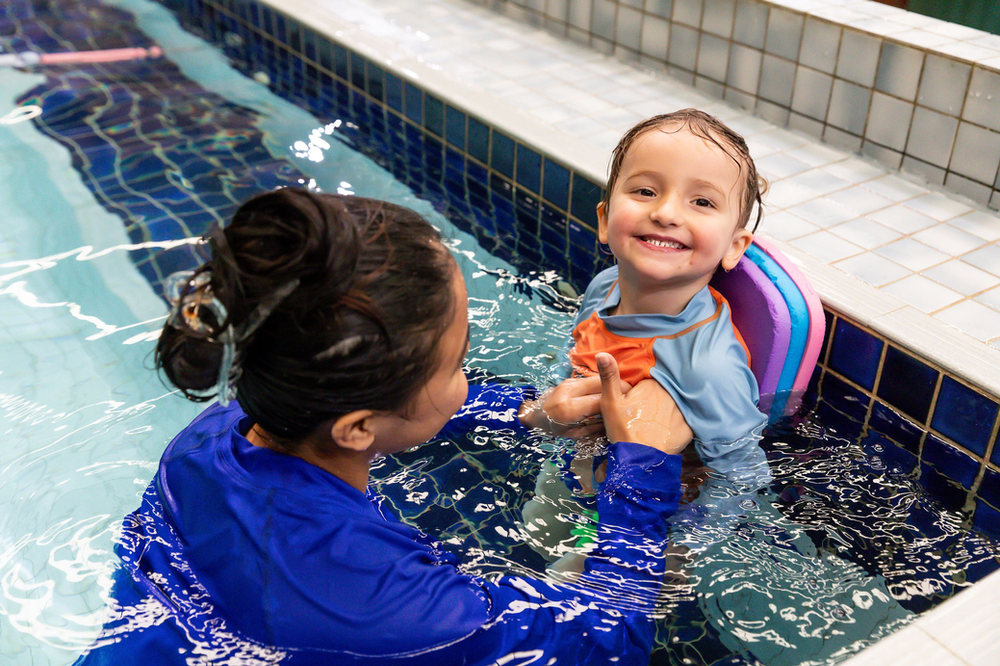
- Armbands: Provide upper-body support for very young beginners adjusting to deep water and pool environments.
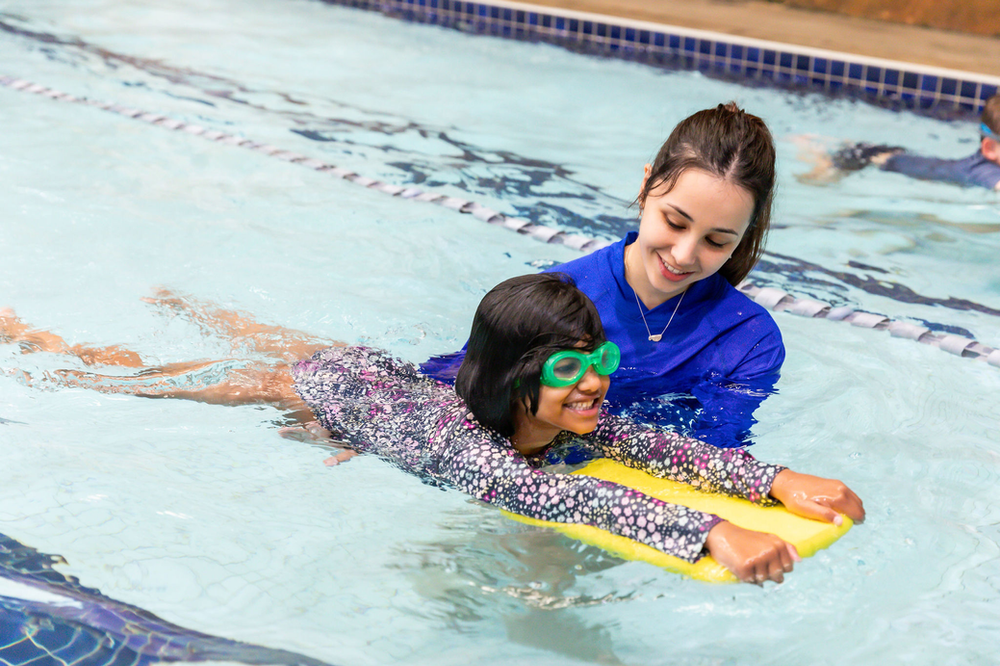
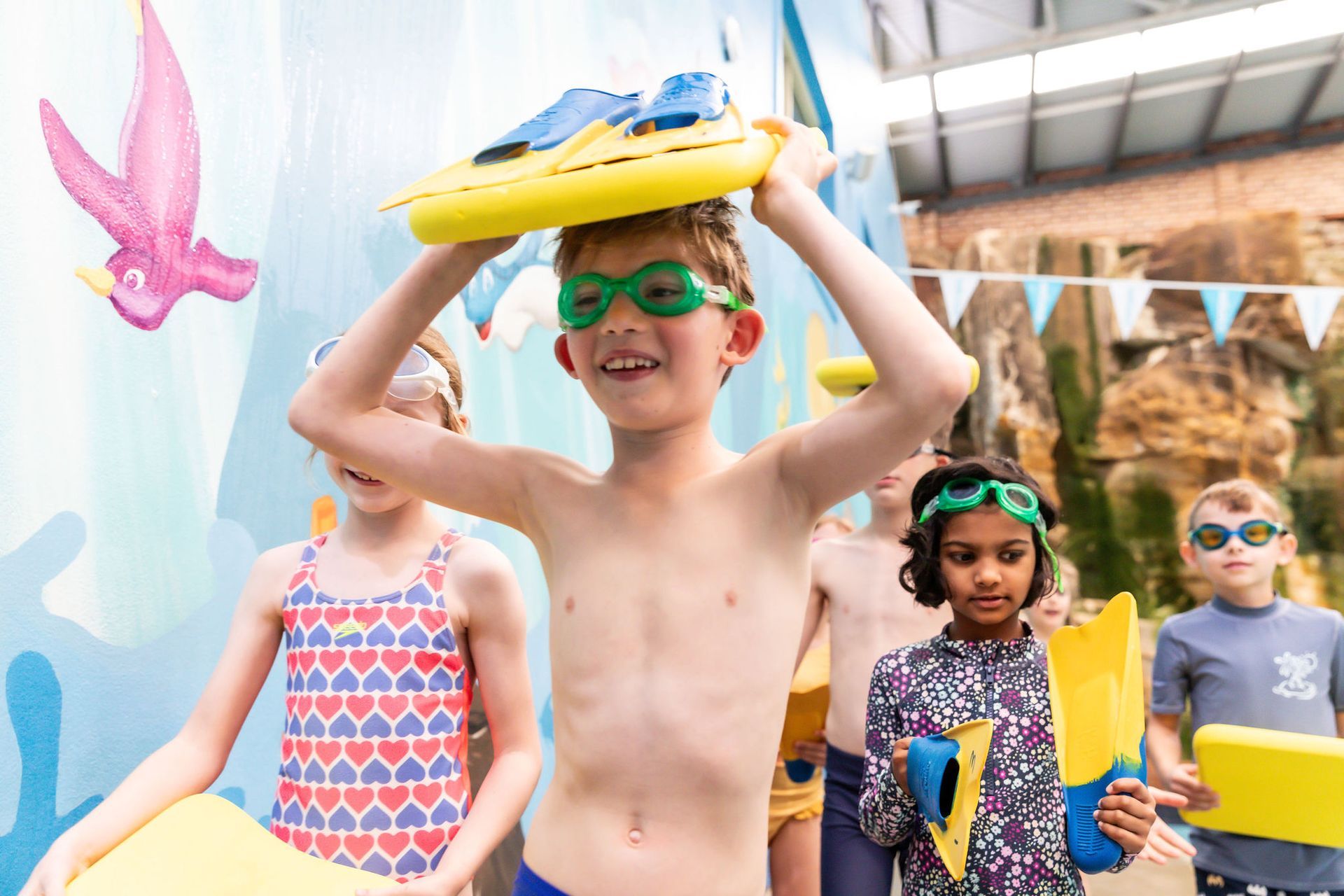
- Kickboards: Isolate the lower body so swimmers can focus entirely on kicking technique, foot positioning, and leg stamina.
- Pool Noodles: Flexible foam tubes used to support torso balance, lateral body stability, and horizontal floating drills.
- Swim Belts: Fastened securely around the waist to keep the hips elevated, promoting a natural horizontal swimming posture.
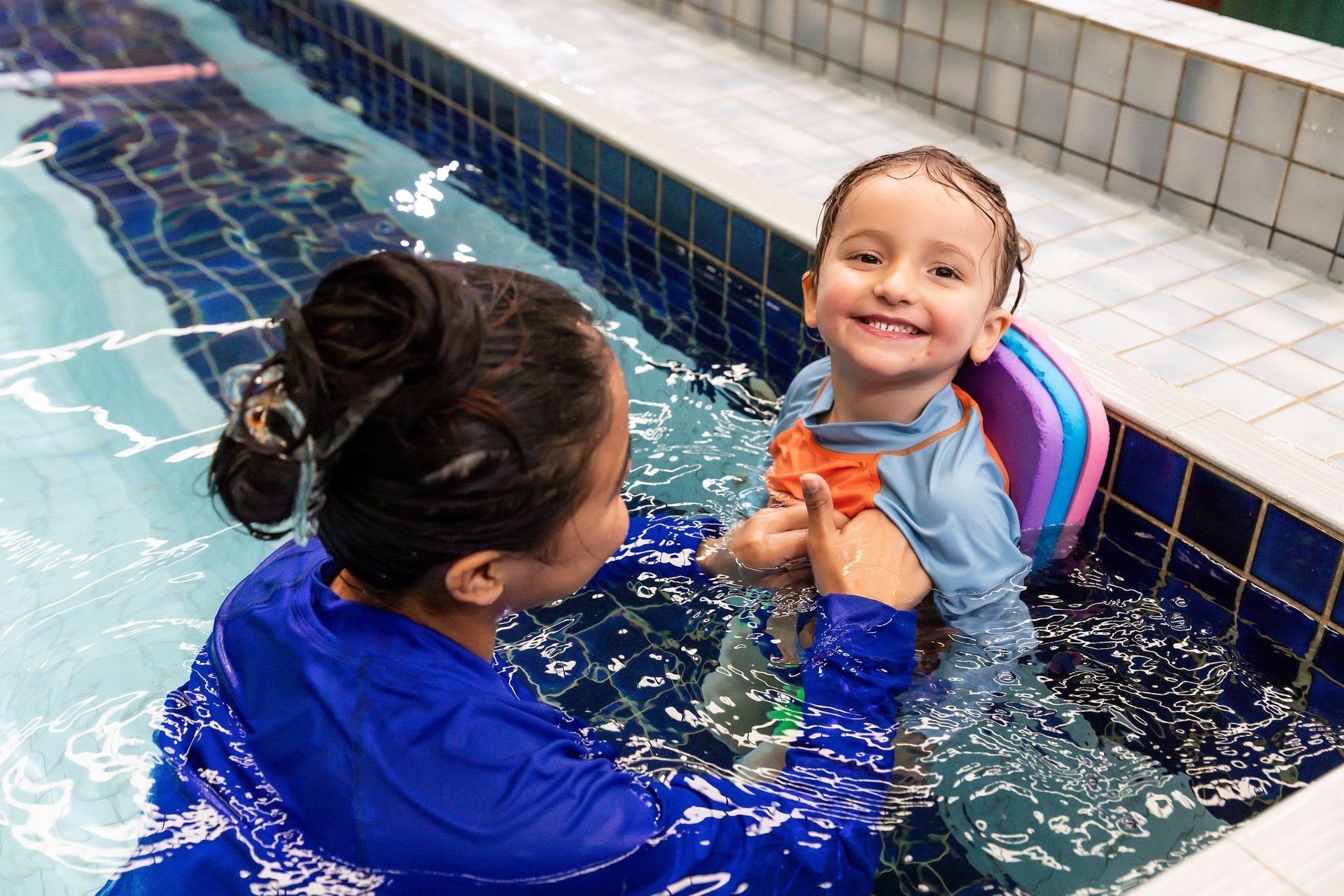
Each tool serves a distinct pedagogical function based on the student's current skill level. For instance, a nervous child may begin with a supportive swim belt to experience natural horizontal balance without tensing up their shoulders.
As the swimmer gains familiarity, instructors swap multi-buoyancy tools for equipment that requires greater personal effort, such as kickboards. This intentional rotation keeps the swimmer challenged while maintaining an optimal emotional balance on the pool deck.
How Do Floatation Aids Accelerate Water Confidence?
Nervousness in the water often stems from a fear of sinking or losing physical control. Floatation devices create an immediate sense of security that allows beginners to relax their muscles and engage fully with the lesson.
Core ways buoyancy equipment enhances emotional assurance:
- Reduces Aquatic Anxiety: Gives hesitant swimmers the confidence to submerge their shoulders, put their faces in the water, and practice moving.
- Encourages Skill Mastery: By removing the physical struggle to stay afloat, learners can master rhythmic breathing and kicking mechanics much faster.
- Promotes Active Participation: Confident children explore water movement with greater enthusiasm, accelerating muscle memory and skill retention.
Tension is the primary enemy of efficient swimming. When a child panics, their body naturally stiffens, causing their legs to drop vertically into a high-drag position. Equipment counteracts this panic response by holding the body near the surface, allowing the student to feel how easy streamlined movement can be.
This positive reinforcement transforms the learning atmosphere. Instead of fighting the water, bathers experience the joyful sensations of gliding and kicking, building self-esteem that speeds up their progression through program levels.
How Does Isolating Movements Build Proper Technique?
Trying to coordinate arm strokes, leg kicks, and breathing simultaneously can overwhelm a beginner. Floatation aids simplify the learning process by breaking swimming down into manageable components.
Key technical isolation strategies:
- Lower Body Isolation: Holding a kickboard isolates the legs, forcing the swimmer to generate propulsion strictly through proper flutter kicking from the hips rather than bending the knees.
- Posture Maintenance: Swim belts elevate the lower back and hips, training the swimmer to recognize and hold a streamlined horizontal position naturally.
- Core Balance: Placing pool noodles under the arms or torso teaches lateral stability while practicing rolling side-to-side for rhythmic breaths.
| Device Type | Primary Mechanical Focus | Developmental Safety Benefit |
|---|---|---|
| Kickboard | Lower body kick propulsion & ankle flexibility | Develops strong leg drive required for self-rescue floating |
| Swim Belt | Hip elevation & horizontal body alignment | Prevents vertical drag postures that cause fatigue and sinking |
| Pool Noodle | Upper torso support & lateral balance | Builds side-breathing confidence without head lifting |
| Back Float | Core buoyancy support for beginners | Allows hands-free arm rotation practice in shallow water |
By isolating one movement pattern at a time, instructors ensure that each mechanic is performed correctly before combining them into full stroke patterns. A student who has mastered flutter kicking on a board learns freestyle much faster than one who attempts arms and legs together from day one.
Focusing on isolated drills also prevents bad physical habits from taking root. Muscle memory developed through precise equipment drills carries over directly into unassisted swimming, resulting in cleaner, more efficient stroke technique.
When Should Swimmers Transition Away From Devices?
Floatation aids are temporary stepping stones rather than permanent crutches. Instructors carefully monitor student progress to reduce buoyancy support as natural strength and balance develop.
Signs a swimmer is ready for unassisted swimming include:
- Calm Body Control: Maintaining a relaxed, horizontal posture in deep water without tightly gripping equipment.
- Effective Propulsion: Demonstrating consistent forward movement through strong, controlled kicking from the hips.
- Independent Buoyancy: Executing independent front and back floats with proper breath control and easy recovery to a standing position.
- Unassisted Distances: Covering short pool distances confidently under direct instructor supervision.
Transitioning away from equipment is handled gradually to protect the child's self-esteem. Instructors might decrease the number of floatation blocks on a swim belt over several weeks or ask the swimmer to perform half a lap with a kickboard and finish the lap unassisted.
This phased removal proves to young bathers that their success is driven by their own physical strength rather than the device. Once students realize they can float and propel themselves unassisted, their genuine water independence is unlocked.
Why Choose Col Jones Swim Tempe for Development?
At Col Jones Swim Tempe, floatation aids are integrated into a progressive curriculum designed to foster true water independence. By combining certified instructors, heated indoor pools, and targeted teaching tools, swimmers build technical strength and genuine confidence that lasts a lifetime.
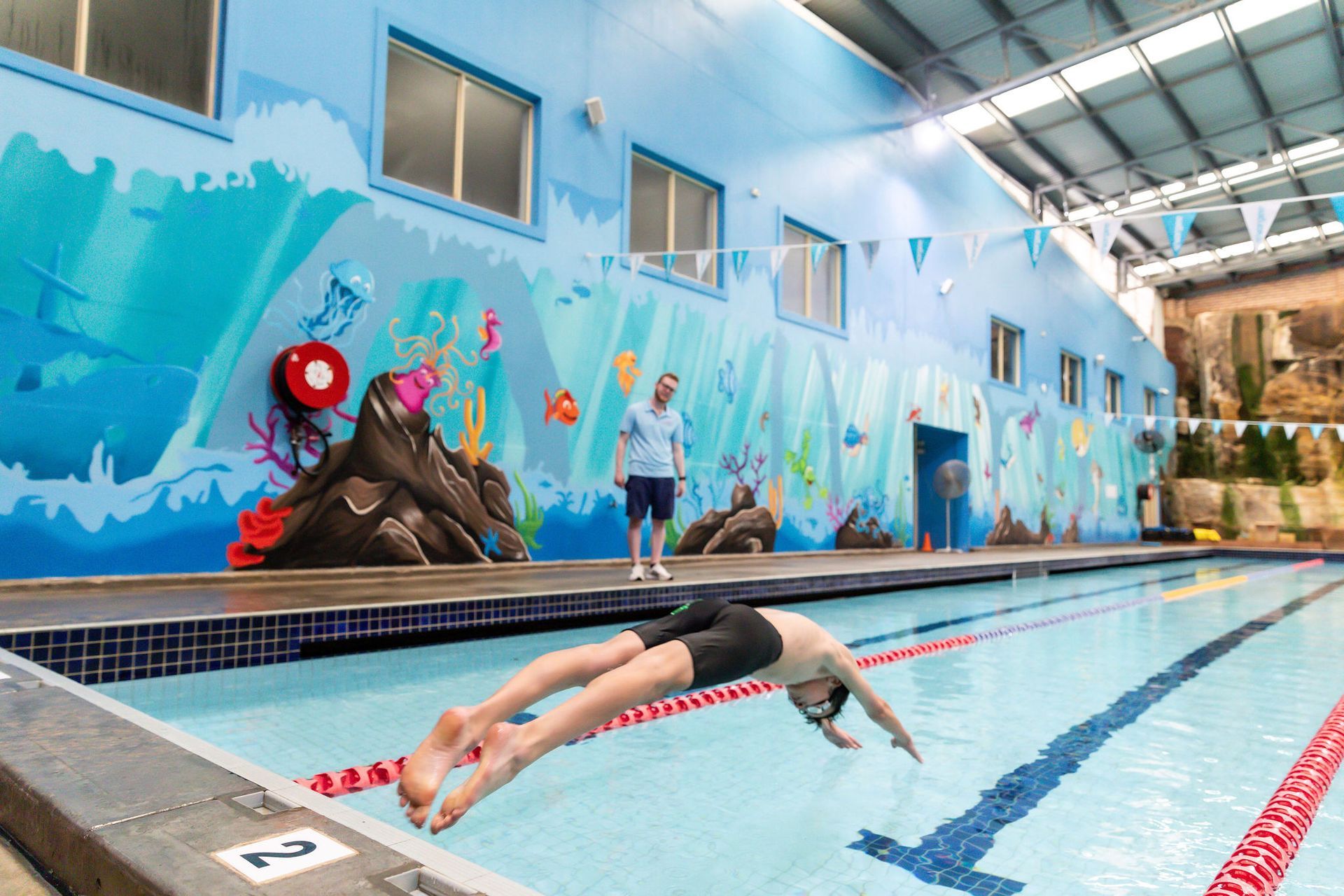
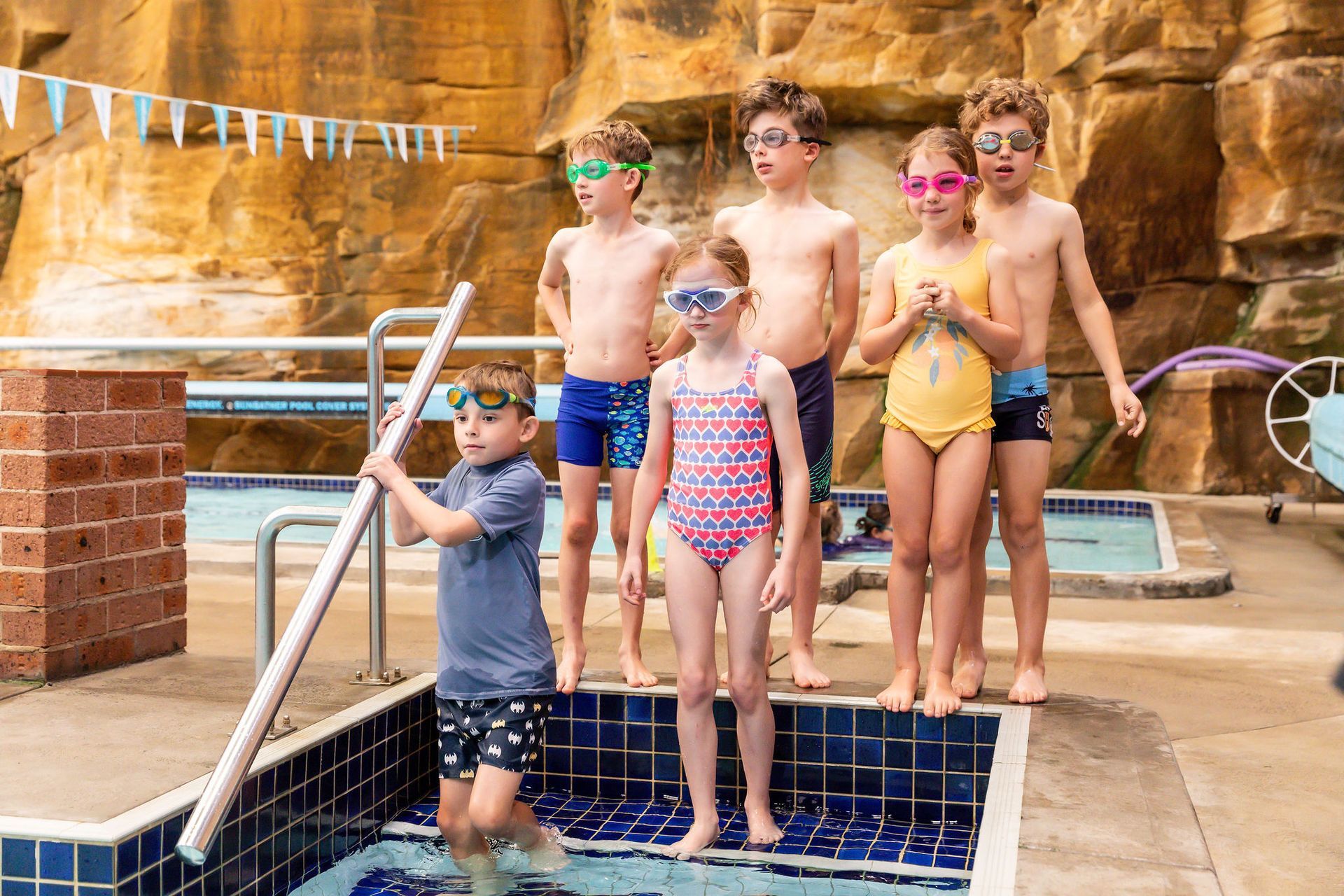
Operating continuously since 1973, the facility features three dedicated heated pools tailored to specific learning stages. Beginners start in warm, shallow water where equipment is used under strict, low student-to-teacher ratios to ensure safety and individual feedback.
Parents receive real-time updates on their child's transition toward unassisted swimming via an online Parent Portal. With decades of community trust, the center provides the ultimate environment for turning beginner bathers into safe, self-reliant swimmers.
Conclusion
Summary
Strategically utilizing floatation aids for beginner swimmers accelerates water confidence, reduces anxiety, and breaks complex stroke mechanics down into achievable physical steps. Equipment such as kickboards, swim belts, and noodles isolates leg propulsion, hip positioning, and lateral balance while preserving natural horizontal alignment. To build true aquatic safety, professional instructors systematically reduce reliance on buoyancy tools as core strength and self-rescue skills mature.
Established centers like Col Jones Swim Tempe combine warm heated pools, small class sizes, and 50+ years of expertise to guide students safely from initial equipment support to total unassisted swimming mastery.
Book a Strategy or Discovery Call
Help your child build true water independence with expert instruction and proven teaching tools. If you are ready to tour our multi-pool indoor facility, arrange a 10-minute skill assessment, or enroll in upcoming term classes, contact our team today to speak with our friendly aquatic enrollment specialists.
Frequently Asked Questions
Are floatation aids safe for beginner swimmers?
Yes, when used under the direct supervision of certified instructors in structured swim lessons, floatation aids are highly effective tools for building water safety, balance, and stroke technique.
Do floatation aids create bad swimming habits?
Not when used correctly by professional teachers. Equipment is used temporarily to isolate specific mechanics (like kicking or breathing) and is systematically phased out as the child's natural strength improves.
What is the difference between a kickboard and a swim belt?
A kickboard is held in front to isolate lower body kicking mechanics, while a swim belt is worn around the waist to elevate the hips and support overall horizontal posture.
How warm are the pools at Col Jones Swim Tempe?
All three indoor pools at Col Jones Swim Tempe are enclosed and heated year-round to ideal temperatures (up to 32°C for beginners), ensuring bathers remain relaxed and comfortable during equipment drills.
At what age can children start using swim aids in lessons?
Infants and toddlers use gentle buoyancy tools alongside parents in acclimation classes, while independent beginners typically begin structured equipment drills around two to three years of age.