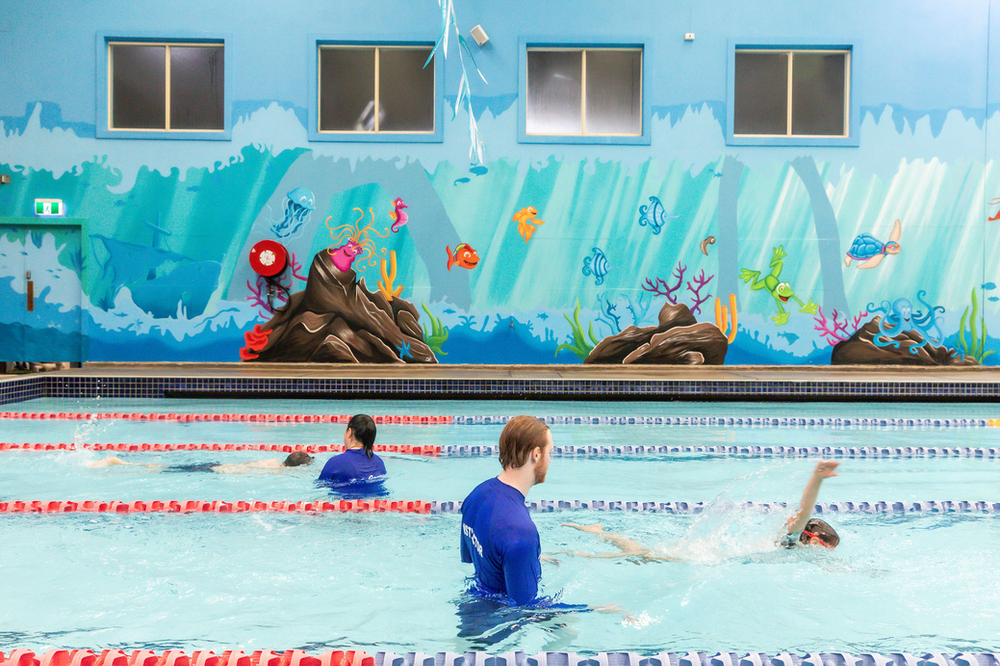
Achieving Independent Swimming Skills: Moving Beyond Floatation Aids
How Do Swimmers Master Natural Buoyancy and Core Balance Without Support?
Transitioning to independent swimming beyond floatation aids requires developing natural buoyancy, core balance, and proper breath control through structured, step-by-step instruction. Phasing out aids allows learners to build genuine aquatic awareness, improve stroke propulsion, and gain real self-reliance in the pool, ensuring long-term water safety, confidence, and proper swimming mechanics.
Independent swimming skills develop gradually as swimmers build confidence, improve technique, and reduce reliance on floatation aids through structured practice and consistent lessons. Floatation aids help beginner swimmers feel supported in the early stages of learning, but long-term swimming development requires swimmers to progressively build balance, body positioning, endurance, and confidence without assistance. At Col Jones Swim Tempe, swimmers are guided through a step-by-step progression designed to help them transition from supported swimming toward safe and confident independent swimming abilities.
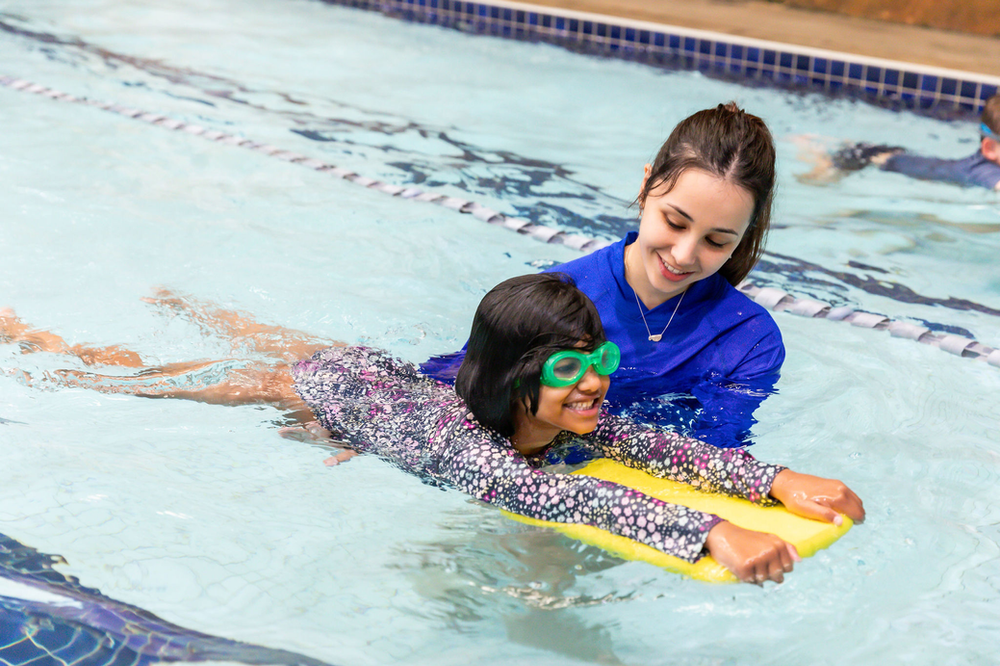
The road to becoming an independent swimmer often starts with the use of floatation aids, providing beginners with the support and security needed to build confidence in the water. At Col Jones Swim Tempe, a community institution serving the Inner West Sydney area, the expert instructors understand the importance of gradually transitioning from the use of floatation aids to developing essential solo skills and independent swimming ability.
Key Takeaways
- Floatation aids help beginner swimmers build early confidence and technique.
- Independent swimming develops through gradual progression and consistent practice.
- Swimmers improve by developing balance, body positioning, endurance, and breathing control.
- Supportive instructors help swimmers transition away from floatation aids safely.
- Confidence grows through repetition, structured learning, and small achievements.
Why Floatation Aids Are Only the Beginning
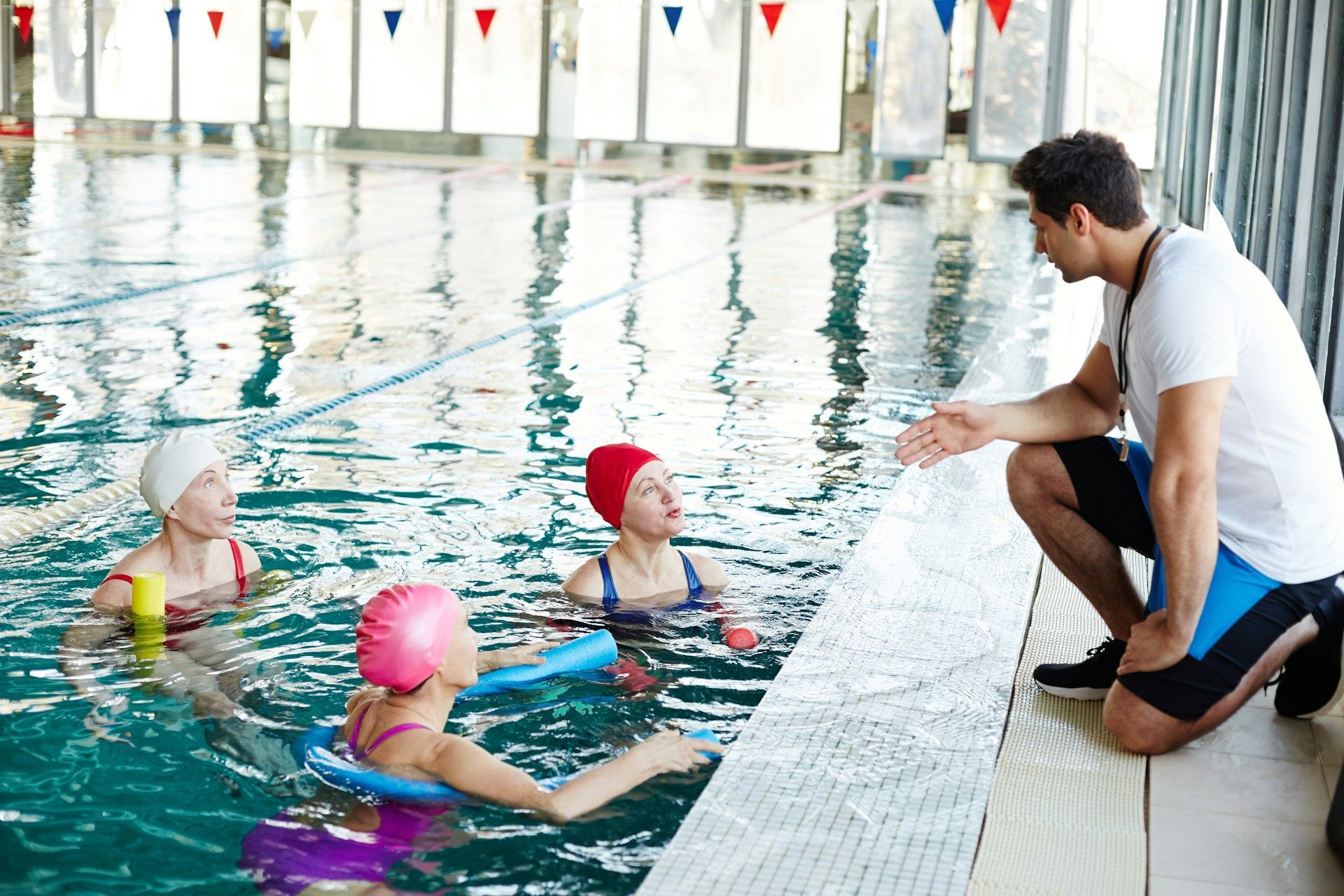
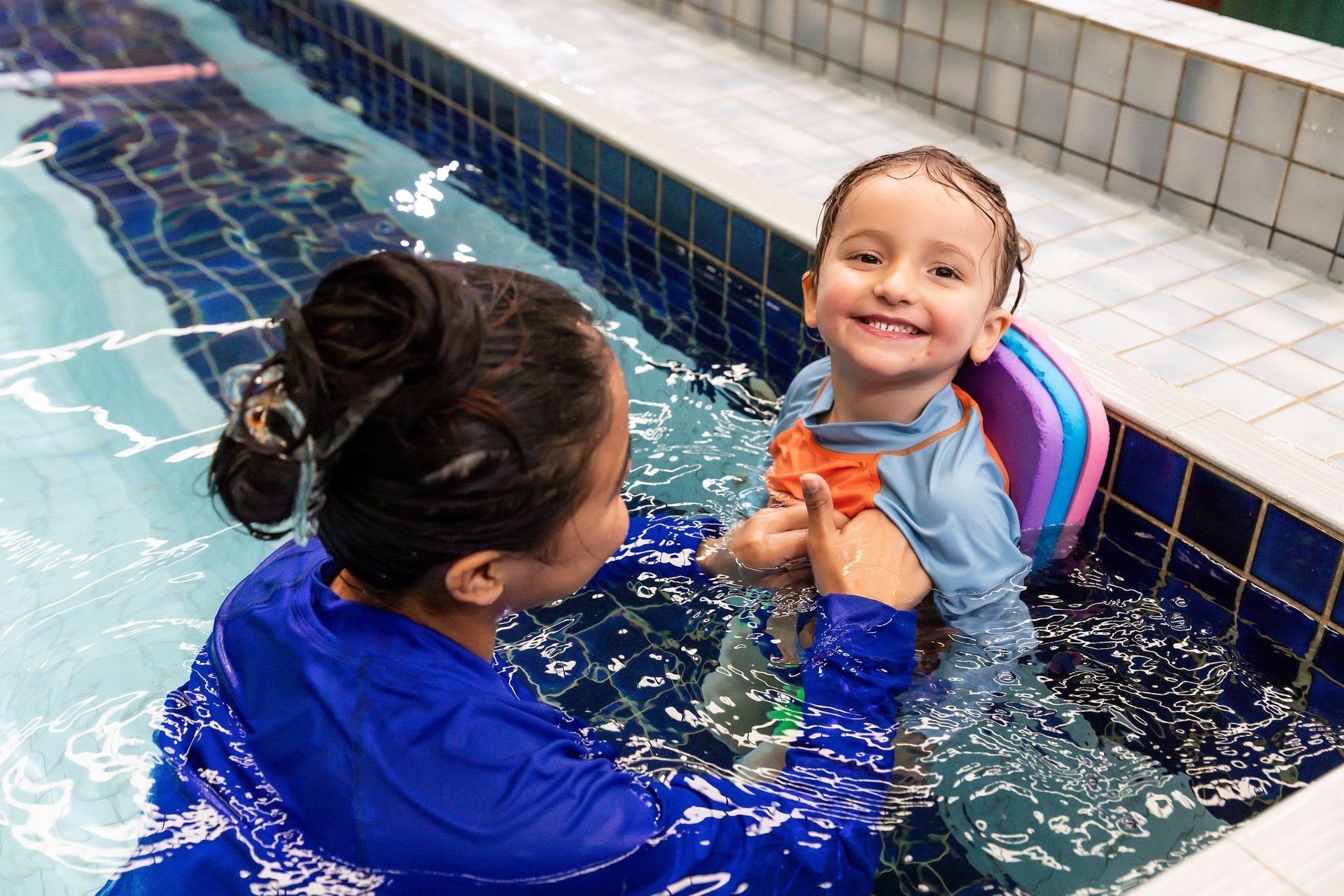
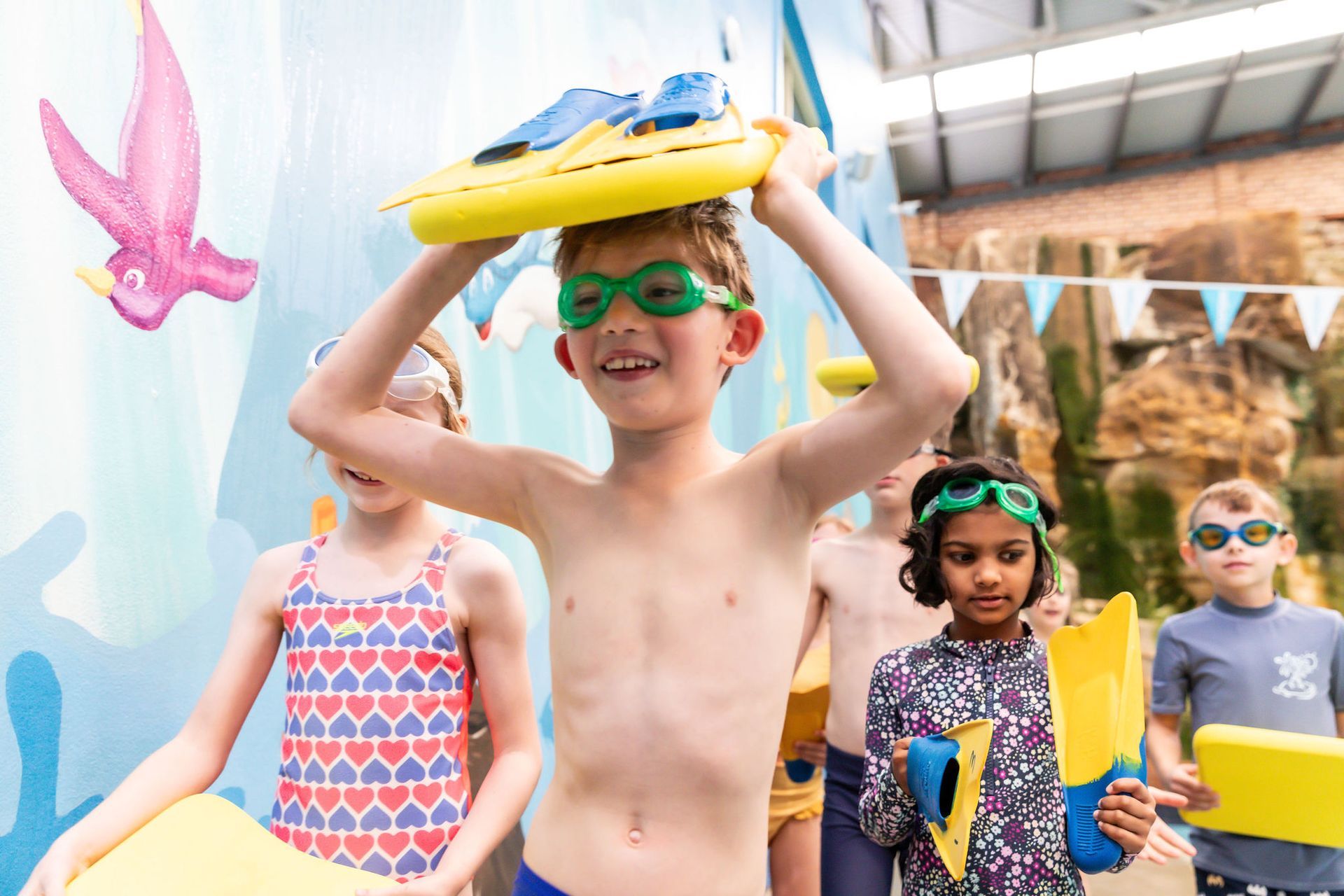
Floatation aids play an important role in helping beginner swimmers feel safe and supported in the water. Devices such as kickboards, swim belts, noodles, and armbands help swimmers focus on foundational skills while building confidence.
However, floatation aids are designed to be temporary learning tools rather than permanent support devices.
As swimmers become more comfortable in the water, lessons gradually shift toward:
- independent floating
- body positioning
- controlled kicking
- breathing coordination
- unsupported movement
This progression helps swimmers build genuine swimming ability and water confidence over time.
The Transition From Supported to Independent Swimming
Building Water Confidence First
Many beginner swimmers rely heavily on floatation aids because they feel safer and more stable. Before swimmers can move toward independence, they need to feel relaxed and comfortable in the water.
Confidence-building activities often include:
- floating practice
- water familiarisation
- kicking drills
- breathing exercises
- supported movement
At Col Jones Swim Tempe, instructors help swimmers gradually become more comfortable by introducing skills step by step in a supportive learning environment.
Gradually Reducing Reliance on Floatation Aids
One of the most important parts of swimming progression is reducing dependence on support devices gradually rather than suddenly.
Instructors may:
- reduce the amount of flotation support
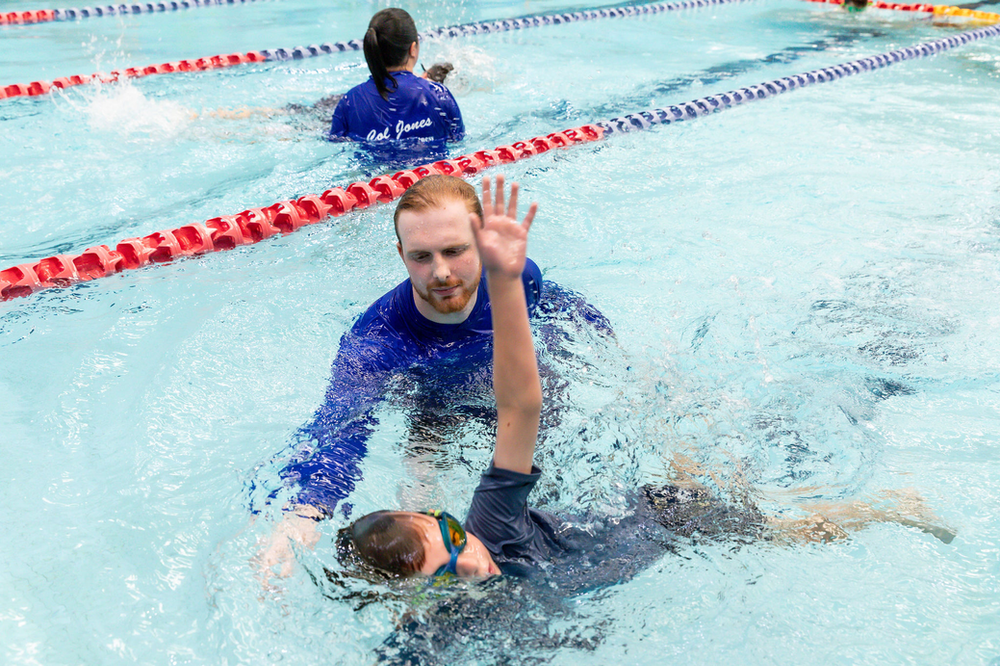
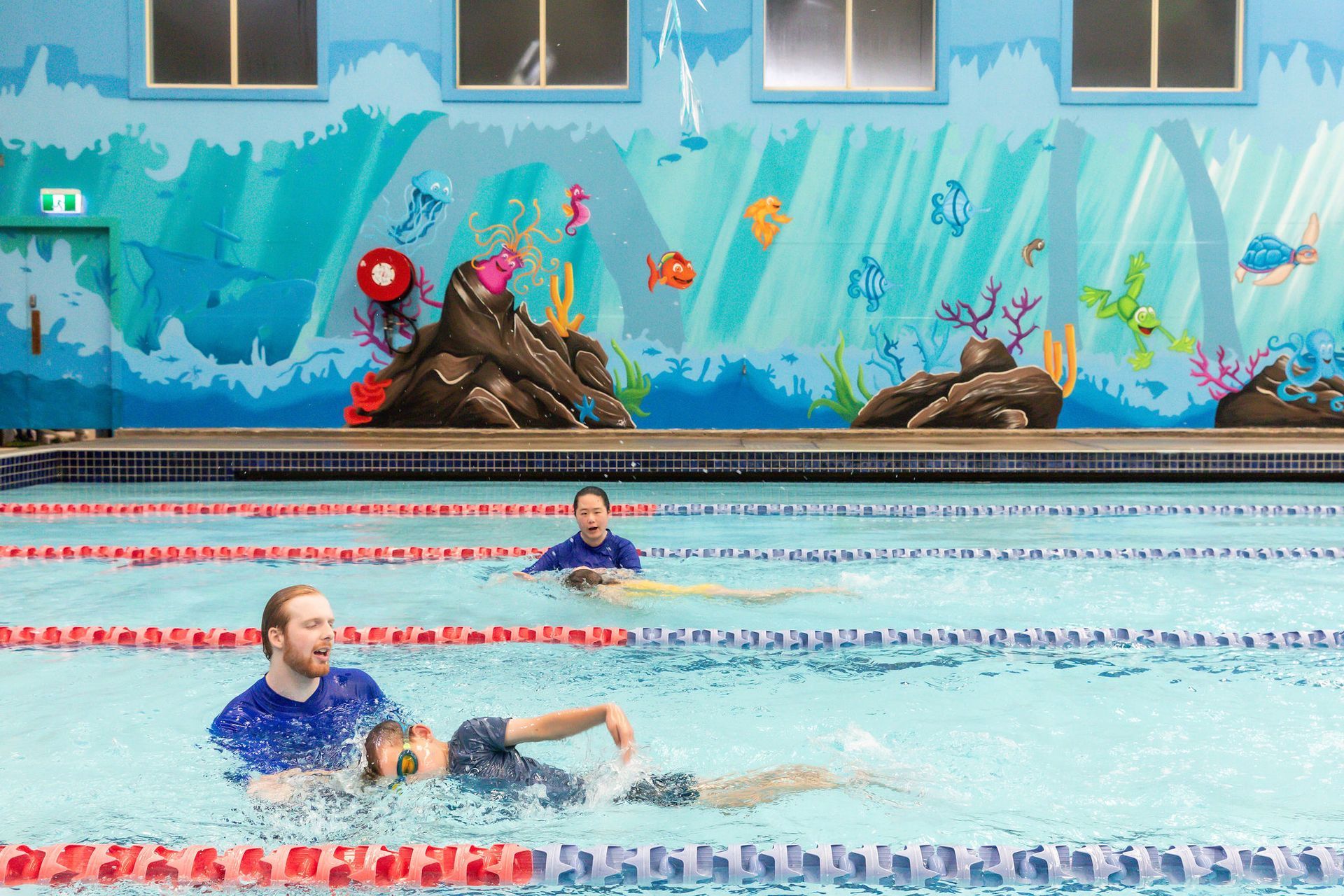
- encourage short independent movements
- introduce unsupported kicking
- practise floating without assistance
- build confidence through repetition
This gradual approach helps swimmers develop trust in their own abilities while reducing fear and anxiety.
Many swimmers become noticeably more confident after repeatedly practicing small independent movements during lessons.
Developing Proper Body Positioning
Strong body positioning is essential for independent swimming.
Floatation aids can initially help swimmers understand how to maintain a horizontal position in the water. Over time, swimmers learn to:
- balance independently
- streamline their body
- reduce drag
- maintain buoyancy naturally
Developing efficient body positioning helps swimmers move through the water with greater control and less effort.
Building Endurance and Swimming Strength
Independent swimming also requires physical endurance and muscle coordination.
As swimmers progress, instructors often incorporate:
- repetitive kicking drills
- short swimming distances
- controlled breathing exercises
- stroke repetition
- longer practice intervals
These activities help swimmers develop:
- stamina
- muscle memory
- coordination
- confidence in movement
Regular swimming practice plays a major role in helping swimmers feel capable without relying on floatation support.
Essential Skills for Independent Swimming
| Skill | Why It Matters |
|---|---|
| Floating independently | Builds confidence and water safety |
| Controlled breathing | Supports relaxation and stroke development |
| Body positioning | Improves balance and movement efficiency |
| Kicking technique | Helps generate propulsion |
| Stroke coordination | Develops controlled independent swimming |
| Water confidence | Reduces fear and hesitation |
Why Gradual Progression Is Important
Swimming progression should happen at a pace that matches the swimmer’s confidence and ability level.
Moving too quickly can:
- increase anxiety
- reduce confidence
- create frustration
- negatively impact technique
Structured swim programs help swimmers progress through clearly defined stages while reinforcing previously learned skills.
At Col Jones Swim Tempe, progression is skill-based, helping swimmers develop confidence and consistency before advancing to more challenging techniques.
The Role of Supportive Swimming Instructors
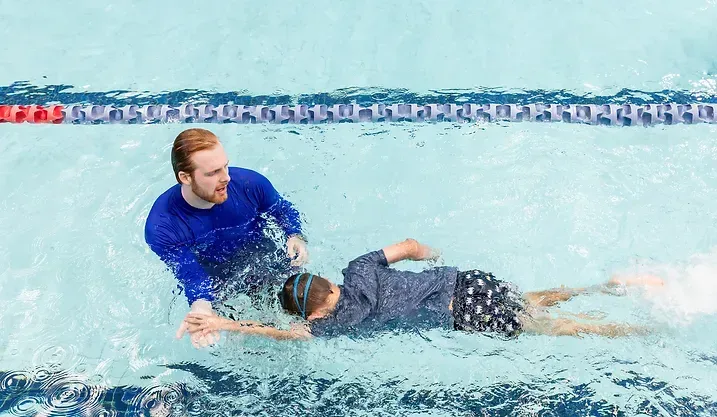
Supportive instructors are essential during the transition toward independent swimming.
Experienced instructors help swimmers by:
- providing reassurance
- adapting lessons to confidence levels
- encouraging gradual independence
- celebrating progress
- reinforcing proper technique
Positive reinforcement helps swimmers remain motivated while developing confidence in their own abilities.
How Col Jones Swim Tempe Supports Swimming Progression
At Col Jones Swim Tempe, swimmers progress through structured levels designed to support confidence, technique, and independent swimming development. Programs focus on:
- water confidence
- skill progression
- gradual independence
- swimming safety
- long-term technique development
The swim school’s progressive learning model helps swimmers build skills step by step while developing comfort and confidence in the water.
Signs a Swimmer Is Ready for More Independence
Swimmers may be ready to reduce floatation support when they can:
- float more comfortably
- kick independently
- move short distances confidently
- maintain better body position
- follow instructor guidance consistently
Every swimmer progresses differently, and confidence often develops gradually through regular lessons and practice.
Instructor Expertise
Written by the Col Jones Swim Team with experience helping beginner swimmers transition from floatation support toward independent swimming, water confidence, and long-term skill development.
Final Thoughts
Independent swimming is achieved through gradual progression, supportive instruction, and consistent practice. While floatation aids provide valuable early support, swimmers develop true confidence by learning to move independently, improve technique, and trust their own abilities in the water.
At Col Jones Swim Tempe, structured swimming lessons help swimmers progress step by step toward stronger, safer, and more confident
independent swimming skills.
Ready to Build Independent Swimming Skills?
Explore swimming lessons designed to help swimmers progress from floatation support toward confident, independent swimming at Col Jones Swim Tempe.
Book a swimming assessment or discover our learn-to-swim programs today.
Frequently Asked Questions
How long does it take to swim independently?
Every swimmer progresses at a different pace. Consistent lessons, regular practice, and gradual progression help swimmers develop independent swimming skills over time.
Are floatation aids bad for learning to swim?
No. Floatation aids are helpful teaching tools when used properly. They support confidence and technique development during the early stages of swimming.
When should swimmers stop using floatation aids?
Swimmers gradually reduce floatation support as they improve confidence, body positioning, balance, and independent movement skills.
Why is confidence important in swimming development?
Confidence helps swimmers relax, practise skills more effectively, and feel more comfortable attempting independent movement in the water.