Developmental Benefits of Early Swimming for Infants
Key Takeaways
- Brain & Cognitive Stimulation: Engaging in early swimming for infants encourages cross-lateral movement patterns that build neural pathways, improving spatial awareness and memory retention.
- Low-Impact Muscle Conditioning: The buoyancy of water supports infant body weight, enabling full-body muscle strengthening, core stability, and early gross motor coordination without joint stress.
- Emotional Security & Bonding: Parent-assisted classes combine constant skin-to-skin physical contact with positive reinforcement, strengthening parental trust and emotional resilience in new environments.
- Lifelong Water Safety: Structured infant swim sessions introduce essential survival habits, including back floating balance, breath control cues, and safe pool edge holding drills.
- Warm Facility Comfort: Accredited swim facilities like Col Jones Swim Tempe offer year-round heated indoor pools, creating a comfortable space for infants to explore water movement.
Introduction
Early exposure to aquatic environments accelerates physical coordination, cognitive development, and emotional resilience in infants. Water provides continuous resistance without gravity-based pressure on joints, enabling babies to develop cross-lateral motor skills, spatial awareness, and muscle strength safely. Enrolling in early swimming for infants builds foundational aquatic familiarity and essential life safety habits at Col Jones Swim Tempe.
From their very first months, infants possess natural reflexes that make aquatic exploration a unique learning experience. In a warm indoor pool, babies can move their arms and legs simultaneously in ways that are physically impossible on dry land before they learn to crawl or walk.
This early freedom of movement stimulates both the body and brain in tandem. By introducing your infant to a gentle, structured swim program, you provide them with a sensory-rich environment that promotes physical health, cognitive growth, and emotional stability.
How Does Swimming Stimulate Infant Cognitive Development?
Moving through water requires complex, cross-lateral motor movements that stimulate brain growth and build neural connections. When an infant kicks their legs and reaches with opposing arms in a buoyant environment, both hemispheres of the brain communicate simultaneously across the corpus callosum.
Key cognitive developmental benefits include:
- Spatial Awareness and Perception: Navigating three-dimensional water resistance sharpens balance, body perception, and spatial reasoning as infants learn how their movements alter position.
- Cause-and-Effect Understanding: Babies quickly learn that physical movements, such as kicking legs or splashing hands, directly produce water displacement and sound feedback.
- Problem-Solving and Focus: Safe exposure to aquatic stimuli encourages mental focus, memory retention, and multi-sensory environmental processing during interactive games.
- Language Processing: Singing rhythmic pool songs paired with physical movements helps infants link verbal cues with corresponding physical actions and body parts.
The neurological stimulation provided by aquatic exploration is uniquely comprehensive. Because water surrounds the entire body with continuous tactile feedback, the sensory cortex receives constant input, accelerating overall brain maturation.
Furthermore, mastering early water movement fosters early cognitive confidence. As babies realize they can control their direction and balance in water, their curiosity and willingness to explore dry-land environments expand significantly.
What Are the Key Physical Health Benefits for Infants?
Water offers a unique environment where infants can exercise full-body muscles without heavy gravity forces. On land, a baby's movement is constrained by weight and developing bones, but water buoyancy allows total freedom of motion.
Primary physical wellness outcomes include:
- Gentle Muscle Conditioning: Water resistance strengthens core muscles, back alignment, joints, and limbs evenly without harsh physical impacts.
- Cardiovascular and Lung Health: Rhythmic kicking and buoyant floating encourage healthy blood circulation, deep breathing mechanics, and expanded lung capacity.
- Accelerated Motor Milestones: Enhanced muscle balance and coordination gained in the pool often help babies master sitting, crawling, and walking earlier on land.
- Improved Digestion and Sleep: Active physical engagement in warm water stimulates appetite and helps regulate healthy sleep patterns following swim sessions.
Building core trunk strength during infancy provides a foundation for all future posture and balance. The continuous, gentle resistance of water engages stabilizer muscles that rarely get activated during floor play.
Regular aquatic exercise also supports metabolic health. Moving through warm water increases circulation, supporting healthy organ function and building physical endurance as your infant grows.
How Do Baby Swim Classes Support Emotional and Social Growth?
Water familiarity built alongside a parent or instructor fosters confidence, emotional stability, and social trust. The interactive nature of baby swim classes turns physical exercise into a warm, shared emotional experience.
Emotional and social growth advantages include:
- Strengthened Parent-Child Bonding: Continuous physical contact, eye contact, and positive encouragement during lessons deepen emotional security and trust between parent and baby.
- Early Social Interaction: Group classes introduce infants to peers and other parents, encouraging healthy observation, sharing, and social engagement in a calm setting.
- Increased Independence and Confidence: Overcoming initial water hesitation in a safe setting builds self-esteem and emotional resilience when encountering unfamiliar places.
- Stress Reduction: Warm water immersion naturally lowers stress levels, soothing the nervous system and promoting emotional regulation for both baby and parent.
Skin-to-skin contact during parent-assisted swimming releases oxytocin, reinforcing a deep sense of safety for the infant. This secure foundation allows the baby to explore water without fear or anxiety.
Experiencing new sensory inputs together also builds mutual confidence. As parents learn how to hold and guide their baby safely in water, their own comfort levels increase, creating a positive feedback loop for the child.
What Essential Water Safety Skills Do Infants Learn?
Early aquatic programs introduce age-appropriate safety habits that form a lifelong foundation around pools and open water. While infants are never considered fully water-safe, early instruction establishes vital safety reflexes that can save lives.
Core safety habits taught in infant swim lessons:
- Floating Confidence: Teaching infants to remain calm on their backs keeps air passages clear and conserves physical energy if they ever enter water unexpectedly.
- Respect for the Water: Playful drills establish healthy boundaries, teaching infants to wait for a parent's permission and hold the pool wall rather than jumping in unassisted.
- Breath Control Conditioning: Structured verbal cues and games condition infants to close their mouths and hold their breath automatically when submerged.
- Submersion and Wall Recovery: Guided exercises teach babies to turn back toward the pool edge after entering the water, building spatial orientation and grip strength.
Image Suggestion: A structured chart illustrating how specific aquatic activities, such as back floating, song games, and edge holding, directly link to cognitive, physical, and emotional developmental milestones.
Establishing back floating as an automatic reflex is one of the most critical aspects of infant aquatic training. When a baby learns to turn onto their back and relax, they maintain open airways without panicking.
Conditioned breath control also removes the shock of accidental submersions. Through gentle, progressive practice, babies learn that water over the face is temporary and manageable, keeping them calm in aquatic environments.
How Col Jones Swim Tempe Supports Early Infant Learning
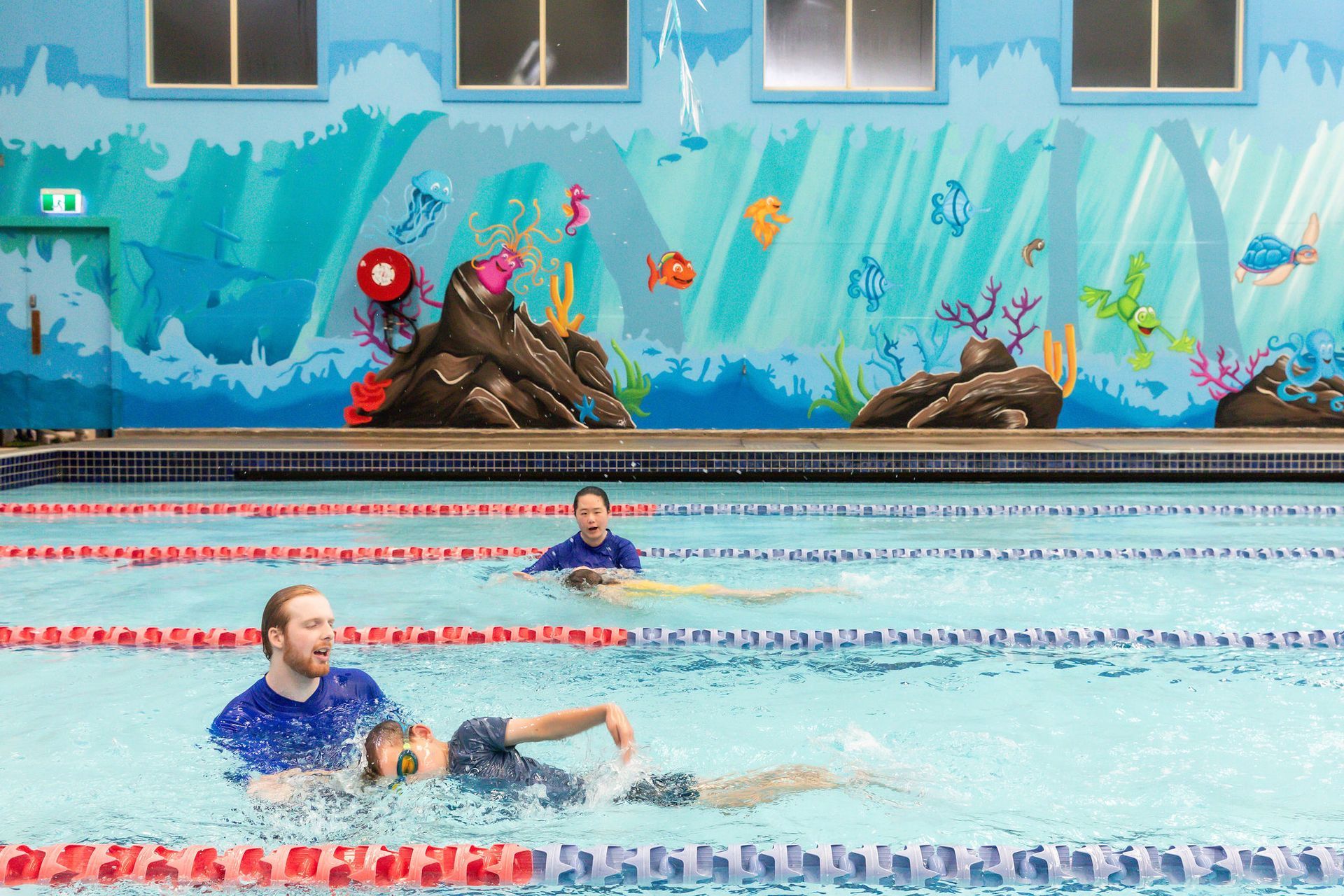
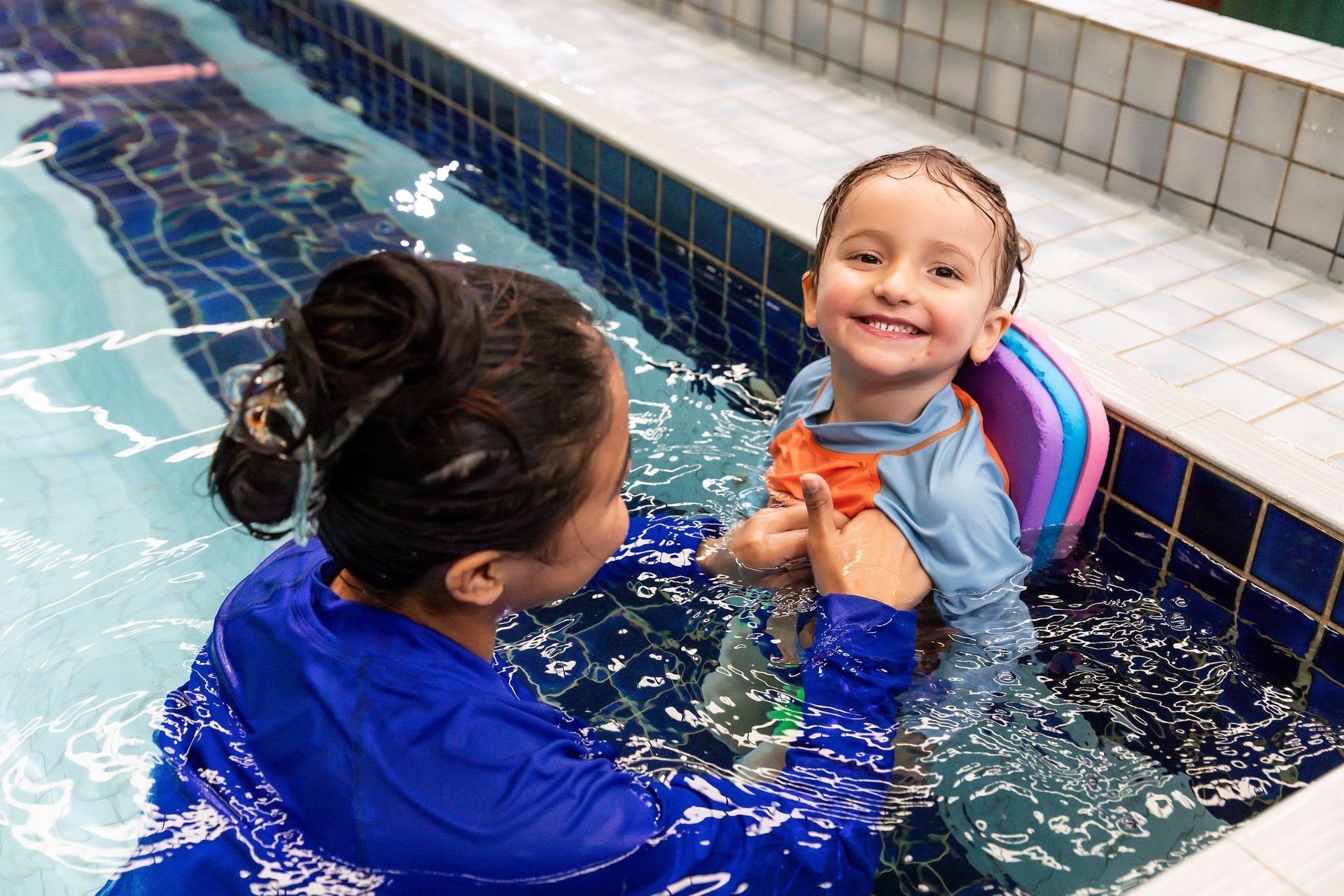
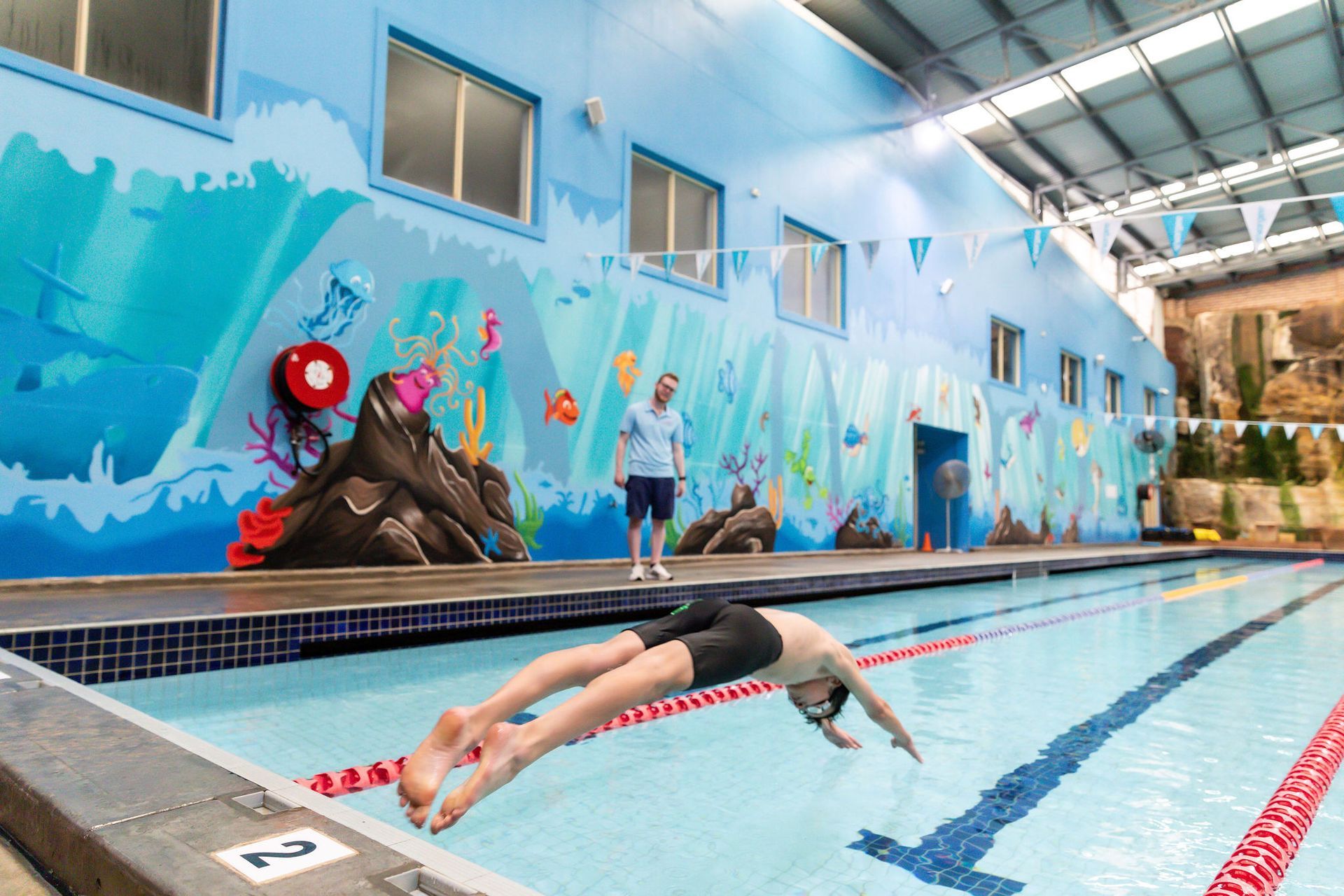
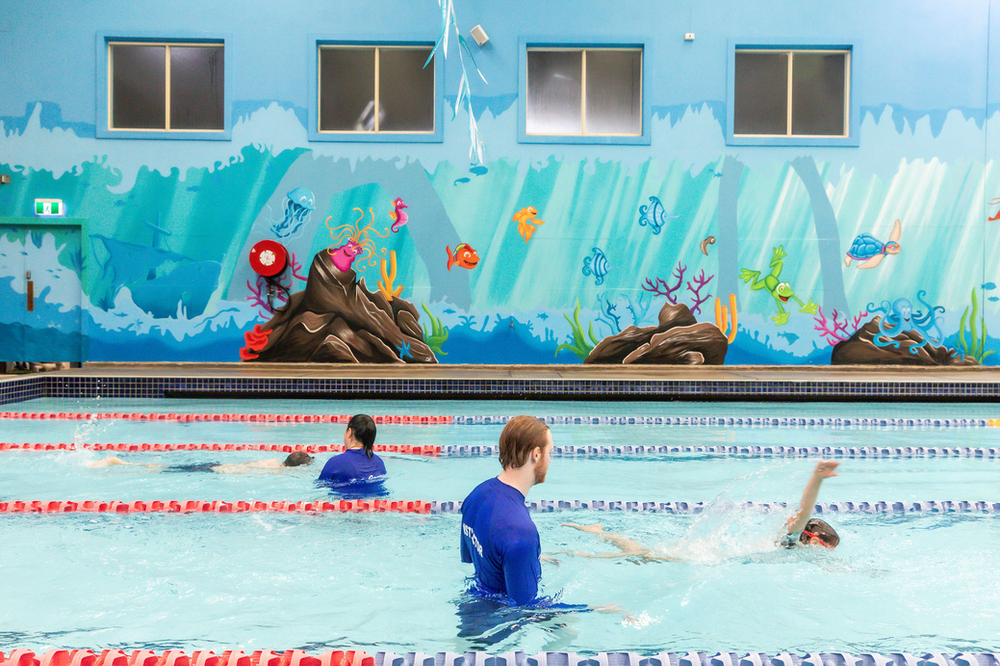
At Col Jones Swim Tempe, early swim programs take place in specialized, indoor pools heated year-round to ensure maximum comfort. Certified instructors guide parents and infants through playful, song-filled classes designed to build water confidence, essential safety awareness, and strong foundational mechanics.
The facility's multi-pool layout features a dedicated, warm baby pool optimized for infant skin sensitive to temperature drops. Water quality is maintained through advanced filtration systems, ensuring a clean, hygienic environment for sensitive young eyes and skin.
With small class sizes, experienced AUSTSWIM-accredited teachers, and a rich history serving Sydney families since 1973, parents receive personalized guidance every step of the way. Every class is crafted to make early aquatic education a joyful bonding experience.
Conclusion
Summary
Engaging in early swimming for infants provides physical, cognitive, and emotional developmental benefits that support lifelong health. Buoyancy allows babies to build core muscle strength, cardiovascular health, and gross motor skills without joint stress, while cross-lateral movements accelerate neural development and spatial reasoning. Parent-assisted classes foster deep emotional security, social confidence, and stress reduction through warm physical contact.
Crucially, early instruction conditions essential water safety habits, including back-floating balance, breath control, and wall holding. Established aquatic centers like Col Jones Swim Tempe provide warm indoor pools and expert instruction to ensure your infant's first aquatic steps are safe, educational, and fun.
Book a Strategy or Discovery Call
Give your baby the best start in life with expert-led infant swim classes designed for safety, skill building, and parental bonding. If you are ready to explore our warm indoor pools, meet our certified instructors, or secure a class time for your family, enroll your child today to speak with our friendly aquatic enrollment specialists.
Frequently Asked Questions
What age can an infant start swimming lessons?
Infants can begin structured parent-and-baby swim classes as early as 6 months of age, once their immune systems have developed and they can comfortably support their own heads.
Are infant swim classes safe for sensitive baby skin?
Yes. Professional facilities maintain strict water balance, advanced filtration, and warm temperatures (up to 32°C) to protect sensitive infant skin and prevent chilling during lessons.
How do infant swim classes teach breath control?
Instructors use clear, consistent verbal cues (such as "Ready, Go!") paired with gentle water trickles over the face, conditioning the baby's natural dive reflex to close their mouth before submersion.
Do parents need to get into the water during infant swim classes?
Yes. Infant classes are designed as parent-assisted sessions where a parent or guardian accompanies the baby in the pool to provide physical support, warmth, and emotional security.
How long are typical infant swim sessions?
Infant swim classes typically last 30 minutes. This provides plenty of time for skill development, songs, and water safety practice without overstimulating or chilling the baby.