Choosing a Swim School in Sydney: What Every Parent Should Know
Key Takeaways
- Instructor Credentials: Selecting an accredited swim school in Sydney requires verifying that teachers hold recognized credentials, active CPR certification, and valid Working With Children Checks.
- Specialized Pool Layouts: Top facilities utilize multiple indoor heated pools to separate nervous infants in warm shallow water from advanced squad swimmers in dedicated lap lanes.
- Skill-Based Grouping: Placing students by current swimming ability rather than age prevents beginner frustration and keeps skilled swimmers continuously challenged.
- On-Site Facility Inspections: Visiting potential centers allows parents to inspect water clarity, comfortable pool heating, slip-resistant decks, and spectator viewing access.
- Community Legacy: Trusted facilities like Col Jones Swim Tempe combine small class ratios, progressive level structures, and eco-friendly operations to foster lifelong water confidence.
Introduction
Selecting the right swim school in Sydney involves evaluating instructor qualifications, facility standards, program structures, and family convenience. A structured checklist ensures parents choose an aquatic center that fosters long-term water confidence, safety, and physical development in young swimmers at Col Jones Swim Tempe.
With Sydney's vibrant coastal lifestyle and outdoor culture, learning to swim is an essential life skill for every child. However, with dozens of facilities available across the metropolis, finding an aquatic center that balances technical excellence with a nurturing environment can feel overwhelming for parents.
A quality aquatic education extends beyond basic pool access. By prioritizing accredited teaching staff, purpose-built heated facilities, and skill-based progression, parents can ensure their child receives high-quality instruction tailored to their developmental needs.
What Key Factors Should Parents Evaluate in a Swim School?
When comparing local aquatic facilities, prioritizing safety standards and instructional quality guarantees a positive learning experience for your child. Taking the time to research a provider's background ensures your investment translates into genuine water self-reliance.
Essential criteria for evaluating swim centers include:
- Instructor Qualifications and Safety Vetting: Ensure teachers hold recognized certifications (such as AUSTSWIM or Swim Australia), valid resuscitation credentials, and current Working With Children Checks (WWCC).
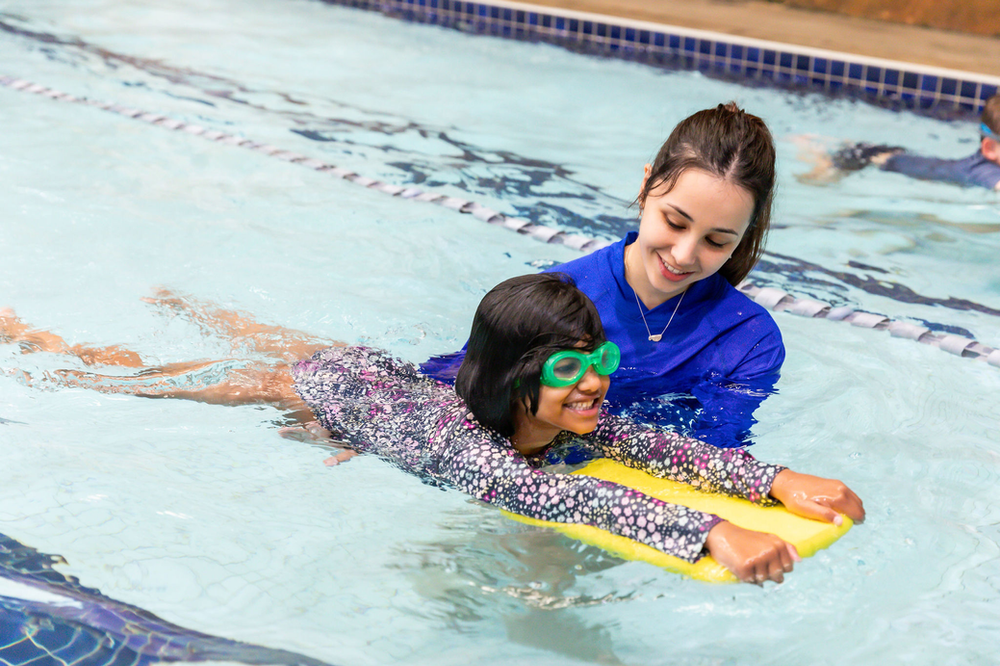
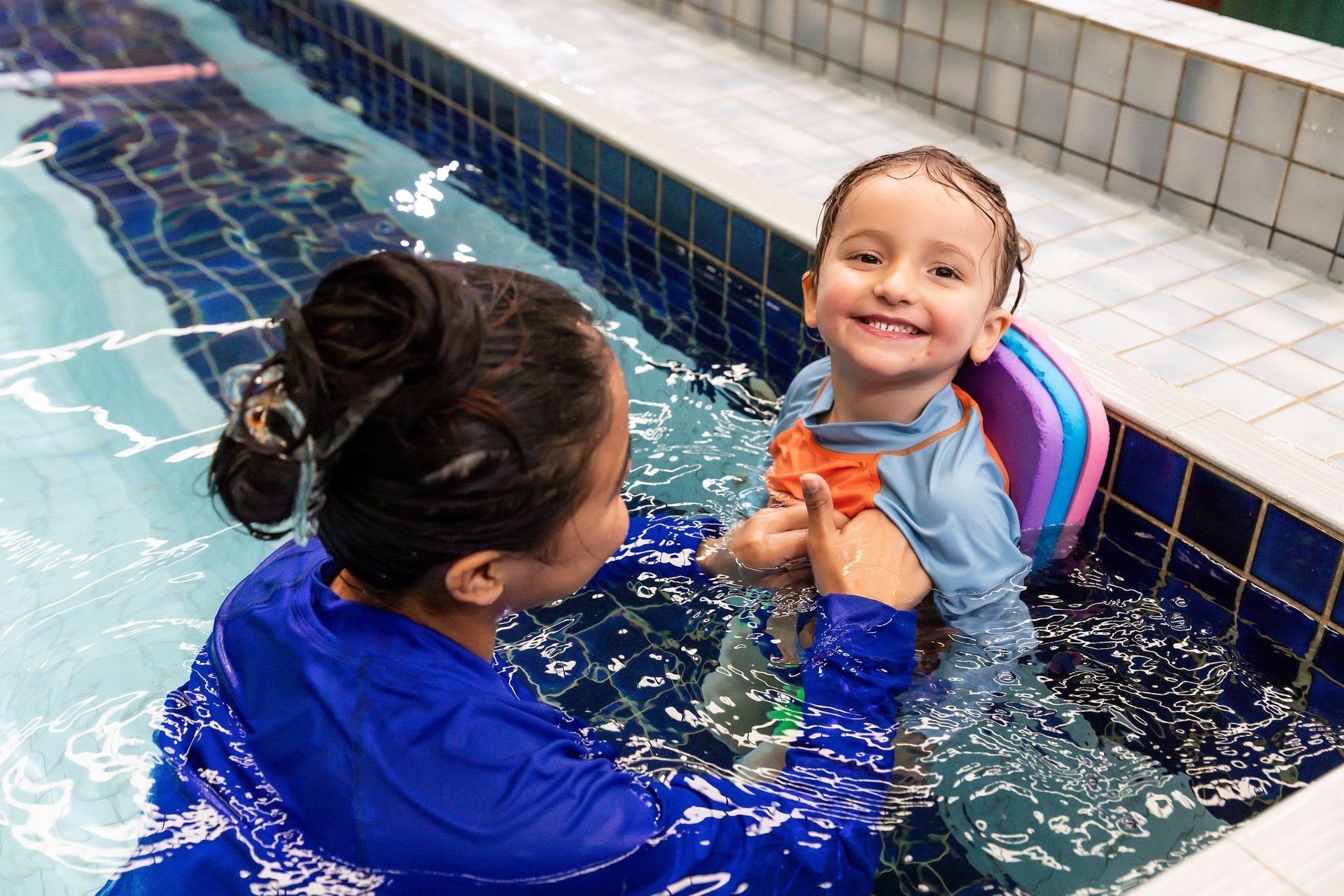
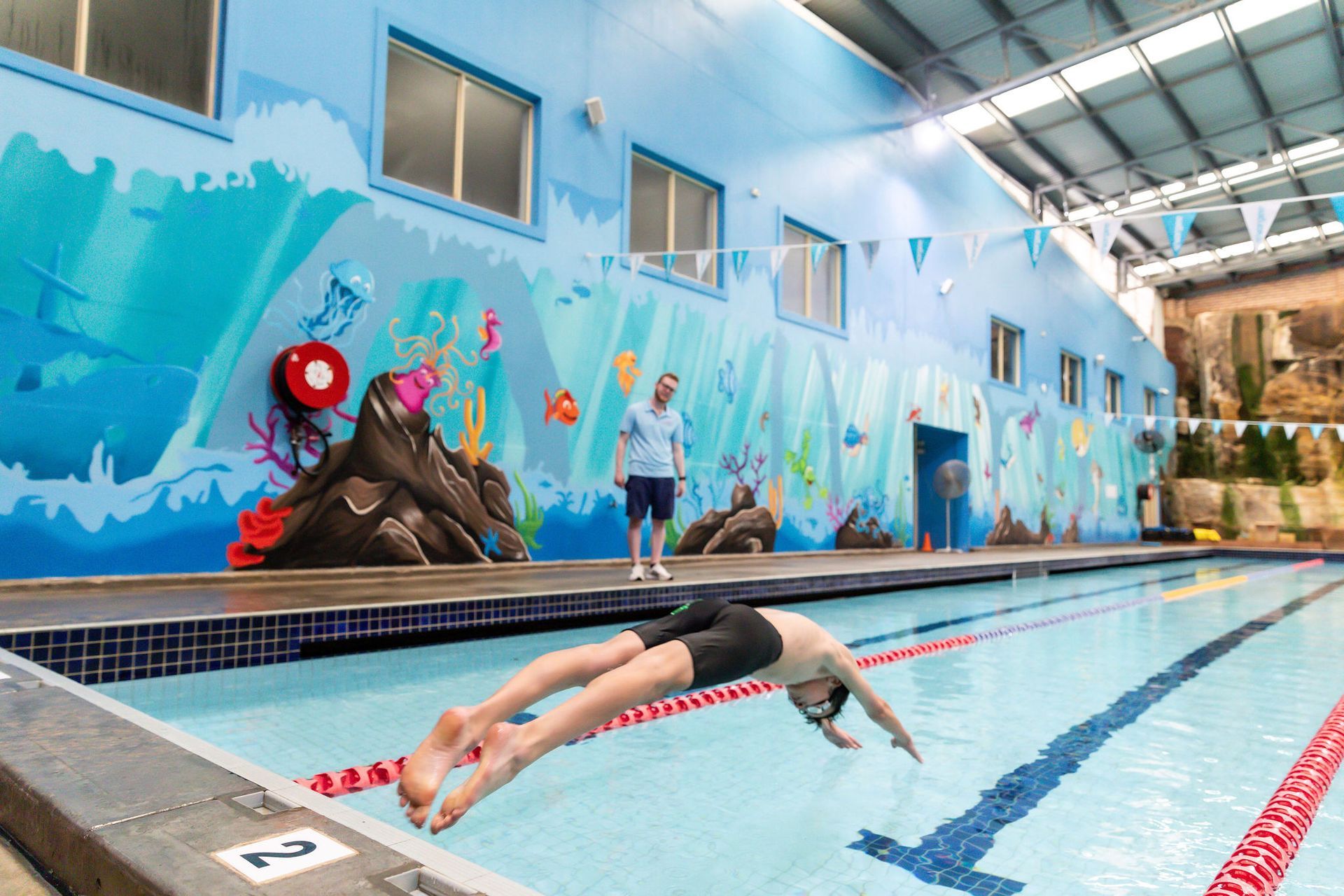
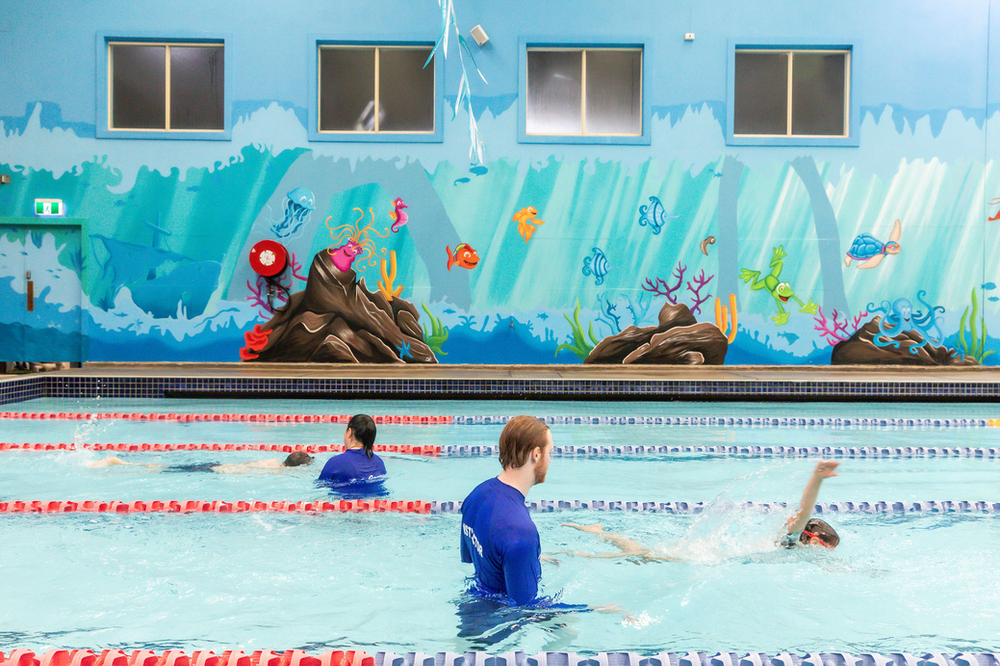
- Purpose-Built Indoor Pools: Facilities featuring multiple indoor pools heated year-round allow beginners to learn in calm, shallow water while advanced students practice in dedicated lap lanes.
- Small Student-to-Teacher Ratios: Low student counts per class guarantee individual attention, allowing instructors to adjust stroke mechanics safely and maintain visual supervision.
- Progressive Curriculum Pathways: A clear level-based pathway ensures children move smoothly from basic water acclimation and floating to competitive stroke refinement and squad training.
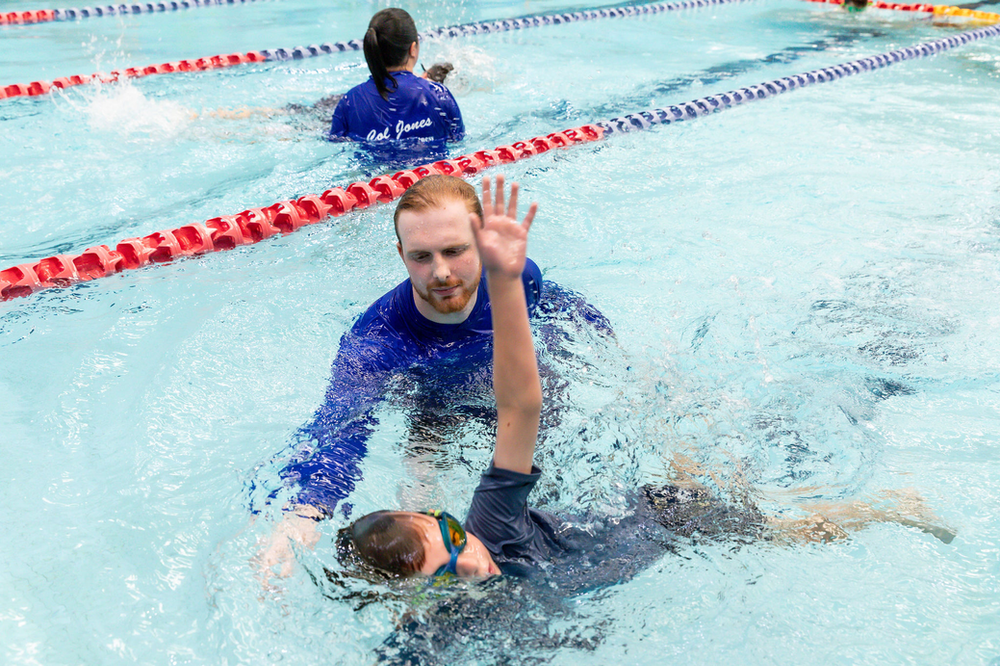
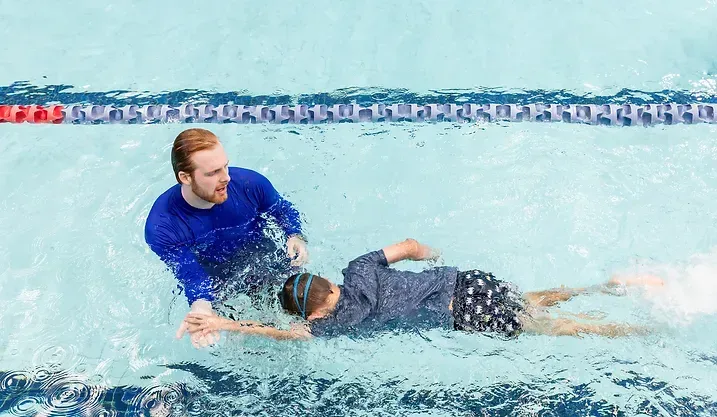
Accredited teachers bring proven educational methodologies to the pool deck. They understand how to break down complex motor mechanics, such as side breathing or flutter kicking, into manageable steps that build confidence without causing anxiety.
Class size directly impacts learning speed. Small group ratios ensure that instructors spend maximum time actively guiding each student, preventing idle time at the wall and keeping young bathers engaged throughout the lesson.
How Should Parents Assess Facilities During an On-Site Visit?
Visiting potential swim schools in person provides immediate insight into facility maintenance, water management, and teaching culture. Walking through the center during active lesson hours allows parents to evaluate the environment firsthand.
Key elements to inspect during your walk-through:
- Pool Heating and Water Quality: Ensure pools are kept comfortably warm year-round (around 31°C to 32°C for beginners) with crystal clear water to prevent shivering and anxiety during lessons.
- Observe Class Dynamics and Teaching Styles: Watch how instructors interact with hesitant students; look for encouraging, positive reinforcement rather than rigid, high-pressure drills.
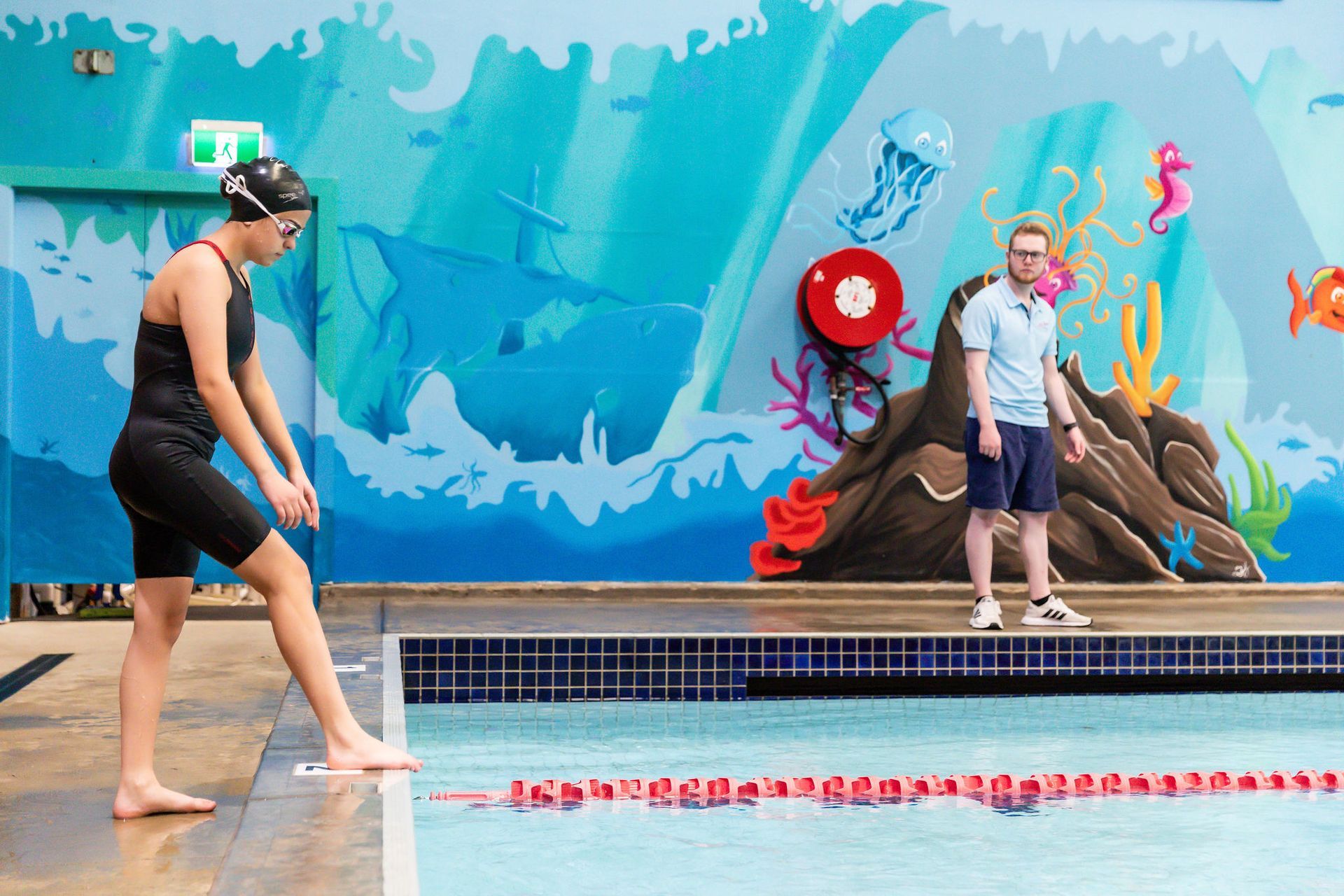
- Evaluate Safety and Viewing Features: Verify that emergency protocols are visible, pool decks feature non-slip surfaces, and spectator areas allow clear parental oversight.
- Review Environmental Practices: Look for modern facilities utilizing energy-efficient heat pumps, thermal pool blanket covers, and water conservation systems to maintain hygienic, sustainable operations.
A well-maintained pool facility reflects management's commitment to child comfort and safety. Warm water is especially critical for young beginners, as shivering causes muscle tension that interferes with proper floating posture and stroke mechanics.
Observing instructor demeanor also reveals the school's teaching philosophy. A supportive environment where teachers celebrate small wins helps nervous bathers build trust and overcome fear much faster.
Why Is Skill-Based Grouping Preferred Over Age Placement?
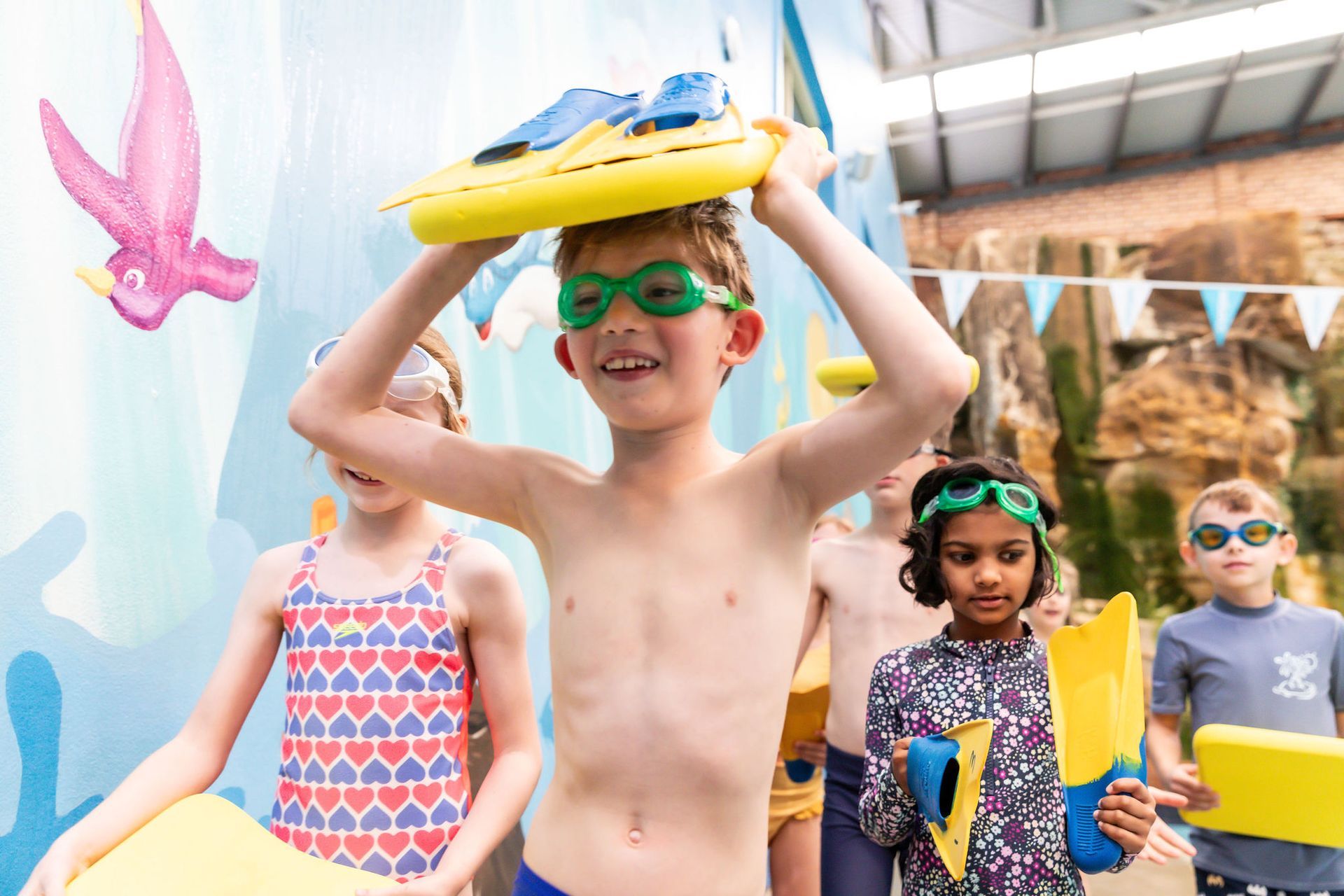
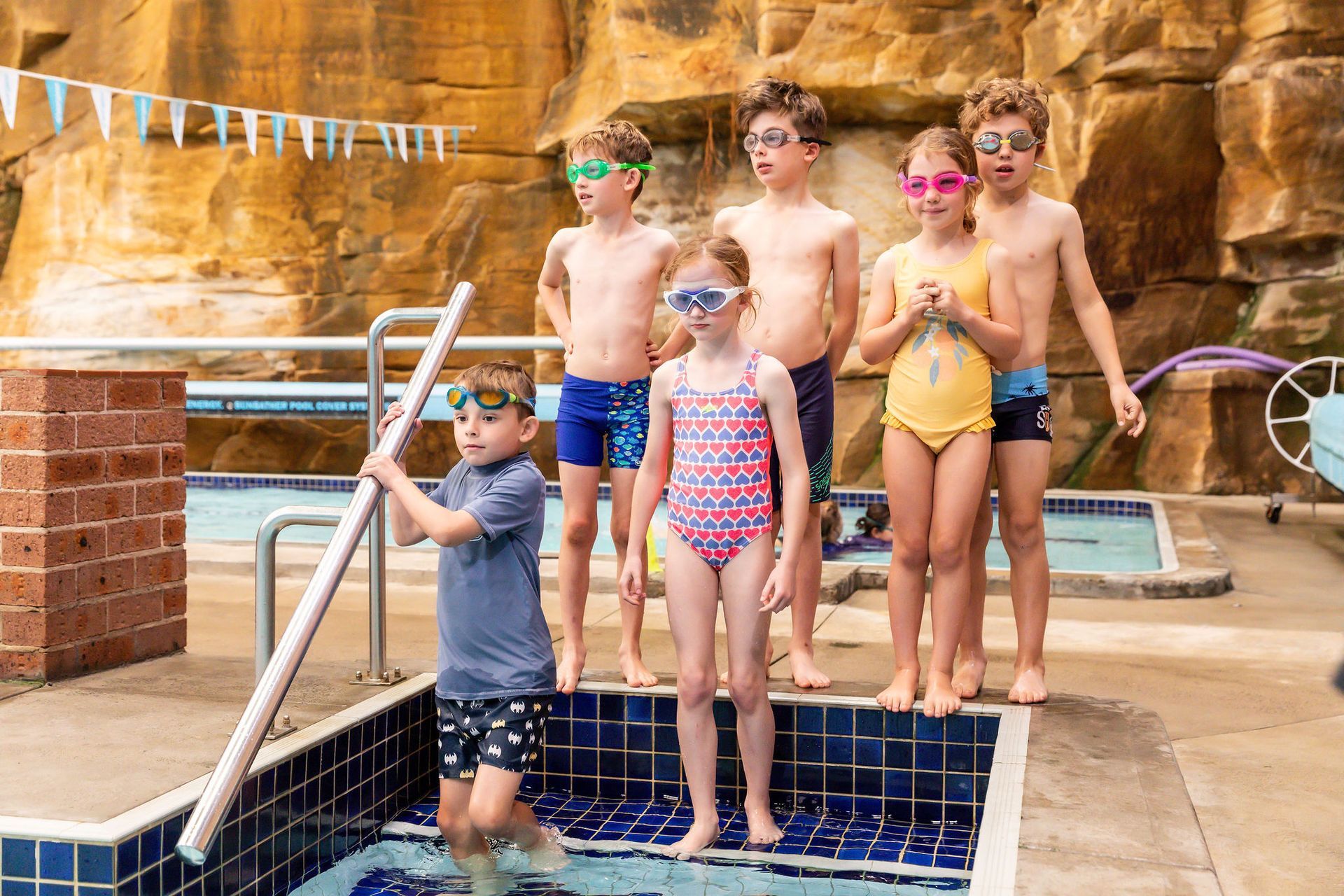
Placing children into swim levels based strictly on ability, rather than age, ensures every student learns at an appropriate pace. Skill-based grouping creates a harmonious class dynamic where every child works on similar technical goals.
Advantages of ability-based placement include:
- Prevents Emotional Frustration: Older children who are beginner swimmers are not forced into advanced drills they cannot perform, protecting their self-esteem and confidence.
- Eliminates Boredom for Skilled Swimmers: Younger children with advanced swimming mechanics move directly to challenging stroke drills without waiting for older peers to catch up.
- Fosters Positive Peer Encouragement: Learning alongside swimmers of identical skill levels encourages healthy social modeling and mutual encouragement during group drills.
- Tailors Instructor Focus: Teachers can structure lessons around specific skill deficits shared by the group, accelerating progress for all participants.
When children swim with peers at the same developmental stage, lesson engagement increases significantly. Students feel comfortable attempting new skills when they see classmates trying the exact same drills.
Ability-based placement also simplifies progress tracking. As soon as a student masters the benchmark skills for their current level, they advance to the next stage rather than waiting for an arbitrary age milestone.
What Parent Convenience Features Should You Look For?
Managing family schedules requires a swim school that offers flexible, modern administrative systems. Modern aquatic centers leverage technology to make lesson tracking, scheduling, and communication seamless for busy parents.
Valuable family convenience features:
- Online Parent Portals: 24/7 web access allows parents to view skill assessments, track earned level badges, and review instructor feedback in real-time.
- Flexible Makeup Lesson Policies: Generous makeup policies ensure children do not fall behind when missed classes occur due to illness or family commitments.
- Streamlined Mobile App Booking: Easy digital booking tools make it simple to manage enrollments, adjust lesson times, and pay tuition securely from a smartphone.
- Comfortable Spectator Amenities: Climate-controlled viewing areas with comfortable seating allow parents to relax and watch their child's progress in comfort.
Digital management tools reduce administrative hassle for busy households. Being able to track your child's skill milestones online provides complete transparency into their aquatic progress.
Furthermore, flexible makeup options protect your financial investment. Schools that offer fair makeup policies demonstrate respect for family schedules, ensuring uninterrupted skill development.
Why Choose Col Jones Swim Tempe for Your Family?
Since 1973, Col Jones Swim Tempe has served Sydney's Inner West community with expert aquatic instruction across three specialized, year-round heated indoor pools. Featuring AUSTSWIM-qualified instructors, small class sizes, progressive Learn-to-Swim levels, and convenient app-based account management, Col Jones delivers a safe, nurturing environment where young swimmers build lifelong water skills.
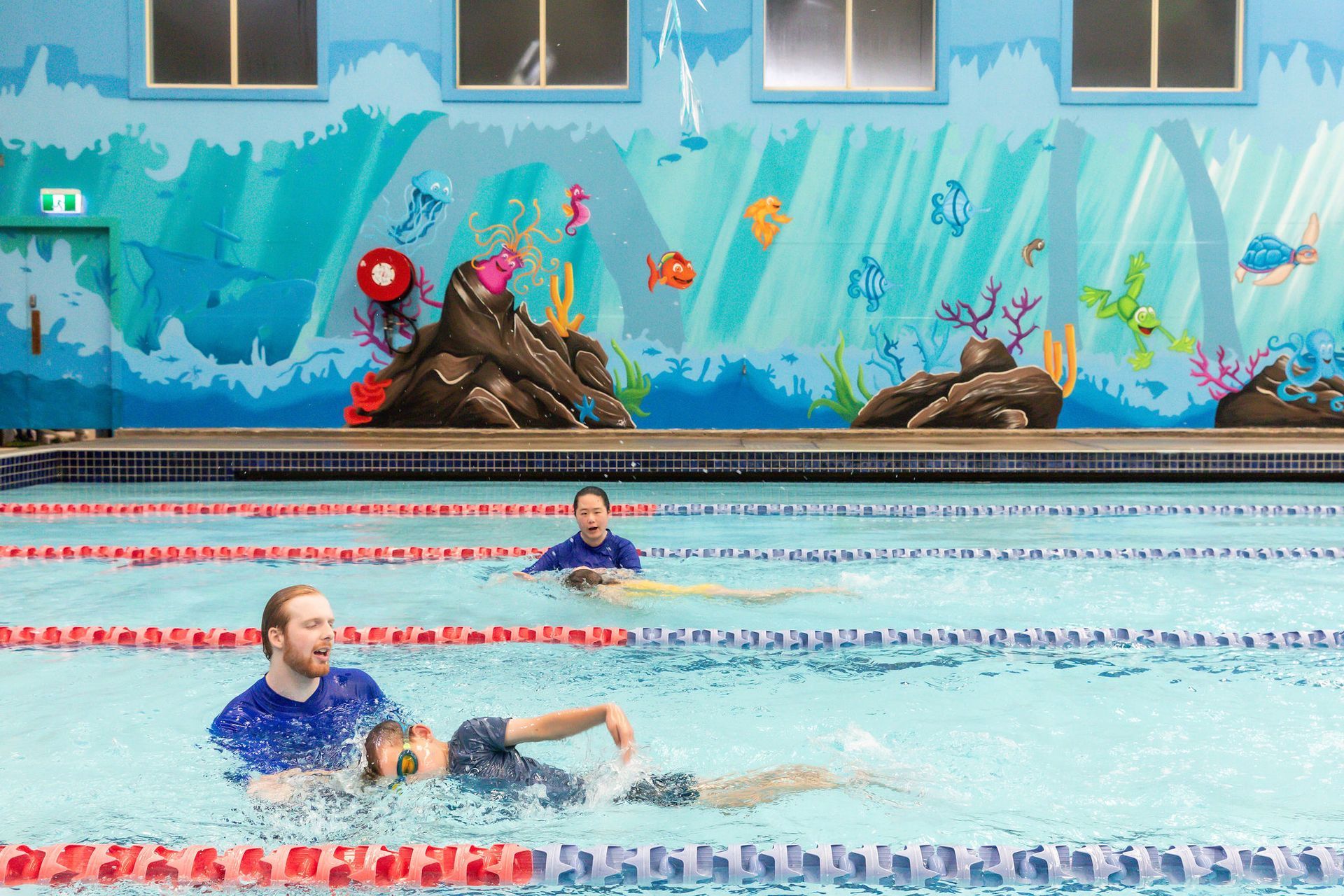
The facility's multi-pool layout provides purpose-built environments for every stage of development. Beginners start in warm, shallow water designed for gentle acclimation, while advancing students transition to the 25-metre lap pool for stroke refinement and squad training.
Backed by over 50 years of community trust, modern eco-friendly heating systems, and transparent Parent Portal tracking, families across Sydney rely on the center for top-tier swim education. Every lesson is crafted to build water safety, physical health, and enduring self-assurance.
Conclusion
Summary
Selecting the ideal swim school in Sydney requires evaluating accredited instructor qualifications, purpose-built heated facilities, small class ratios, and skill-based student placement. By inspecting pool maintenance, water temperature, spectator viewing, and environmental practices in person, parents can secure a safe learning environment for their children.
Prioritizing ability-based grouping prevents beginner frustration and keeps advancing swimmers continuously challenged. Established community icons like Col Jones Swim Tempe combine three dedicated indoor heated pools, 50+ years of instructional expertise, and digital parent portals to deliver an exceptional aquatic foundation for local families.
Book a Strategy or Discovery Call
Give your child the gift of lifelong water safety and swimming confidence with Sydney's trusted aquatic specialists. If you are ready to tour our multi-pool indoor facility, arrange a 10-minute skill assessment, or secure a class time for upcoming terms, contact our swimming team today to speak with our friendly enrollment staff.
Frequently Asked Questions
What qualifications should swim instructors in Sydney hold?
Swim instructors in Sydney should hold recognized national qualifications from organizations such as AUSTSWIM or Swim Australia, valid CPR certifications, and active Working With Children Checks (WWCC).
At what age should children start formal swim lessons in Sydney?
Children can start infant water acclimation classes as early as 6 months old to build water familiarity, while structured independent learn-to-swim lessons typically begin around 2 to 3 years of age.
How warm are the pools at Col Jones Swim Tempe?
All three indoor pools at Col Jones Swim Tempe are fully enclosed and heated year-round to ideal temperatures (up to 32°C for beginners), ensuring bathers remain warm and relaxed during every lesson.
Why is skill-based grouping better than age-based grouping in swimming?
Skill-based grouping ensures children learn alongside peers with similar aquatic abilities, preventing nervous beginners from feeling overwhelmed and allowing advanced bathers to progress rapidly.
Can I track my child's progress online?
Yes. Col Jones Swim Tempe provides an intuitive online Parent Portal where families can view real-time skill assessments, track completed level benchmarks, and manage lesson schedules 24/7.