Our Swimming Skill Development: Master One Skill at a Time in Col Jones
How Does Focusing on One Skill at a Time Prevent Cognitive Overload in Children?
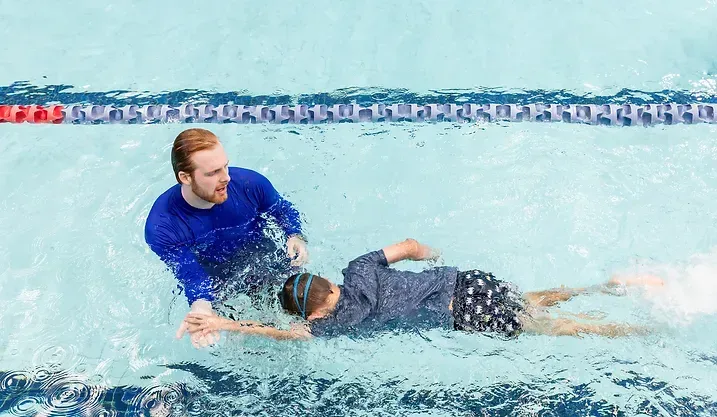
Mastering swimming one skill at a time builds strong foundational mechanics—such as breath control, floating, and kicking—before introducing complex strokes. This step-by-step approach prevents cognitive overload, reduces swimmer anxiety, and accelerates skill retention, allowing learners to master fundamental techniques thoroughly before safely progressing to advanced aquatic movements.
Swimming skill development is most effective when swimmers focus on mastering one skill at a time through structured lessons, repetition, and gradual progression. Breaking swimming into smaller skills helps children build confidence, improve technique, and avoid feeling overwhelmed during lessons.
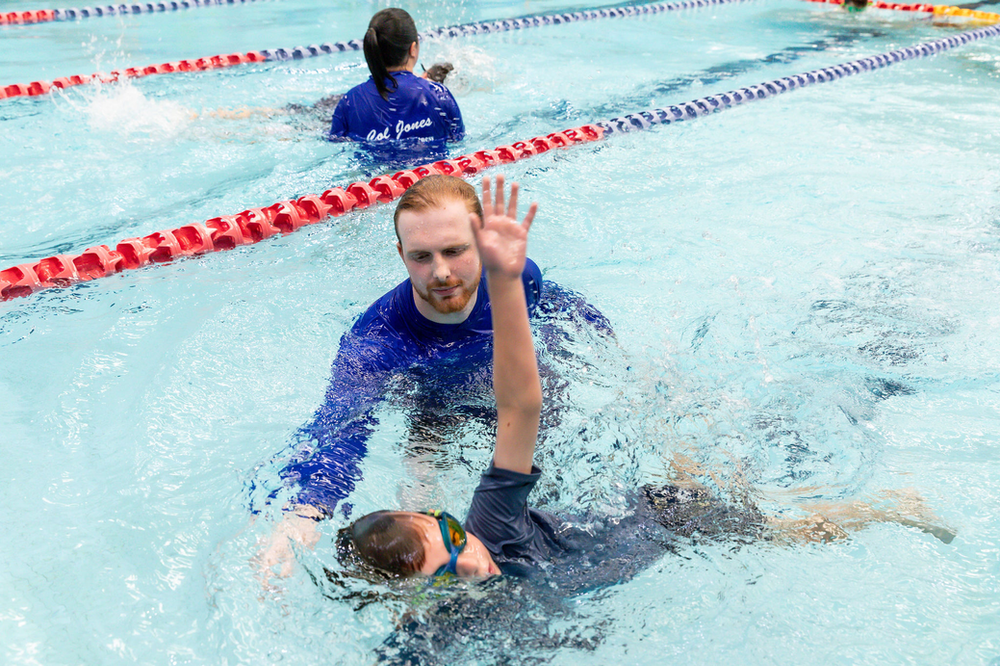
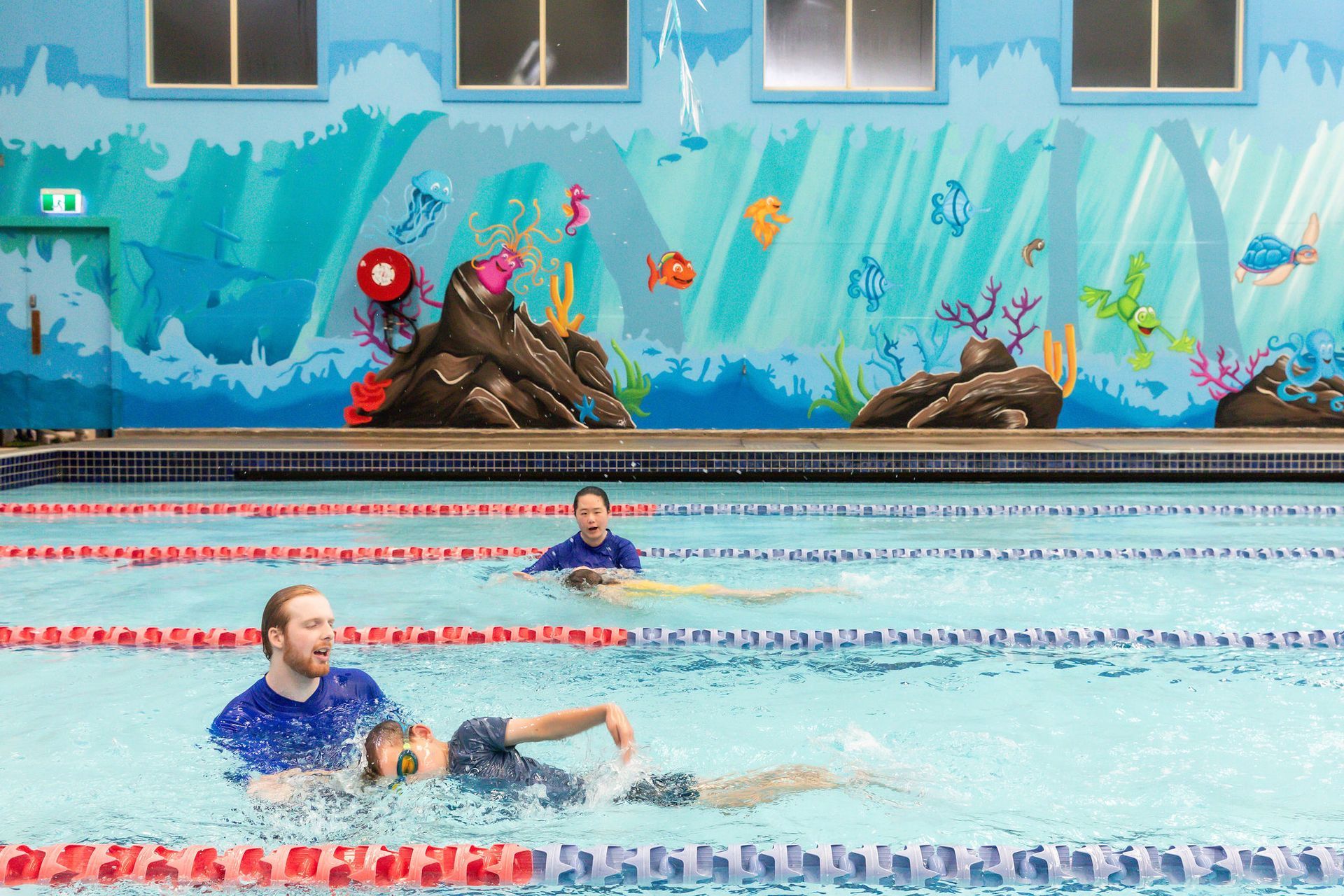
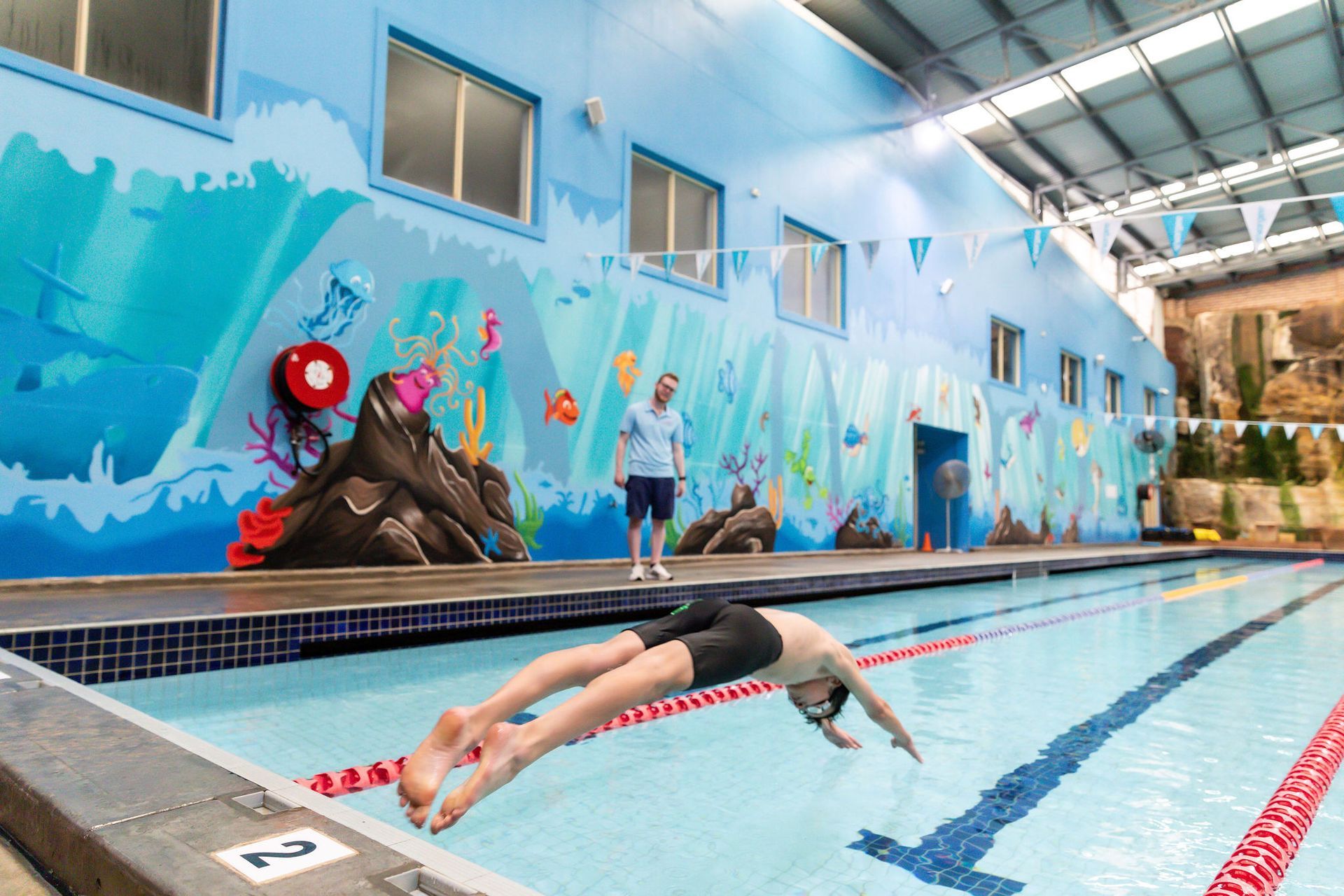
At Col Jones Swim Tempe, instructors use a step-by-step teaching approach that helps swimmers develop foundational skills such as floating, kicking, breathing control, and body positioning before progressing to more advanced techniques. This structured learning process supports long-term swimming confidence, stronger technique, and improved water safety awareness.
Key Takeaways
- Learning one swimming skill at a time helps swimmers build stronger foundations.
- Structured progression reduces overwhelm and improves confidence.
- Repetition and focused practice help swimmers retain skills more effectively.
- Supportive instructors adapt lessons to each swimmer’s pace and ability level.
- Gradual skill development supports long-term swimming success and water safety.
Why Structured Swimming Skill Development Matters
Swimming involves multiple interconnected skills, including:
- breathing control
- floating
- kicking
- body positioning
- stroke coordination
- water confidence
Trying to learn too many skills at once can overwhelm beginner swimmers, especially young children. Focusing on one skill at a time allows swimmers to build understanding, confidence, and consistency before moving to the next stage.
This gradual learning approach often helps swimmers feel more successful because they can concentrate fully on mastering a single movement or technique.
How One-Skill-at-a-Time Learning Improves Swimming Development
Building Strong Foundations
Every swimming skill builds upon another skill.
For example:
- floating supports body positioning
- kicking supports propulsion
- breathing control supports stroke coordination
When swimmers fully understand foundational skills first, they are often better prepared to progress into more advanced swimming techniques later on.
At Col Jones Swim Tempe, instructors focus on helping swimmers develop confidence and competency in each stage before introducing more challenging skills.
Reducing Overwhelm and Building Confidence
Swimming lessons can sometimes feel overwhelming for beginners because there are many movements happening at once.
Breaking lessons into smaller goals helps swimmers:
- feel more comfortable
- stay engaged during lessons
- experience regular success
- build confidence gradually
Many beginner swimmers become more motivated when they successfully master individual skills step by step rather than struggling with multiple techniques simultaneously.
Improving Skill Retention Through Repetition
Focused repetition is an important part of swimming development.
When swimmers repeatedly practise one skill, they often improve:
- muscle memory
- coordination
- consistency
- body awareness
Examples of focused practice include:
- repeated kicking drills
- floating exercises
- breathing repetition
- controlled arm movement practice
This repetition helps swimmers develop stronger long-term technique and confidence in the water.
Essential Skills in Swimming Development
| Swimming Skill | Why It Matters |
|---|---|
| Floating | Builds water confidence and safety |
| Breathing control | Supports relaxation and stroke rhythm |
| Kicking technique | Improves propulsion and coordination |
| Body positioning | Reduces drag and improves efficiency |
| Stroke coordination | Develops controlled swimming movement |
| Water confidence | Helps swimmers feel safe and comfortable |
How Supportive Instructors Improve Learning
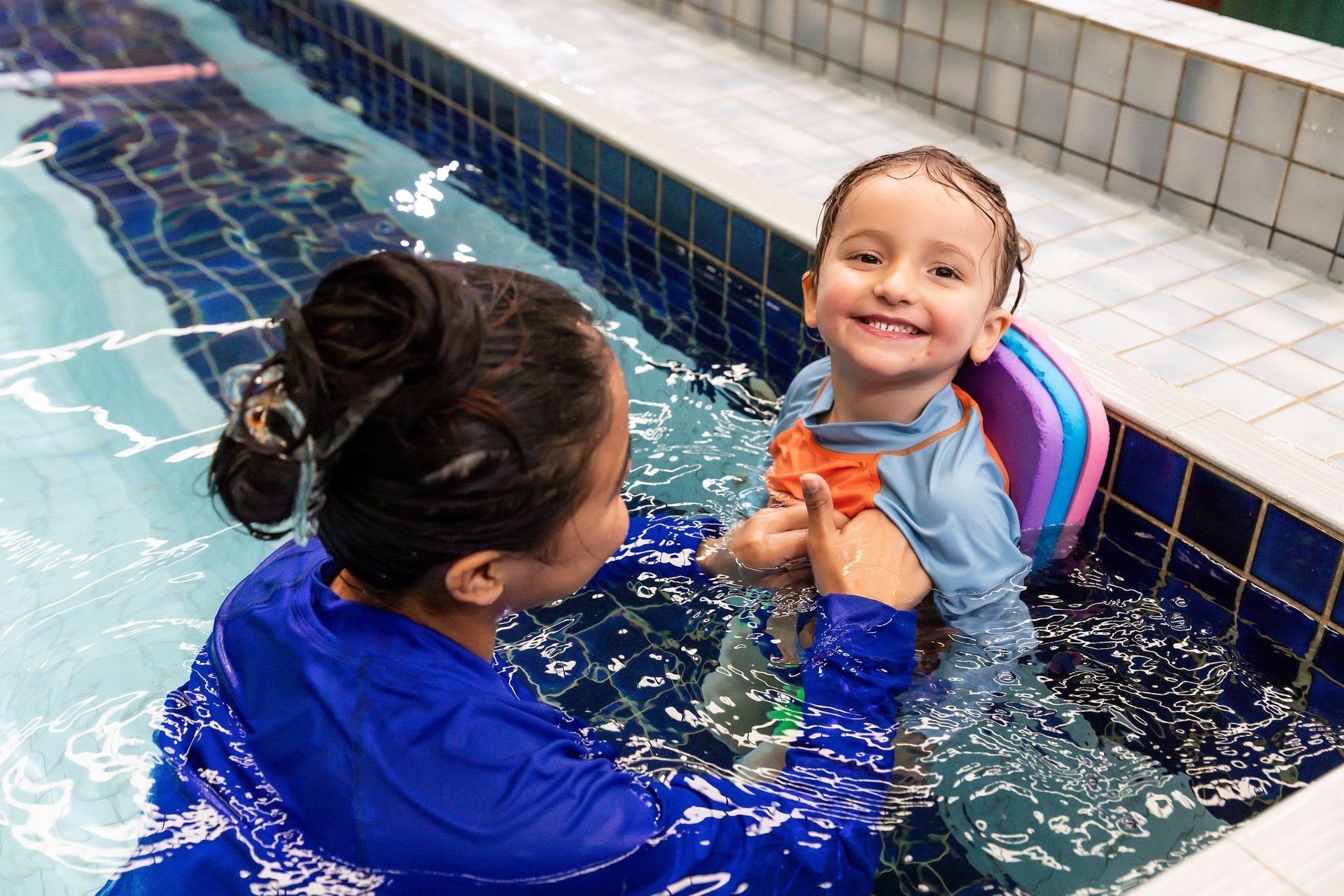
Supportive instructors play a major role in helping swimmers progress successfully.
Experienced swim instructors help by:
- breaking skills into manageable steps
- adapting lessons to confidence levels
- providing clear guidance
- encouraging swimmers positively
- reinforcing correct technique
At Col Jones Swim Tempe, instructors personalize lessons to support each swimmer’s individual learning pace and ability level.
This supportive environment helps swimmers stay motivated while developing stronger swimming habits over time.
Why Gradual Progression Creates Better Long-Term Results
Swimming progression should happen gradually rather than rushing swimmers through advanced techniques too quickly.
A structured progression approach helps swimmers:
- build confidence naturally
- improve consistency
- strengthen foundational technique
- reduce frustration
- develop long-term swimming ability
At Col Jones Swim Tempe, swimmers progress through clearly structured levels that support skill mastery before advancement into more challenging techniques.
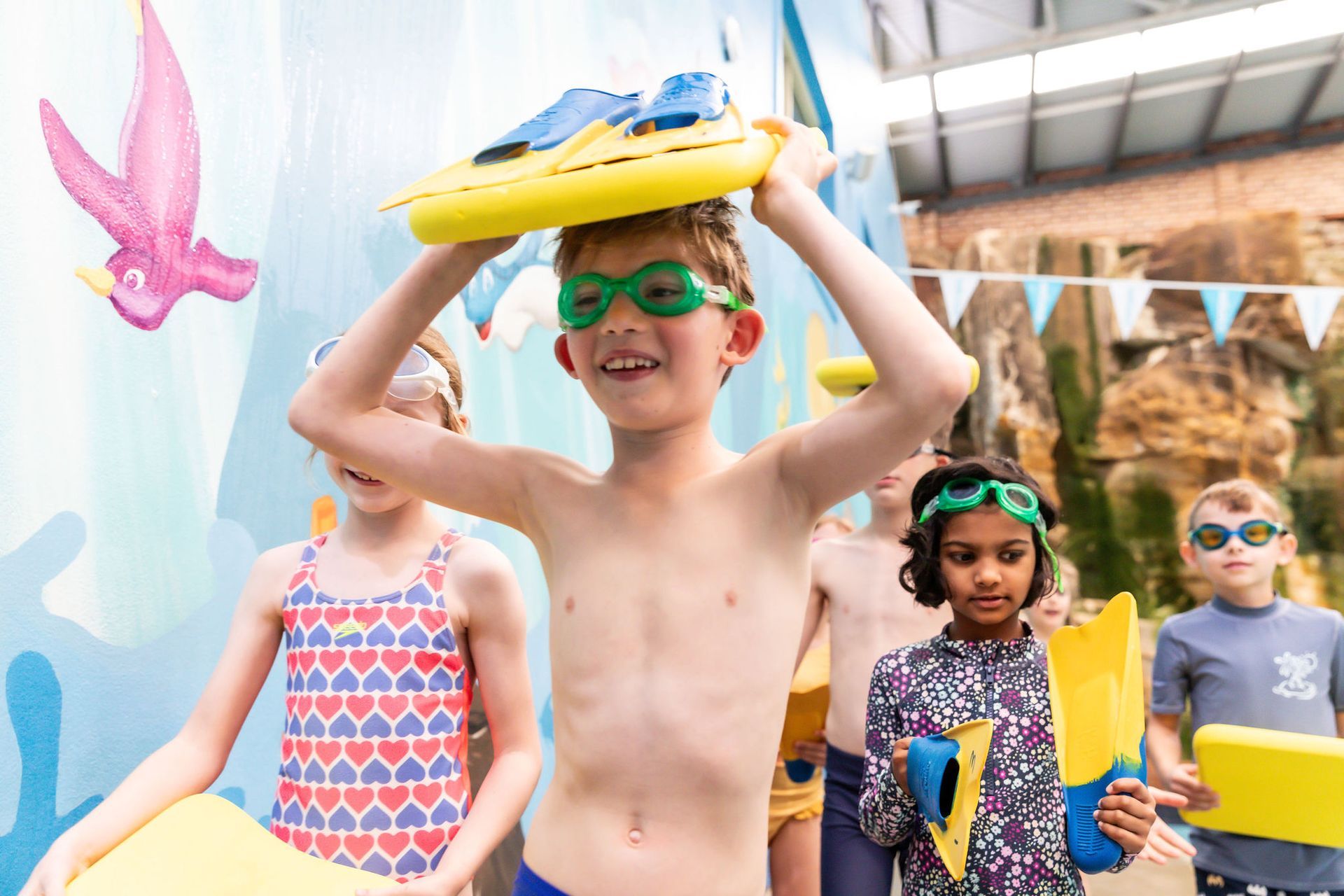
How Floatation Aids Support Skill Development
Floatation aids can also support swimming skill development when used strategically.
Tools such as:
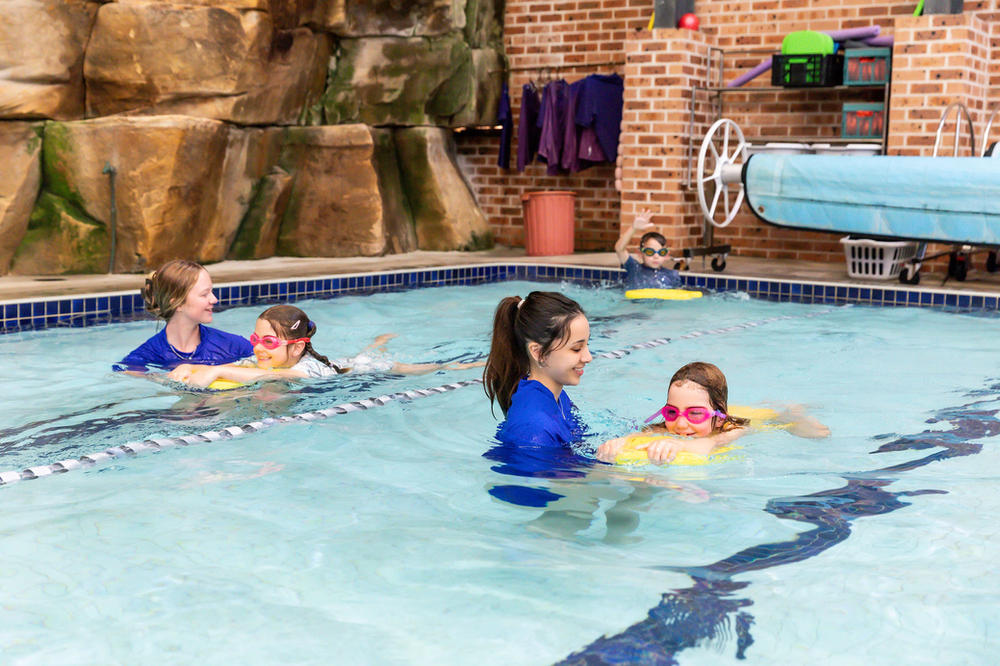
- kickboards
- swim belts
- arm bands
- pool noodles
help swimmers focus on individual techniques without feeling overwhelmed.
For example:
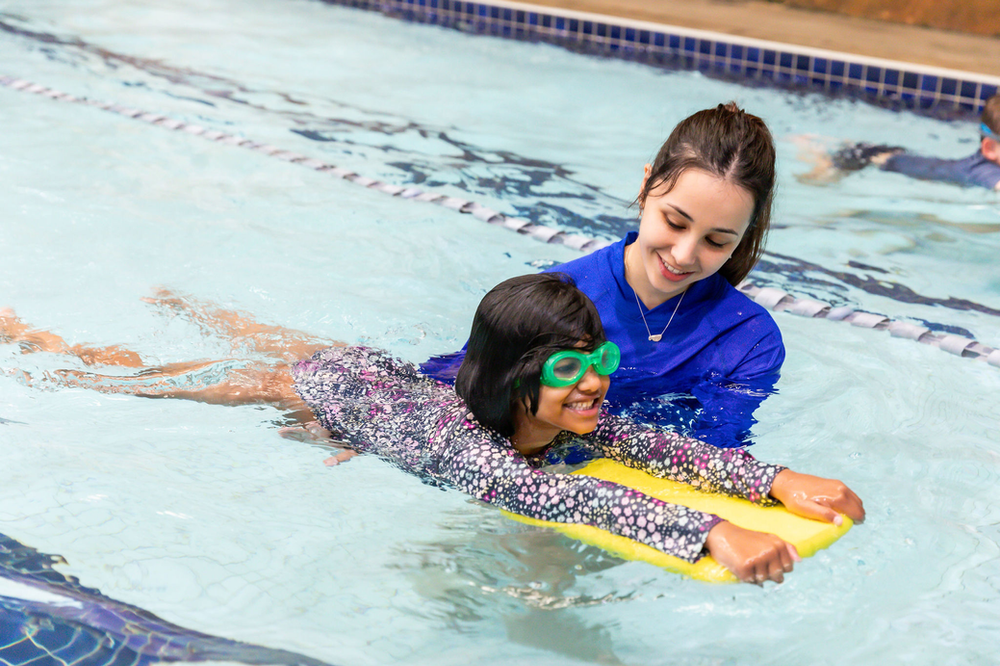
- kickboards isolate kicking technique
- swim belts assist body positioning
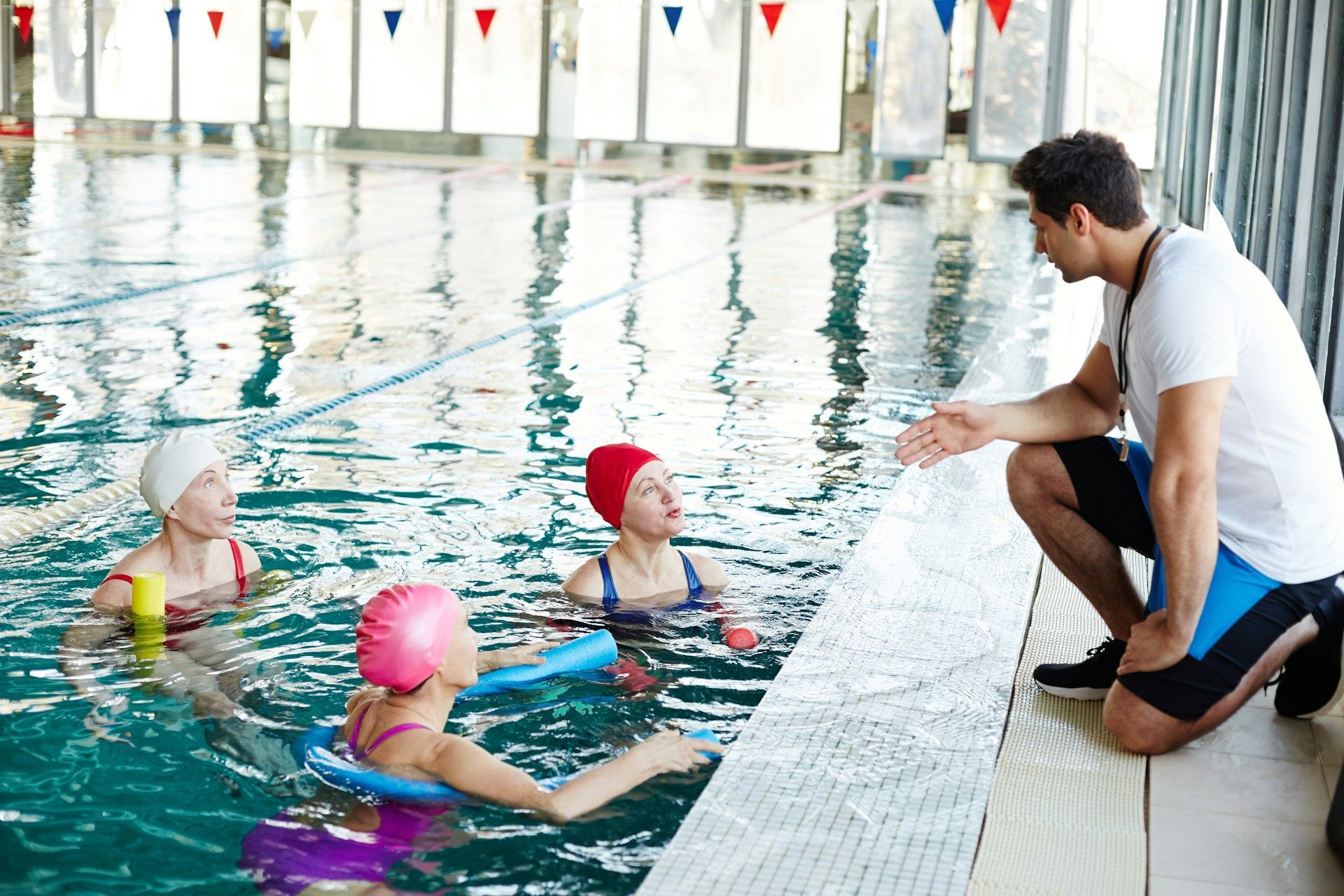
- noodles support balance and floating practice
As swimmers improve, instructors gradually reduce support to help swimmers transition toward greater independence in the water.
Signs a Swimmer Is Progressing Successfully
Swimmers often demonstrate progress when they:
- complete skills more consistently
- require less support
- feel more confident in lessons
- show improved coordination
- attempt new skills willingly
- remain calm and engaged in the water
Every swimmer develops differently, but consistent practice and gradual progression often lead to stronger long-term results.
How Col Jones Swim Tempe Supports Swimming Skill Development
At Col Jones Swim Tempe, swimming lessons are designed around structured progression and focused skill development.
Programs emphasise:
- confidence building
- technique improvement
- water safety
- gradual progression
- personalised instruction
This one-skill-at-a-time philosophy helps swimmers build strong foundations while developing confidence and enjoyment in the water.
Instructor Expertise
Written by the Col Jones Swim Team with experience helping swimmers build confidence, improve technique, and progress through structured swimming skill development programs.
Final Thoughts
Swimming skill development is most effective when swimmers focus on mastering one skill at a time in a supportive and structured learning environment. Gradual progression, repetition, and personalised instruction help swimmers build confidence, improve technique, and develop stronger long-term swimming abilities.
At Col Jones Swim Tempe, swimmers are guided step by step through carefully structured lessons designed to support confidence, water safety, and swimming success at every stage of development.
Ready to Help Your Child Build Strong Swimming Skills?
Explore structured swimming lessons designed to help swimmers build confidence, improve technique, and master skills step by step at Col Jones Swim Tempe.
Book a swimming assessment or discover our learn-to-swim programs today.
Frequently Asked Questions About Swimming Skill Development
Why is learning one swimming skill at a time important?
Focusing on one skill at a time helps swimmers build stronger foundations, improve confidence, and avoid feeling overwhelmed during lessons.
How do swimmers develop confidence in the water?
Confidence develops gradually through repetition, positive reinforcement, consistent lessons, and successful skill progression.
Can beginner swimmers progress faster with structured lessons?
Yes. Structured lessons help swimmers practise skills progressively and consistently, which supports better technique and long-term retention.
What role do instructors play in swimming progression?
Supportive instructors guide swimmers through gradual progression, provide feedback, reinforce technique, and adapt lessons to individual learning needs.