Why Our Heated Pools Are Great for Learning to Swim
Key Takeaways
- Comfort Drives Confidence: Heated pools eliminate cold-water shock, reducing anxiety and allowing beginners to focus on core survival skills.
- Faster Physical Progression: Warm water keeps muscles relaxed and flexible, enabling proper stroke mechanics, breathing rhythm, and body alignment.
- Three-Stage Pool Design: Swimmers progress naturally through shallow beginner setups, intermediate stroke pools, and full 25-metre lap lanes.
- Sustainable Environment: Eco-friendly heat pumps, thermal pool blankets, and water recycling practices provide continuous year-round warmth responsibly.
Introduction
Heated pools create an optimal environment for learning to swim by eliminating cold-water stress, reducing muscle tension, and increasing learner focus. At Col Jones Swim Tempe, warm water temperatures across three specialized pools enable children and adults to build water confidence, advance through stroke levels, and master self-rescue skills in a safe, eco-friendly environment. Joining our premier learn to swim Tempe programs guarantees a comfortable, high-quality aquatic experience for every family member.
Temperature is one of the most underappreciated factors in aquatic education. When a child or beginner enters a cold pool, their body's natural physiological response is to tense up, shiver, and take shallow, rapid breaths. This physical discomfort generates panic, making it nearly impossible for a novice swimmer to relax, listen to an instructor, or attempt fundamental balance drills like back floating.
Warm water completely changes this dynamic. By maintaining inviting pool temperatures year-round, learners step into the water with ease and enthusiasm. Their muscles remain relaxed, their breathing stays steady, and their minds remain open to receiving instruction. This comfortable foundation allows students to pick up essential water safety habits far faster than they would in unheated environments.
How Heated Water Builds Confidence and Speeds Progress
Eliminating cold-water shock relaxes muscles and keeps students engaged throughout their entire swim lesson. Physical comfort and psychological security go hand in hand when mastering aquatic skills. When physical barriers like cold air and chilled water are removed, students can devote 100% of their energy to learning.
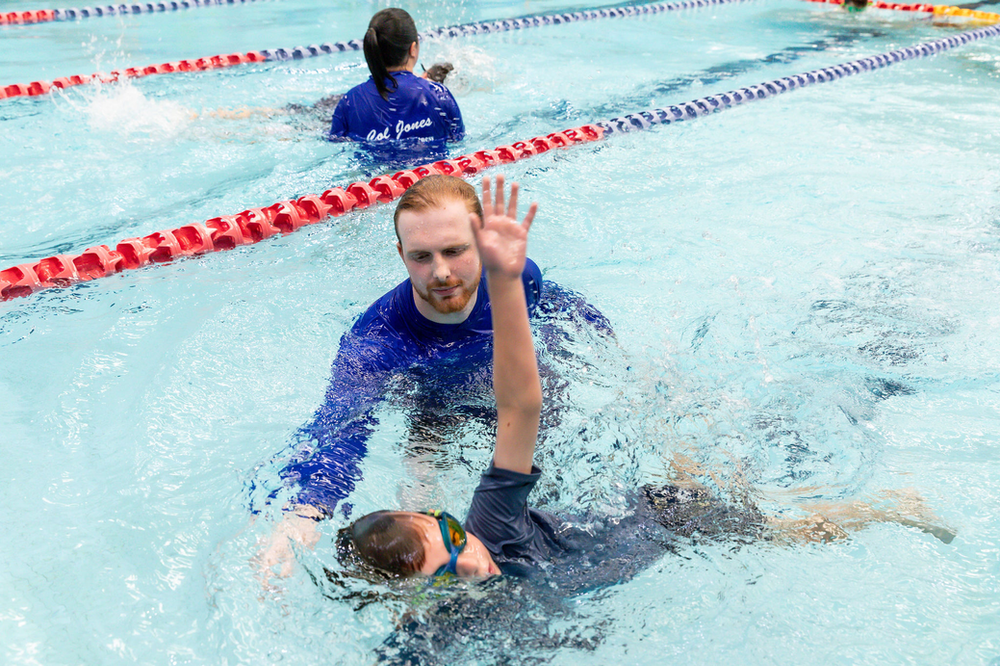
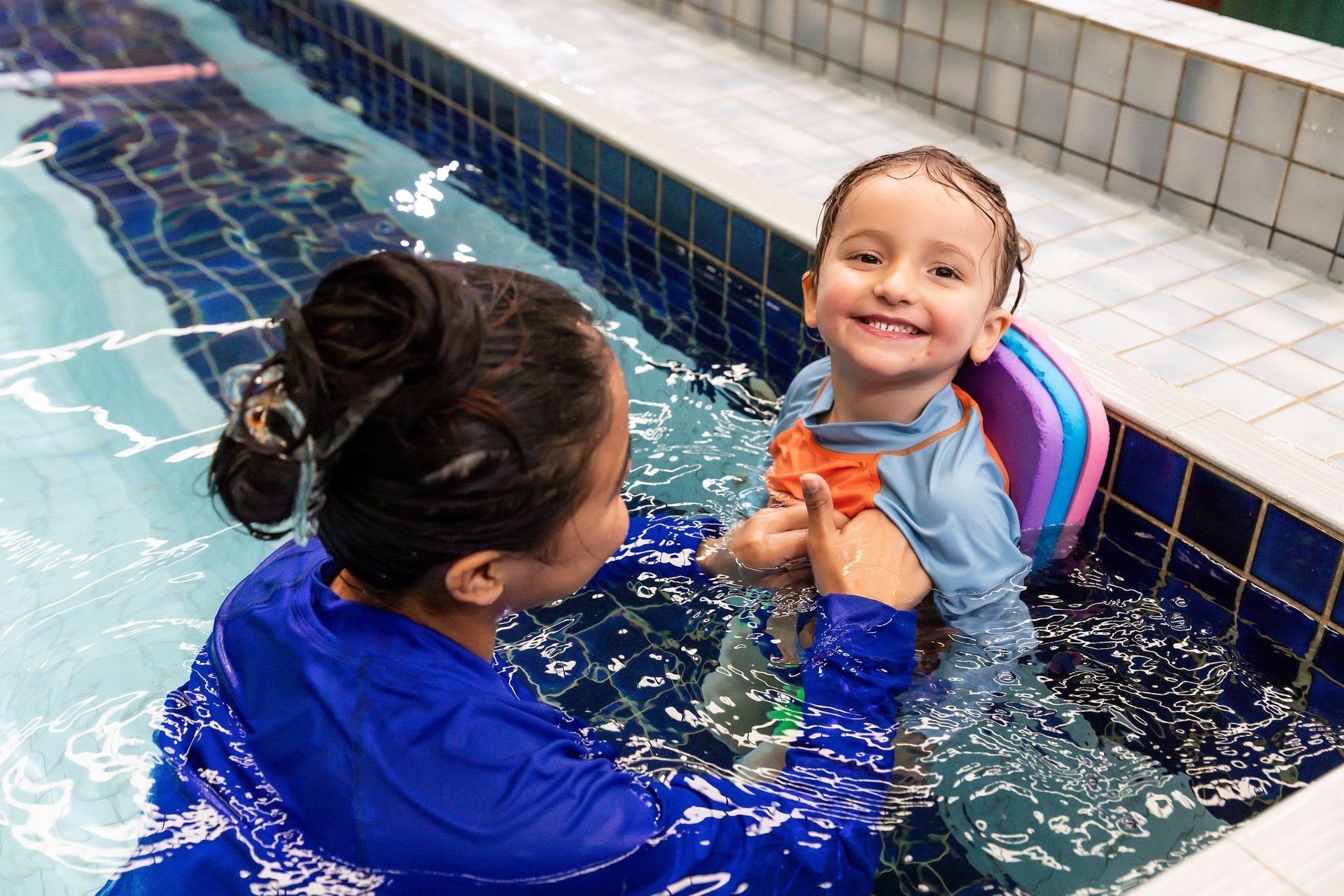
First, warm water reduces cold shock and shivering. Beginners in warm water can comfortably focus on mouth bubbling, rhythmic breathing, and horizontal floating without teeth-chattering distractions. Keeping students warm prevents sudden body fatigue, allowing them to participate happily throughout the entire duration of their class.
Second, warm water relaxes muscles for enhanced flexibility. Tight, cold muscles restrict joint movement and lead to rigid, inefficient kicks. In a heated pool, flexible muscles permit a full range of motion, helping students learn smooth arm recovery, relaxed flutter kicks, and proper side-breathing posture without straining their shoulders or hips.
Finally, consistent water warmth drives reliable attendance year-round. Cold winter weather often deters parents from bringing their children to swimming lessons, resulting in skipped classes and lost muscle memory. Heated indoor pools eliminate seasonal interruptions, ensuring students maintain consistent practice routines that build long-term retention and confidence.
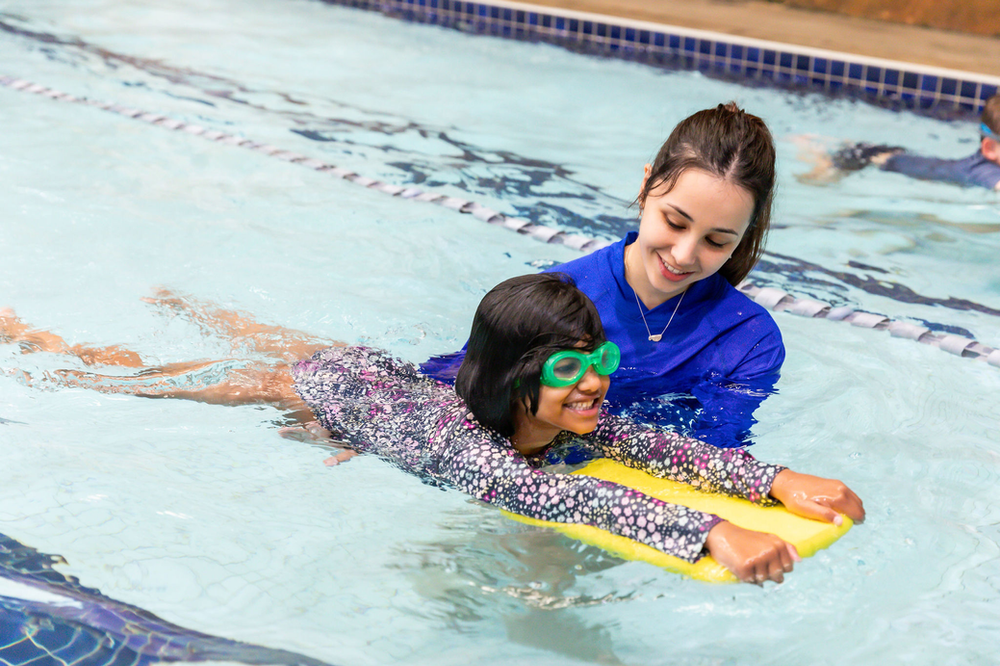
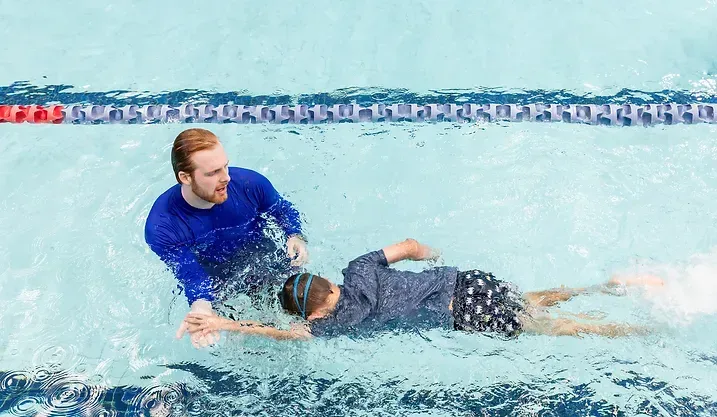
Image Suggestion: A smiling swim student practicing kicks while held comfortably by an instructor in a warm indoor pool.
Step-by-Step Pool Progression Supports Swimmer Growth
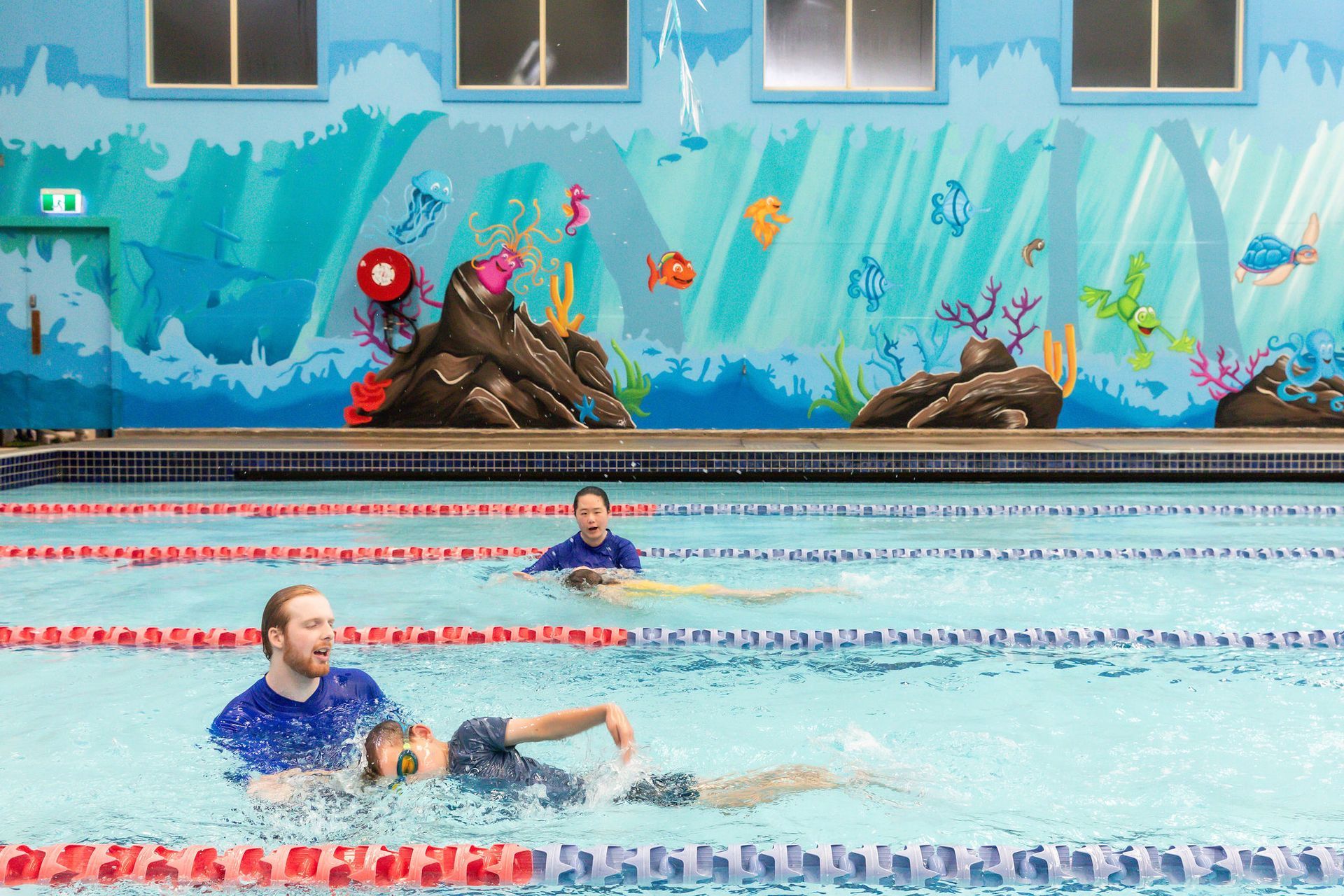
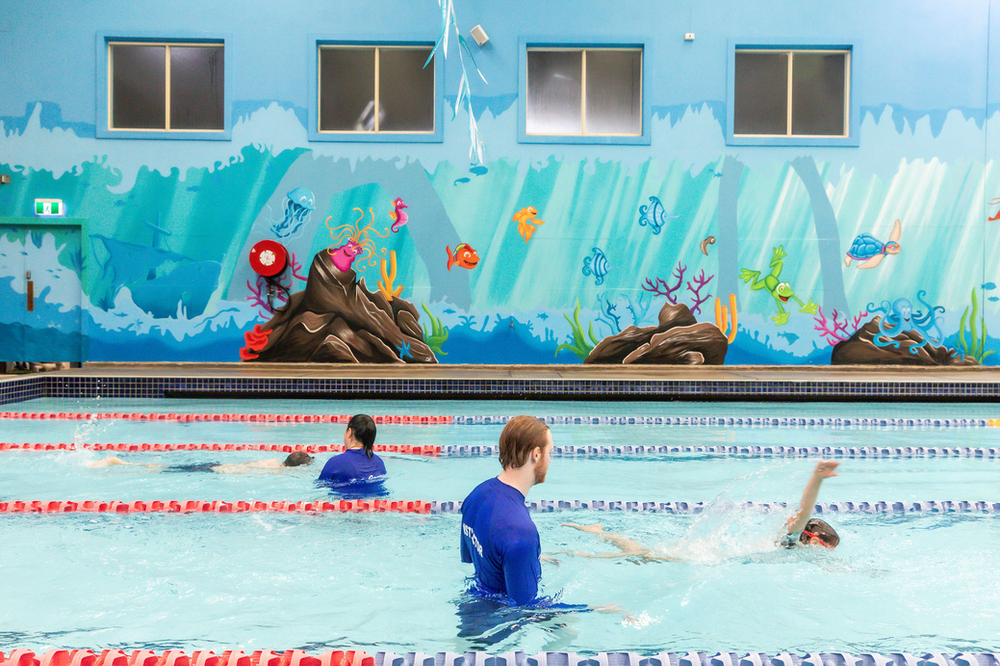
Col Jones Swim Tempe utilizes three distinct pool environments to guide swimmers through each phase of skill acquisition. Stepping directly into a large, deep pool can be intimidating for beginners, which is why having distinct facilities tailored to skill levels is crucial for athletic and psychological progression.
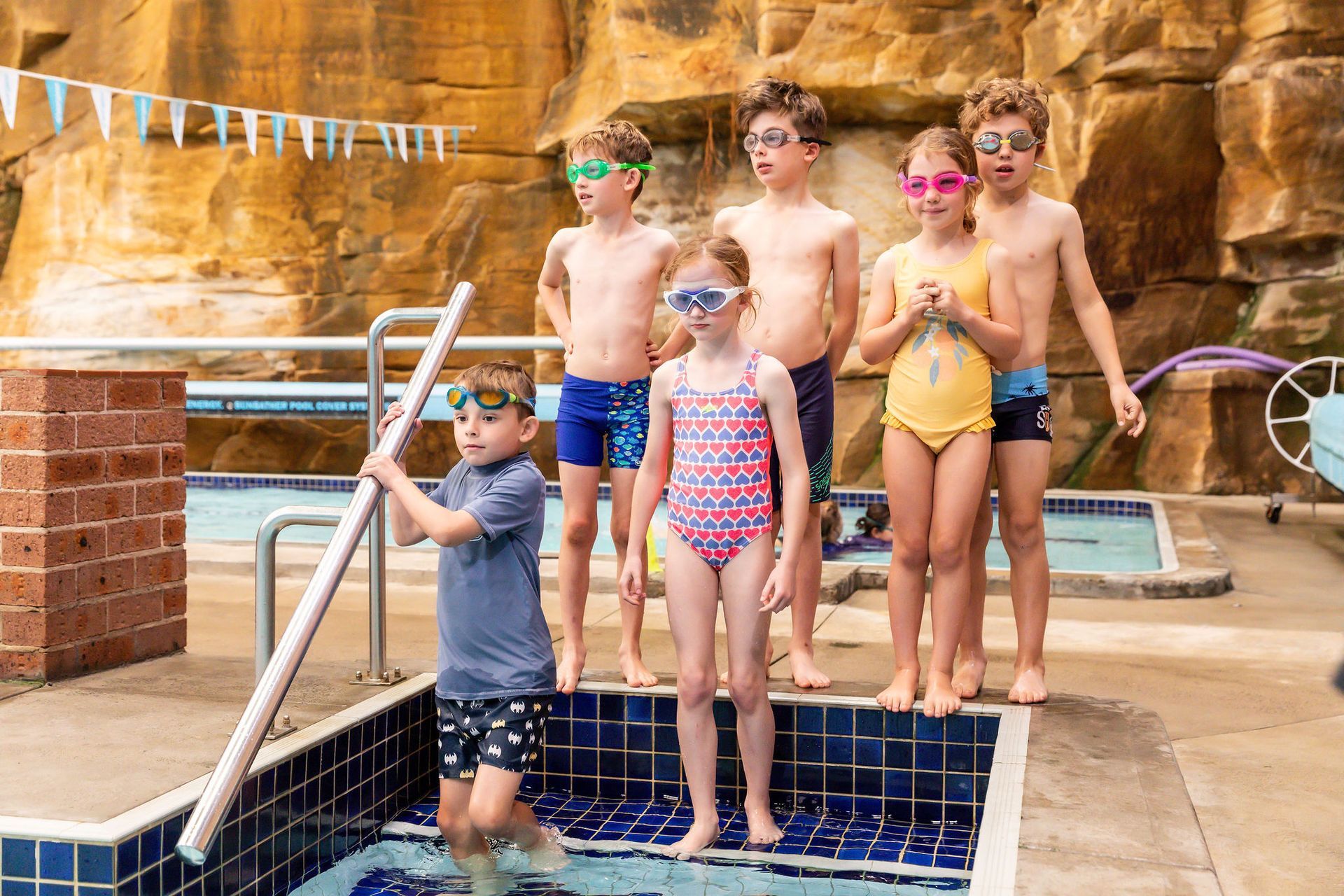
The Small Beginner Pool is designed specifically for novices and first-time swimmers. Featuring a shallow depth and gentle warm water, this space allows toddlers and anxious beginners to stand easily. Here, students focus on foundational safety skills such as independent back floating, gentle kicking, initial submersions, and learning to grip the pool wall securely.
As skills develop, students transition into the Teaching Improver Pool. This intermediate space features moderate depth, allowing developing swimmers to practice short laps, side-breathing timing, freestyle, and backstroke mechanics without the intimidating scale of a full competition lane. Controlled lap lengths help students build physical endurance while maintaining clean stroke technique.
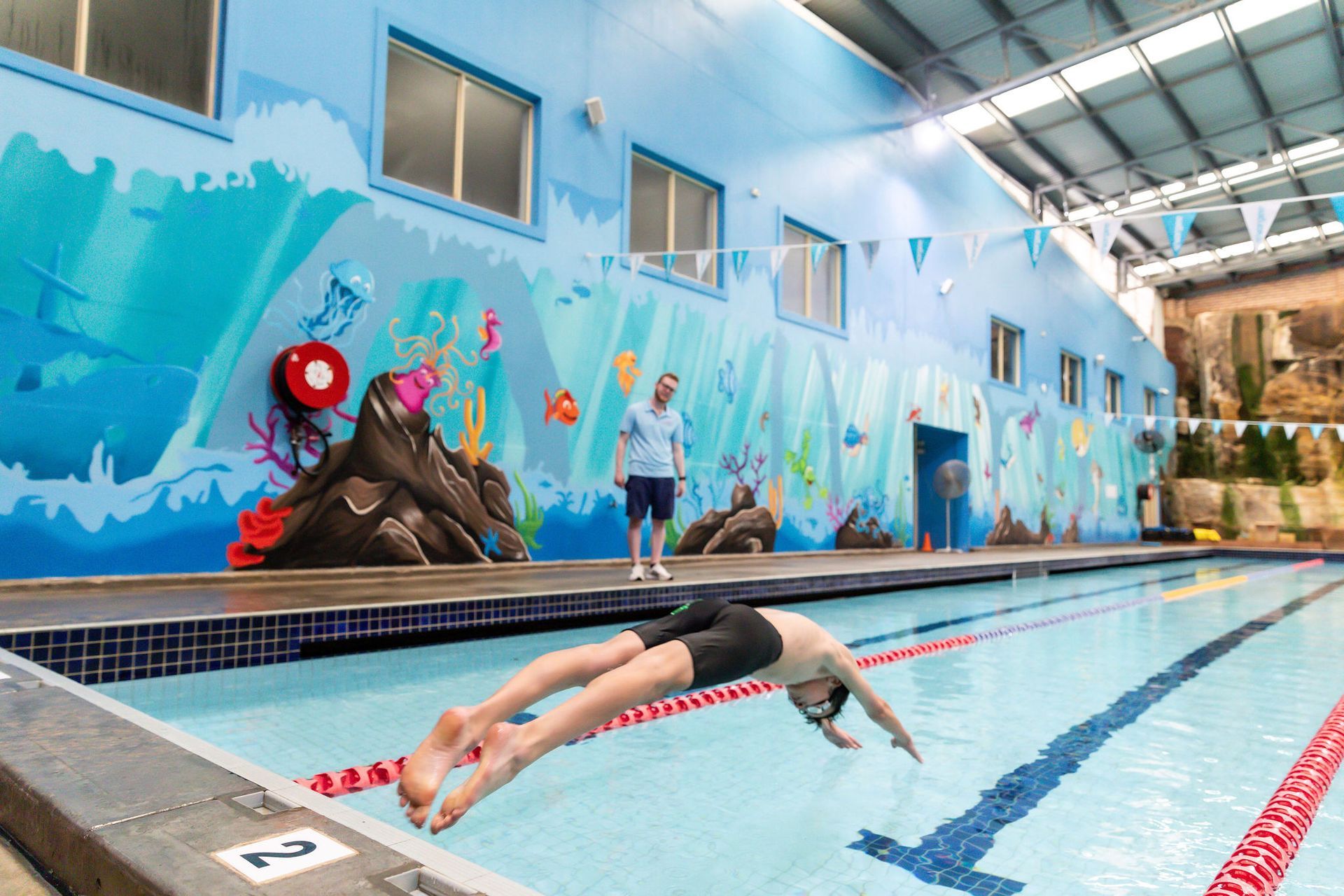
Finally, advanced learners and squad athletes move into the 25-Metre Lap Pool. Featuring full-length lanes, this pool provides the ideal depth and distance for mastering stroke efficiency, flip turns, dive starts, and cardiovascular stamina. Moving through these three tailored stages ensures that every swimmer is challenged appropriately without feeling overwhelmed.
Safety Standards and Eco-Friendly Operations
Strict supervision, facility maintenance, and sustainable practices ensure a safe experience for all students. Providing a top-tier learning environment requires maintaining rigorous safety protocols and clean facility hygiene behind the scenes.
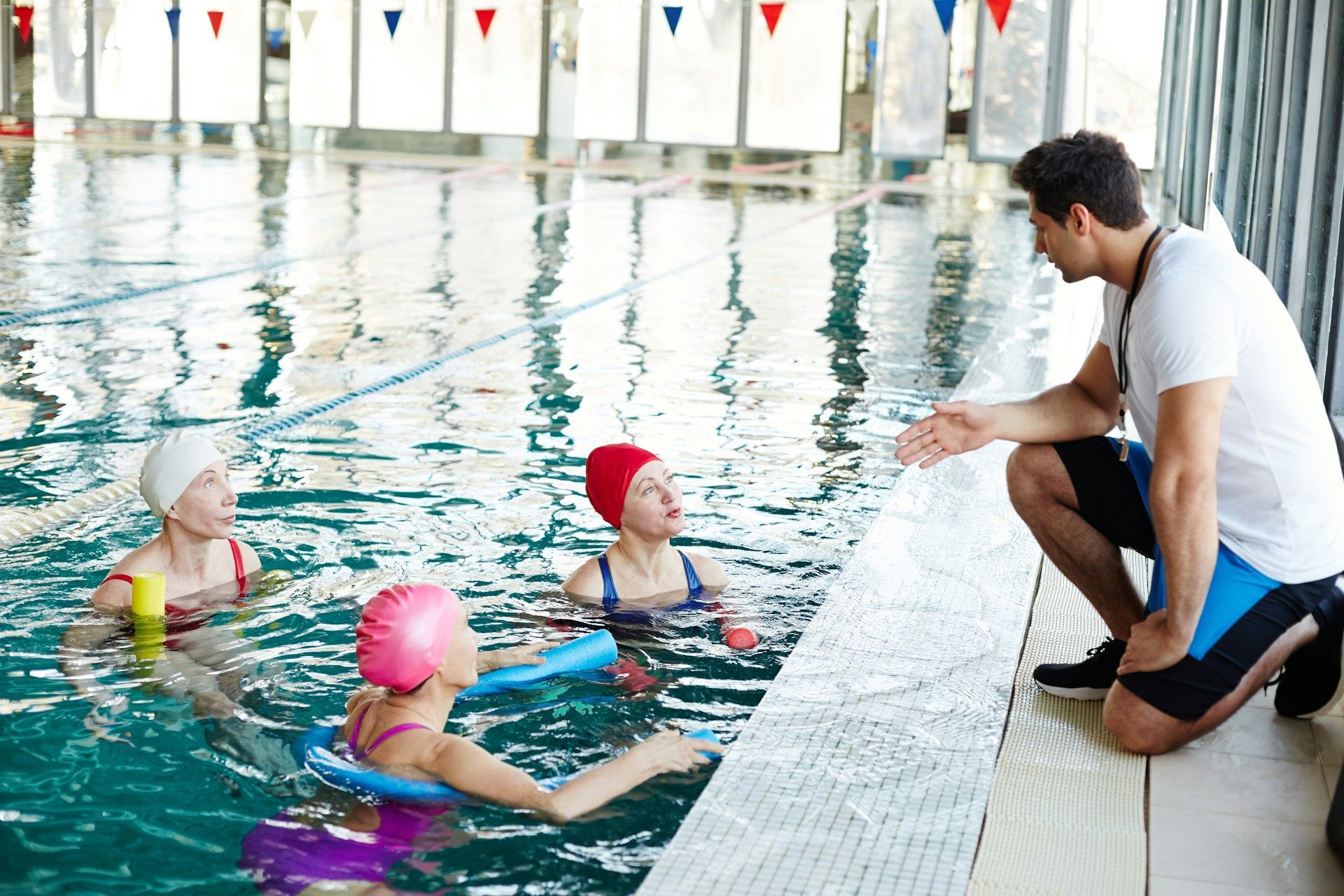
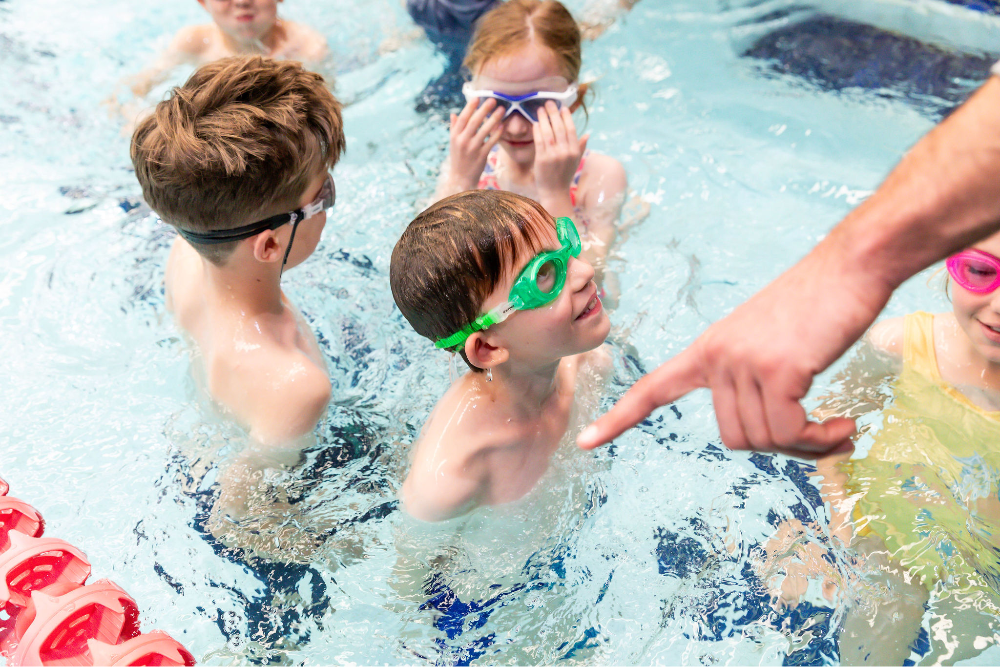
Continuous supervision is maintained at all times. Fully trained lifeguards and certified swim instructors actively oversee every pool to enforce pool rules, support safety drills, and ensure every student remains safe during their lesson. Small class ratios allow teachers to give undivided attention to each child's physical technique and emotional state.
Facility safety features are integrated into every corner of the center. Non-slip deck surfacing prevents slips around wet areas, while clear pool depth markers ensure swimmers understand pool dimensions before entering. Furthermore, water filtration and chemical balances are continuously monitored to guarantee pristine, crystal-clear water that won't irritate sensitive eyes or skin.
Eco-friendly heating and management practices ensure these high standards are delivered sustainably. The center utilizes energy-efficient heat pumps instead of standard gas systems and deploys heavy-duty thermal pool blankets over the water for up to 80% of the day to prevent heat loss. In addition, recycled paper towels and water recycling initiatives for toilet systems keep the facility environmentally responsible.
Conclusion
Summary
Learning to swim in a warm, heated pool transforms a potentially intimidating process into an enjoyable, rewarding journey. By combining thermal comfort, structured pool progression, strict safety standards, and sustainable facility operations, Col Jones Swim Tempe provides an ideal environment for building lifelong aquatic skills.
Book a Strategy or Discovery Call
Ready to help your child build lifelong water confidence in a warm, supportive environment? Contact our swimming team today to learn more about our tailored programs and book a lesson in our heated pools.
Frequently Asked Questions
Why is pool temperature so important for beginner swimmers?
Warm water prevents shivering and anxiety, keeping muscles loose so beginners can focus entirely on breathing, floating, and basic stroke technique without physical discomfort.
At what age can my child join the learn to swim program?
Children can begin introductory water familiarity classes as early as six months old, transitioning into structured independent lessons around age three.
How does Col Jones Swim Tempe ensure pool water hygiene?
All three pools undergo automated, continuous filtration and water balance monitoring daily to ensure the water is clean, clear, and safe for delicate skin and eyes.
How long does it take for a beginner to move to the next pool level?
Progression varies by individual child, but regular weekly attendance in warm water helps students build skills consistently and advance through pool levels faster.
Is the facility open and heated during the winter months?
Yes, our facility is fully enclosed and heated year-round, providing a warm, comfortable space for uninterrupted swim instruction regardless of outdoor weather.