Why Swimming Lessons Are a Must for Every Sydney Kid
Key Takeaways
- Lifesaving Survival Skills: Teaches essential back floating, treading water, breath control, and emergency self-rescue mechanics for coastal safety.
- Full-Body Physical Development: Enhances heart and lung stamina, muscle strength, balance, and motor coordination without joint strain.
- Social Growth and Confidence: Encourages peer support, team cooperation, active listening, and social interaction in positive small groups.
- 50-Year Community Heritage: Structured learning across three specialized heated pools ensures safety, comfort, and skill progress year-round.
Introduction
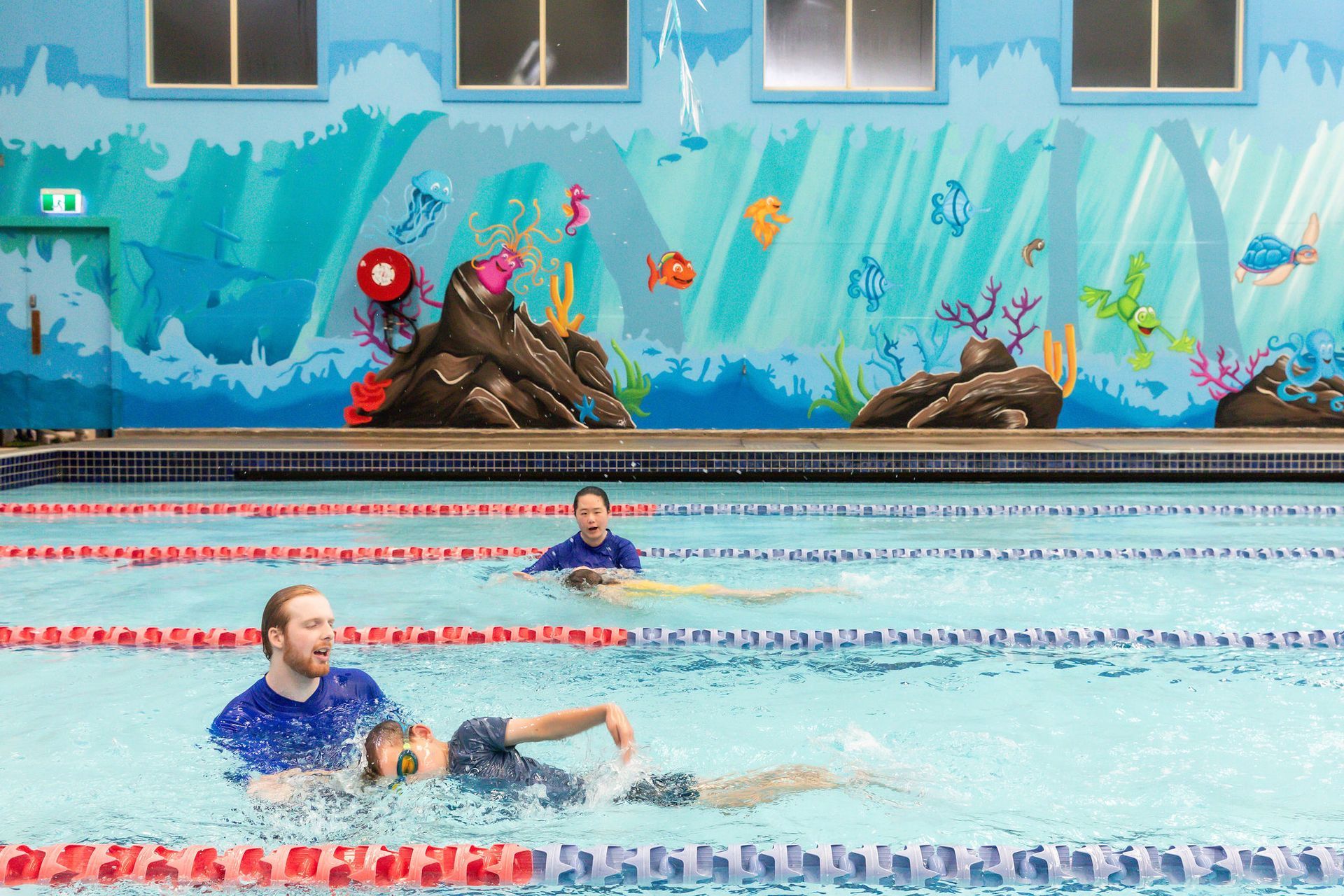
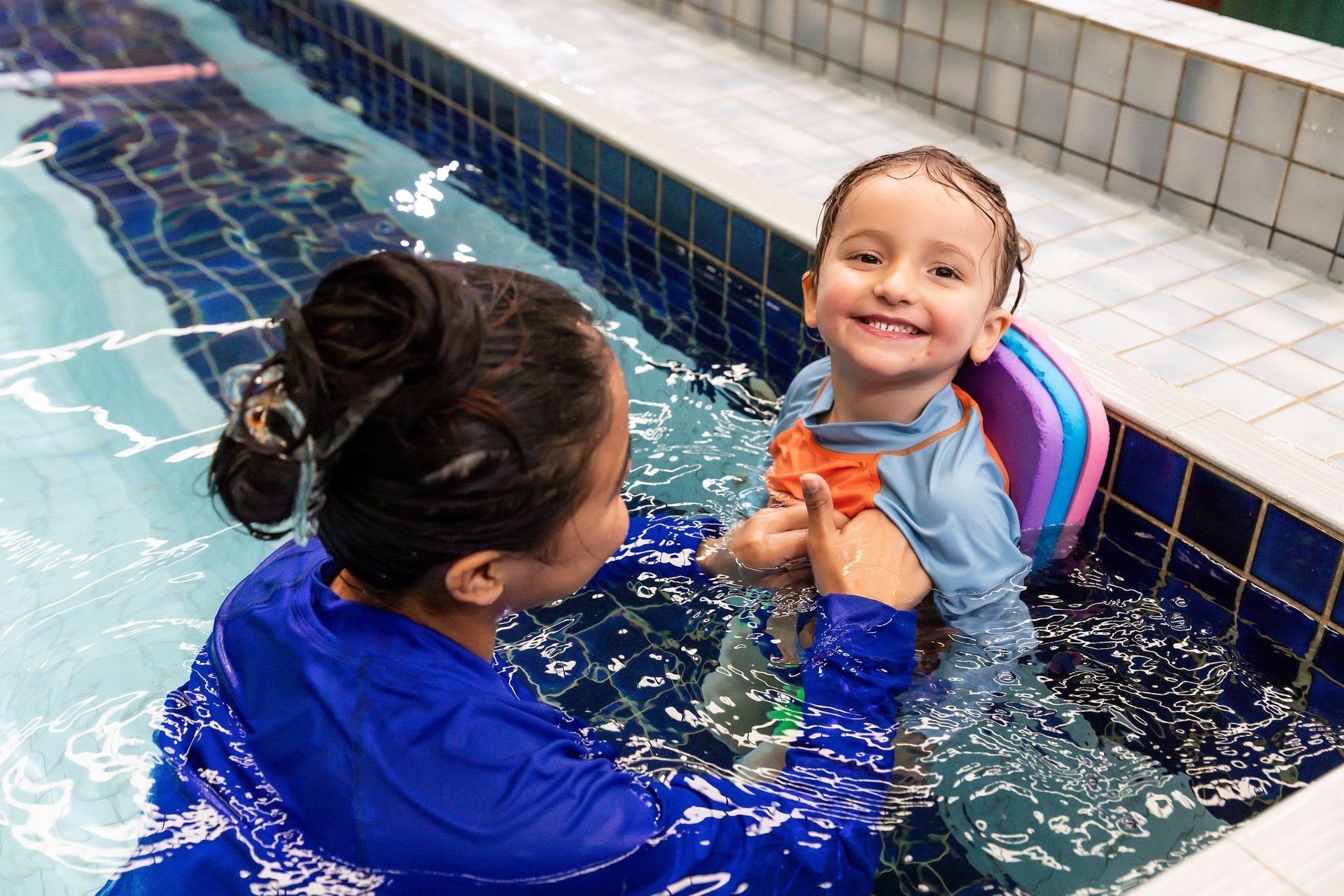
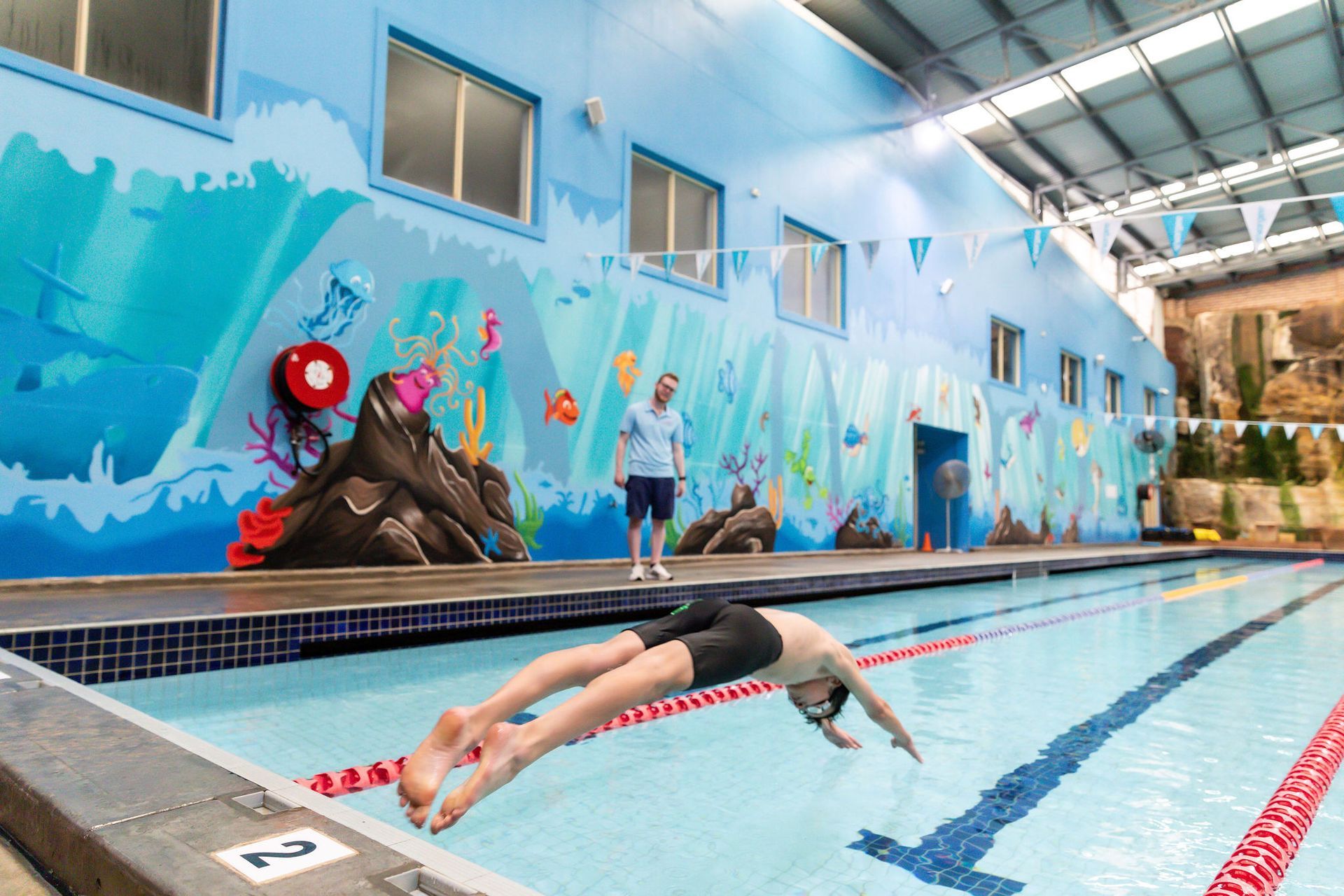
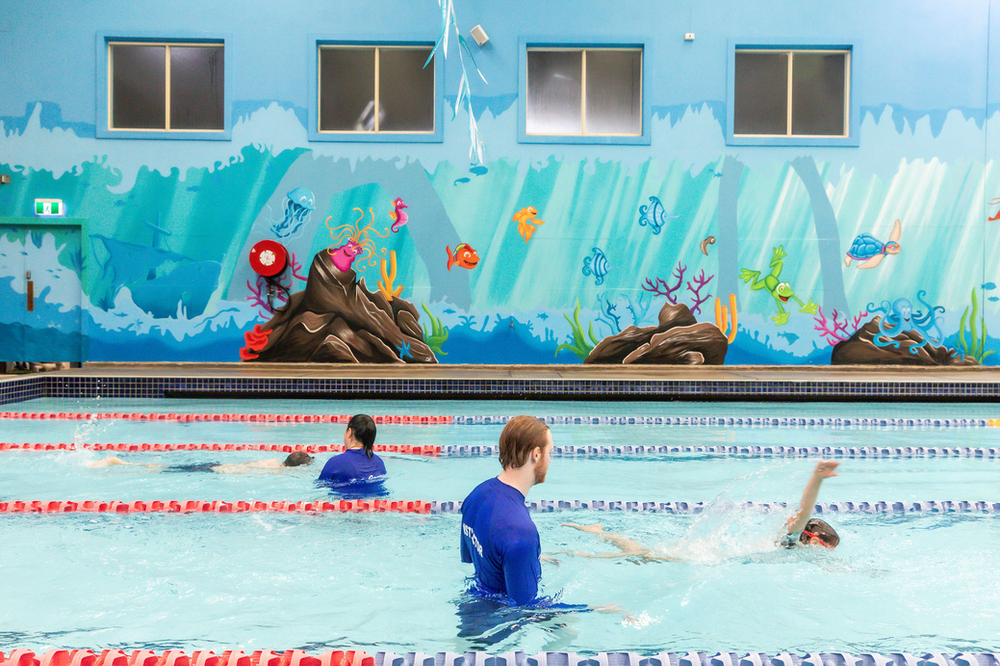
For children growing up in coastal cities like Sydney, swimming lessons provide essential life skills that combine water safety, physical conditioning, and social development. Backed by over 50 years of community aquatic education, Col Jones Swim Tempe delivers structured swim programs across three specialized heated pools to ensure every child builds lasting water confidence through expert kids swimming lessons Inner West Sydney parents rely on at Col Jones Swim Tempe.
Living in a harbor city means children are constantly surrounded by water, from local ocean beaches and backyard pools to rivers and harbor bays. Without formal water safety instruction, open water environments present significant drowning risks for young children who lack physical water mobility or emergency survival skills.
Enrolling your child in professional swimming lessons is the single best investment in their long-term safety, health, and personal development. By learning proper floating techniques, breathing patterns, and stroke efficiency early in life, children develop a healthy respect for the water while gaining skills that unlock a lifetime of safe aquatic fun.
Lifesaving Skills Children Gain in Swim Lessons
Structured swimming lessons teach practical techniques to prevent drowning and navigate unexpected aquatic emergencies safely. Accidents can happen in seconds, making instinctual water safety habits essential for every child exploring coastal Sydney.
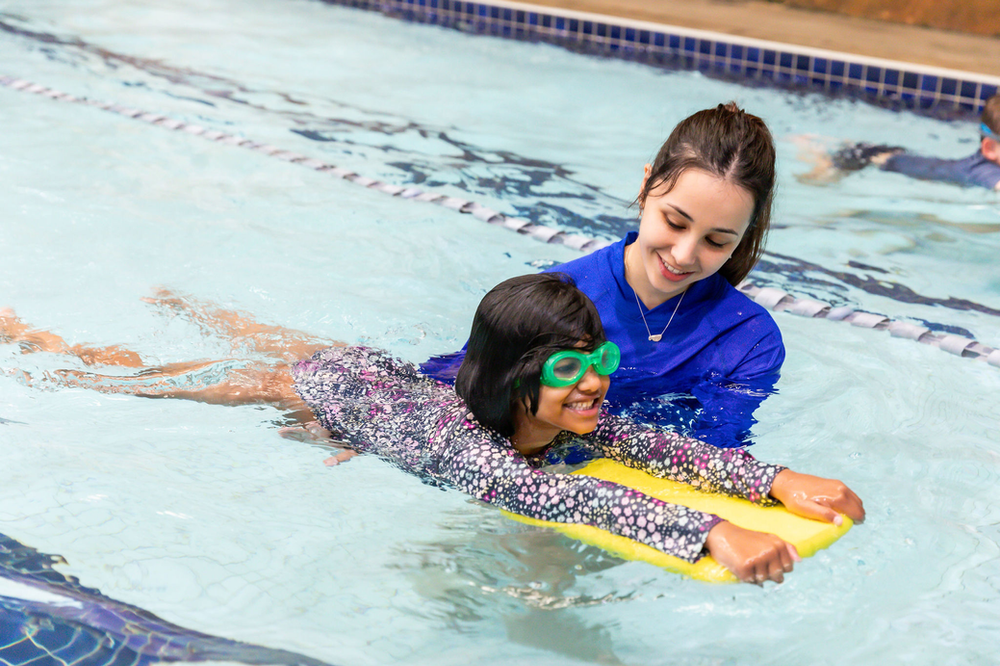
Core survival floating is the primary defensive skill taught to young swimmers. Children learn to roll onto their back, relax their muscles, regulate their breathing, and keep their airways clear of water when tired or disoriented, conserving vital physical energy while waiting for assistance.
Emergency response skills empower children to evaluate dangerous water conditions and recognize potential risks. Through age-appropriate safety drills, students learn how to navigate currents, enter unknown water safely, avoid dangerous drains, and shout for adult help immediately if a friend experiences distress in the water.
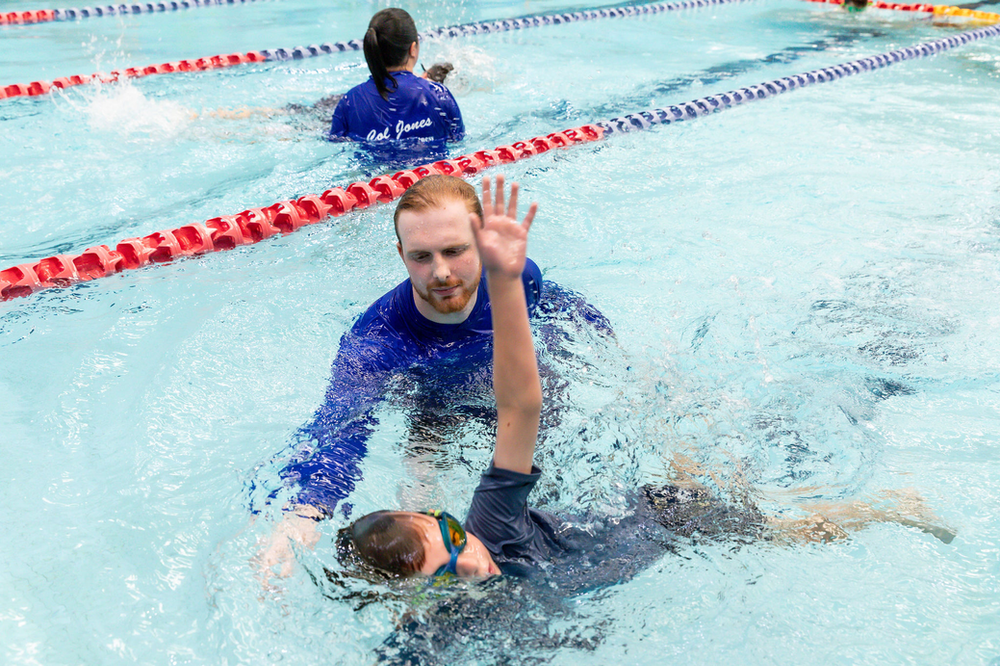
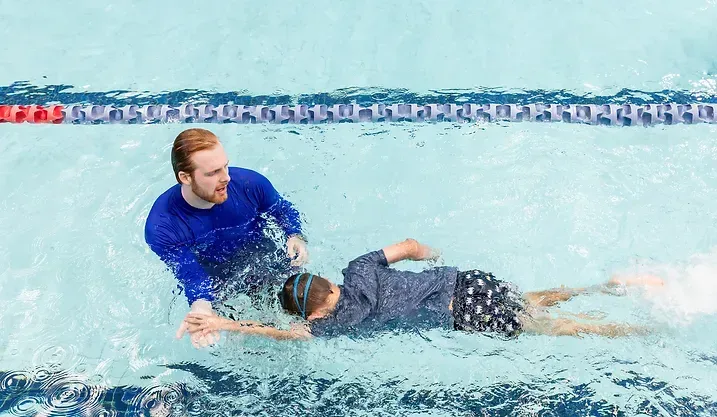
Propulsive stroke mechanics build efficient swimming movement so children can swim away from danger or cover distance without exhaustion. Mastering clean freestyle kicking, backstroke alignment, and controlled breath management ensures that young swimmers maintain control, balance, and composure in deep or choppy water.
How Swimming Benefits Physical Health and Development
Swimming provides a low-impact, full-body workout that supports physical growth and lifelong fitness habits. Moving against gentle water resistance strengthens muscles, bones, and cardiovascular organs without placing excessive shock on growing joints or ligaments.
Cardiovascular health improves rapidly as young swimmers practice rhythmic breath control and sustained lap kicking. Moving through water demands continuous oxygen delivery, strengthening the heart muscle, expanding lung capacity, and building aerobic endurance that enhances physical stamina in all other youth sports.
Motor coordination and neurological balance are significantly enhanced through swimming's unique cross-lateral movement patterns. Alternating arm pulls and kicking motions require both brain hemispheres to communicate simultaneously, improving spatial awareness, core balance, postural alignment, and gross motor skills.
Balanced muscle development occurs naturally as water provides three-dimensional resistance to every push and pull. Unlike sports that overemphasize one side of the body, swimming tones major muscle groups evenly including shoulders, core, back, and legs reducing structural muscle imbalances and lowering sports injury risks.
Building Social Skills and Confidence in Group Lessons
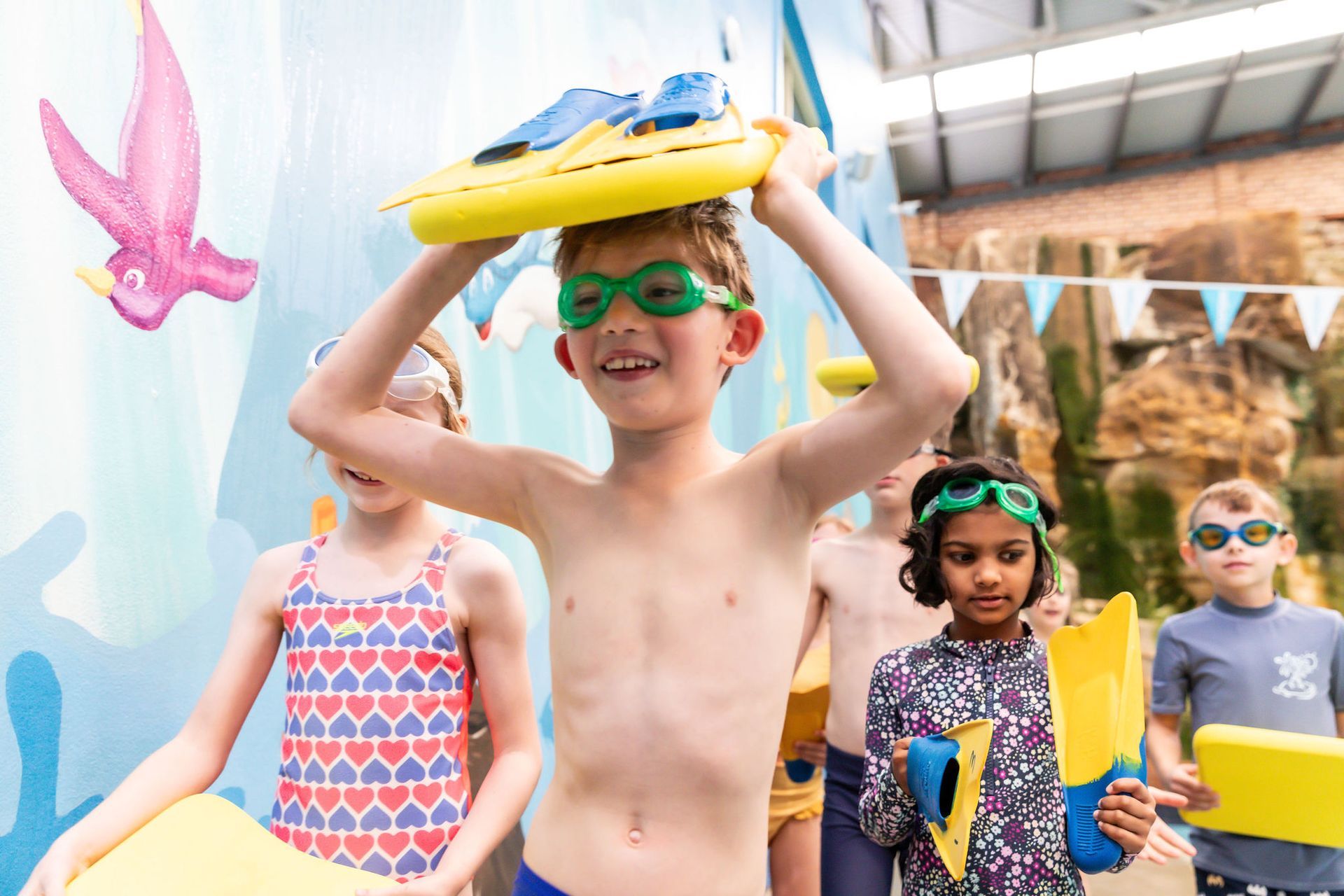
Group swim classes create a collaborative environment where students learn valuable interpersonal skills alongside stroke techniques. Sharing the water with peers transforms learning into an engaging social adventure that fosters emotional maturity and mutual support.
Peer encouragement inspires children to attempt new physical challenges with enthusiasm. Watching classmates master floating, face submersion, or deep-water entries helps hesitant students overcome personal fear, while celebrating shared milestone badges builds strong group camaraderie and self-esteem.
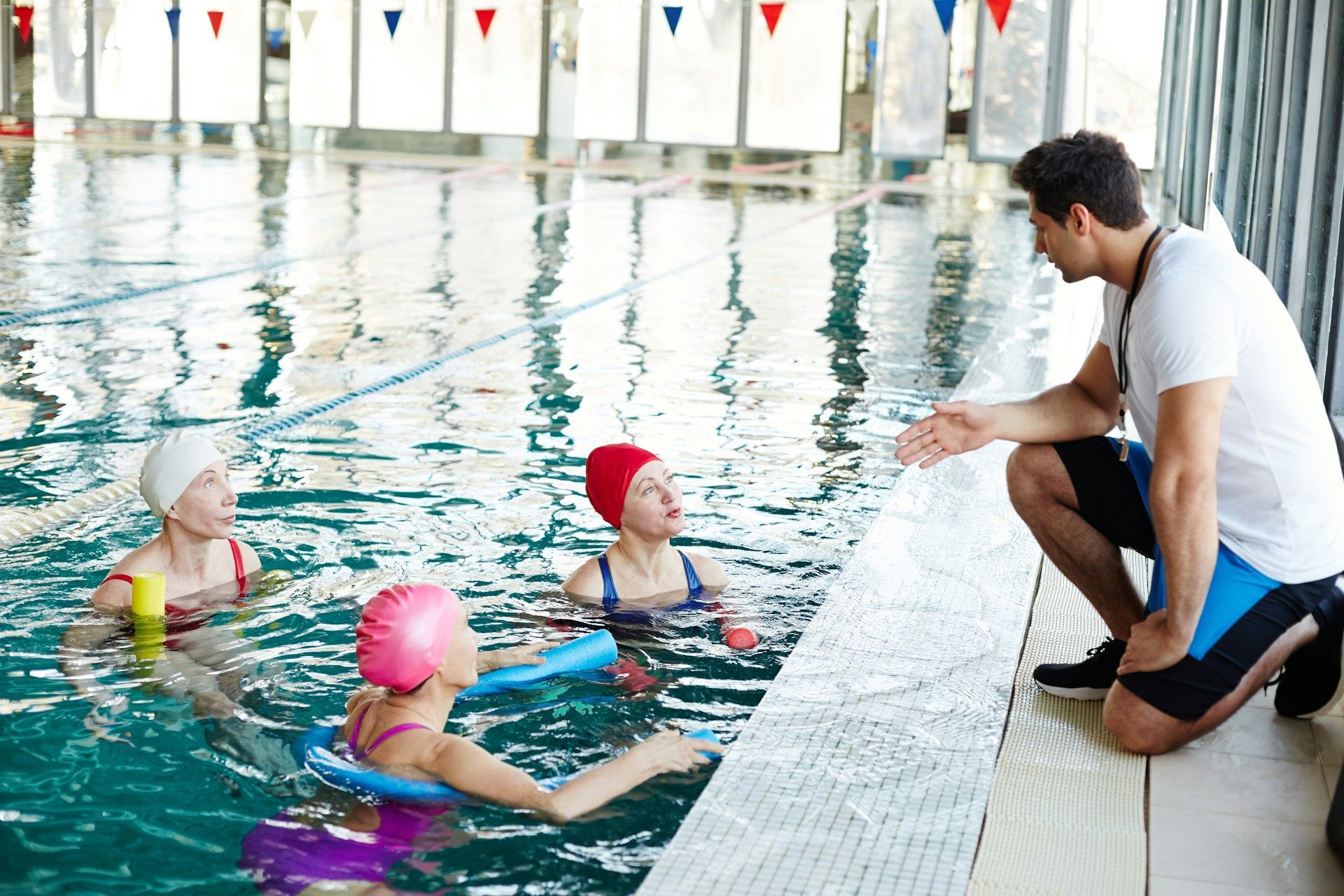
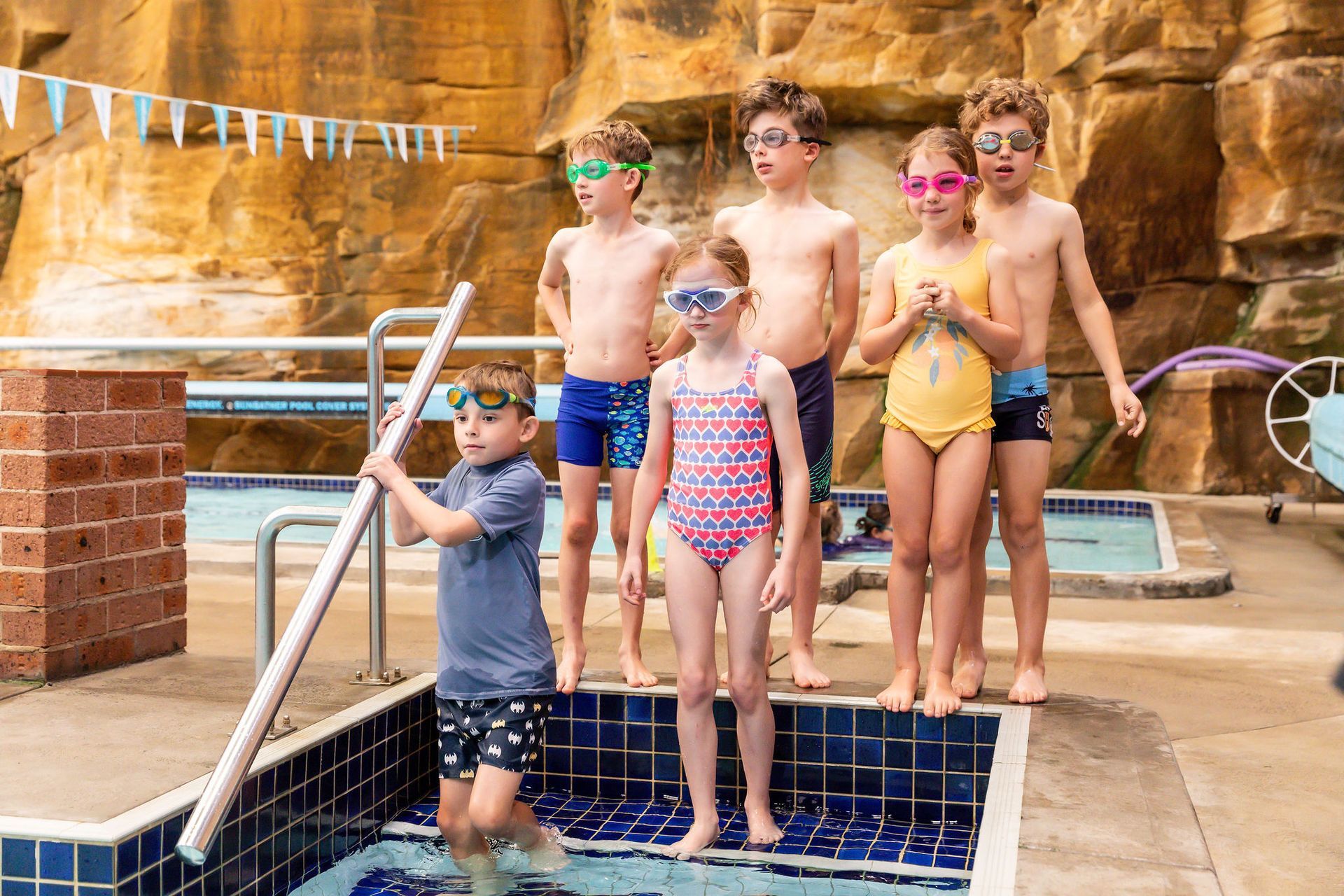
Teamwork and cooperation are embedded into daily class routines. Group drills teach children essential life habits, such as taking turns, waiting patiently at lane ends, respecting personal space, listening closely to instructor cues, and following shared pool safety rules.
Inclusive lesson environments ensure children of all physical abilities, skill levels, and learning speeds participate comfortably. Swimming offers a supportive level playing field where every child can progress at their own pace without the high-pressure judgment often found in competitive land-based team sports.
Col Jones Swim Tempe remains committed to providing safe, accessible, and high-quality aquatic education for Inner West Sydney families. Contact Col Jones Swim Tempe today to enroll your child in an upcoming swim class.
Conclusion
Summary
Swimming lessons are an essential rite of passage for every child growing up in Sydney. By pairing lifesaving survival floating with full-body physical conditioning and positive social interaction, Col Jones Swim Tempe's structured programs across three heated pools ensure children develop the confidence, physical strength, and safety habits needed for a lifetime of water enjoyment.
Book a Strategy or Discovery Call
Ready to equip your child with lifesaving water safety skills and watch their confidence flourish? Contact our swimming team today to schedule a skill assessment and find the ideal class for your family.
Frequently Asked Questions
What is the best age for my child to start swimming lessons?
Children can start water familiarity classes as early as six months old. Early exposure helps infants adapt to water sensory feelings, preventing future fear and accelerating independent skill learning.
How often should my child attend swimming lessons each week?
Attending at least one weekly class year-round provides consistent skill development, while adding intensive holiday blocks fast-tracks progress and locks in physical muscle memory.
What survival skills are emphasized in beginner swim classes?
Beginner classes prioritize independent back floating, breath holding, bubble blowing, treading water, rolling from front to back, and safe pool entries and exits.
Are lessons held in heated pools during winter?
Yes, all three pools at Col Jones Swim Tempe are indoor, climate-controlled, and heated year-round, allowing children to maintain their weekly swim routine comfortably regardless of winter weather.
How do small class sizes benefit my child's learning?
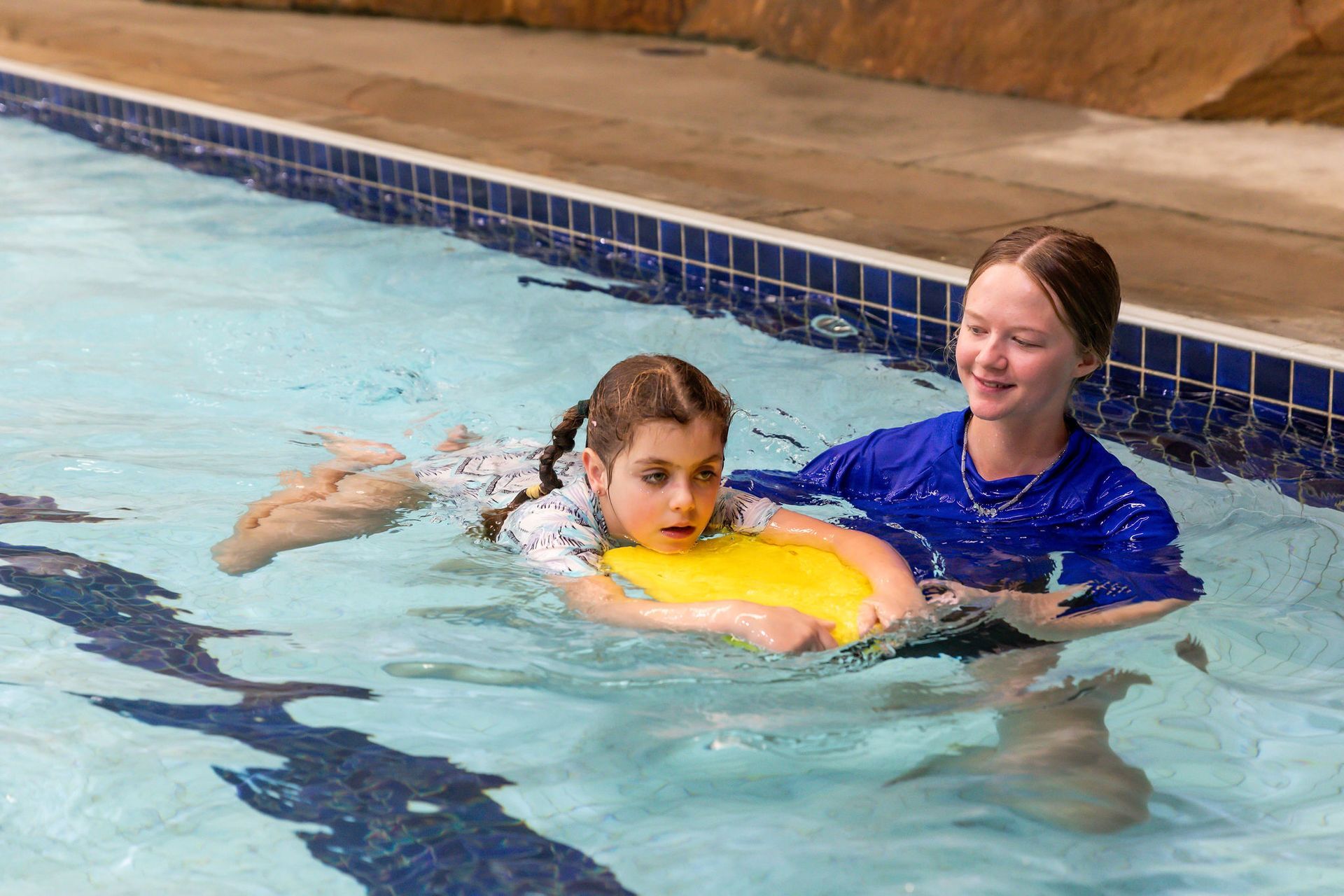
Low student-to-teacher ratios ensure that every child receives direct instructor supervision, personalized stroke correction, maximum active swimming time, and a safe learning environment.