The Best Water Safety Tips Your Kids Will Learn at Col Jones Swim Tempe

Teaching kids water safety is crucial for ensuring they can enjoy swimming while staying safe. At Col Jones Swim Tempe, we focus on imparting essential water safety tips to help children feel confident and secure in and around water. With over 50 years of experience and dedicated swimming programs, we aim to provide accessible and effective water safety education for every child in Sydney.
Understanding water safety goes beyond just swimming skills. It's about fostering respect for water, awareness of potential hazards, and the ability to react appropriately in emergency situations. By integrating these lessons into our swim programs, we ensure that every child not only becomes a skilled swimmer but also a responsible one. Join us in promoting the best water safety practices and making swimming a safe and enjoyable activity for all.
Essential Water Safety Tips Every Child Should Know
At Col Jones Swim Tempe, we believe that all children should understand key water safety tips. These basics help them stay safe while having fun in the water. Here are the essentials:
- Never Swim Alone:
One of the most important rules is never to swim without supervision. Whether in a pool, lake, or ocean, kids should always have an adult watching them.
- Learn to Float and Tread Water:
Floating and treading water are vital skills that can save lives. Knowing how to stay afloat gives children confidence and buys crucial time if they find themselves in deep water.
- Understand Pool Rules:
Familiarise children with pool rules such as no running, no diving in shallow water, and obeying lifeguards. These rules aren't just for order; they prevent accidents.
- Recognise Water Hazards:
Teach kids to identify potential dangers like strong currents, slippery edges, and unfamiliar depths. Knowing what to watch out for helps them make safer choices.
- Emergency Signals and Responses:
Kids should know how to signal for help and respond in emergencies. Simple actions like waving an arm or using a safety whistle can make a big difference.
The Role of Swimming Lessons in Water Safety
Swimming lessons play a crucial role in teaching water safety. At Col Jones Swim Tempe, we incorporate safety practices into every lesson. Here's how our structured lessons contribute to water safety:
- Skill Building:
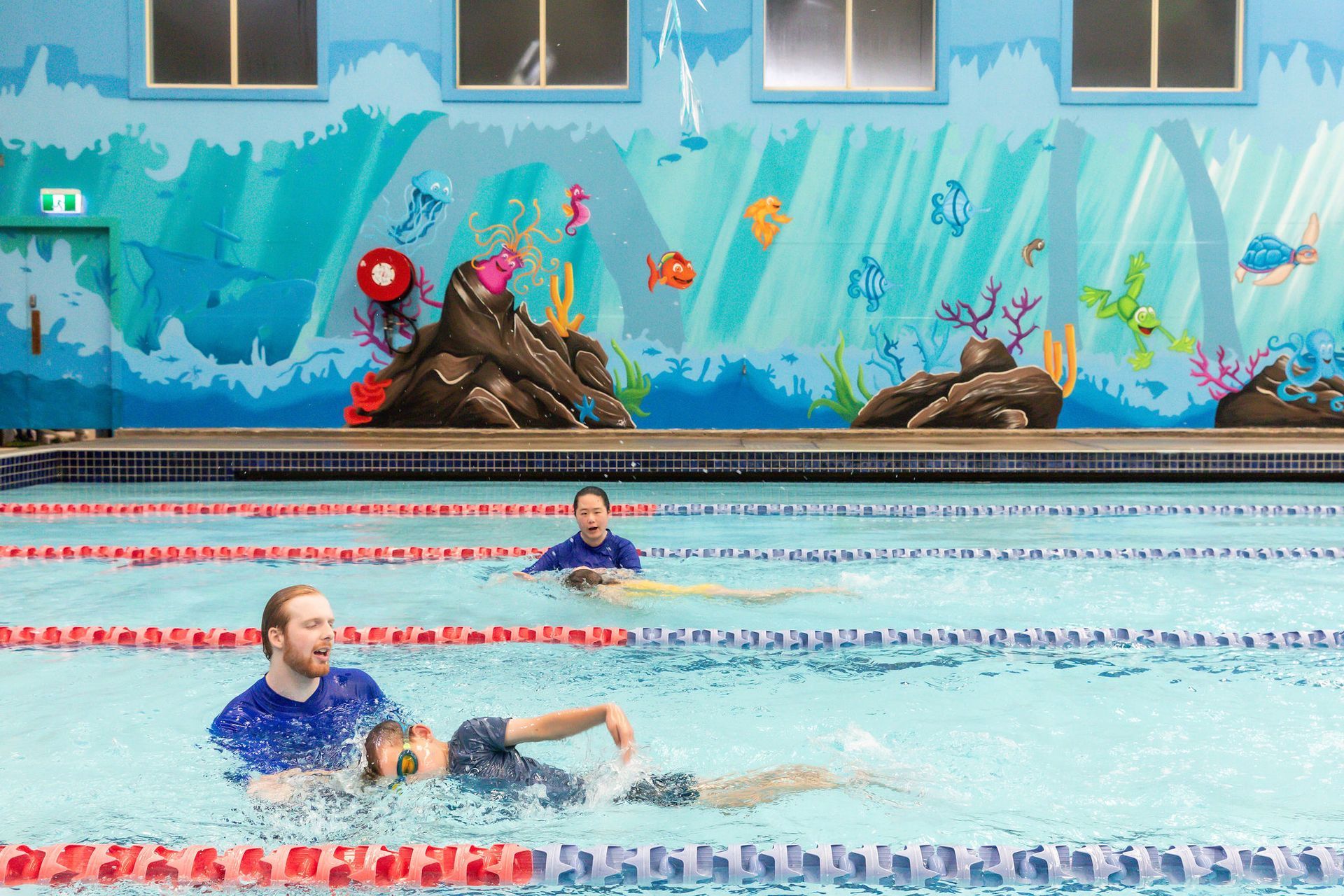
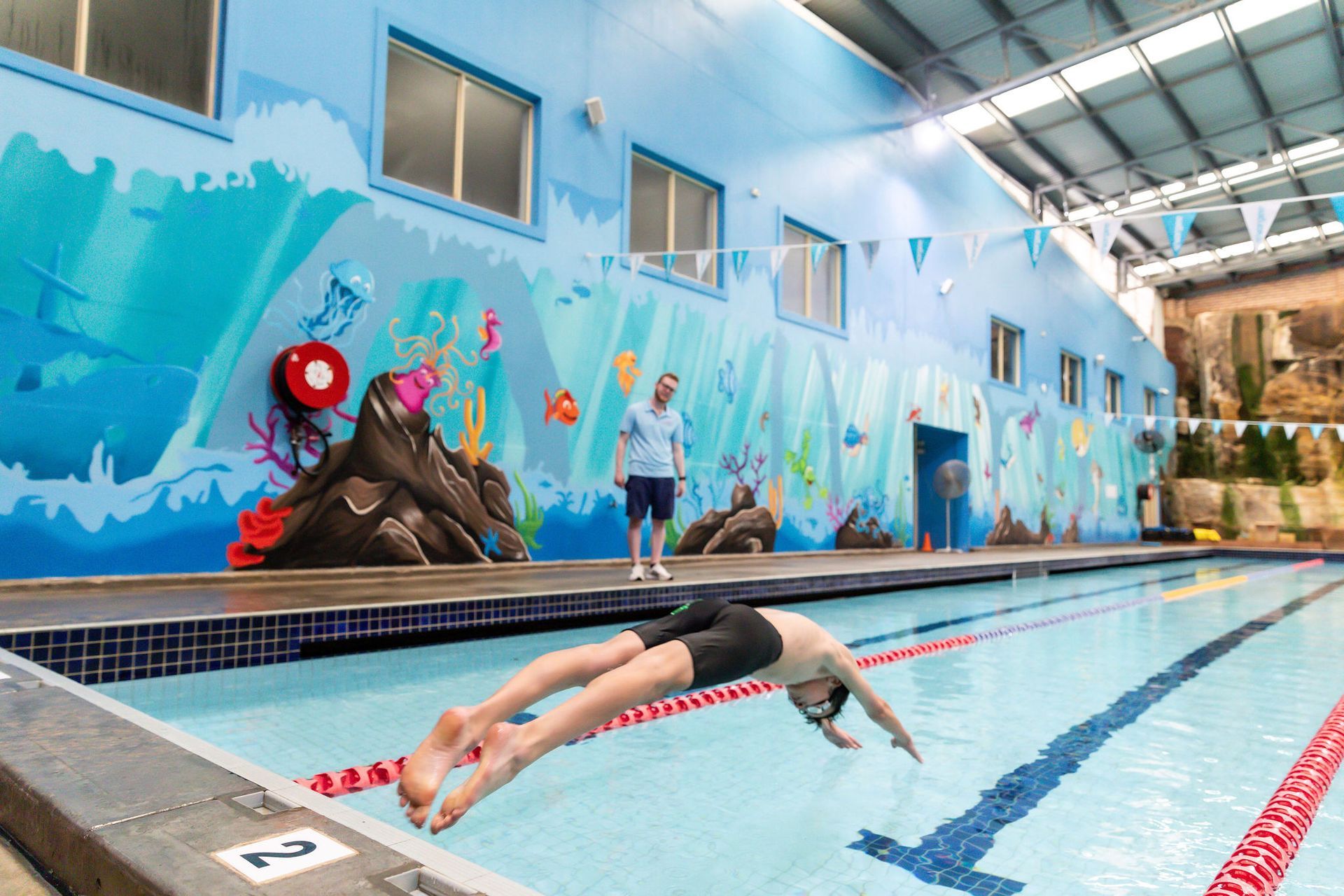
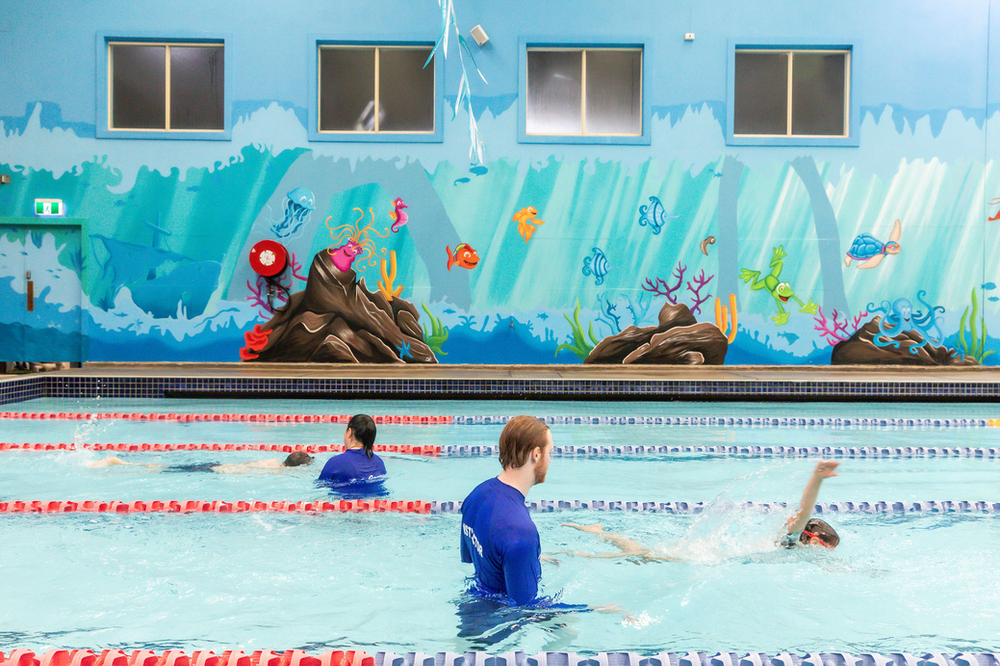
From our Small Beginner Pool to the 25-metre Lap Pool, each swimming pool is designed to nurture skill development. Beginner lessons focus on basic water comfort, while advanced sessions refine strokes and endurance.
- Comfort in Water:
Regular swimming lessons help children become more comfortable in the water. This familiarity reduces panic in difficult situations, allowing them to react calmly and effectively.
- Routine Practice:
Continuous lessons ensure that water safety skills are regularly practised and reinforced. Through consistent routines, children remember important safety tips more naturally.
- Instructor Guidance:
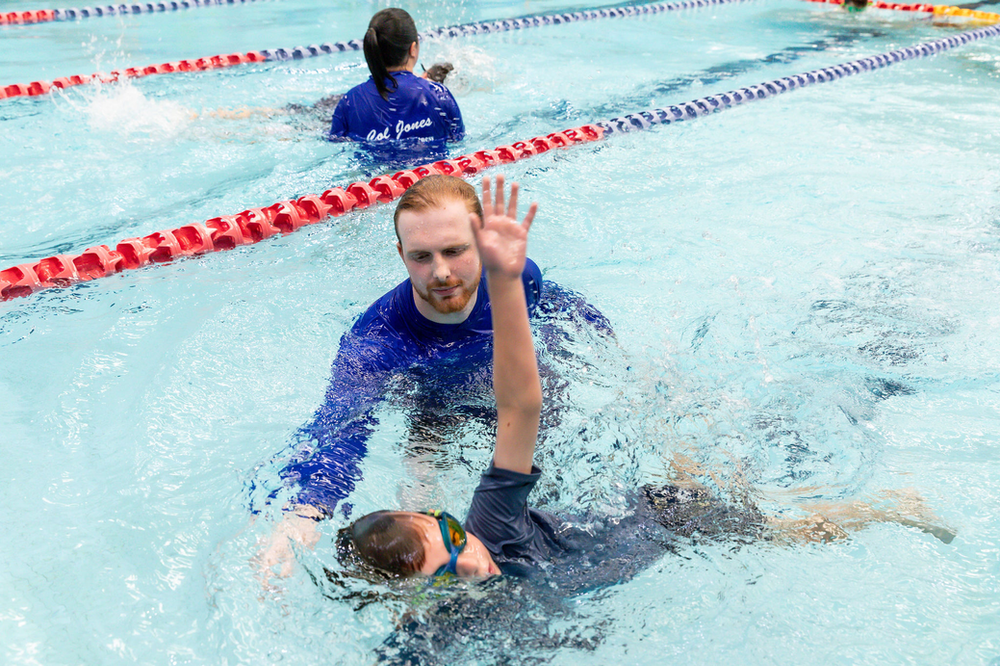
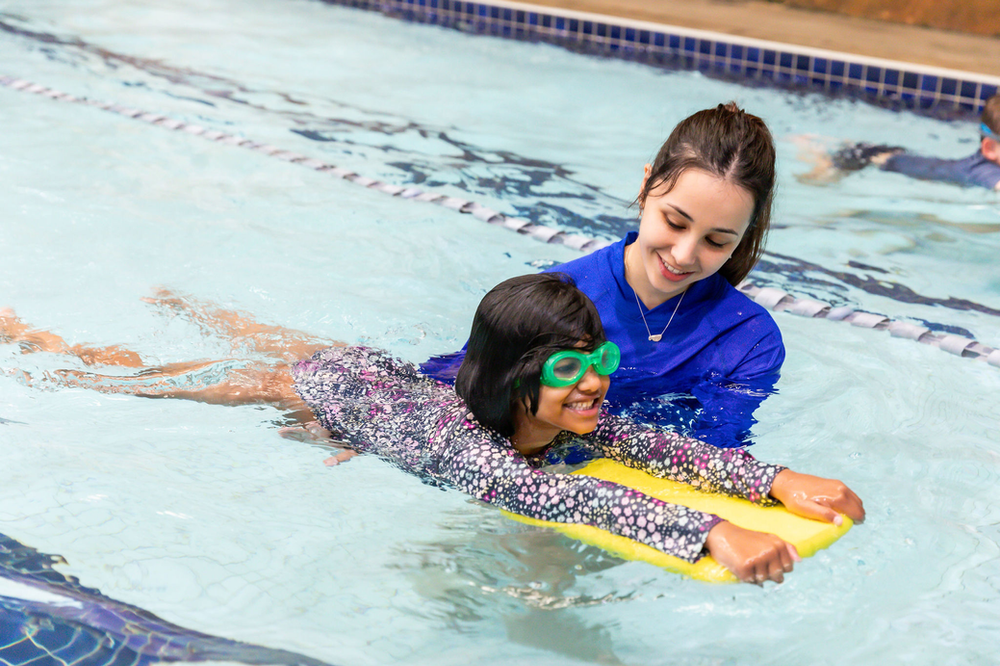
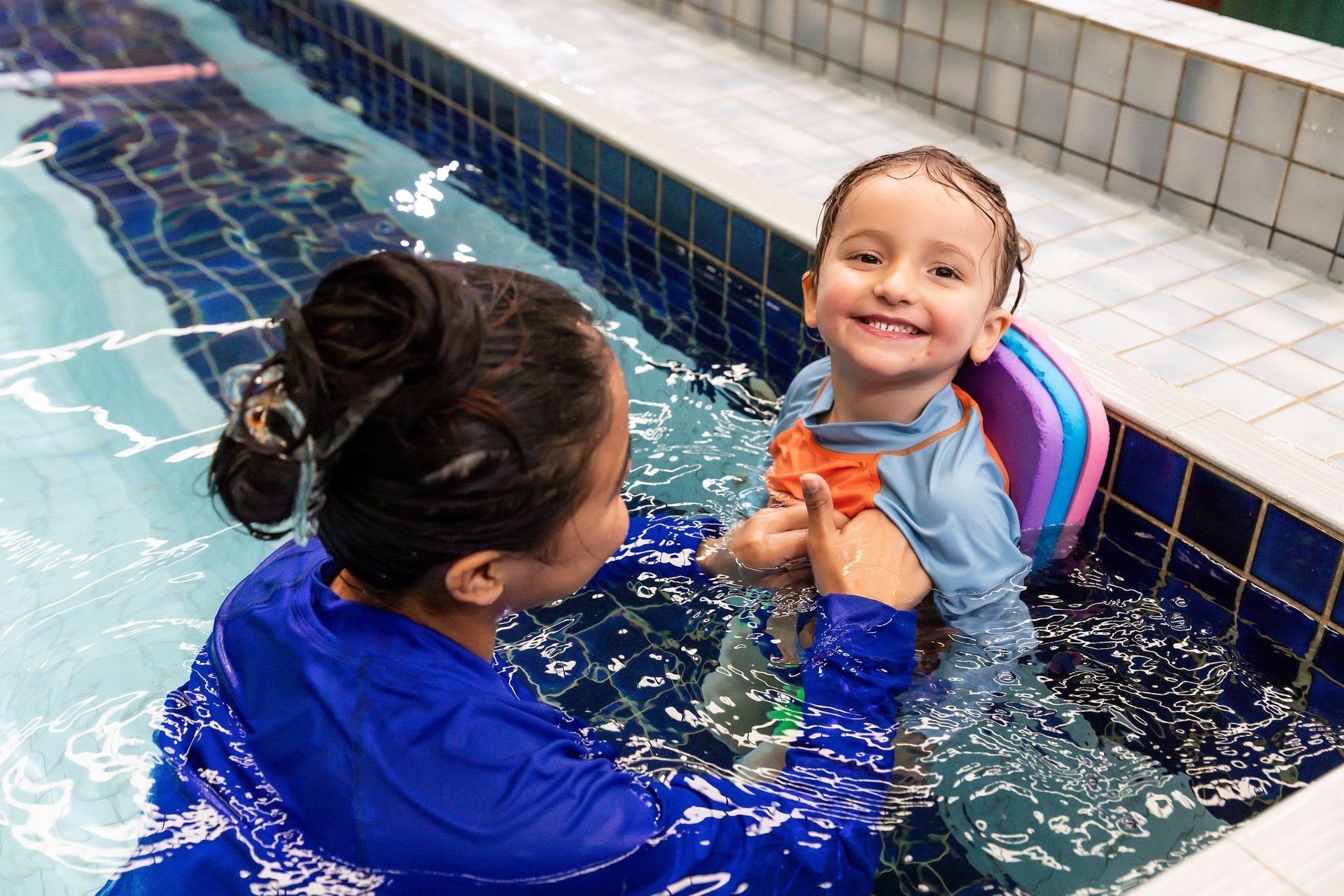
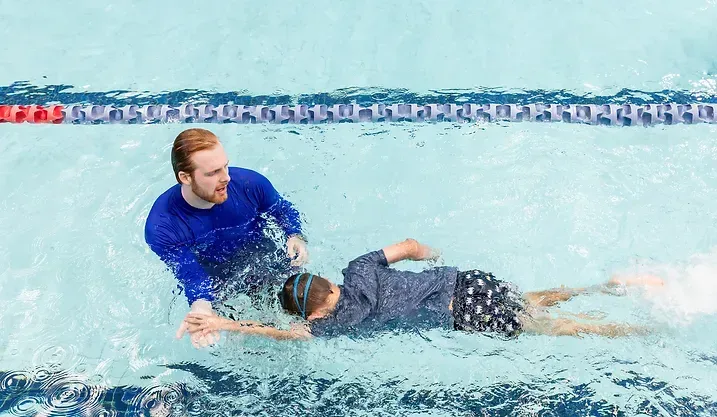
Our qualified instructors provide personalised attention and guidance, correcting techniques and encouraging safe behaviour. Children learn best through hands-on teaching and real-time feedback.
- Group Learning:
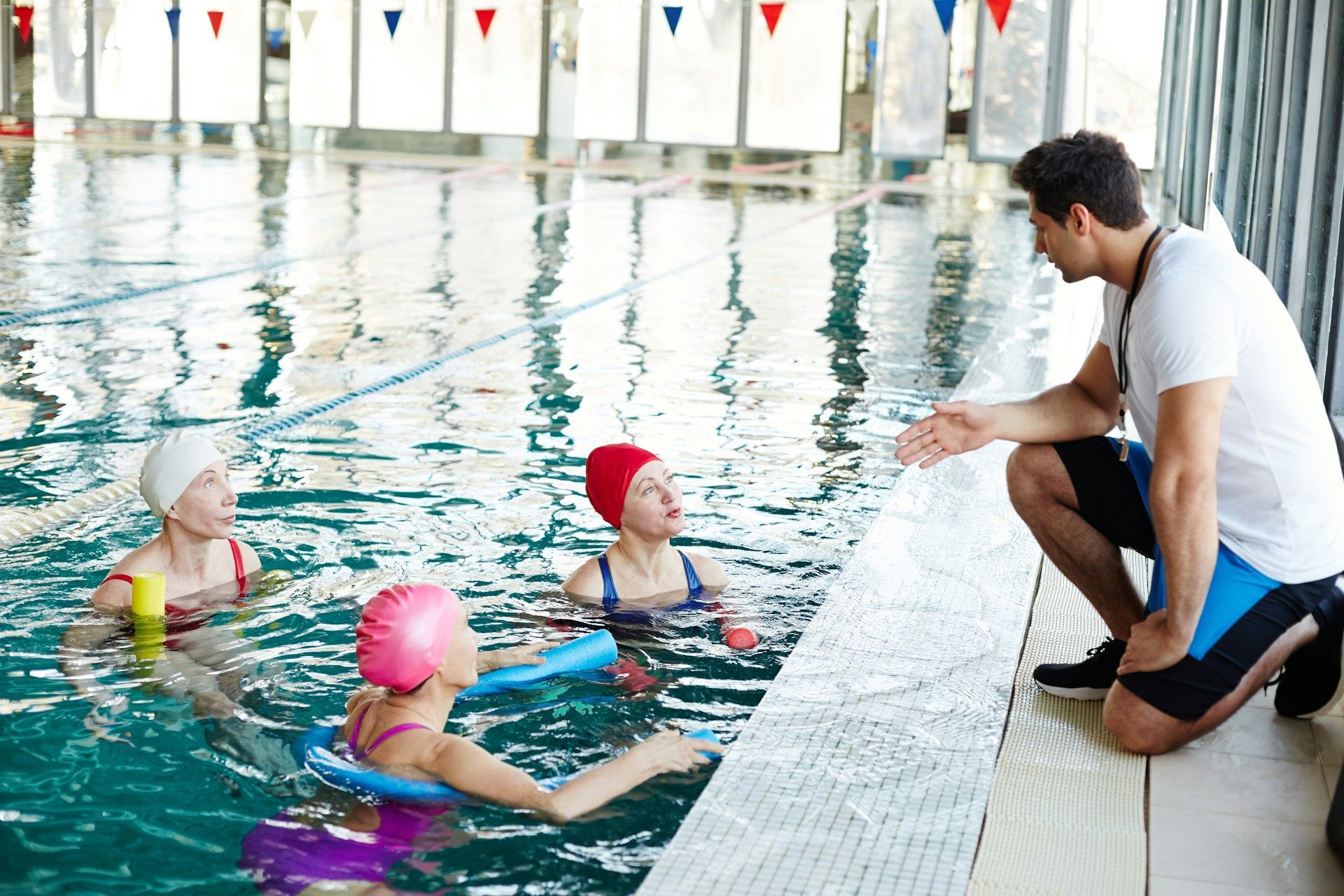
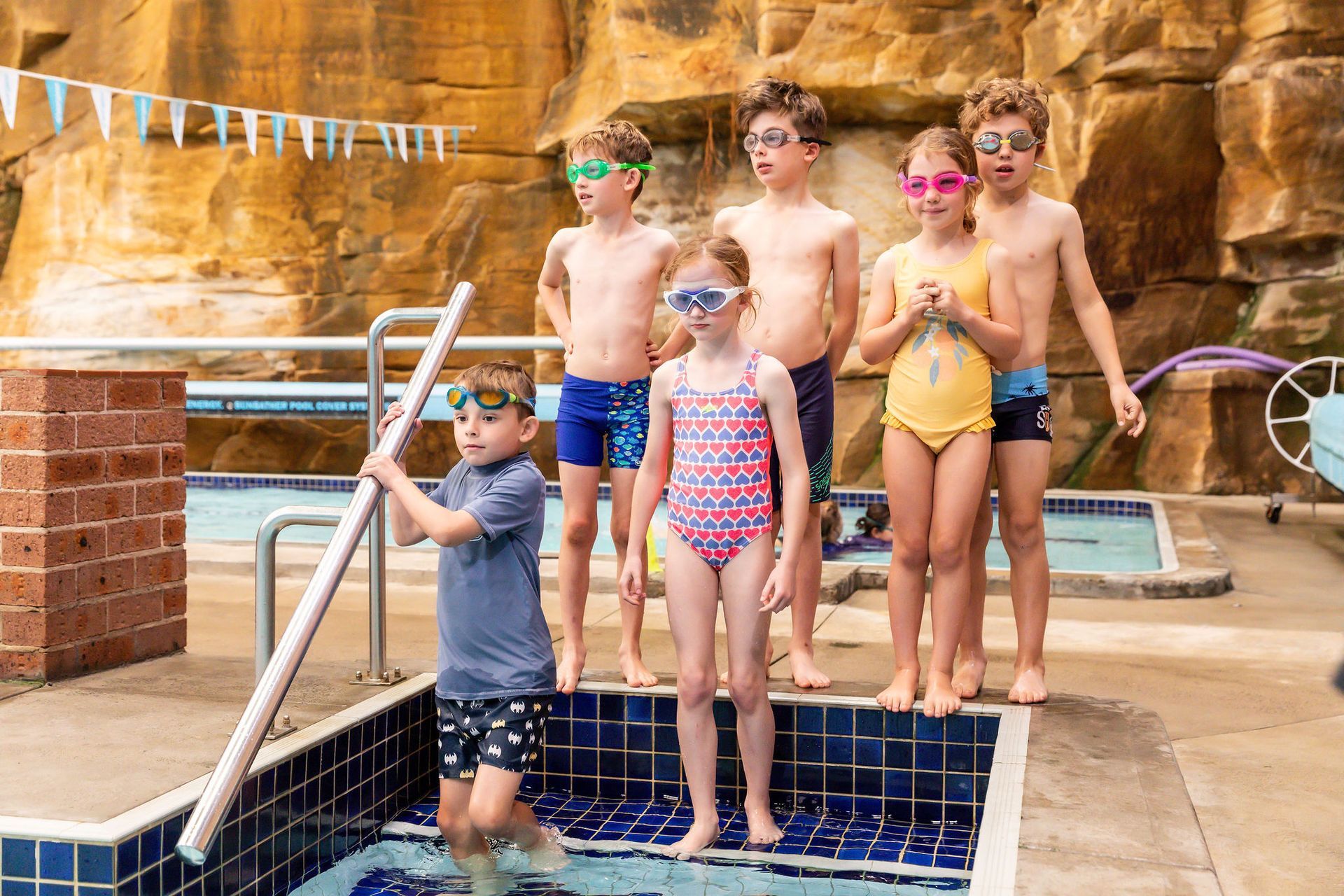
Learning in a group setting helps kids observe and imitate good practices from peers. It also creates a sense of camaraderie and shared responsibility for safety.
Through these elements, swim lessons at Col Jones Swim Tempe contribute significantly to a child's overall safety and confidence in the water.
Environmental Responsibility and Pool Safety
At Col Jones Swim Tempe, we prioritise environmental responsibility alongside pool safety to create a sustainable and safe environment for our students. Here are some initiatives we've implemented:
- Recycling and Water Conservation:
We recycle paper hand towels and restrict water use where possible. Water from our pools is recycled and reused in toilets, ensuring minimal waste. This contributes to conserving water, a precious resource in Australia.
- Energy Efficiency:
Our pools are covered for about 80% of the day to retain heat, significantly reducing the energy needed for heating. We also use energy-efficient heat pumps to lower emissions, creating a greener facility.
- Safe Pool Maintenance:
Regular checks and maintenance of our pools ensure they meet all safety standards. Proper chemical balances and clean, warm water help prevent accidents and health issues, providing a safe space for all our students.
How Our Programs Promote Lifelong Water Safety
Our programs at Col Jones Swim Tempe are designed to instil lifelong water safety habits in our students. We aim to cultivate confidence and respect for water through our well-structured courses. Here’s how we achieve this:
- Comprehensive Curriculum: Our curriculum covers all aspects of water safety, from basic swim techniques to advanced life-saving skills. Students learn progressively, making sure they build a strong foundation before moving on to more complex skills.
- Intensive Programs:
Our school offers intensive programs lasting 6-8 days, focused on giving children a thorough understanding of water safety. These programs often serve as the only opportunity for some students to learn essential swimming and safety skills.
- Ongoing Support:
Through our online Parent Portal, parents stay connected and informed about their child’s progress. This tool complements our commitment to excellent customer service by providing 24/7 access to schedules, updates, and communication with instructors.
- Community Focus:
For more than 50 years, we have been a key institution in the Inner West Sydney area, teaching countless children to swim and stay safe in water. Our history and dedication to community service make us a trusted choice for families seeking quality swim education.
Conclusion
Water safety is more than a set of skills; it's a mindset that can protect and empower children throughout their lives. By focusing on essential tips, proper swimming lessons, and environmental responsibility, Col Jones Swim Tempe aims to foster a love for swimming and a respectful attitude towards water. Our comprehensive programs are designed to be accessible and effective, ensuring that every child in Sydney has the opportunity to learn these crucial skills.
As we continue to prioritise safety and sustainability, we invite you to join our community and take advantage of the excellent resources we offer. Together, we can make sure that swimming remains a safe, enjoyable, and environmentally responsible activity for all.
Ready to help your child become a safe and confident swimmer? Enrol them in our swimming and
water safety programs at Col Jones Swim Tempe and experience the best in water safety education. Visit our website or contact us today to get started.