From Beginner to Pro: Levels at Col Jones Swim Tempe
Key Takeaways
- Structured 4-Tier Progression: Clear skill levels guide swimmers from basic water comfort to competitive squad mastery.
- Beginner Safety Foundations: Early modules focus on breath control, independent back floating, and safe pool entries.
- Intermediate Technique Building: Transition pools help students master freestyle, backstroke, and rhythmic side-breathing.
- Advanced & Pro Development: Full 25-metre lap training refines all four competitive strokes, flip turns, and endurance pacing.
Introduction
Col Jones Swim Tempe structures its learn-to-swim progression into four progressive tiers Beginner, Intermediate, Advanced, and Pro to guide students from basic water familiarity to competitive race readiness. Taught across three heated pools by instructors backed by over 50 years of experience, our comprehensive swimming lessons Tempe program builds aquatic safety, stroke precision, stamina, and competitive mechanics at every age level.
A structured multi-level pathway ensures that every swimmer progresses at a pace that matches their emotional confidence and physical ability. Jumping into complex stroke mechanics without mastering foundational balance leads to poor technique, fatigue, and frustration. By breaking aquatic education into clear, achievable tiers, students celebrate regular milestones while building rock-solid swimming mechanics.
At Col Jones Swim Tempe, our multi-tier framework removes guesswork from skill development. Instructors continually evaluate performance, providing targeted feedback that helps students transition smoothly from shallow learning spaces to deep-water lap lanes. This methodical approach ensures young swimmers build lifelong water safety habits while realizing their full athletic potential.
Mastering Core Comfort at the Beginner Level
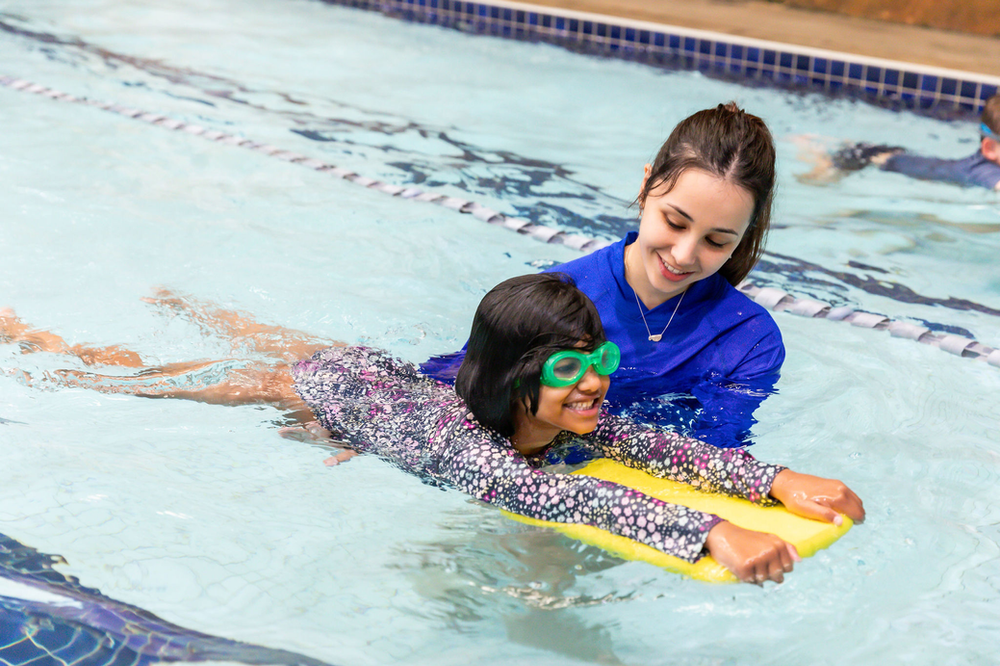
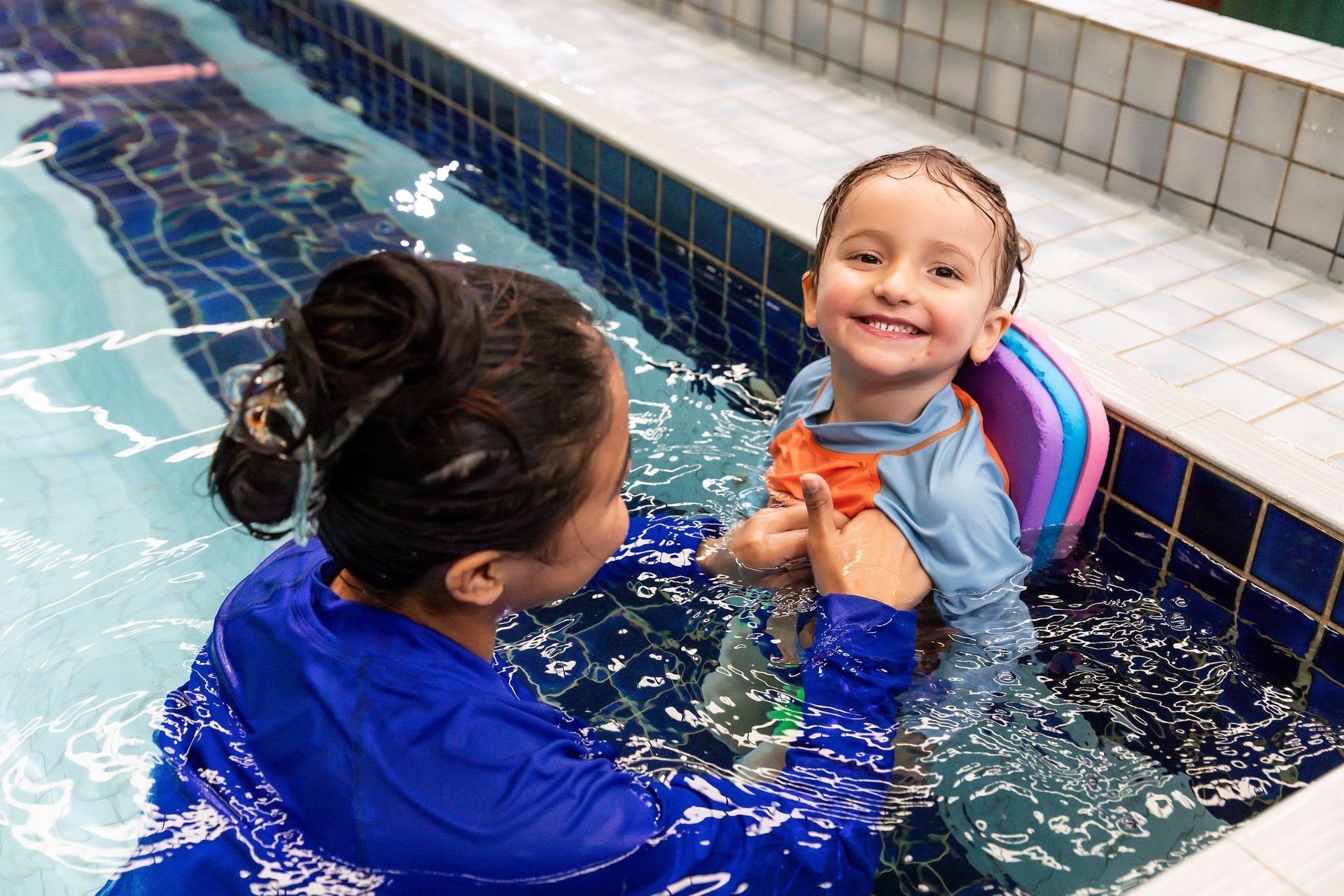
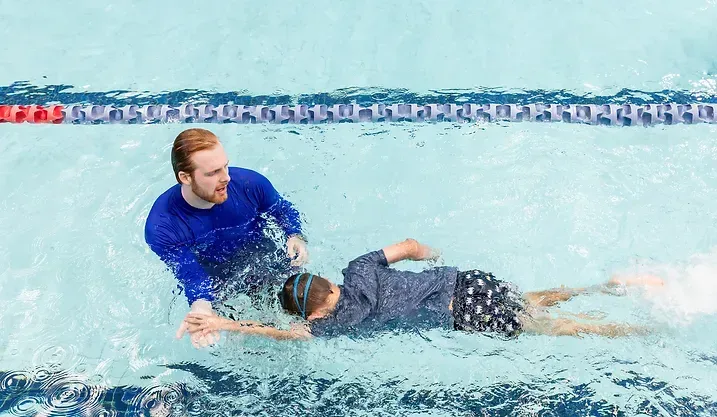
Conducted in the Small Beginner Pool, the Beginner Level centers on eliminating anxiety, mastering buoyancy, and forming safe habits. For young children and non-swimmers, the first priority is developing a positive relationship with water in a warm, shallow environment where they can stand securely.
Submersion and breath control form the initial building blocks of this entry-level tier. Instructors guide students through fun, low-pressure games that teach them to submerge their faces, blow bubbles through their nose and mouth, and avoid swallowing water. Learning to control breath removes fear, laying the groundwork for comfortable underwater exploration.
Independent floating quickly follows as a core self-rescue milestone. Beginners practice both front and back floating to experience natural water buoyancy. Back floating is given primary emphasis because it teaches children how to keep their airways clear, remain horizontal, and rest comfortably without thrashing or panicking.
Basic movement and poolside safety complete the beginner phase. Children learn intuitive kicking, gentle arm paddling, and essential pool deck etiquette. Mastering safe ladder entries, wall holding, and feet-first entries ensures that young swimmers remain safe around pool edges from their very first week of instruction.
Refining Stroke Technique at the Intermediate Level
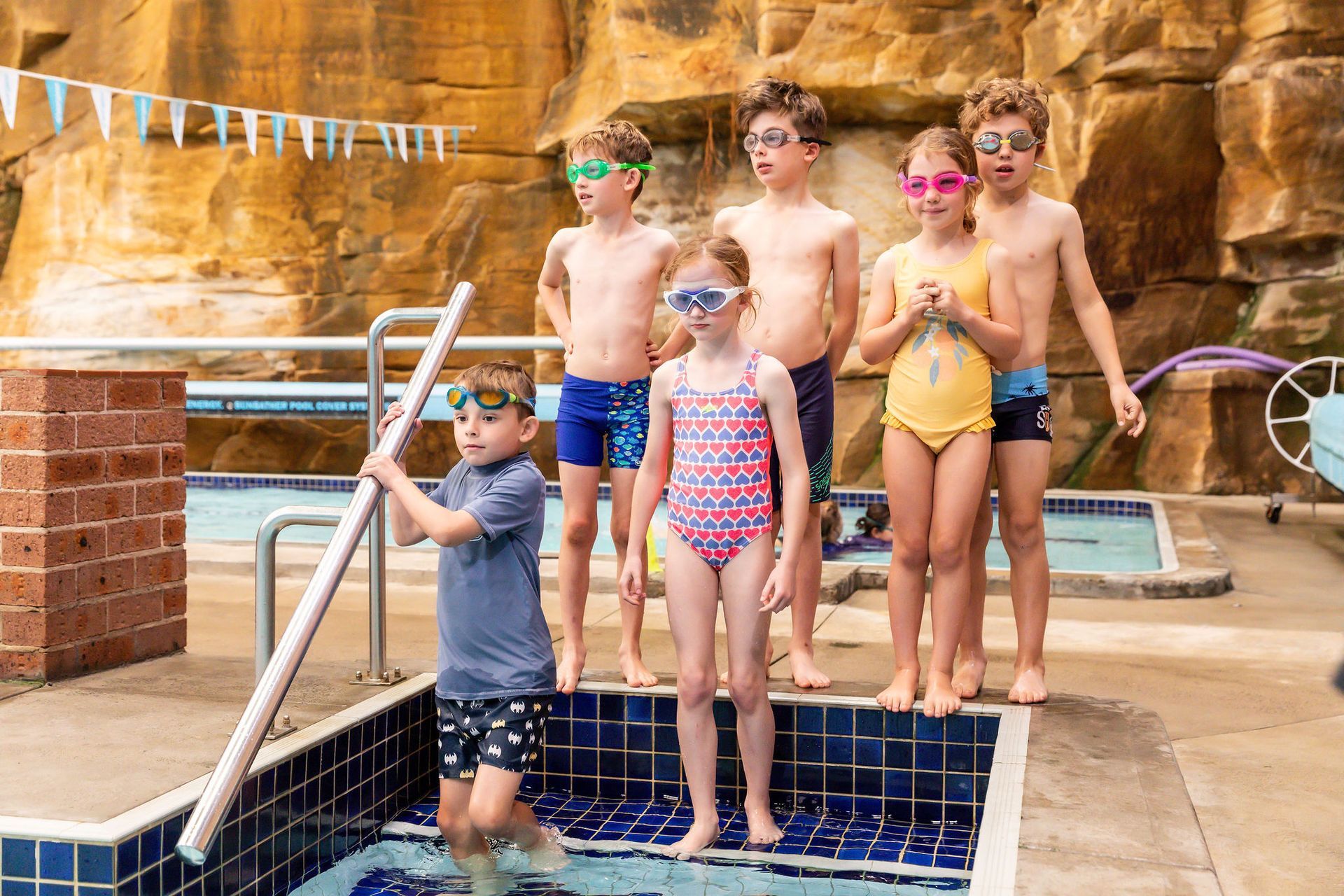
Held in the Teaching Improver Pool, the Intermediate Level introduces formal strokes and breathing coordination. Once a student demonstrates consistent floating and independent paddling, they move into deeper water to learn structured stroke mechanics.
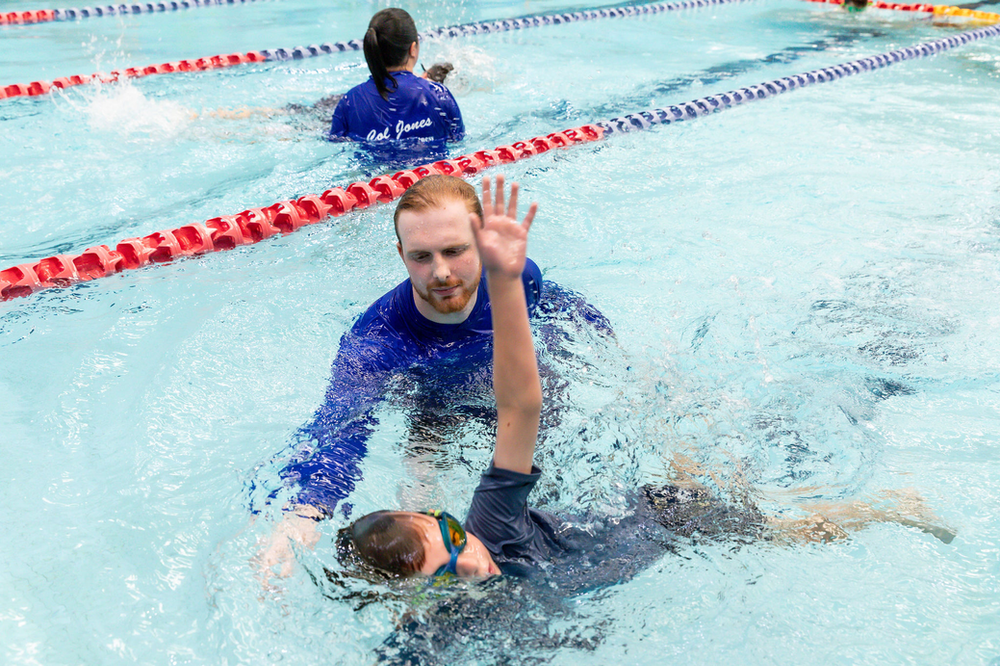
Freestyle and backstroke take center stage during this developmental tier. Swimmers learn to coordinate high-elbow arm recovery with a steady, rhythmic flutter kick. Achieving proper horizontal body alignment allows students to glide through the water efficiently, reducing drag and conserving physical energy.
Rhythmic side-breathing is introduced to support longer swimming distances. Learning to turn the head smoothly to the side to inhale without lifting the chin keeps body alignment stable. Mastering this coordination enables students to complete multiple consecutive laps without breaking stride or gasping for air.
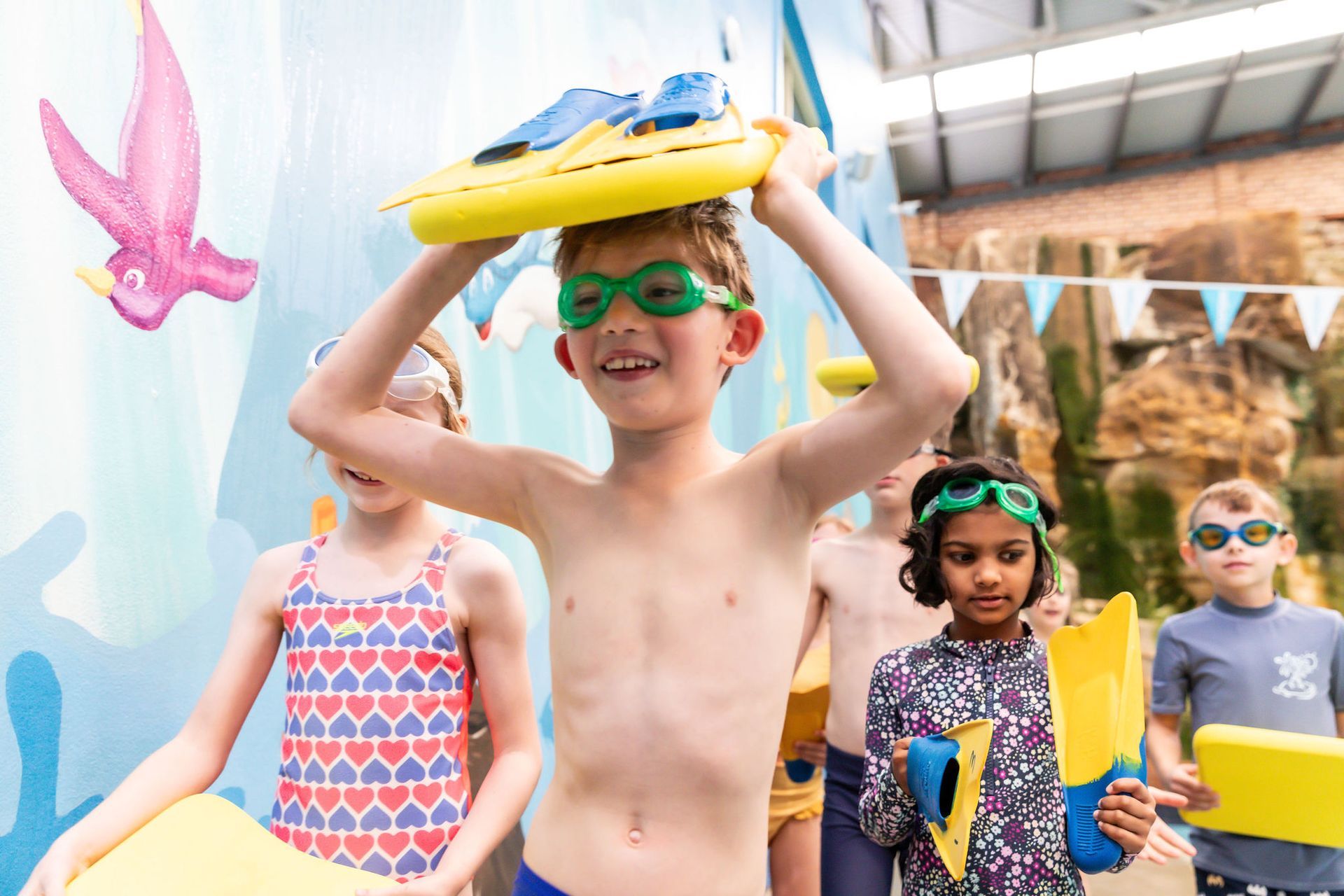
Agility and deep-water comfort are expanded through dynamic aquatic drills. Instructors introduce diving games, hoop swimming, and deep-water floating exercises. These fun, engaging activities boost underwater spatial awareness, build cardiovascular stamina, and ensure swimmers feel entirely relaxed in water over their heads.
Advanced Mechanics and Pro Competition Training
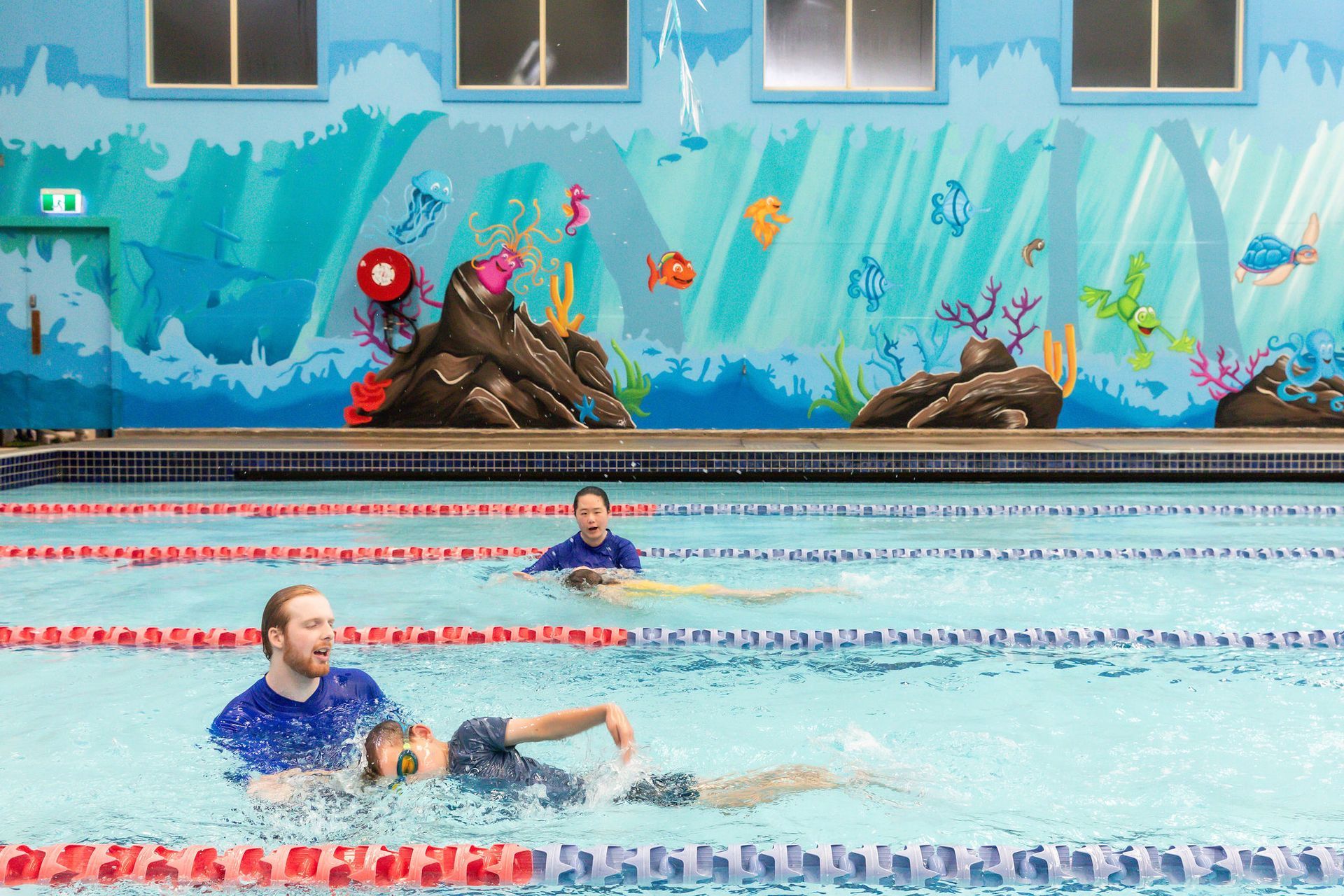
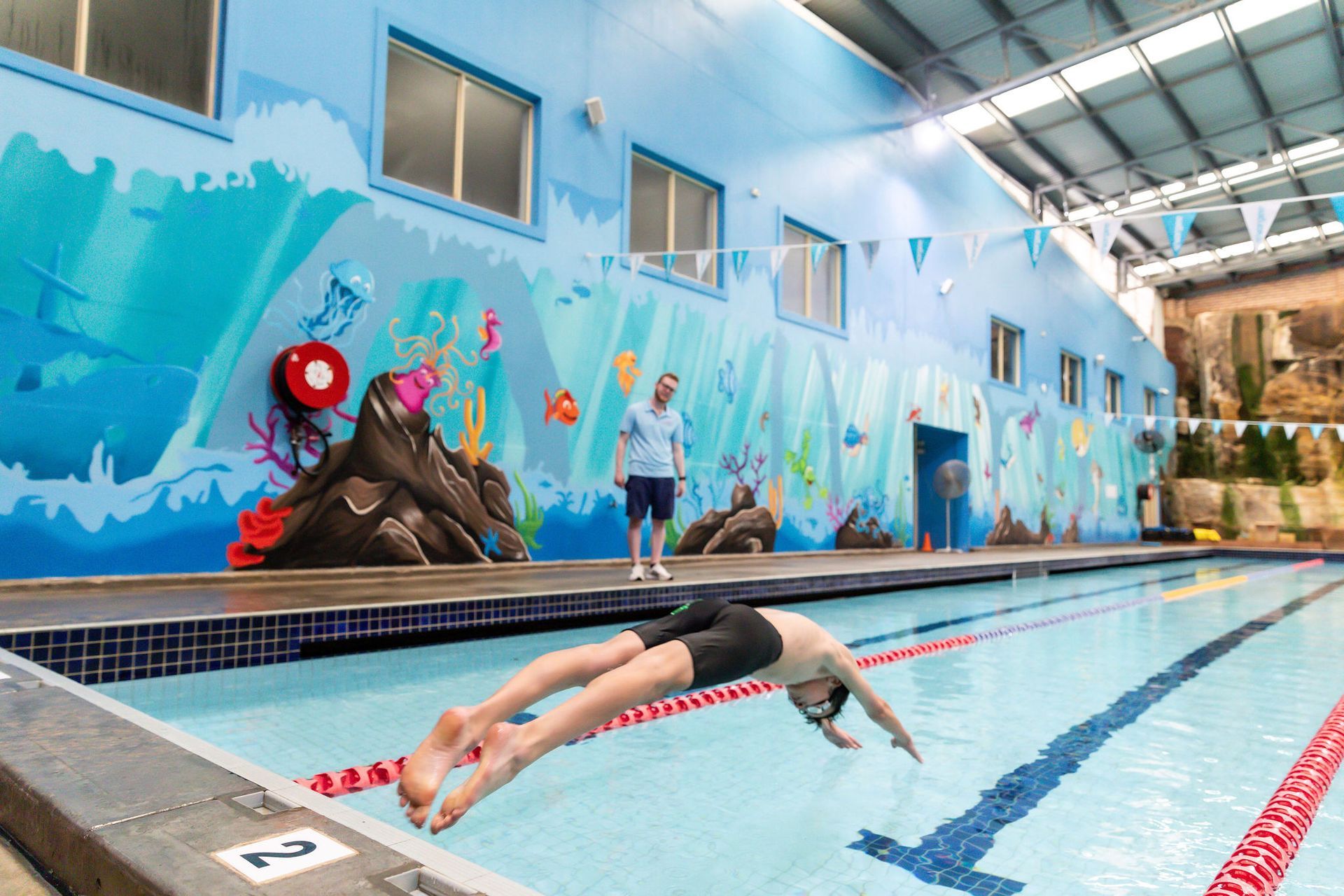
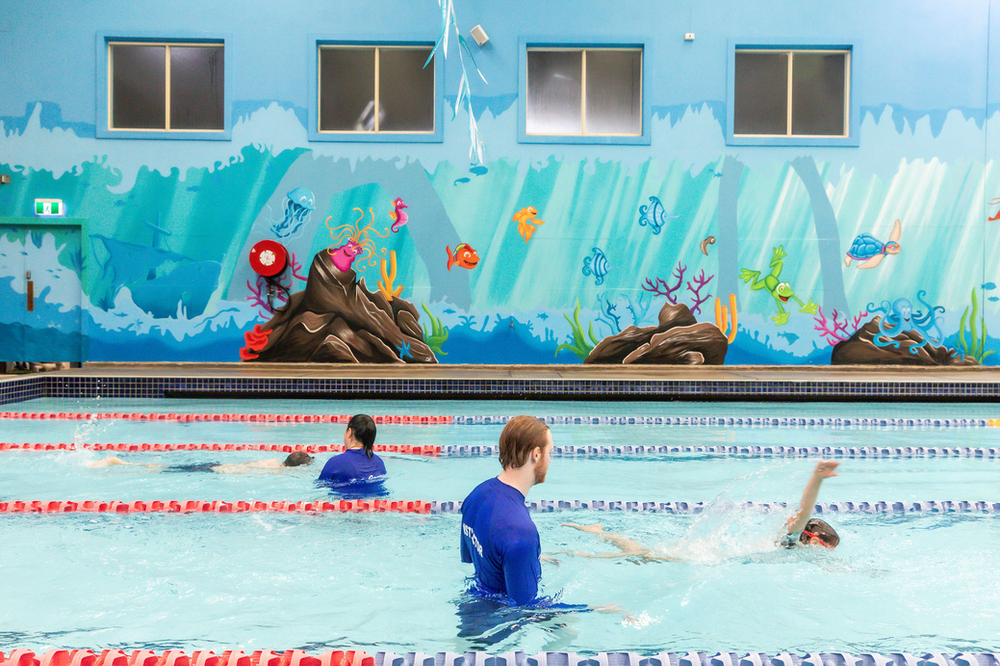
Transitioning to the 25-metre Lap Pool, the Advanced and Pro tiers focus on four-stroke mastery, endurance, and race mechanics. These higher levels cater to students ready to transform their technical skills into athletic conditioning, athletic endurance, and competitive performance.
The Advanced Level emphasizes stroke fine-tuning and physical stamina. Swimmers learn the complex timing required for breaststroke and butterfly, coordinating dolphin kicks and breaststroke pull-outs. In addition, coaches introduce flip turns off the pool wall and explosive block dive starts to streamline lap transitions.
The Pro Level prepares athletes for competition, school carnivals, and lifelong fitness. Training sets in this tier focus on race pacing, stroke rate management, finish strategies, and high-intensity interval training. Athletes build power, mental discipline, and aerobic capacity while perfecting their technique across all competitive strokes.
Coaching staff provide detailed technical feedback using individualized corrections to maximize efficiency in the water. Pro-level swimmers develop exceptional stroke efficiency and cardiovascular fitness, preparing them for regional swim meets, surf lifesaving, or long-term fitness swimming.
How Swimmers Advance Through the Program Tiers
Col Jones Swim Tempe utilizes continuous assessment to ensure students graduate to higher levels as soon as they meet key performance milestones. Progress is celebrated as an ongoing journey rather than restricted to rigid end-of-term testing dates.
Continuous skill evaluations allow instructors to monitor each child's technical development during every lesson. When a student consistently demonstrates required skills such as mastering side-breathing or executing a clean backstroke lap they are recommended for immediate promotion to the next tier.
Seamless pool transitions match physical growth with environmental readiness. Moving from the warm, shallow Small Beginner Pool to the Teaching Improver Pool, and ultimately to the 25-Metre Lap Pool, ensures swimmers are always challenged in an environment calibrated to their physical reach and depth tolerance.
Clear communication keeps parents informed every step of the way. Through regular updates from instructors and accessible tracking via the Parent Portal, families can follow their child's achievements, understand upcoming skill benchmarks, and celebrate every milestone along their swimming journey.
Conclusion
Summary
The progressive 4-tier program at Col Jones Swim Tempe offers a clear, proven pathway from initial water familiarity to competitive stroke mastery. Taught in specialized heated pools by expert instructors, every swimmer develops life-saving water safety, clean stroke mechanics, and athletic confidence.
Book a Strategy or Discovery Call
Ready to start your child on a structured path from beginner floating to advanced stroke mastery? Contact our swimming team today to schedule an assessment and enroll in the ideal skill level for your child.
Frequently Asked Questions
How long does it take for a child to move from Beginner to Intermediate?
Progression speed depends on individual confidence and attendance frequency, but most children who attend weekly classes master basic floating and transition within a few terms.
How do I know which level my child should start in?
Our team conducts a quick skill assessment prior to enrollment to evaluate your child's current water confidence, depth comfort, and stroke mechanics to place them in the correct tier.
What strokes are taught in the Advanced tier?
The Advanced tier introduces and refines breaststroke and butterfly while perfecting freestyle side-breathing, backstroke mechanics, flip turns, and dive starts.
Can adults join the progressive swim levels?
Yes, we offer structured adult swimming programs that mirror these progressive levels, catering to adult non-swimmers up to advanced fitness lap swimmers.
Are classes divided strictly by age or by skill level?
Classes are grouped primarily by skill capability and water confidence rather than age alone, ensuring students learn alongside peers working on similar aquatic benchmarks.