Eco-Friendly Swimming: Steps to a Greener Pool
Key Takeaways
- Water Recycling Leadership: Facility greywater and pool backwash are treated and redirected to supply sanitation systems, saving thousands of liters daily.
- Low-Emission Heating: Air-source heat pumps paired with thermal pool covers reduce overall energy draw and cut carbon emissions.
- Three Heated Environments: Sustainable heating practices maintain ideal temperatures across the Beginner, Improver, and 25-metre Lap Pools.
- Community Eco-Action: Swimmers and families actively participate by using reusable bottles, brief showers, and on-site recycling stations.
Introduction
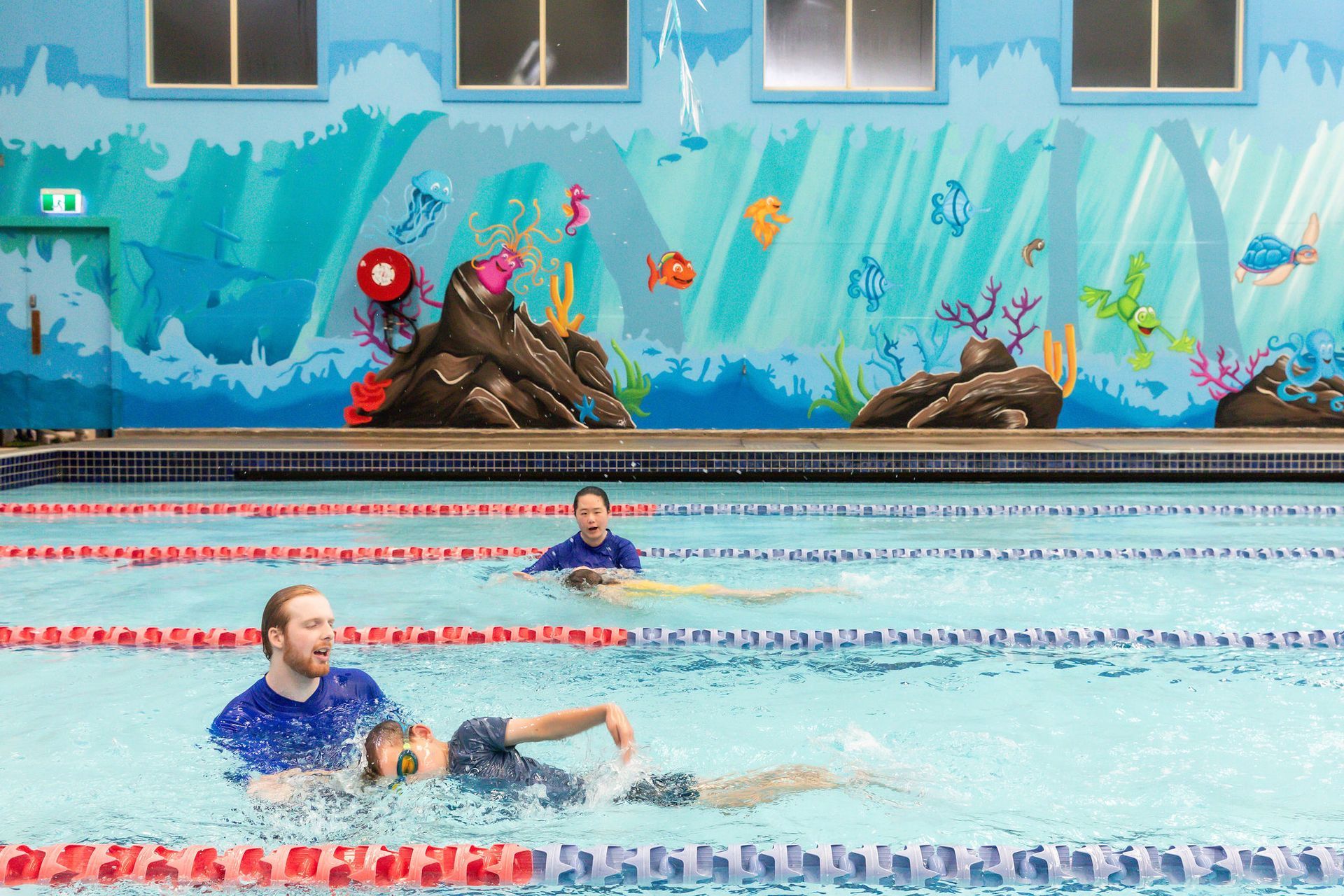
At Col Jones Swim Tempe, environmental stewardship goes hand in hand with delivering top-tier swimming education. Operating three heated pools the Small Beginner Pool, Teaching Improver Pool, and 25-metre Lap Pool the facility implements comprehensive water conservation, energy-efficient heating, and community education to minimize its carbon footprint in Inner West Sydney while offering innovative eco friendly swim programs Tempe families feel proud to support.
Operating an aquatic facility naturally requires significant energy and water resources to maintain safe, comfortable learning environments. Without conscious environmental planning, heating large bodies of water and managing daily facility operations can place a heavy burden on local municipal infrastructure and contribute to greenhouse gas emissions.
At Col Jones Swim Tempe, we believe that teaching life-saving swimming skills shouldn't come at the expense of our planet. By integrating sustainable technologies, eco-friendly resource management, and daily conservation habits into our routine operations, we prove that premier aquatic education and environmental responsibility can work together seamlessly.
Comprehensive Water Conservation Across Operations
Managing three active pools requires proactive water retention strategies to prevent waste and reduce overall municipal water dependency. Water is our most vital resource, and preserving every drop ensures our facility remains sustainable for future generations.
First, greywater recycling systems transform how splash water and filter backwash are managed. Instead of sending thousands of liters of wastewater down municipal drains during regular filter cleaning cycles, the facility captures, treats, and redirects this water to supply sanitation and toilet flushing systems throughout the building.
Second, evaporation reduction plays a critical role in daily water preservation. Water loss through evaporation requires continuous topping off with fresh tap water, which in turn demands additional energy to heat. By deploying heavy-duty thermal pool covers over all three pools for up to 80% of the day during non-use hours, we stop evaporation in its tracks while locking in essential pool heat.
Finally, regular leak detection and plumbing audits guard against silent water loss. Our maintenance team conducts routine structural and pipework inspections across all three pools, catching and repairing micro-leaks before they can result in significant resource waste or structural damage.
Why Heat Pumps Are Essential for Eco-Friendly Heating
Pool heating accounts for a major portion of an aquatic facility's operational energy use. Traditional heating methods rely heavily on gas combustion or high-draw electric heaters, both of which generate significant carbon emissions and drive up operational overhead costs.
Transitioning to advanced heat pump technology significantly cuts energy demand while maintaining comfortable learning temperatures across our three pools. Unlike conventional heaters that burn fuel to create thermal energy from scratch, air-source heat pumps extract existing heat from the surrounding ambient air and transfer it directly into the pool water.
This thermodynamic transfer process requires a fraction of the electricity used by traditional systems, drastically lowering the facility's indirect greenhouse gas emissions. Furthermore, heat pumps operate with incredible acoustic efficiency, maintaining whisper-quiet pool deck conditions so students can hear instructor guidance clearly.
Paired with our thermal pool blankets, heat pumps keep the Small Beginner Pool, Teaching Improver Pool, and 25-Metre Lap Pool at stable, warm temperatures year-round. This energy-efficient setup guarantees that beginners remain relaxed and squad athletes train comfortably without incurring high environmental costs.
How Visitors Can Support Facility Sustainability
Swimmers and parents can actively participate in green practices during every visit to help foster a cleaner environment. Sustainability is a team effort, and small daily actions by our swimming community add up to a massive positive impact over time.
Mindful water usage in changing areas directly conserves fresh water. Swimmers can keep pre-swim rinse showers brief and double-check that all sink taps are fully turned off after washing hands, preventing unnecessary tap runoff.
Waste management stations located throughout the facility make recycling easy. Families are encouraged to sort paper, plastic bottles, and recyclable packaging into clearly labeled on-site recycling bins rather than throwing them into general waste receptacles.
Single-use plastic reduction is another simple way families can contribute. By bringing refillable water bottles to use at our filtered water stations instead of purchasing single-use plastic bottles, parents and students prevent plastic waste from ending up in local waterways.
Community advocacy extends these values beyond our pool deck. Modeling eco-friendly habits for young swimmers teaches children that caring for the environment is an integral part of being a responsible, healthy athlete.
Col Jones Swim Tempe demonstrates that a legacy of swimming excellence and strong environmental stewardship go hand in hand. By combining innovative technologies like heat pumps and backwash recycling with daily community engagement, the facility protects both water safety and the local ecosystem.
Every family that swims at Col Jones Tempe contributes to a greener future for Inner West Sydney. To learn more about eco-friendly swim programs or schedule a lesson, visit Col Jones Swim Tempe today.
Conclusion
Summary
Col Jones Swim Tempe leads the way in sustainable aquatic education by pairing three specialized heated pools with low-emission heat pumps, greywater recycling systems, and paperless operations. By combining environmental responsibility with expert swimming instruction, the facility protects local ecosystems while teaching vital life skills.
Book a Strategy or Discovery Call
Ready to enroll your child in a premier swim school that values both water safety and environmental sustainability? Contact our swimming team today to learn more about our eco-friendly programs and schedule a skill assessment.
Frequently Asked Questions
How do heat pumps help reduce the facility's carbon footprint?
Heat pumps extract natural heat from the surrounding air rather than burning gas, drastically reducing electricity consumption and greenhouse gas emissions while keeping pools warm.
Why are thermal pool covers used on the pools?
Thermal blankets cover pools for up to 80% of the day during non-use hours to trap water warmth, cut heating energy demands, and prevent water loss through evaporation.
Is the recycled greywater used in the swimming pools?
No, recycled greywater and treated backwash water are strictly redirected to sanitation systems like toilet flushing, ensuring pool water remains fresh, hygienic, and perfectly balanced.
What can parents do to support sustainability at the swim school?
Parents can bring reusable water bottles, keep pre-swim showers short, utilize on-site recycling bins, and use our paperless digital Parent Portal for class bookings and payments.
Are eco-friendly swim programs offered year-round?
Yes, our climate-controlled indoor facility operates year-round, utilizing sustainable heating and water conservation systems across all four school terms and holiday intensive blocks.